

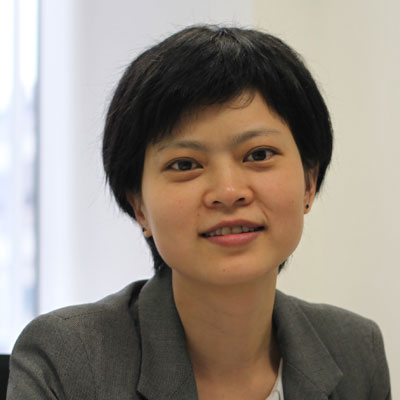
WU Min
Collaborator, Mechanobiology Institute, National University of Singapore
dbswum@nus.edu.sg
+65 6601 2310
CBIS Blk S1A, Level 2 Lee Wee Kheng Bldg
National University of Singapore
14 Science Drive 4
Singapore 117557
Laboratory website
Wu Lab Deconstructing the Endocytic Machinery
Research Program
The Cell-Matrix and Cell-Cell Mechanotransduction Group
Affiliations
Department of Biological Sciences, National University of Singapore
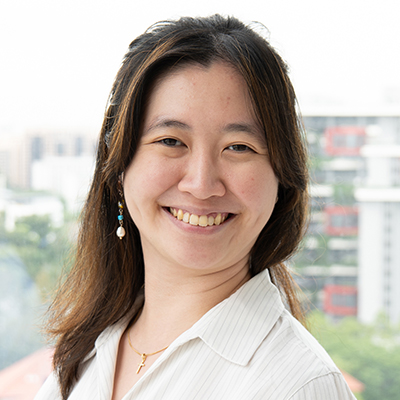
Katherine Anne Lau Enqi
Research Assistant, Young Group
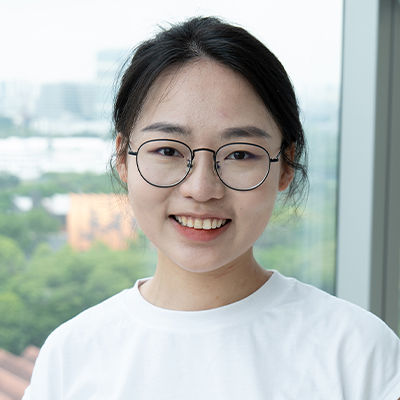
Zhou Hanzhang
Research Fellow, Yu Group
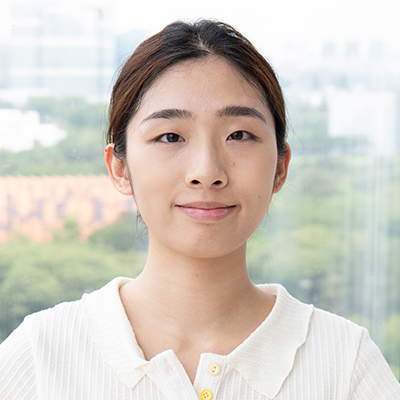
Dongyu Xu
Research Fellow, Yu Group
Li Guang
Research Fellow, Yu Group
Seeking Research Assistant in the research group of Prof. Rong Li at the Mechanobiology Institute, NUS
The Mechanobiology Institute, NUS, seeks to recruit a Research Assistant in the research group of Prof. Rong Li.
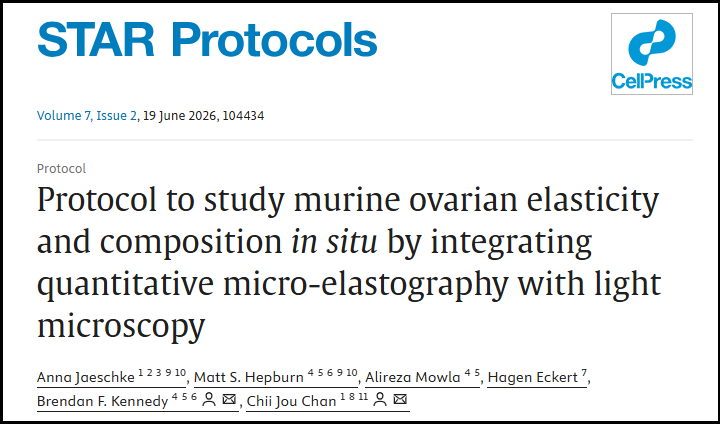
Check out the lab’s latest publication and preprint!
Access the publication or the preprint here!
Wu Min
Collaborator
Research Areas
Endocytosis, Membrane traffic, Curvature, Actin cytoskeleton, Mechanotransduction
Research Interests
Dr Wu is interested in elucidating the principles underlying the organization and dynamics of the subcellular membrane compartments. Specifically her lab investigates how biological membranes are shaped through collective protein-lipid interactions and how geometry of the membrane compartment is coupled to cellular functions. The Wu Lab uses a combination of cell biological, biophysical and biochemical approaches to address these questions.
Biography
Dr Wu Min graduated from Peking University in China and received her bachelor degree in Chemistry. She did her graduate studies at Cornell University with Dr Barbara Baird, where she initiated the use of patterned lipid bilayers as antigen-presenting platforms and studied immune cell activation and signal transduction. During her post-doctoral research in the laboratory of Dr Pietro De Camilli at Yale School of Medicine, she focused on the molecular mechanisms of endocytosis. In 2011, she was awarded the NRF fellowship, joining CBIS/MBI in the fall.
Education
PhD Cornell University
Recent Publications
- Xiong D, Tong C, Fung SYS, McClellan S, Yang Y, Yong J, and Wu M. STIM1 and endoplasmic reticulum-plasma membrane contact sites oscillate independently of calcium-induced calcium release. Open Biol 2026; 16(3). [PMID: 41844235]
- Chua XL, Tong CS, Su M, Xǔ XJ, Xiao S, Wu X, and Wu M. Competition and synergy of Arp2/3 and formins in nucleating actin waves. Cell Rep 2024; 43(7):114423. [PMID: 38968072]
- Tong CS, Su M, Sun H, Chua XL, Xiong D, Guo S, Raj R, Ong NWP, Lee AG, Miao Y, and Wu M. Collective dynamics of actin and microtubule and its crosstalk mediated by FHDC1. Front Cell Dev Biol 2024; 11:1261117. [PMID: 38567385]
- Le Chua X, Tong CS, Xǔ XJ, Su M, Xiao S, Wu X, and Wu M. Competition and Synergy of Arp2/3 and Formins in Nucleating Actin Waves. bioRxiv 2023;. [PMID: 37745345]
- Su M, Zhuang Y, Miao X, Zeng Y, Gao W, Zhao W, and Wu M. Comparative Study of Curvature Sensing Mediated by F-BAR and an Intrinsically Disordered Region of FBP17. iScience 2020; 23(11):101712. [PMID: 33205024]
- Chen Y, Yong J, Martínez-Sánchez A, Yang Y, Wu Y, De Camilli P, Fernández-Busnadiego R, and Wu M. Dynamic instability of clathrin assembly provides proofreading control for endocytosis. J. Cell Biol. 2019;. [PMID: 31451612]
- . https://www.ncbi.nlm.nih.gov/pubmed/31390543
- Yong J, Chen Y, and Wu M. Real-Time Monitoring of Clathrin Assembly Kinetics in a Reconstituted System. Methods Mol. Biol. 2018; 1847:177-187. [PMID: 30129017]
- Yang Y, and Wu M. Rhythmicity and waves in the cortex of single cells. Philos. Trans. R. Soc. Lond., B, Biol. Sci. 2018; 373(1747). [PMID: 29632268]
- McPherson PS, and Wu M. Light, space, and time in cancer signaling. Mol. Biol. Cell 2018; 29(6):688. [PMID: 29535172]
Lab Members

Liu Shutong
Research Assistant, Hirashima Group
Seeking Research Assistant in the Vascular Mechano-medicine Lab of Dr. Shailaja Seetharaman at the Mechanobiology Institute, NUS
We are seeking to recruit a Research Assistant in the research group of Dr. Shailaja Seetharaman at the Mechanobiology Institute and Department of Physiology at the Yong Loo Lin School of Medicine, NUS.
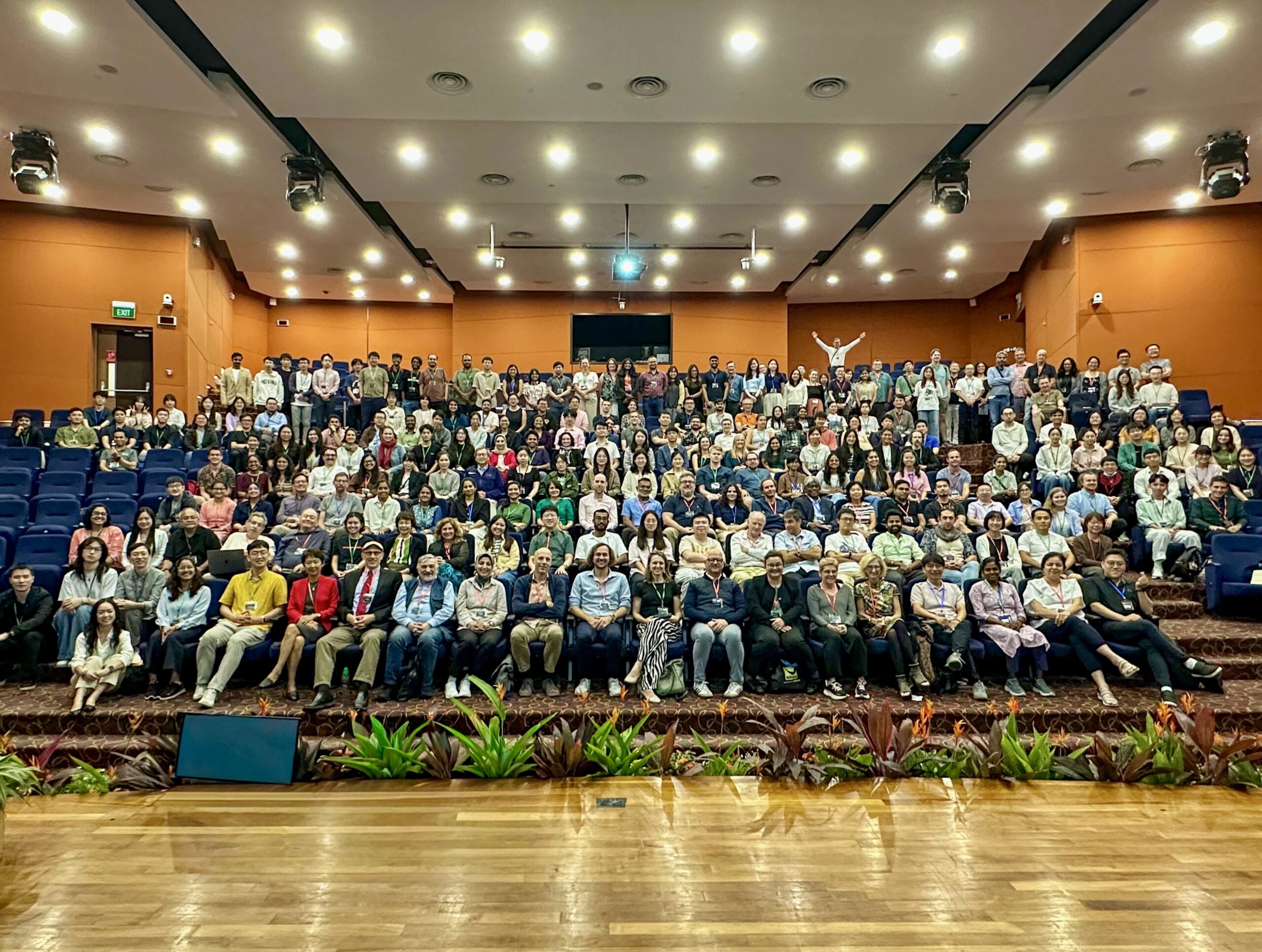
MBI-MPG 2025 Conference: A Time and Space of Learning, Honoring and Inspiration
The MBI-MPG Conference 2025: Mechanobiology in Space and Time featured a vibrant scientific programme, communal experiences in Singapore, and moments of remembrance.
Seeking Postdoctoral Research Fellow in the Vascular Mechano-medicine Lab of Dr. Shailaja Seetharaman at the Mechanobiology Institute, NUS
We are seeking to recruit a Postdoctoral Research Fellow in the research group of Dr. Shailaja Seetharaman at the Mechanobiology Institute and Department of Physiology at the Yong Loo Lin School of Medicine, NUS.

Yiwen Tang
Research Fellow, Chan Group

Early Career Researchers’ Day: A Launchpad for Postdocs and PhD Students
A symposium for postdoctoral researchers and PhD students to present their scientific work, network with peers, and participate in career development.
Less is More: Simplified 3D Nanoscopy via Vortex Interference Widens Access
Researchers from the Kanchanawong Lab at the Mechanobiology Institute, NUS makes cutting-edge 3D nanoscopy more accessible to researchers without elaborate optical engineering.
The Chan Lab at the MBI-MPG Conference 2025!
Congratulations to Kim Whye and Kosei for being selected for talks, and Boon Heng for winning the 'Best Poster' prize! Thanks to all who gave feedback on our work!
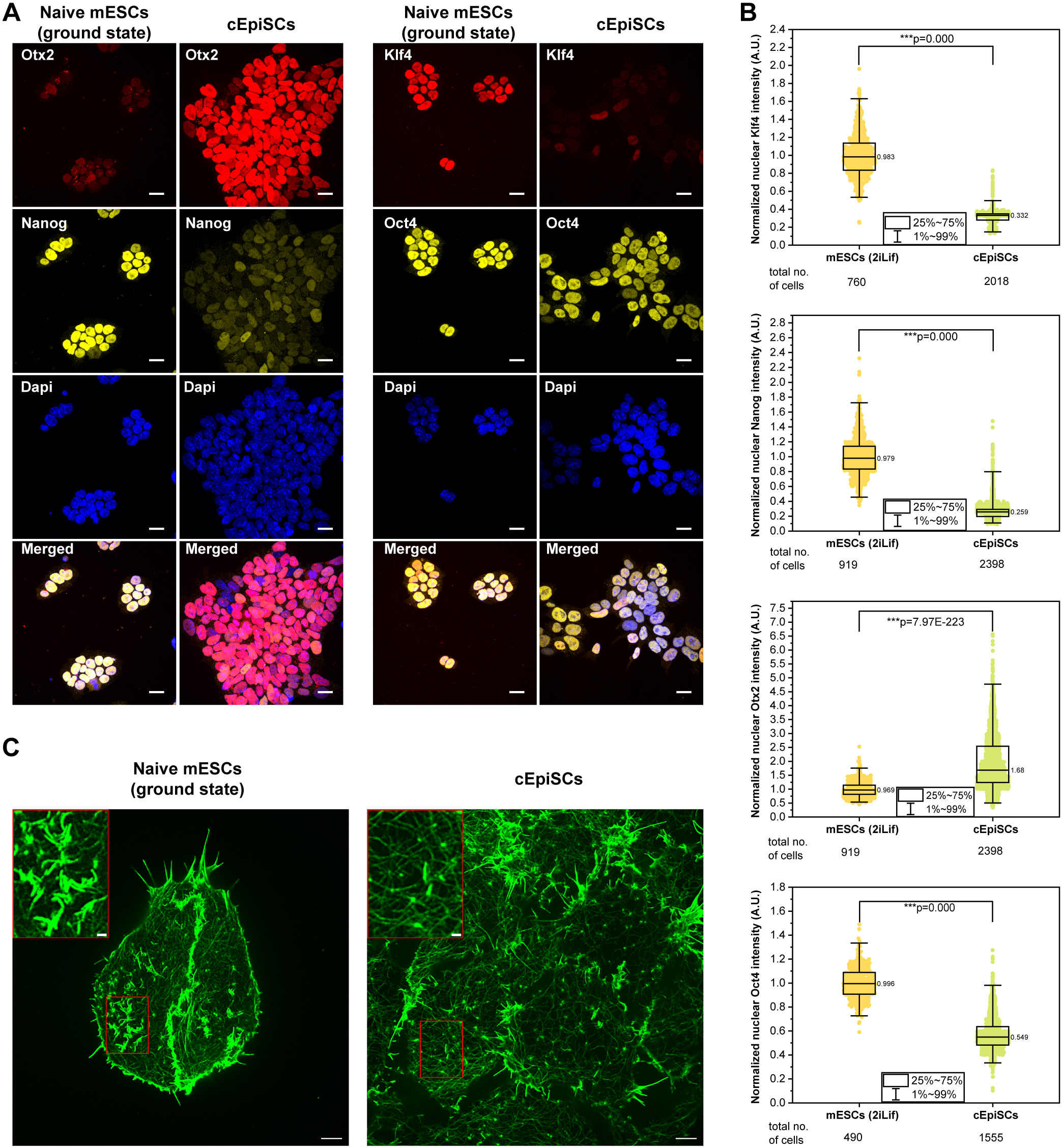
Rac-1 Regulated Cadherin Clusters Mark Naive Stem Cells
Researchers from the Kanchanawong Lab at the Mechanobiology Institute, NUS discover a marker of ground-state pluripotent stem cells and what governs it.
Confined Migration Shapes the Bony Fate of Stem Cells
Researchers from the Holle Lab at the Mechanobiology Institute, NUS discover that migration through confined spaces causes lasting nuclear changes in stem cells, biasing them toward bone formation.

P. Shakthi
Research Assistant, Dye & Michelot Groups

Lim Choon Kiat
Senior Research Fellow, Li Group

