

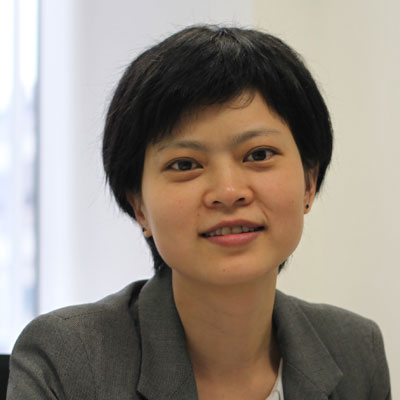
WU Min
Collaborator, Mechanobiology Institute, National University of Singapore
dbswum@nus.edu.sg
+65 6601 2310
CBIS Blk S1A, Level 2 Lee Wee Kheng Bldg
National University of Singapore
14 Science Drive 4
Singapore 117557
Laboratory website
Wu Lab Deconstructing the Endocytic Machinery
Research Program
The Cell-Matrix and Cell-Cell Mechanotransduction Group
Affiliations
Department of Biological Sciences, National University of Singapore
Seeking Head of Microfabrication Core Facility at the Mechanobiology Institute, NUS
The Mechanobiology Institute, NUS, seeks to recruit a Facility Manager to heads its Microfabrication Core Facility.
Seeking Postdoctoral Research Fellow (Biomaterials and Mechanobiology) in the group of Asst. Prof. Jennifer Young at the Mechanobiology Institute, NUS
The Mechanobiology Institute, NUS, seeks to recruit a Postdoctoral Research Fellow (Biomaterials and Mechanobiology) in the group of Asst. Prof. Jennifer Young.

Seeking Postdoctoral Research Fellow (Spatial Omics) in the group of Asst. Prof. Jennifer Young at the Mechanobiology Institute, NUS
The Mechanobiology Institute, NUS, seeks to recruit a Postdoctoral Research Fellow (Spatial Omics) in the group of Asst. Prof. Jennifer Young.
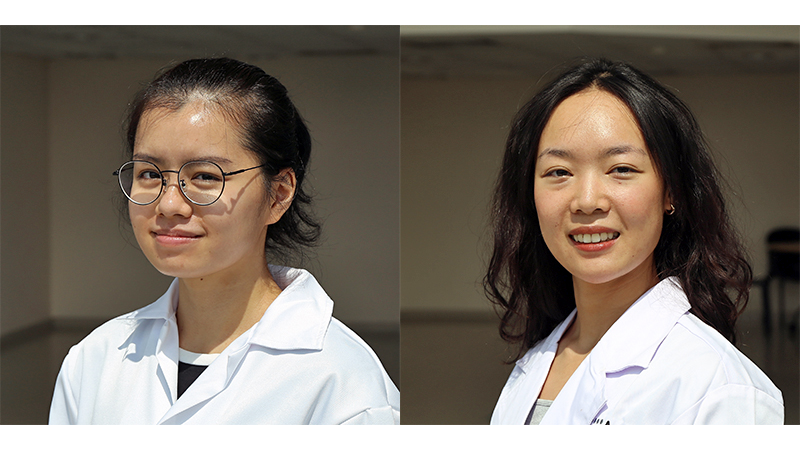
Congrats to Kelly and Gefei for passing their Qualifying Exams!
Looking forward to the exciting science ahead!
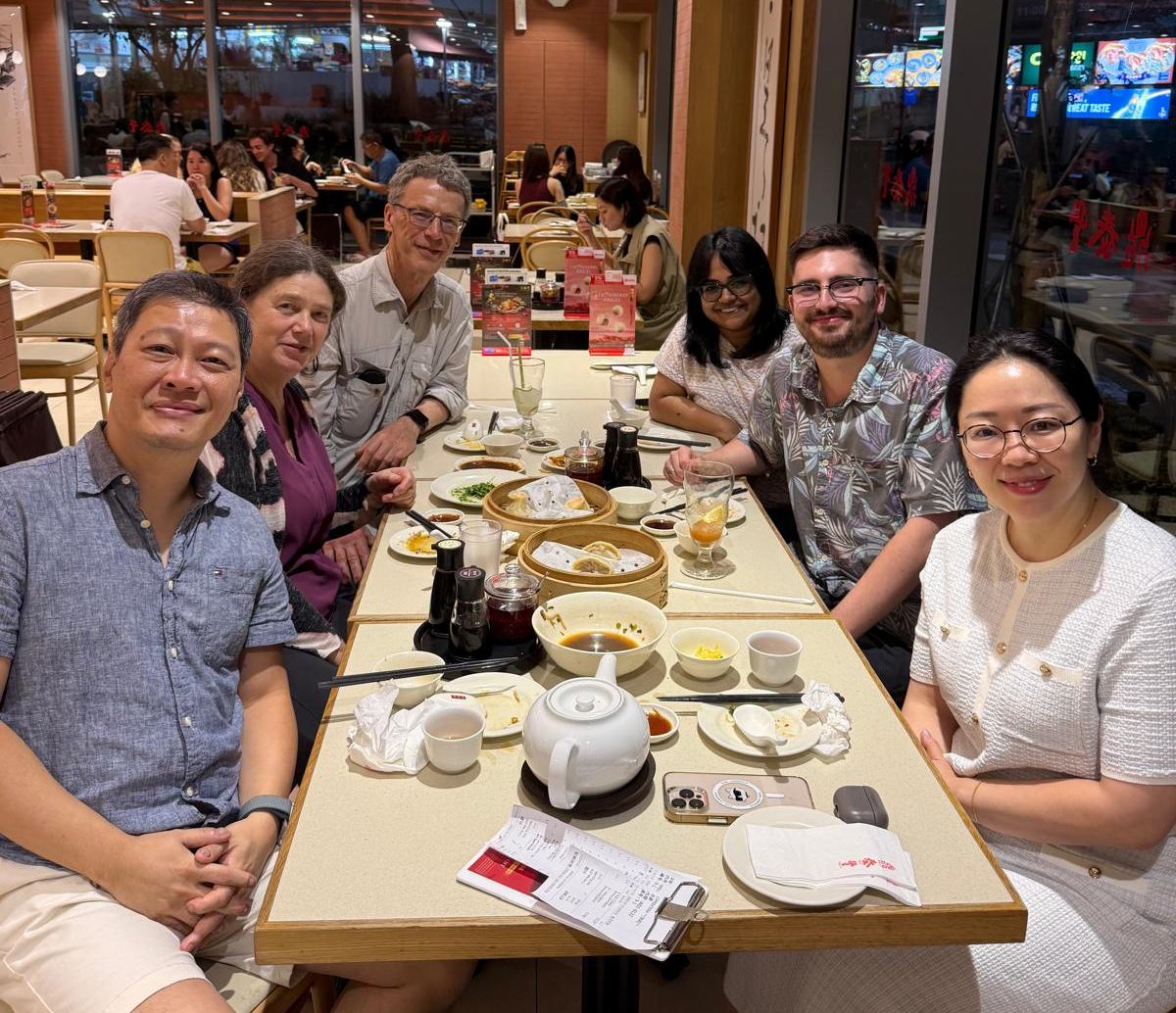
The Chan Lab is delighted to host visitor Norah Spears from U. Edinburgh!
The scientific exchange was fantastic and we deeply appreciated her sharing her scientific journey. It was both inspiring and humbling for our early career researchers!
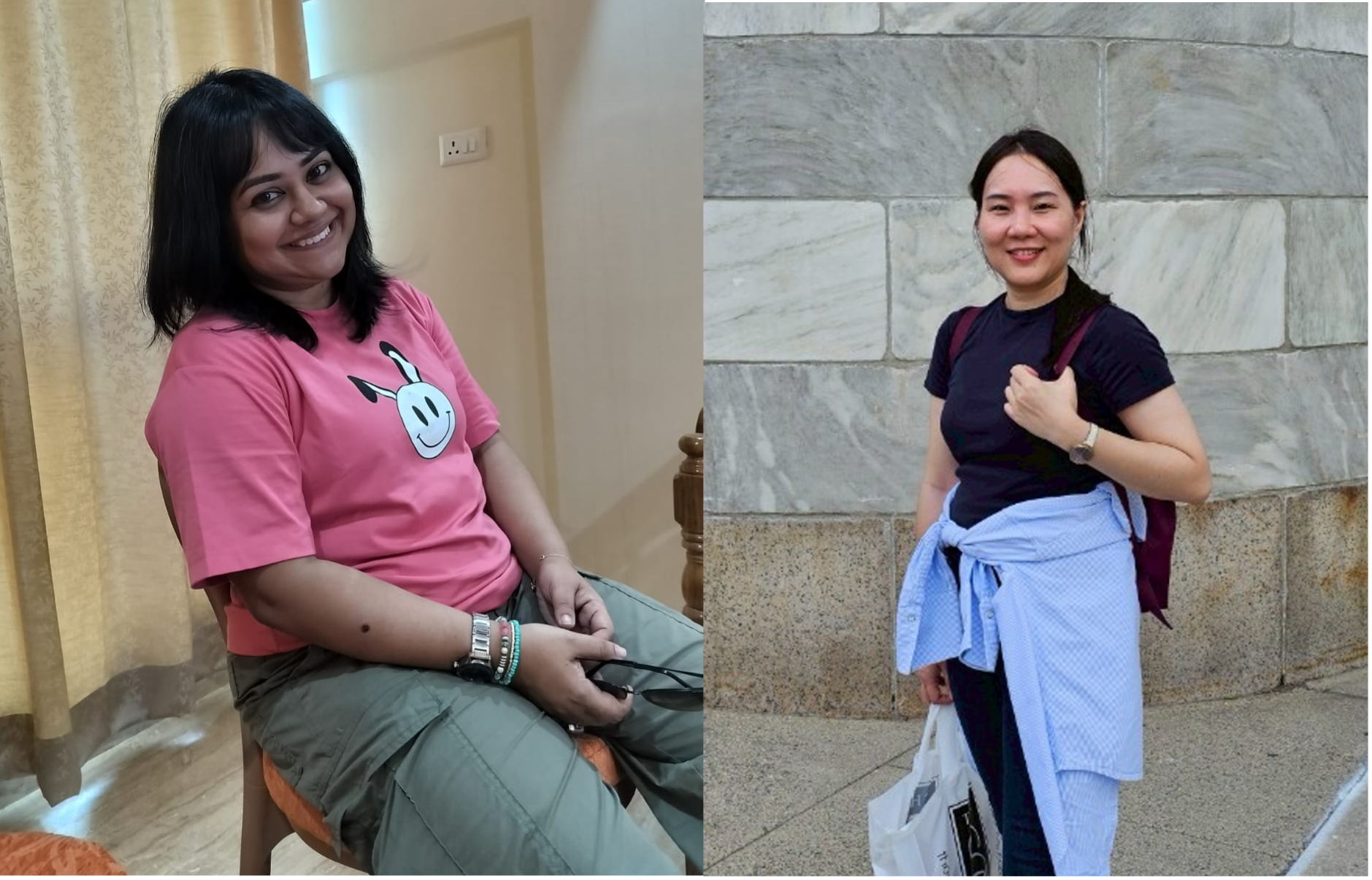
She is a Scientist: Confidence Formed by Curiosity Over Time
February 11th celebrates The International Day of Women and Girls in Science to promote full, equal access and participation in STEM fields. MBI talks to two of our posdoctoral research fellows about their career as a woman in science.
Wu Min
Collaborator
Research Areas
Endocytosis, Membrane traffic, Curvature, Actin cytoskeleton, Mechanotransduction
Research Interests
Dr Wu is interested in elucidating the principles underlying the organization and dynamics of the subcellular membrane compartments. Specifically her lab investigates how biological membranes are shaped through collective protein-lipid interactions and how geometry of the membrane compartment is coupled to cellular functions. The Wu Lab uses a combination of cell biological, biophysical and biochemical approaches to address these questions.
Biography
Dr Wu Min graduated from Peking University in China and received her bachelor degree in Chemistry. She did her graduate studies at Cornell University with Dr Barbara Baird, where she initiated the use of patterned lipid bilayers as antigen-presenting platforms and studied immune cell activation and signal transduction. During her post-doctoral research in the laboratory of Dr Pietro De Camilli at Yale School of Medicine, she focused on the molecular mechanisms of endocytosis. In 2011, she was awarded the NRF fellowship, joining CBIS/MBI in the fall.
Education
PhD Cornell University
Recent Publications
- Xiong D, Tong C, Fung SYS, McClellan S, Yang Y, Yong J, and Wu M. STIM1 and endoplasmic reticulum-plasma membrane contact sites oscillate independently of calcium-induced calcium release. Open Biol 2026; 16(3). [PMID: 41844235]
- Chua XL, Tong CS, Su M, Xǔ XJ, Xiao S, Wu X, and Wu M. Competition and synergy of Arp2/3 and formins in nucleating actin waves. Cell Rep 2024; 43(7):114423. [PMID: 38968072]
- Tong CS, Su M, Sun H, Chua XL, Xiong D, Guo S, Raj R, Ong NWP, Lee AG, Miao Y, and Wu M. Collective dynamics of actin and microtubule and its crosstalk mediated by FHDC1. Front Cell Dev Biol 2024; 11:1261117. [PMID: 38567385]
- Le Chua X, Tong CS, Xǔ XJ, Su M, Xiao S, Wu X, and Wu M. Competition and Synergy of Arp2/3 and Formins in Nucleating Actin Waves. bioRxiv 2023;. [PMID: 37745345]
- Su M, Zhuang Y, Miao X, Zeng Y, Gao W, Zhao W, and Wu M. Comparative Study of Curvature Sensing Mediated by F-BAR and an Intrinsically Disordered Region of FBP17. iScience 2020; 23(11):101712. [PMID: 33205024]
- Chen Y, Yong J, Martínez-Sánchez A, Yang Y, Wu Y, De Camilli P, Fernández-Busnadiego R, and Wu M. Dynamic instability of clathrin assembly provides proofreading control for endocytosis. J. Cell Biol. 2019;. [PMID: 31451612]
- . https://www.ncbi.nlm.nih.gov/pubmed/31390543
- Yong J, Chen Y, and Wu M. Real-Time Monitoring of Clathrin Assembly Kinetics in a Reconstituted System. Methods Mol. Biol. 2018; 1847:177-187. [PMID: 30129017]
- Yang Y, and Wu M. Rhythmicity and waves in the cortex of single cells. Philos. Trans. R. Soc. Lond., B, Biol. Sci. 2018; 373(1747). [PMID: 29632268]
- McPherson PS, and Wu M. Light, space, and time in cancer signaling. Mol. Biol. Cell 2018; 29(6):688. [PMID: 29535172]
Lab Members
Nicholas Chan Zhen Woon
Research Fellow, Yan Jie Group
Disrupted Cell-Matrix Interactions Drives Aging and Reveals New Paths for Skin Regeneration
Researchers from the Li Lab discover how α5-integrin–FN interactions preserve dermal integrity, offering new insights for antiaging strategies targeting ECM organization and fibroblast function.
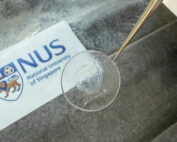
DECIPHERing the Role of Cell-Matrix Interactions in Ageing Heart Health
Researchers from the Soft Nano-Biomaterials Lab at MBI developed a material system to enable precise investigation into how individual ECM properties affect cultured heart cells.
Seeking Postdoctoral Research Fellow in the research group of Dr. Tsuyoshi Hirashima at the Mechanobiology Institute, NUS
We are seeking to recruit a Postdoctoral Research Fellow in the research group of Dr. Tsuyoshi Hirashima at the Mechanobiology Institute, NUS.
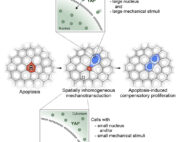
How Dying Cells Signal Growth: Mechanical Forces Drive Targeted Cell Proliferation after Apoptosis
Researchers from the Toyama Lab at MBI reveal how mechanical factors control apoptosis and cell replacement.
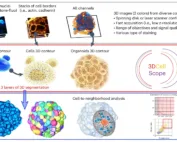
Scientists Develop AI-Driven Tool to Map 3D Cellular Landscapes
Researchers from the Beghin Lab at the Mechanobiology Institute, NUS combine DeepStar3D algorithm and 3DCellScope interface to develop an experimental tool for real-time interaction with cell data.
Seeking Research Assistant in Transmission Electron Microscopy at the Mechanobiology Institute, NUS
We are seeking a Research Assistant in Transmission Electron Microscopy (TEM) at the Mechanobiology Institute, NUS
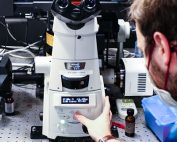
Seeking Research Fellow in Transmission Electron Microscopy at the Mechanobiology Institute, NUS
We are seeking a Research Fellow in Transmission Electron Microscopy at the Mechanobiology Institute, NUS

Hu Yuqi
Research Assistant, Yu Group
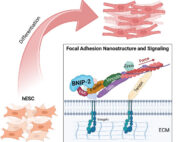
The Nano-Heartbuilder: BNIP-2 Influences Mechanosensing in Cardiomyoblast Differentiation
Researchers from the Low Lab at MBI discover a crucial role for the scaffold protein BNIP-2 in orchestrating focal adhesion dynamics during early heart development, offering new insights into heart regeneration strategies.
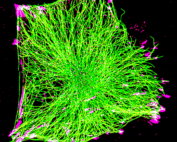
Shedding Light on Local Microtubule Regulation of Focal Adhesions
Researchers from the Bershadsky Lab at MBI utilized optogenetics to unlock the role of microtubules in regulating focal adhesion disassembly, an important step in cell migration. http://www.mbi.nus.edu.sg/featured-research/microtubules-and-cell-movement-a-closer-look-at-focal-adhesion-disassembly
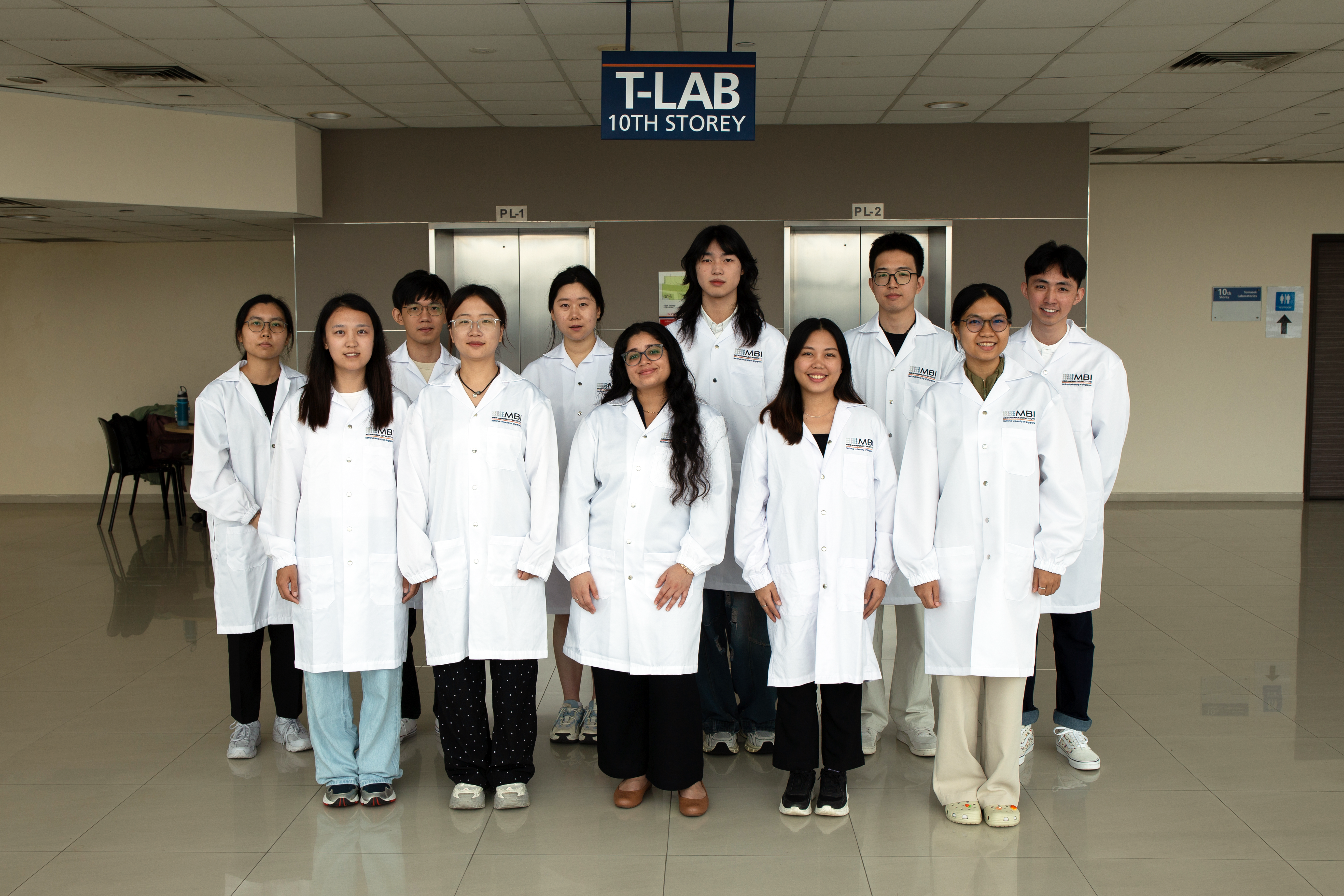
A Warm Welcome to the 2025 Ph.D Cohort!
MBI is delighted to welcome the 2025 cohort of Ph.D students. Coming from a rich tapestry of countries – China, Vietnam, Singapore, India and the Philippines – these eleven outstanding individuals bring with them interdisciplinary expertise and fresh perspectives that will enrich MBI’s vibrant research community.