

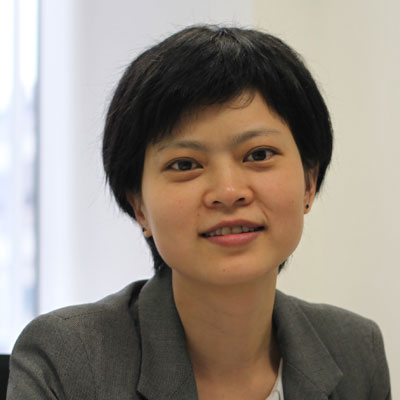
WU Min
Collaborator, Mechanobiology Institute, National University of Singapore
dbswum@nus.edu.sg
+65 6601 2310
CBIS Blk S1A, Level 2 Lee Wee Kheng Bldg
National University of Singapore
14 Science Drive 4
Singapore 117557
Laboratory website
Wu Lab Deconstructing the Endocytic Machinery
Research Program
The Cell-Matrix and Cell-Cell Mechanotransduction Group
Affiliations
Department of Biological Sciences, National University of Singapore

Seeking Postdoctoral Research Fellow in the Vascular Mechano-medicine Lab led by Dr. Shailaja Seetharaman at the Mechanobiology Institute, NUS
We are seeking to recruit a Postdoctoral Research Fellow in the research group of Dr. Shailaja Seetharaman at the Mechanobiology Institute and Department of Physiology at the Yong Loo Lin School of Medicine, NUS.
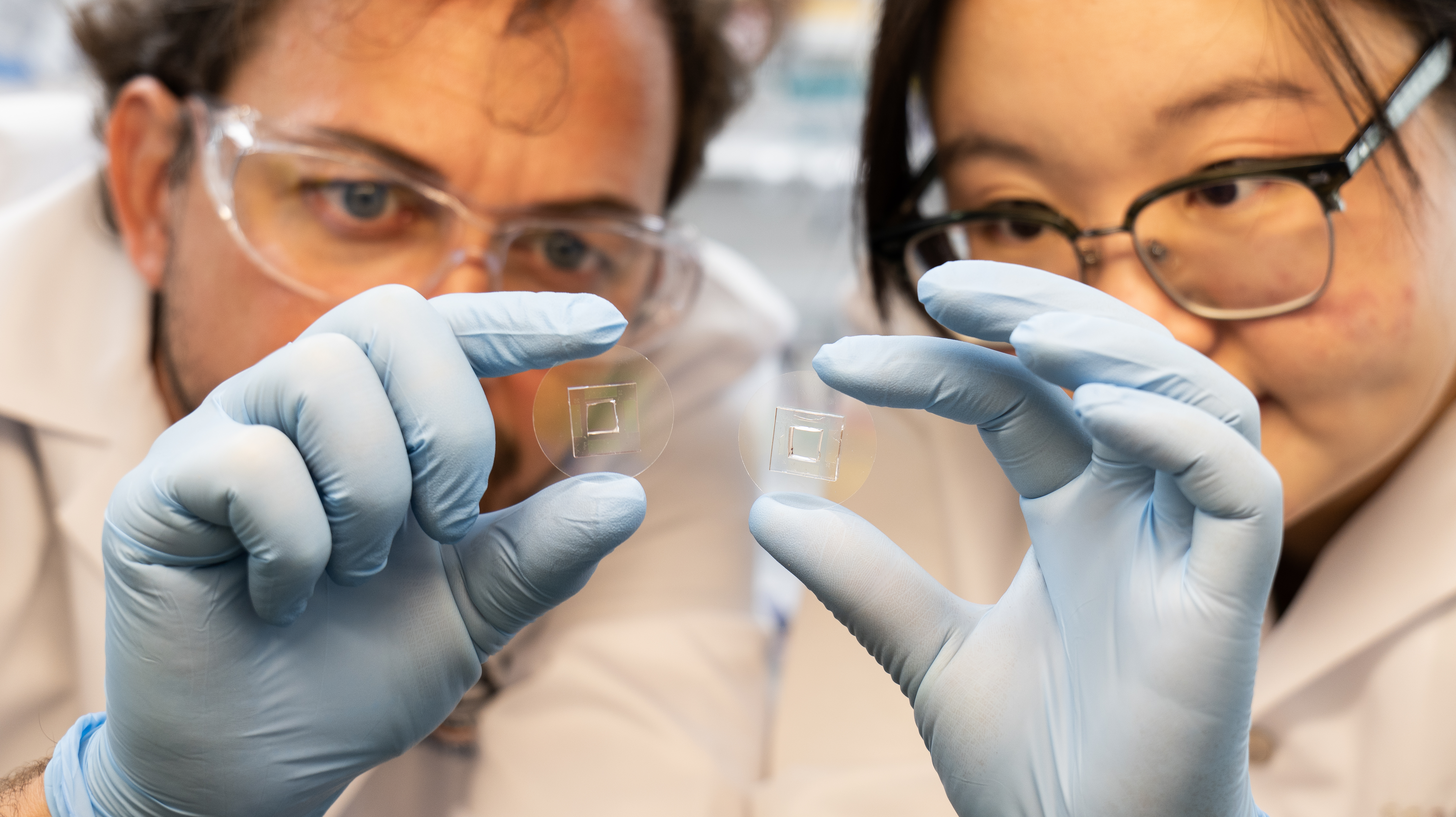
A Cell Never Forgets: How Prior Environments Affect Confined Cell Migration
Researchers from the Holle Lab at the Mechanobiology Institute, NUS discover that cells retain mechanical memory that influences subsequent migration despite environmental changes, suggesting broader implications for understanding wound healing, fibrosis and cancer metastasis.
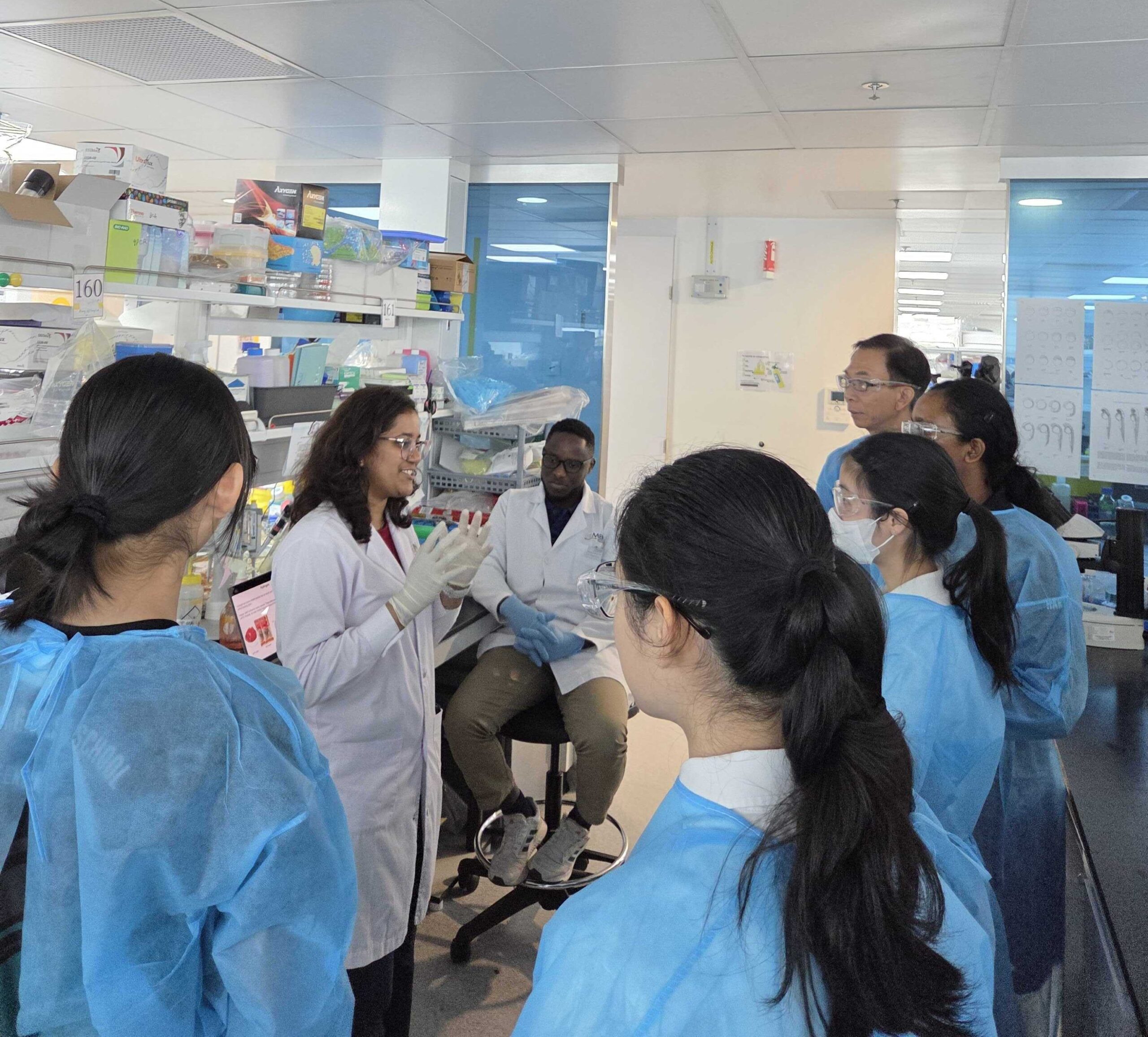
The Young Lab Welcome Visitors from Raffles Girls’ School!
The Young Lab hosted visitors from Raffles Girls' School as part of MBI's outreach event.
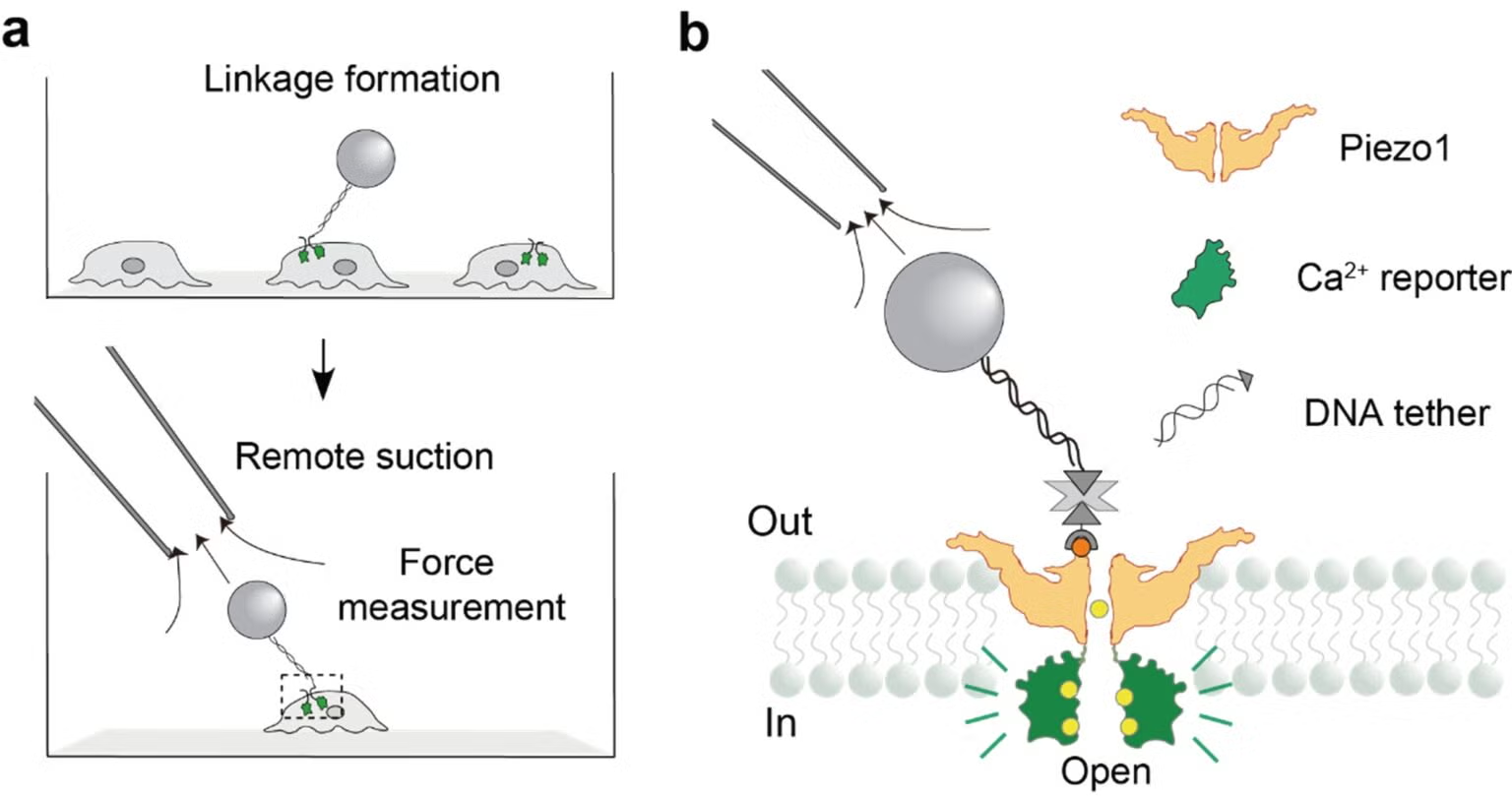
Force sensing in cells at the single molecule level
Professor Yan Jie and his team from the Mechanobiology Institute collaborated with Professor Liu Xiaogang from the Department of Chemistry, NUS, to determine the exact force needed to activate Piezo1, via a DNA-based approach.
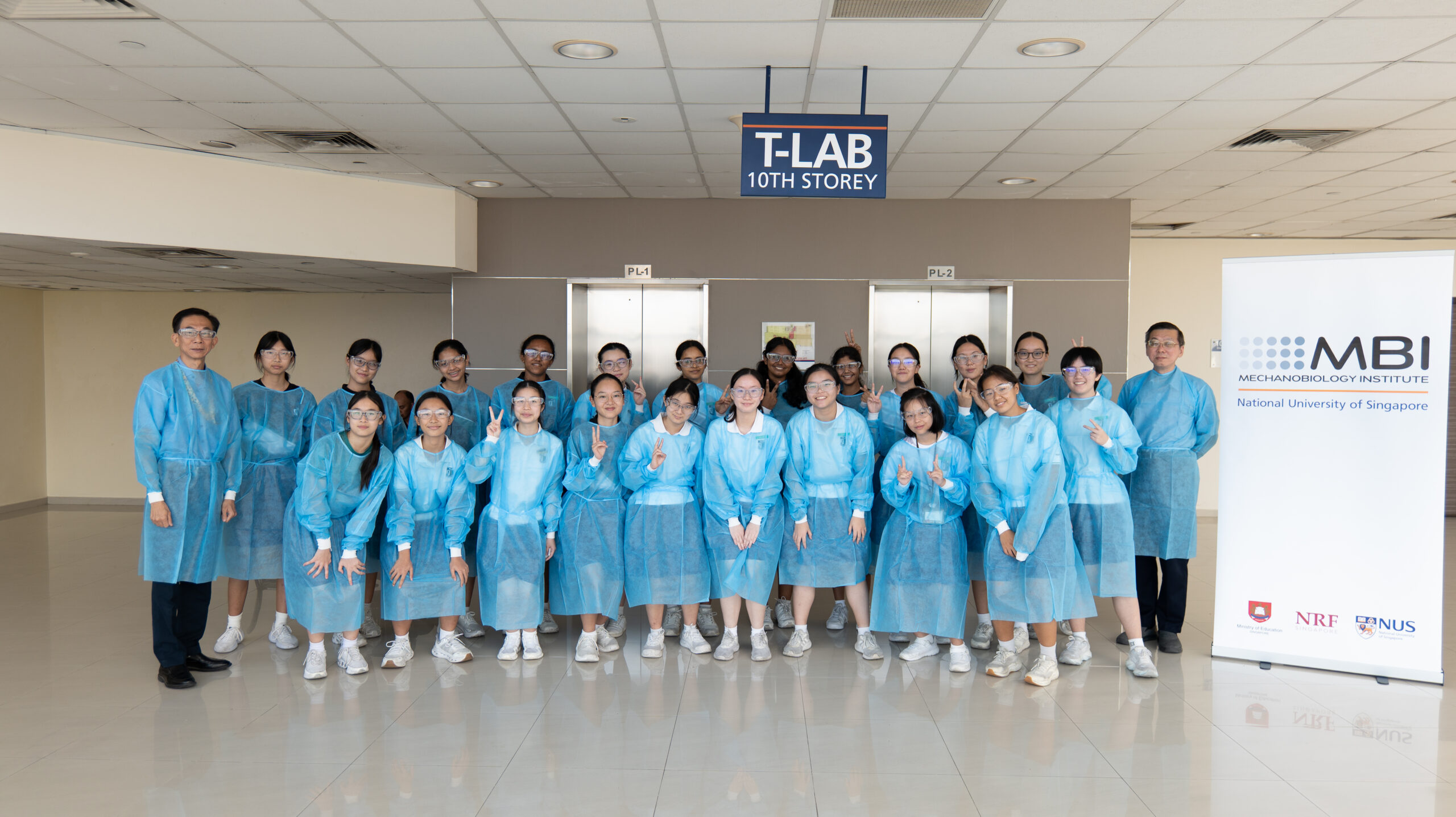
MBI Hosts Students from Raffles Girls School!
MBI hosted students from Raffles Girls School on 28 April 2026, for an outreach session designed to spark curiosity about mechanobiology and research careers.
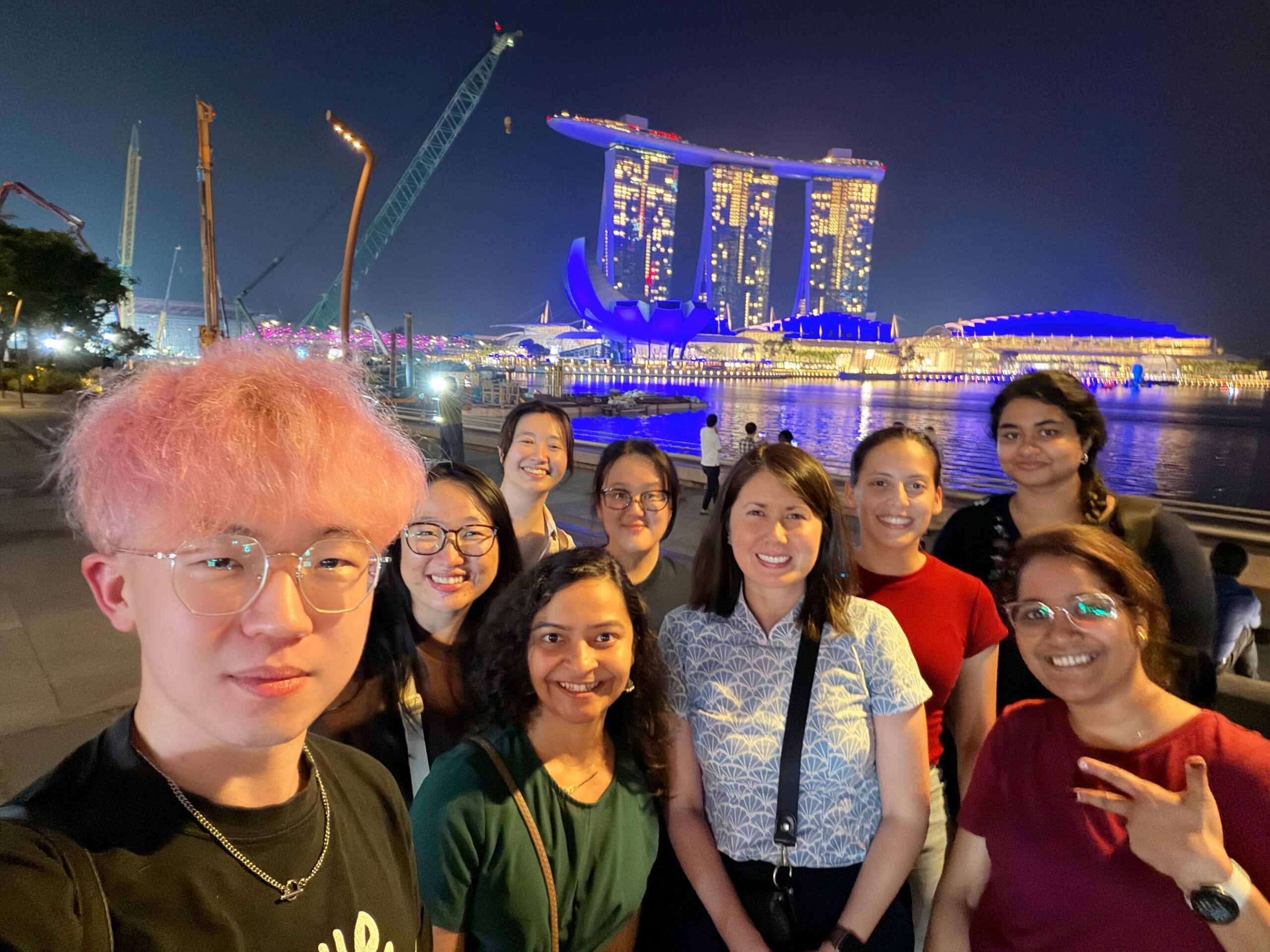
Farewell Avery, All the Best!
Farewell to Dr. Avery Rui Sun, a former PhD student at the Young Lab from 2021-2026!
Wu Min
Collaborator
Research Areas
Endocytosis, Membrane traffic, Curvature, Actin cytoskeleton, Mechanotransduction
Research Interests
Dr Wu is interested in elucidating the principles underlying the organization and dynamics of the subcellular membrane compartments. Specifically her lab investigates how biological membranes are shaped through collective protein-lipid interactions and how geometry of the membrane compartment is coupled to cellular functions. The Wu Lab uses a combination of cell biological, biophysical and biochemical approaches to address these questions.
Biography
Dr Wu Min graduated from Peking University in China and received her bachelor degree in Chemistry. She did her graduate studies at Cornell University with Dr Barbara Baird, where she initiated the use of patterned lipid bilayers as antigen-presenting platforms and studied immune cell activation and signal transduction. During her post-doctoral research in the laboratory of Dr Pietro De Camilli at Yale School of Medicine, she focused on the molecular mechanisms of endocytosis. In 2011, she was awarded the NRF fellowship, joining CBIS/MBI in the fall.
Education
PhD Cornell University
Recent Publications
- Xiong D, Tong C, Fung SYS, McClellan S, Yang Y, Yong J, and Wu M. STIM1 and endoplasmic reticulum-plasma membrane contact sites oscillate independently of calcium-induced calcium release. Open Biol 2026; 16(3). [PMID: 41844235]
- Chua XL, Tong CS, Su M, Xǔ XJ, Xiao S, Wu X, and Wu M. Competition and synergy of Arp2/3 and formins in nucleating actin waves. Cell Rep 2024; 43(7):114423. [PMID: 38968072]
- Tong CS, Su M, Sun H, Chua XL, Xiong D, Guo S, Raj R, Ong NWP, Lee AG, Miao Y, and Wu M. Collective dynamics of actin and microtubule and its crosstalk mediated by FHDC1. Front Cell Dev Biol 2024; 11:1261117. [PMID: 38567385]
- Le Chua X, Tong CS, Xǔ XJ, Su M, Xiao S, Wu X, and Wu M. Competition and Synergy of Arp2/3 and Formins in Nucleating Actin Waves. bioRxiv 2023;. [PMID: 37745345]
- Su M, Zhuang Y, Miao X, Zeng Y, Gao W, Zhao W, and Wu M. Comparative Study of Curvature Sensing Mediated by F-BAR and an Intrinsically Disordered Region of FBP17. iScience 2020; 23(11):101712. [PMID: 33205024]
- Chen Y, Yong J, Martínez-Sánchez A, Yang Y, Wu Y, De Camilli P, Fernández-Busnadiego R, and Wu M. Dynamic instability of clathrin assembly provides proofreading control for endocytosis. J. Cell Biol. 2019;. [PMID: 31451612]
- . https://www.ncbi.nlm.nih.gov/pubmed/31390543
- Yong J, Chen Y, and Wu M. Real-Time Monitoring of Clathrin Assembly Kinetics in a Reconstituted System. Methods Mol. Biol. 2018; 1847:177-187. [PMID: 30129017]
- Yang Y, and Wu M. Rhythmicity and waves in the cortex of single cells. Philos. Trans. R. Soc. Lond., B, Biol. Sci. 2018; 373(1747). [PMID: 29632268]
- McPherson PS, and Wu M. Light, space, and time in cancer signaling. Mol. Biol. Cell 2018; 29(6):688. [PMID: 29535172]
Lab Members

WANG Liyue
PhD Student, Class of August 2025, Yan Jie Group

She is Becoming: Curiosity, Comparison and the Making of a Scientist
February 11th celebrates The International Day of Women and Girls in Science to promote full, equal access and participation in STEM fields. MBI talks to two of our PhD students about their journey in becoming a scientist as women.
How Structural Imbalance Drives Inflammatory Signaling in Senescent Cells
In a study published in Molecular Biology of the Cell led by Celestine Ho at the Mechanobiology Institute, NUS, researchers discover that HIF-1α-activation in SASP is a defining feature of the SASP induced by diverse stressors, acting independently of micronuclei generation and cGAS/STING activation.

Chin Sze Khen
Research Assistant, Yu Group
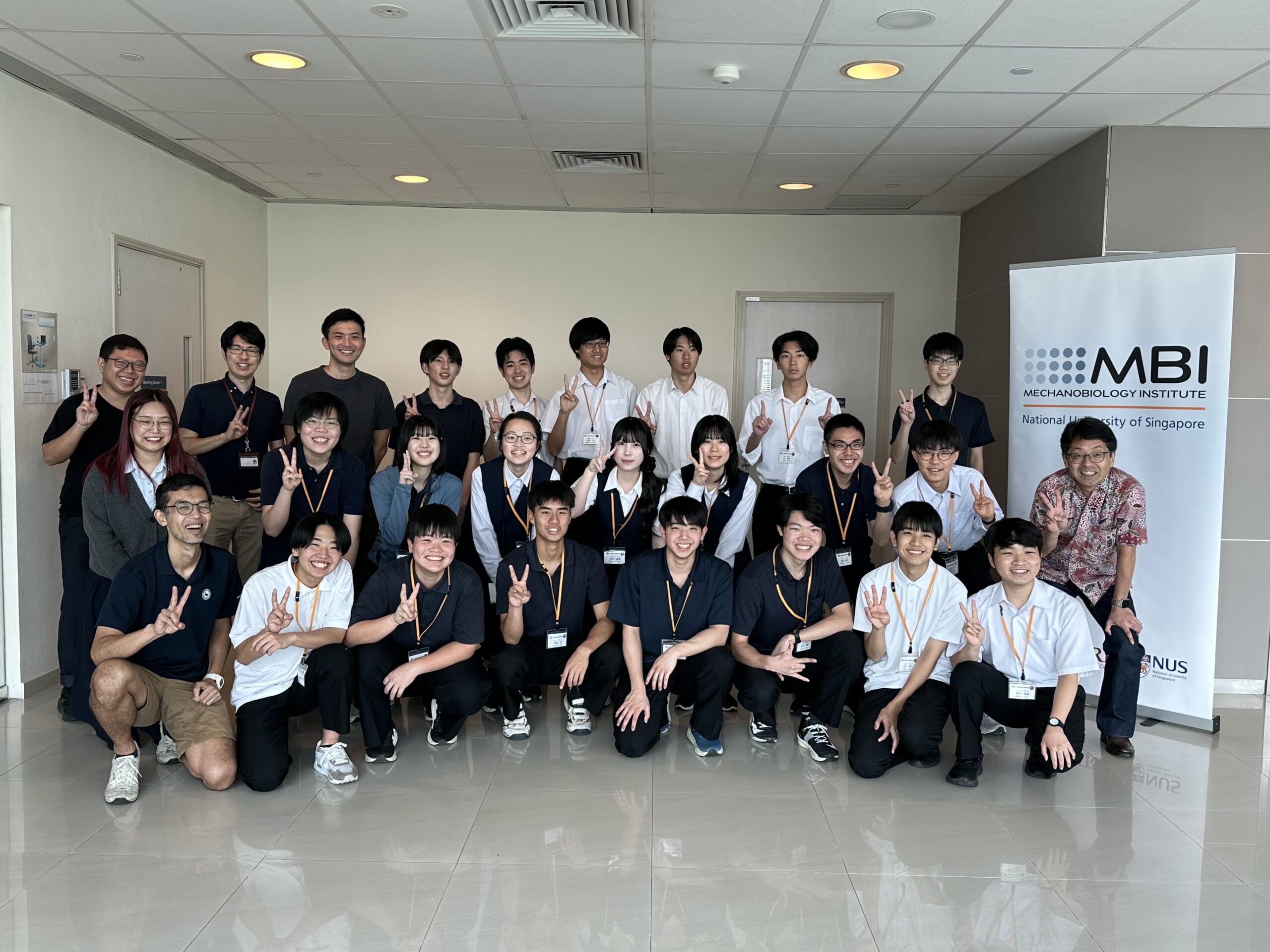
MBI Hosts Students from Sakura High School!
MBI hosted students from Sakura High School, Chiba, Japan on 22nd January 2026 for an outreach session designed to spark curiosity about mechanobiology and research careers.
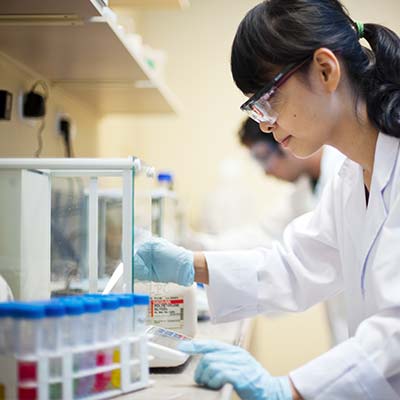
Seeking Research Assistant in the Young Laboratory, Mechanobiology Institute, NUS
The Mechanobiology Institute, NUS seeks to recruit a Research Assistant to join us in the research group of Asst. Prof. Jennifer Young.
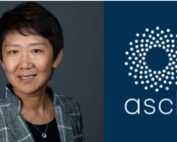
Beyond the Trend: Creating the Next Frontier in Cell Biology
Beyond the Trend: Creating the Next Frontier in Cell Biology. A message from Prof. Rong Li, MBI Director and 2026 President of the American Society for Cell Biology.
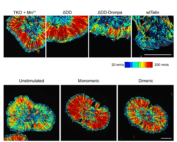
Violet vs. Blue: Controlling Mechanotransduction with a Single-protein Light Switch
In a study published in the Journal of Cell Science, led by Ryosuke Nishimura at the Mechanobiology Institute, NUS, researchers developed an optogenetic tool to precisely manipulate talin’s structure and observe the resulting cellular behavior.

Yiwen Zhu
Research Fellow, Yu Group

Brandon Goh Yeow Wee
Research Fellow, Seetharaman Group

Hana Maldivita Tambrin
Research Fellow, Seetharaman Group
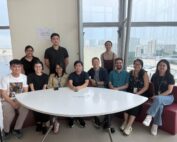
Congratulations to Boon Heng for successfully defending his thesis!
Our heartfelt congratulations to Boon Heng!

