

Shen Xingyu
PhD Student, Class of January 2021, Li Group, Young Group

Sun Yuze
PhD Student, Class of January 2021, Yan Jie Group
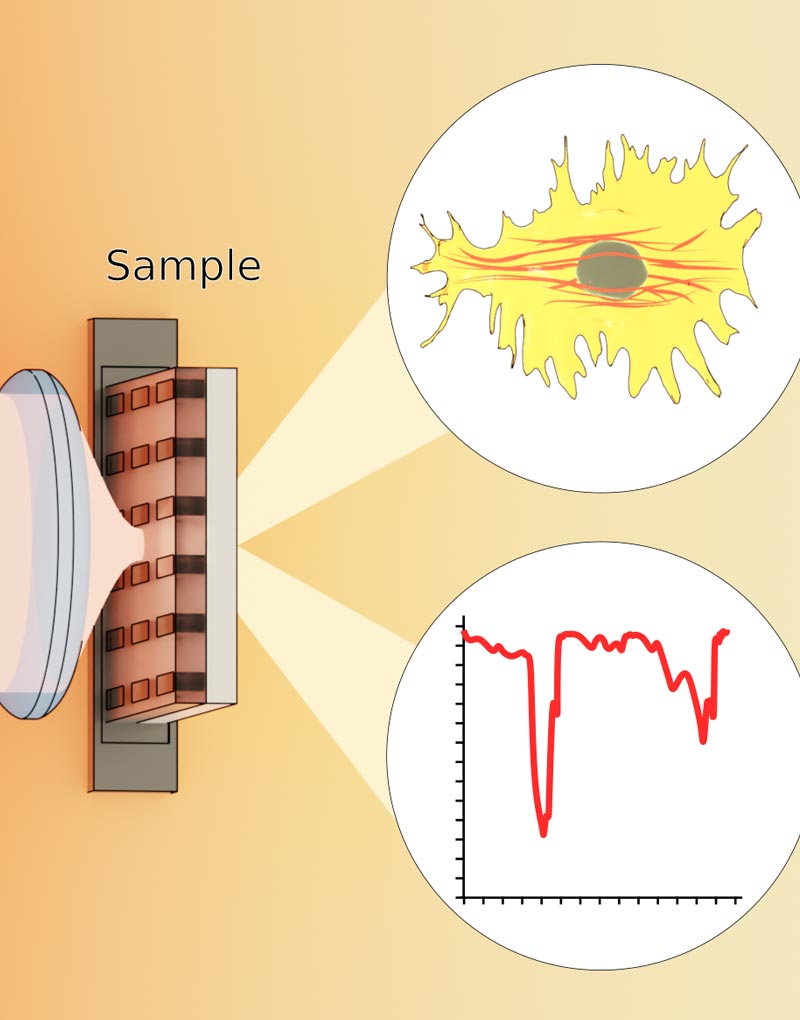
The rise of spectro-microscopes
A recent study from the Grenci Lab at the Mechanobiology Institute, National University of Singapore has described a new, highly-sensitive IR spectroscopy technique that overcomes the limitations of existing techniques by utilizing optical components that are commonly used in existing visible light imaging techniques. Learn more
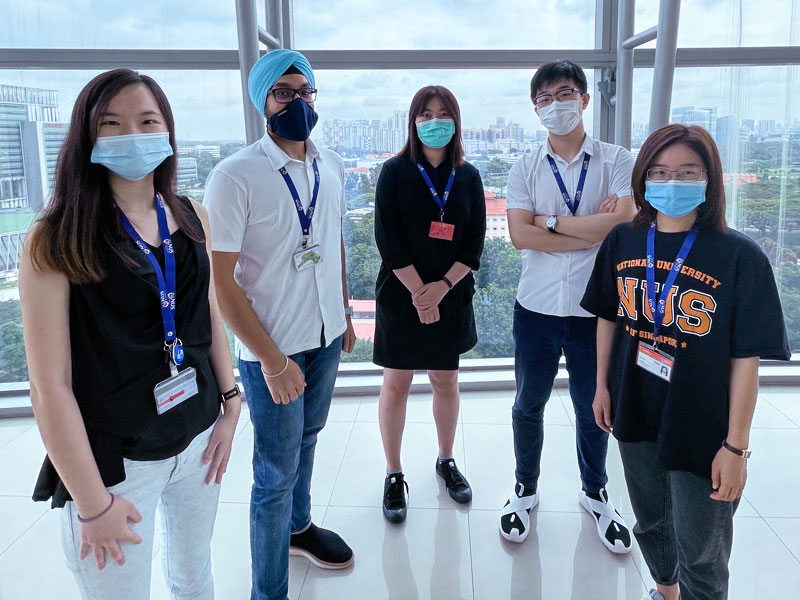
MBI welcomes new 2021 graduate students
The research community at MBI is delighted to welcome these new students in January 2021, when they will be starting their lab rotations, and planting the seeds for many exciting collaborative interdisciplinary research projects during their PhD.

Alokendra Ghosh
Schmidt AI in Science Postdoctoral Fellow, Li Group

Tan Zi Yi Rachel
Graduate Student, Low Group
Ding Wei Yung
Alumni
Principal Investigator
Research Interests
Cell-Matrix and Cell-Cell Mechanotransduction, Molecular Mechanisms of Mechanobiology
Wei Yung’s interest lies in understanding the sophistication of cells as robust machines. Using C. elegans, a 1mm nematode, as a model system, he investigates the cellular machinery underlying newly fertilized zygotes that drives critical force-dependent processes such as polarization and cytokinesis.
Biography
Wei Yung completed his Bachelor’s degree in Bioengineering (Second Class Upper) from the National University of Singapore in 2012. In his honors dissertation under the co-supervision of Professor James Goh and Professor Wong Hee Kit, he optimized the conditions required for the construction of interbody spinal fusion device using primary adipose stem cells seeded in a biodegradable polycaprolactone/tricalcium sulphate (PCL/TCP) scaffold. The work was presented in the Bioengineering Showcase 2012 and he was awarded the Best Poster Award. After he was enrolled in the Mechanobiology Graduate Program, he joined Dr. Zaidel-Bar’s Cell Adhesion and Morphogenesis Lab and is currently searching for novel genes involved in regulating C. elegans early embryogenesis.