


Shadame Yeo Shuet Ting
Research Apprentice, Low Group
Arulchelvan SO Vijayakumar
Research Assistant, Kanchanawong Group
Clarissa Bernice Quah
Alumni, Yu Group
Wang Haiyang
Senior Research Fellow, Li Group
The mechanical editor
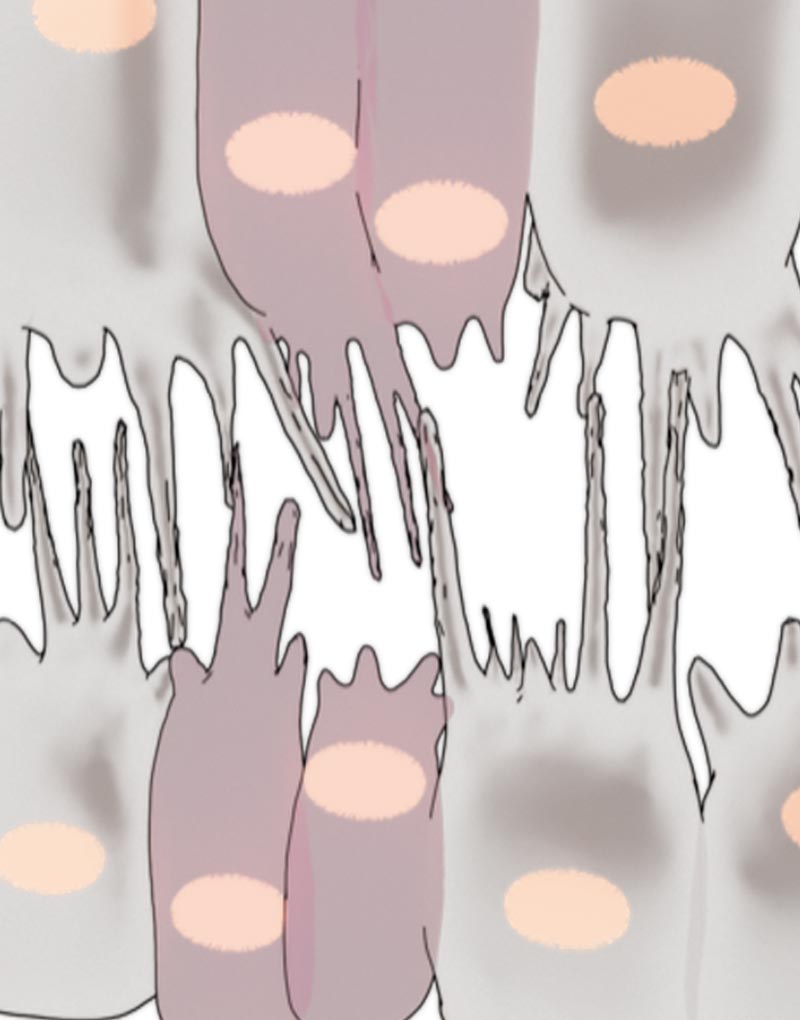
A recent study led by Dr. Shaobo Zhang and MBI Principal Investigator Associate Professor Timothy Saunders describes how periodic filopodial retraction caused by the contractile activity of transient Myosin II clusters at the cell leading edge ensures precise matching between primitive heart cells during heart development in Drosophila embryos. Learn more
A molecular brake
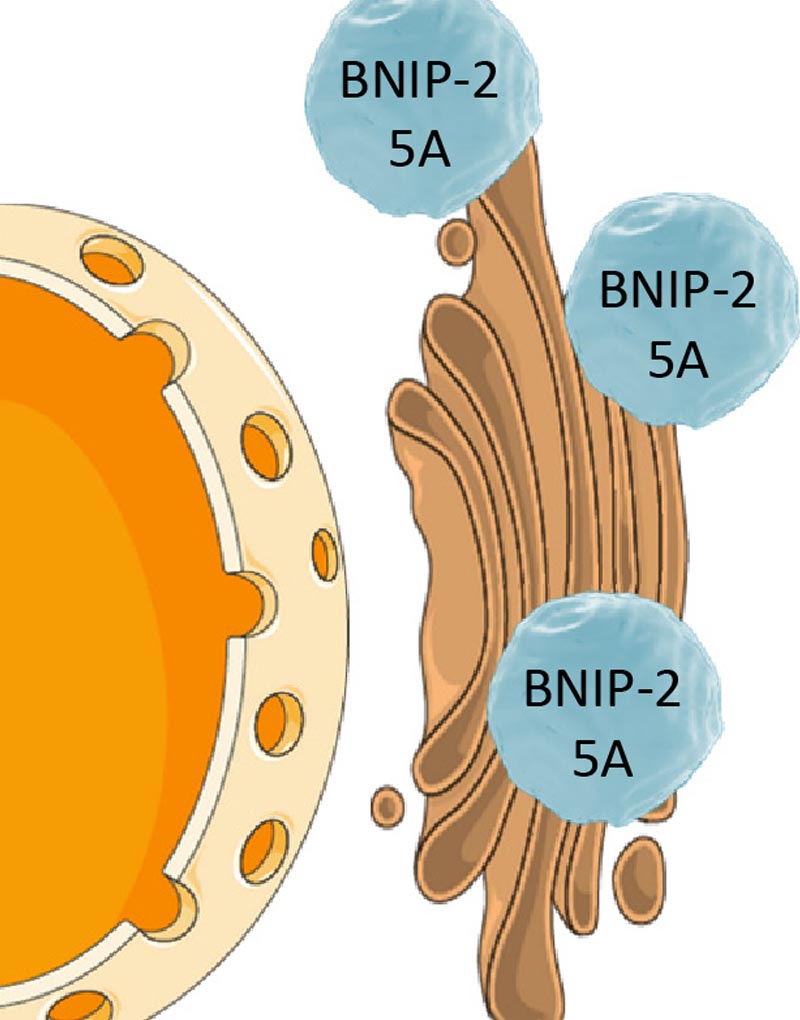
Recent study led by MBI Research Fellows Pan Meng and Ti Weng Chew and Principal Investigator Associate Professor Low Boon Chuan has revealed a role for BNIP-2 protein in scaffolding GEF-H1 and RhoA, following microtubule disassembly, and has described how this scaffolding is important for RhoA-dependent regulation of cell migration. Learn more
Ding Wei Yung
Alumni
Principal Investigator
Research Interests
Cell-Matrix and Cell-Cell Mechanotransduction, Molecular Mechanisms of Mechanobiology
Wei Yung’s interest lies in understanding the sophistication of cells as robust machines. Using C. elegans, a 1mm nematode, as a model system, he investigates the cellular machinery underlying newly fertilized zygotes that drives critical force-dependent processes such as polarization and cytokinesis.
Biography
Wei Yung completed his Bachelor’s degree in Bioengineering (Second Class Upper) from the National University of Singapore in 2012. In his honors dissertation under the co-supervision of Professor James Goh and Professor Wong Hee Kit, he optimized the conditions required for the construction of interbody spinal fusion device using primary adipose stem cells seeded in a biodegradable polycaprolactone/tricalcium sulphate (PCL/TCP) scaffold. The work was presented in the Bioengineering Showcase 2012 and he was awarded the Best Poster Award. After he was enrolled in the Mechanobiology Graduate Program, he joined Dr. Zaidel-Bar’s Cell Adhesion and Morphogenesis Lab and is currently searching for novel genes involved in regulating C. elegans early embryogenesis.