
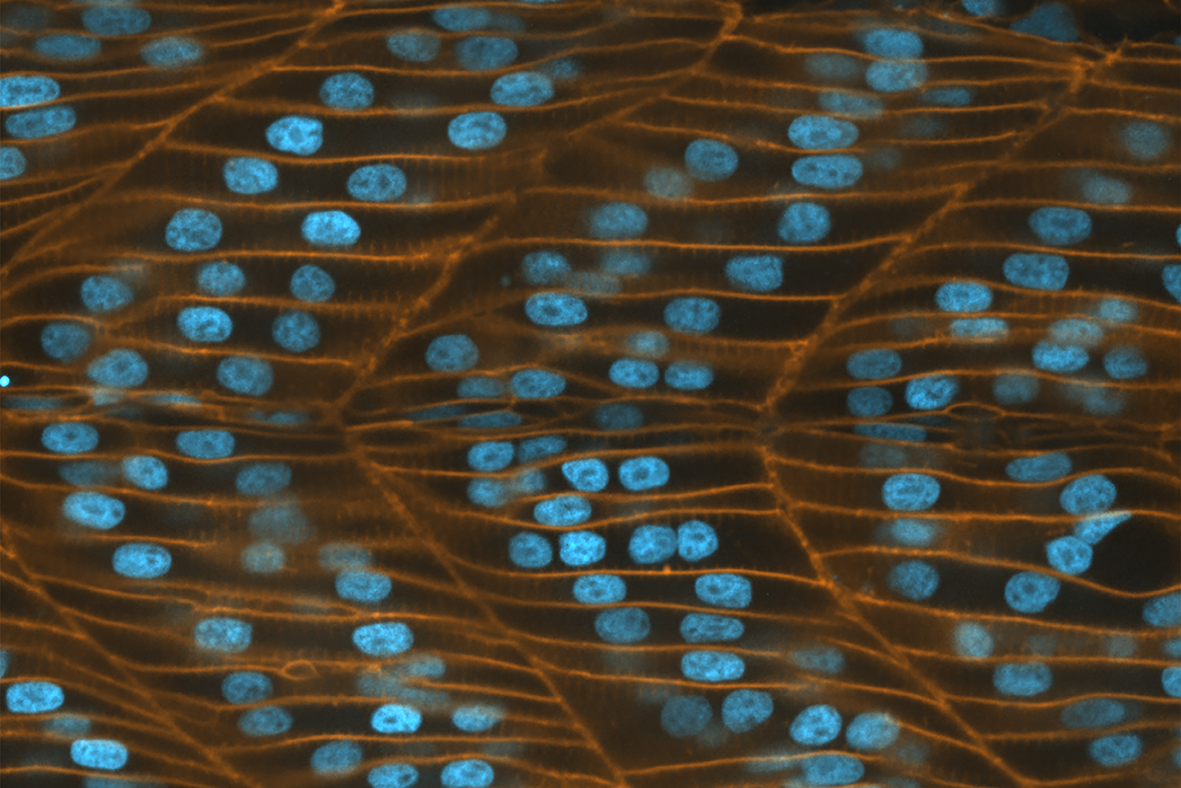
Guiding random events to create resilient patterns
A study from the Saunders lab uncovers how random cell fusion events during muscle development are regulated at the tissue level to ensure correct patterning of the muscle architecture. Learn more
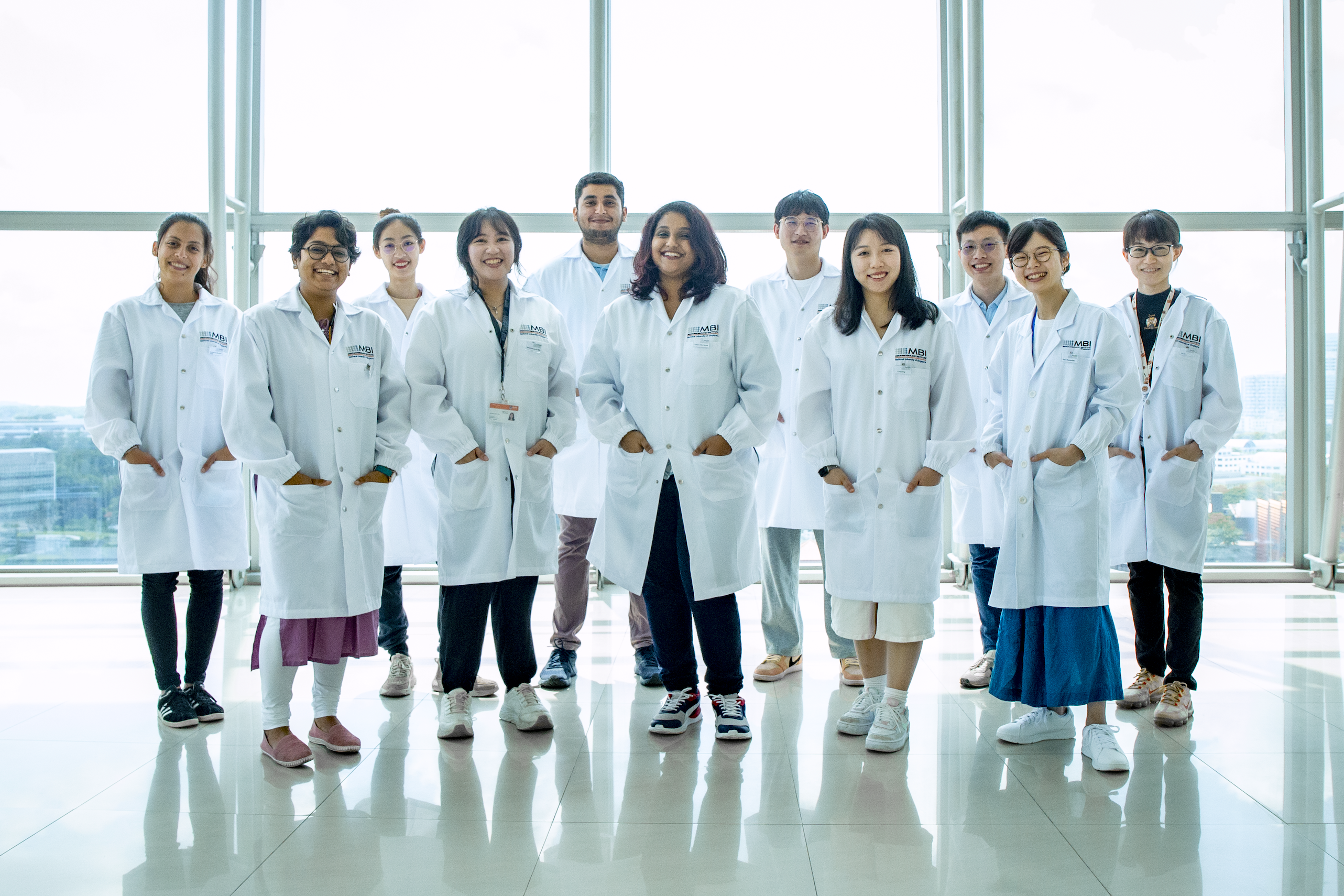
MBI welcomes August 2022 Ph.D. Students
MBI receives 11 new Ph.D. students for the MBI Programme in Mechanobiology, a rigorous four-year graduate programme focused on mechanobiology, biophysics and bioengineering.

Farewell to Hugo Raveton
It’s been a great privilege to have Hugo Raveton with us from Jan - July 2022. All the best to your future endeavour!
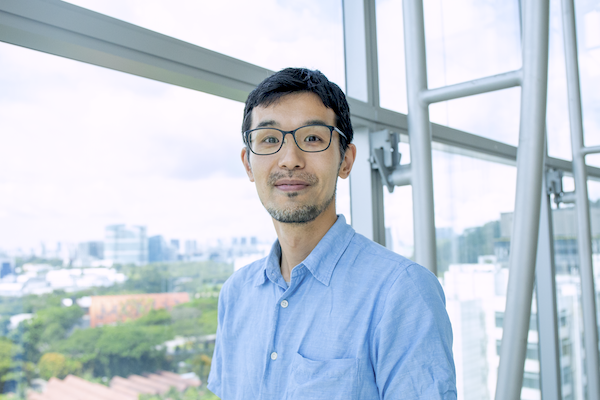
MBI welcomes new PI Tsuyoshi Hirashima
MBI is pleased to receive Dr. Tsuyoshi Hirashima as a new Principal Investigator, with a joint-appointment as a Research Assistant Professor in the Department of Physiology, NUS School of Medicine.
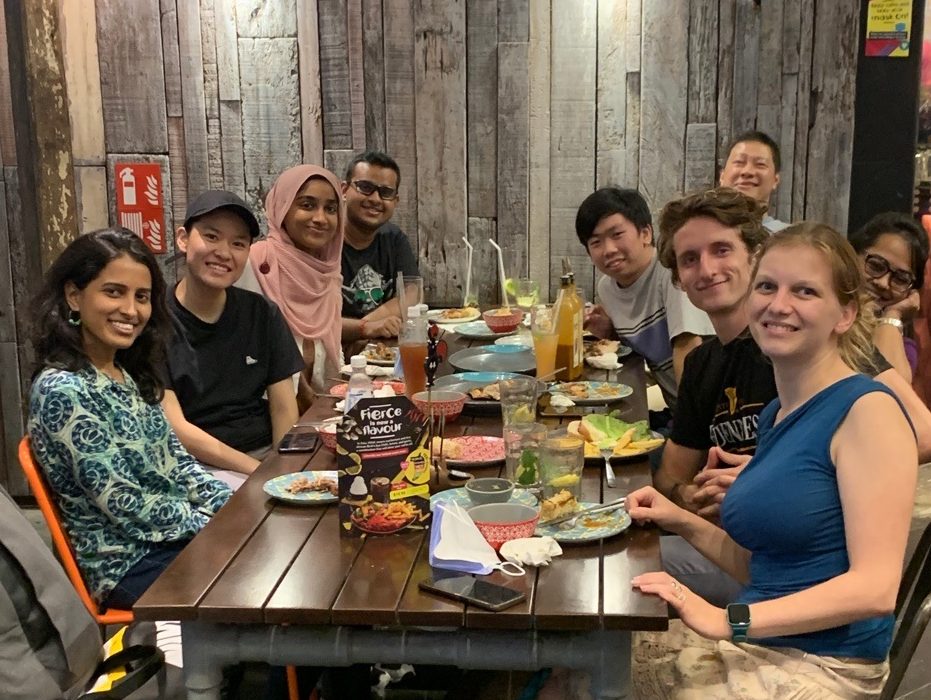
Chan Lab dinner and welcoming interns!
Finally, the lab dinner that is long overdue :) And a warm welcome to the summer interns!
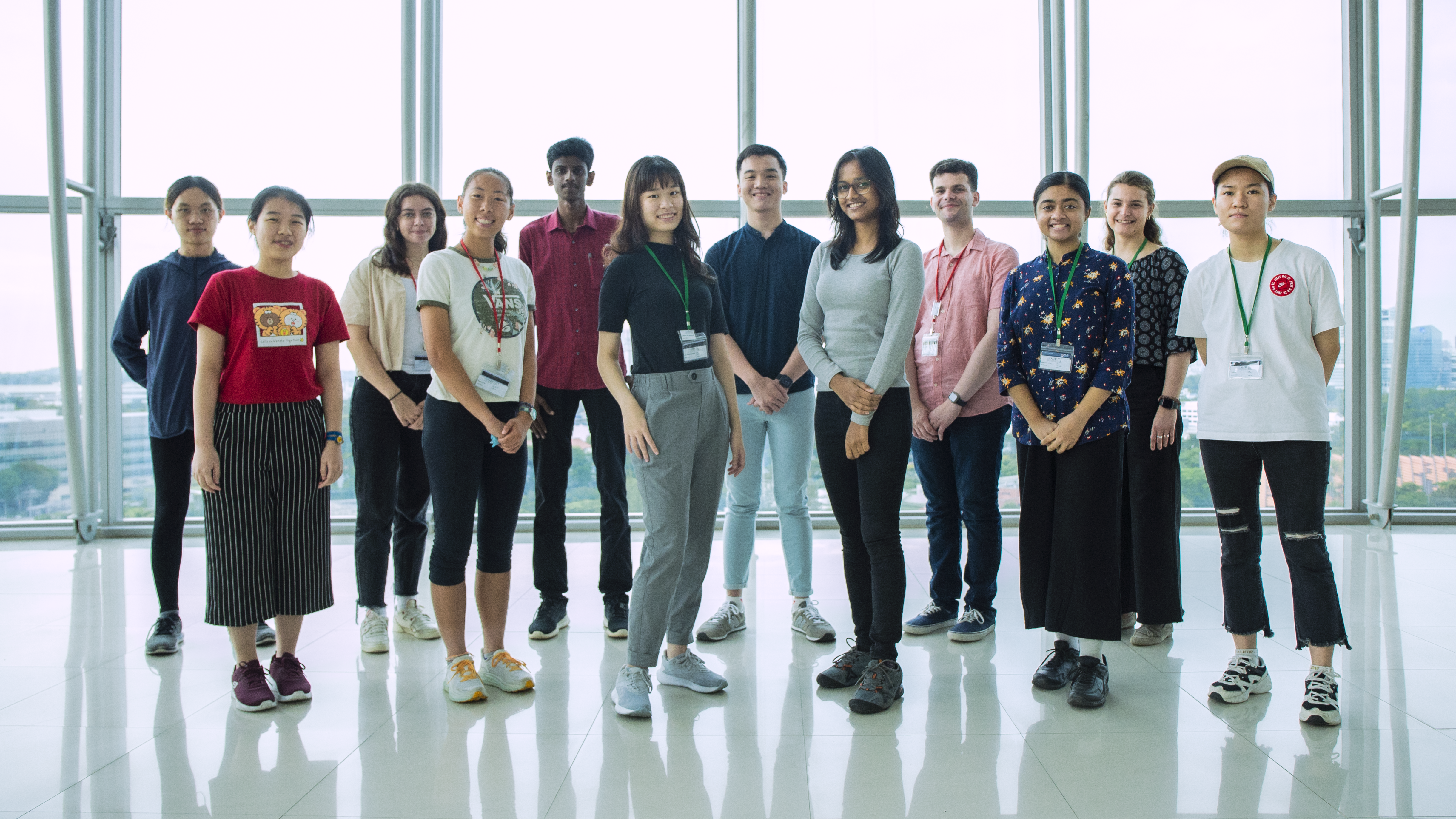
MBI welcomes MUST 2022 Interns
MBI hosts 12 new interns for the MBI Undergraduate Summer Training (MUST) Programme, a 2-month internship exploring mechanobiology.
Ding Wei Yung
Alumni
Principal Investigator
Research Interests
Cell-Matrix and Cell-Cell Mechanotransduction, Molecular Mechanisms of Mechanobiology
Wei Yung’s interest lies in understanding the sophistication of cells as robust machines. Using C. elegans, a 1mm nematode, as a model system, he investigates the cellular machinery underlying newly fertilized zygotes that drives critical force-dependent processes such as polarization and cytokinesis.
Biography
Wei Yung completed his Bachelor’s degree in Bioengineering (Second Class Upper) from the National University of Singapore in 2012. In his honors dissertation under the co-supervision of Professor James Goh and Professor Wong Hee Kit, he optimized the conditions required for the construction of interbody spinal fusion device using primary adipose stem cells seeded in a biodegradable polycaprolactone/tricalcium sulphate (PCL/TCP) scaffold. The work was presented in the Bioengineering Showcase 2012 and he was awarded the Best Poster Award. After he was enrolled in the Mechanobiology Graduate Program, he joined Dr. Zaidel-Bar’s Cell Adhesion and Morphogenesis Lab and is currently searching for novel genes involved in regulating C. elegans early embryogenesis.