

A Cell Never Forgets: How Prior Environments Affect Confined Cell Migration
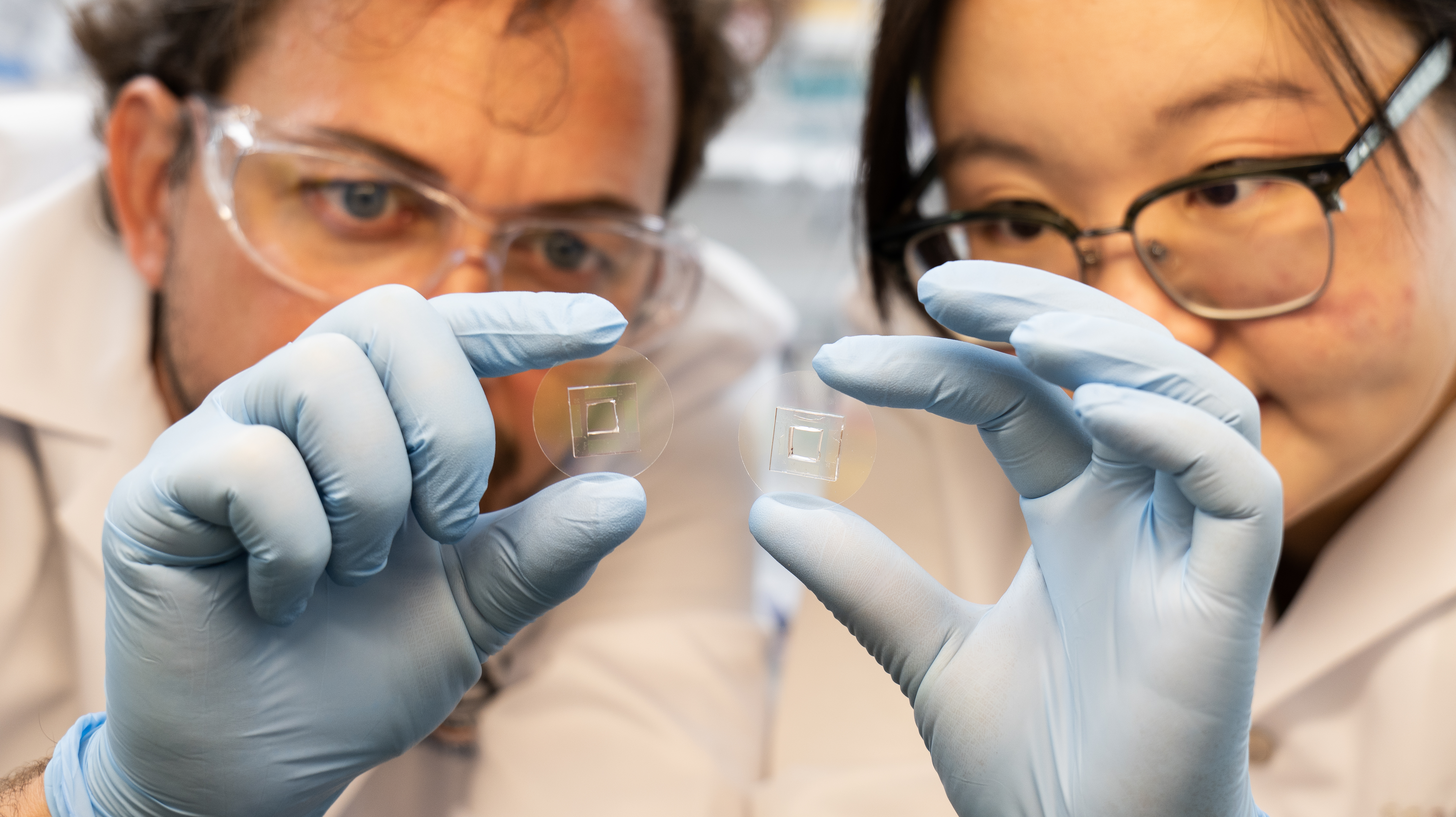
Researchers from the Holle Lab at the Mechanobiology Institute, NUS discover that cells retain mechanical memory that influences subsequent migration despite environmental changes, suggesting broader implications for understanding wound healing, fibrosis and cancer metastasis.
The Young Lab Welcome Visitors from Raffles Girls’ School!
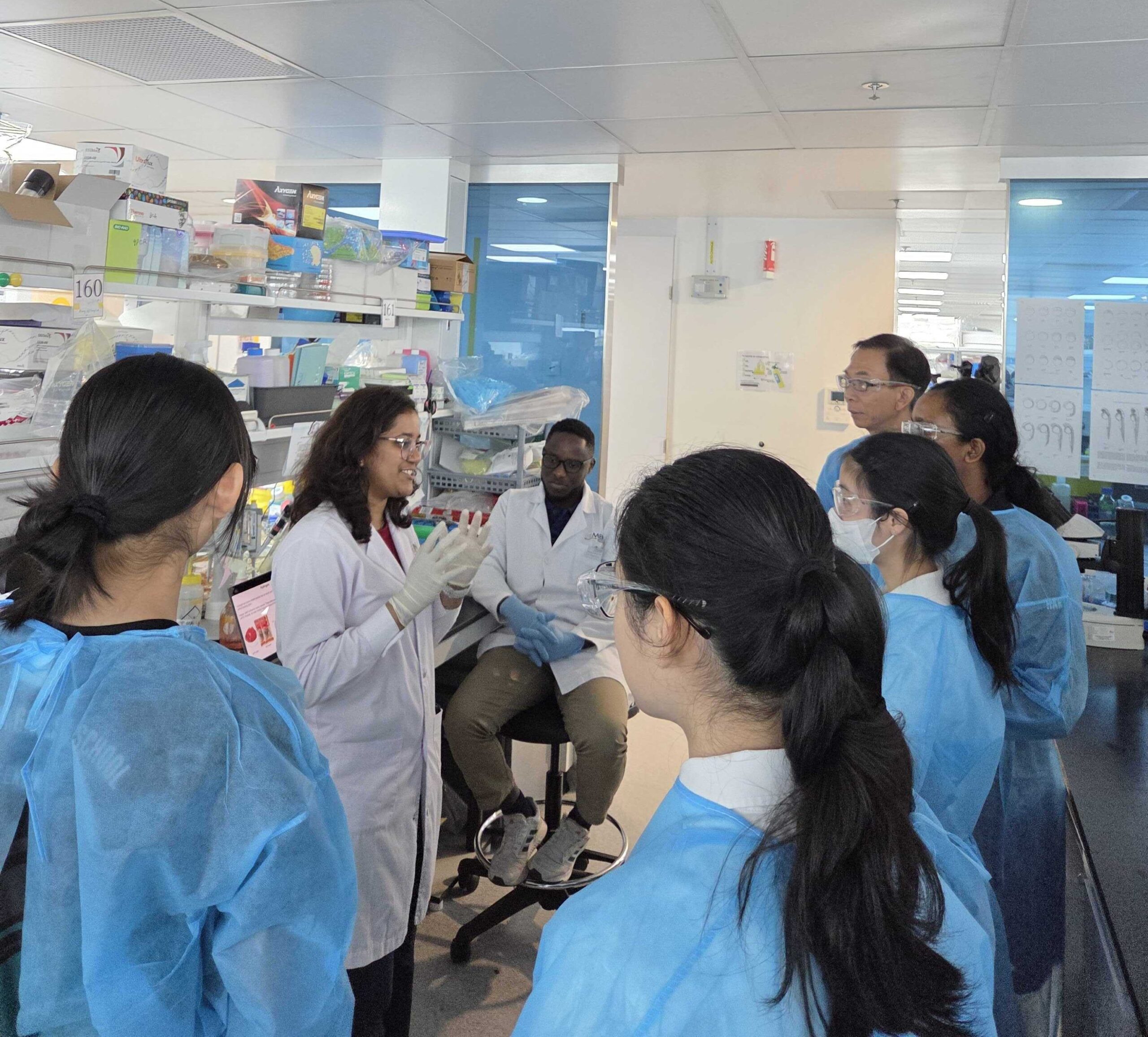
The Young Lab hosted visitors from Raffles Girls' School as part of MBI's outreach event.
Force sensing in cells at the single molecule level
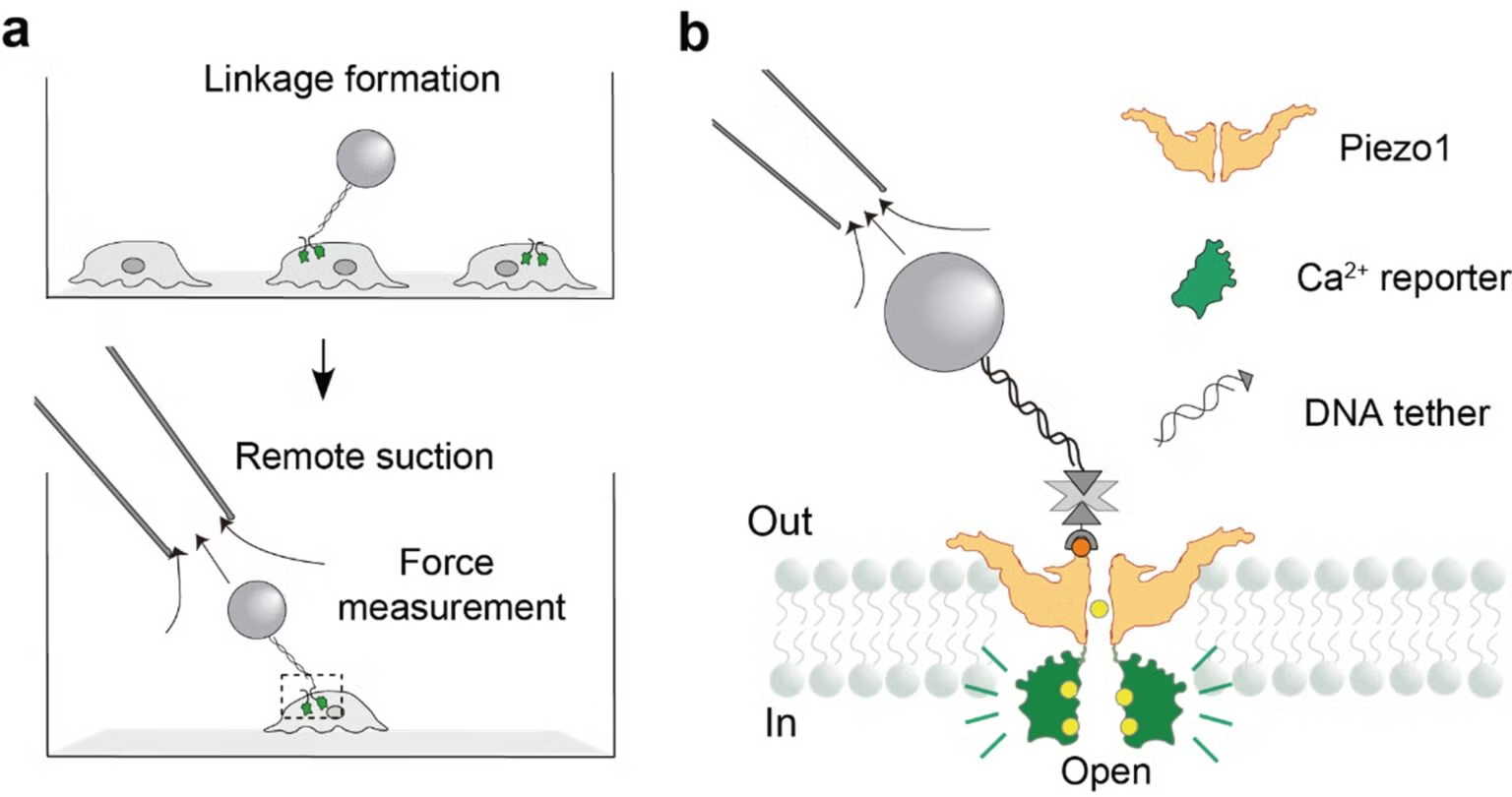
Professor Yan Jie and his team from the Mechanobiology Institute collaborated with Professor Liu Xiaogang from the Department of Chemistry, NUS, to determine the exact force needed to activate Piezo1, via a DNA-based approach.
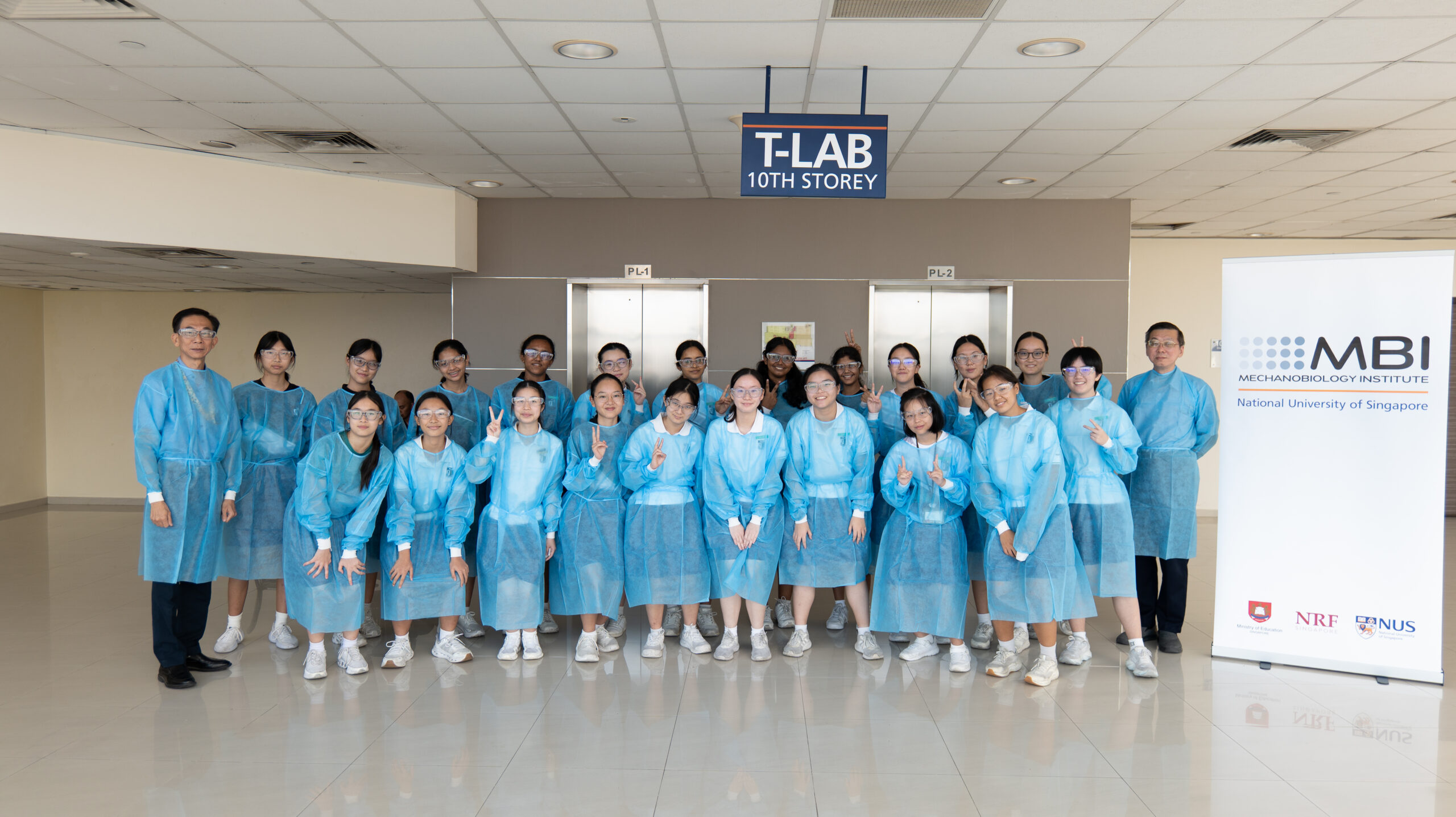
MBI Hosts Students from Raffles Girls School!
MBI hosted students from Raffles Girls School on 28 April 2026, for an outreach session designed to spark curiosity about mechanobiology and research careers.
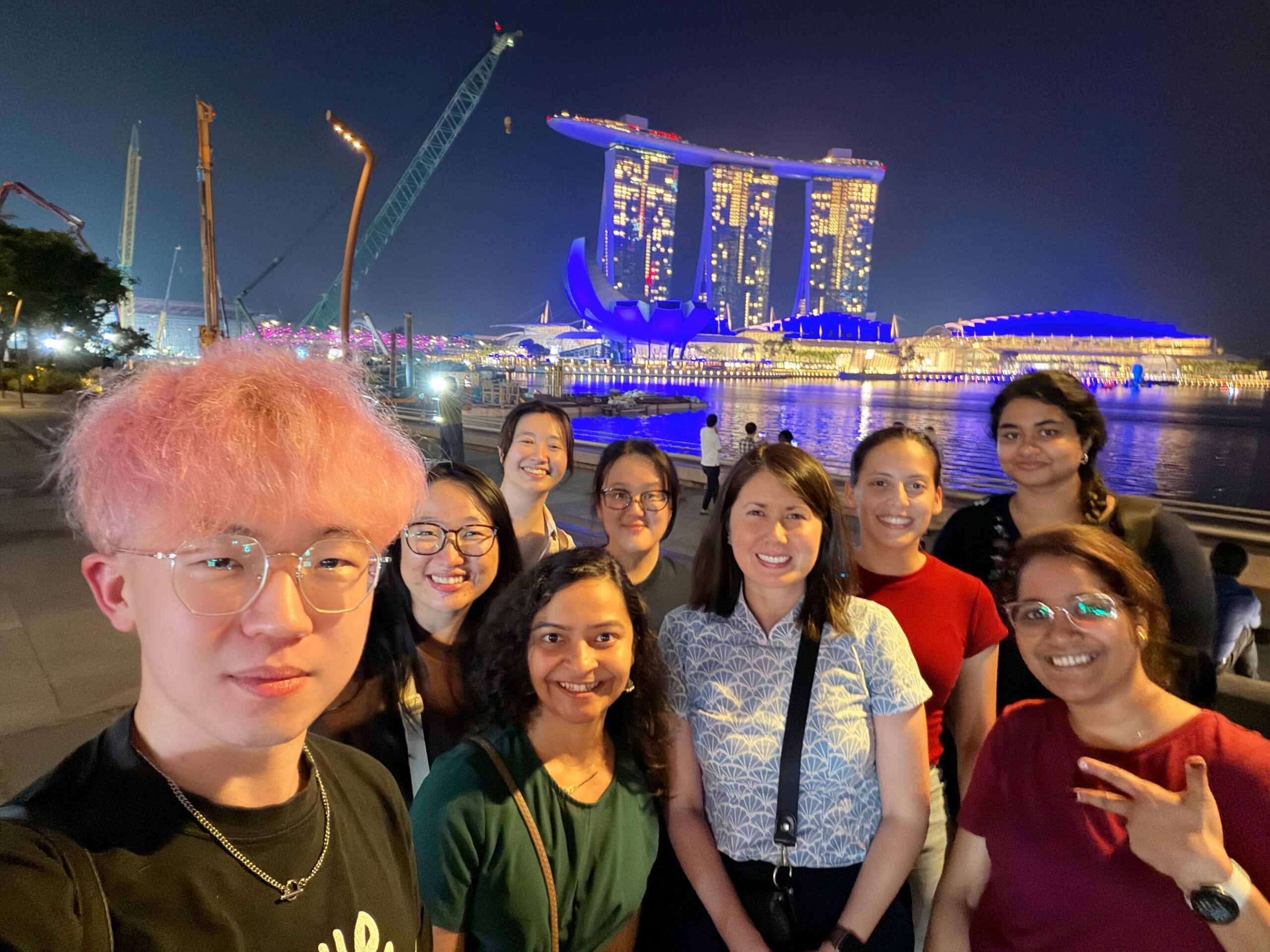
Farewell Avery, All the Best!
Farewell to Dr. Avery Rui Sun, a former PhD student at the Young Lab from 2021-2026!
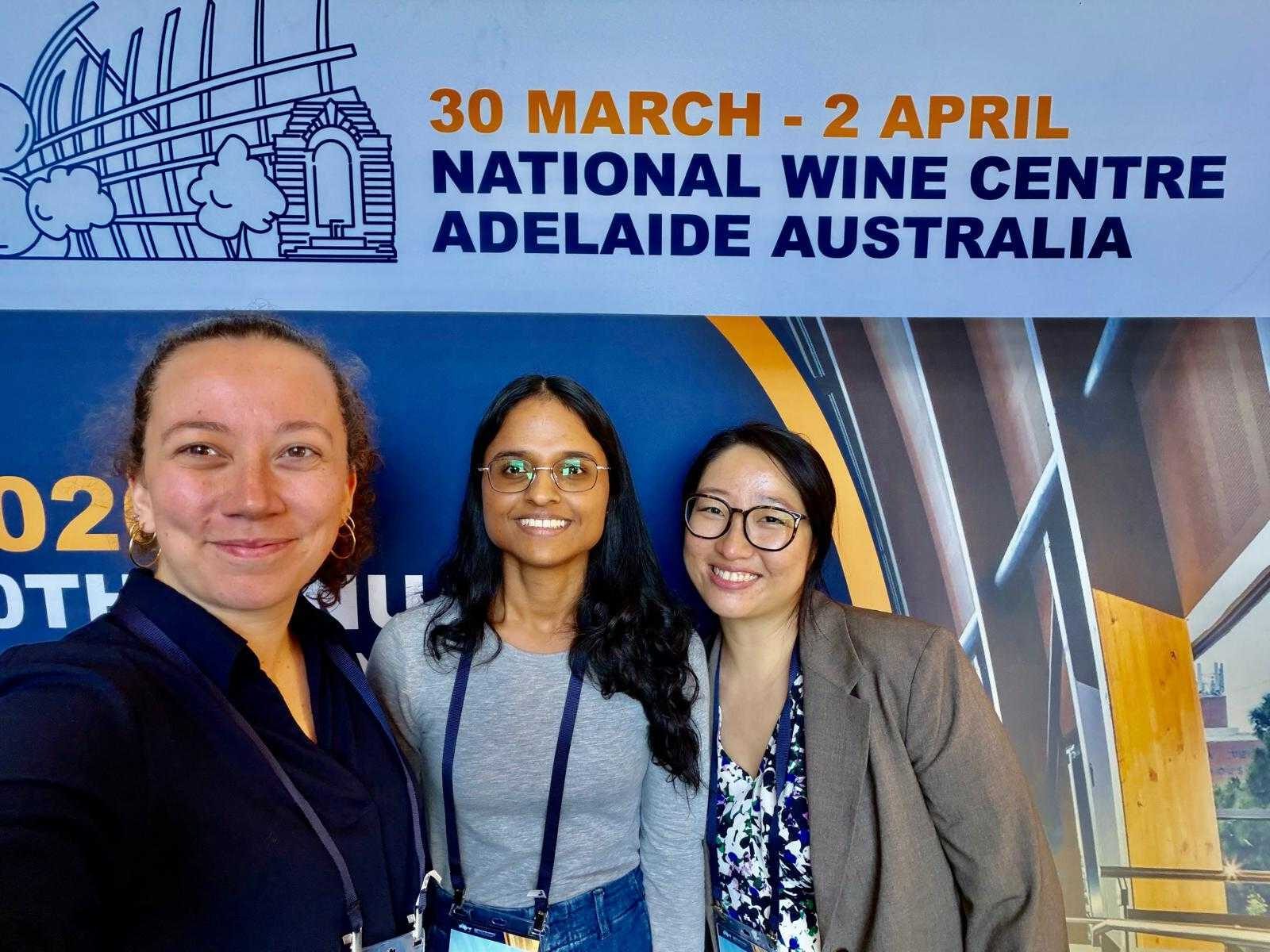
Ting, Hatice and Raageshwari in ASBTE Conference 2026
The Young Lab attends the 2026 Australasian Society for Biomaterials and Tissue Engineering (ASBTE) from 30 Mar-2 Apr 2026!
Ding Wei Yung
Alumni
Principal Investigator
Research Interests
Cell-Matrix and Cell-Cell Mechanotransduction, Molecular Mechanisms of Mechanobiology
Wei Yung’s interest lies in understanding the sophistication of cells as robust machines. Using C. elegans, a 1mm nematode, as a model system, he investigates the cellular machinery underlying newly fertilized zygotes that drives critical force-dependent processes such as polarization and cytokinesis.
Biography
Wei Yung completed his Bachelor’s degree in Bioengineering (Second Class Upper) from the National University of Singapore in 2012. In his honors dissertation under the co-supervision of Professor James Goh and Professor Wong Hee Kit, he optimized the conditions required for the construction of interbody spinal fusion device using primary adipose stem cells seeded in a biodegradable polycaprolactone/tricalcium sulphate (PCL/TCP) scaffold. The work was presented in the Bioengineering Showcase 2012 and he was awarded the Best Poster Award. After he was enrolled in the Mechanobiology Graduate Program, he joined Dr. Zaidel-Bar’s Cell Adhesion and Morphogenesis Lab and is currently searching for novel genes involved in regulating C. elegans early embryogenesis.