

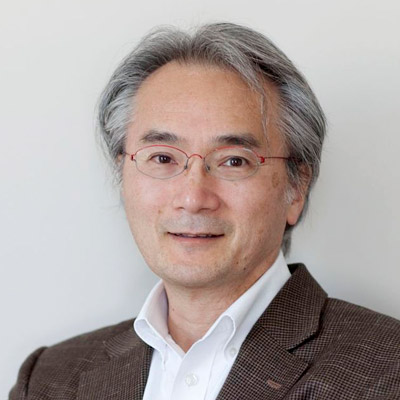
Paul MATSUDAIRA
Founding Deputy Director and Professor, Mechanobiology Institute, National University of Singapore
Research Program
Leader, Mechanotransduction in Tissues
Affiliations
Emeritus Professor, Department of Biological Sciences, National University of Singapore
Emeritus Professor, Centre for BioImaging Sciences, Department of Biological Sciences, National University of Singapore
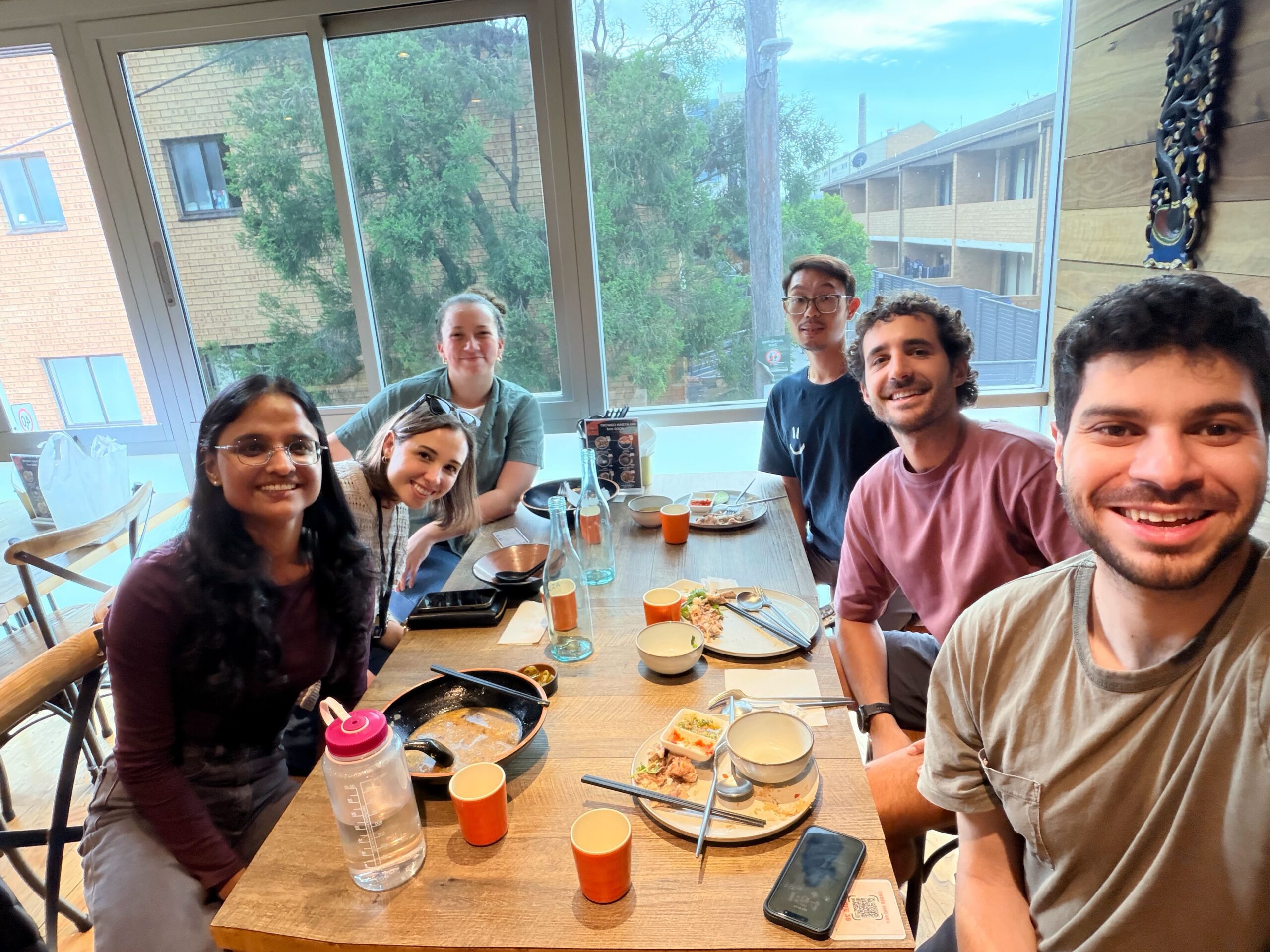
Raageshwari and Hatice visit Prof. Khoon Lim’s Lab in USyd
Raageshwari and Hatice from the Young Lab visits Prof. Khoon Lim's lab in USyd.

Pallavi Chinnu Varghese
Research Fellow, Young Group
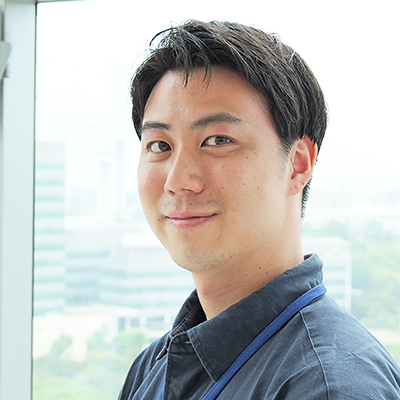
Takafumi Sakai
Research Fellow, Hirashima Group
Paul Matsudaira
Emeritus Professor
Research Areas
Mechanobiology of cells and tissues on viscoelastic surfaces, nanoscale dynamics, biomaging sciences.
Research Interests
The Matsudaira Lab studies the role of mechanics in epithelial tissue migration and remodeling during development and disease. The organization and migration of epithelial tissues are sensitive to the underlying substratum, especially on visco-elastic substrates. This range of stiffness defines the environment of most basement membranes, cell-cell interactions, and early developmental processes. On the one hand, the lab is interested in the mechanical signatures of the development of chirality, convergence, and extension during the early steps in morphogenesis of the Zebrafish embryo. Other studies are focused on the role of substrate viscoelasticity in tissue remodeling during disease and its regulation by cell-matrix and cell-cell signaling pathways. In order to study complex, multi-scale dynamics the lab develops and applies novel imaging methods such as in situ TEM and strain light-sheet microscopy.
Biography
Formerly a biology and bioengineering professor at the Massachusetts Institute of Technology (MIT), Paul Matsudaira has studied the cytoskeleton since graduating from college. He was the EM technician of Tom Schroeder where he helped investigate the role of microfilaments in the contractile ring. As a graduate student of Dave Burgess he identified the structure and function of the intestine brush border cytoskeleton. Following postdoctoral research on the assembly of actin bundles at the MPI Biophysical Chemistry with Klaus Weber and the MRC LMB with Alan Weeds, Paul started his academic career at the Whitehead Institute and MIT where his lab studied biophysics of actin and other polymer protein bundles, mechanics of polymers and single cells motility, and developed microanalytical methods. In 2009, he moved to Singapore to establish the Centre for BioImaging Sciences, head the Department of Biological Sciences, and help found the Mechanobiology Institute, National University of Singapore.
Education
PhD in Biological Sciences from Dartmouth College, Hanover, New Hampshire
Selected Publications (5 of 177)
- Zheng J, Han SP, Chiu YJ, Yip AK, Boichat N, Pauli AR, Zhu S, Matsudaira P. 2017 Substrate viscoelasticity induces coalescence of epithelial monolayers via subcellular redistribution of vinculin. Biophys J. 113:1585-98.
- Loh D, Sen S, Bosman M, Tan SF, Zhong J, Nijhuis C, Kral P, Matsudaira P, Mirsaidov U. 2016 Multi-step nucleation of nanocrystals in aqueous solution. Nat. Chem 9:77-82.
- Ai Kia Yip, Keng-Hwee Chiam and Paul Matsudaira. Traction stress analysis and modeling reveal that amoeboid migration in confined spaces is accompanied by expansive forces and requires the structural integrity of the membrane–cortex interactions. Integrative Biology, 2015, DOI: 10.1039/ C4IB00245H. First published online 27 May 2015
- Bhattacharya D, Singh V R, Zhi C, Peter T C, Matsudaira P, Barbastathis G. 2012. Three dimensional HiLo-based structured illumination for a Digital Scanned Laser Sheet Microscopy (DSLM) in thick tissue imaging. Optics Express 20(25):27337-27347.
- Mirsaidov UM, Zheng H, Bhattacharya D, Casana Y, Matsudaira P. 2012. Imaging protein structure in water at 2.7 nm resolution by TEM. Biophys J. 102:L15-7.
Recent Publications
- Zhu S, Loo YT, Veerapathiran S, Loo TYJ, Tran BN, Teh C, Zhong J, Matsudaira P, Saunders TE, and Wohland T. Receptor binding and tortuosity explain morphogen local-to-global diffusion coefficient transition. Biophys J 2024;. [PMID: 39049492]
- Tavakoli S, Zhu S, and Matsudaira P. Cell clusters containing intestinal stem cells line, the zebrafish intestine intervillus pocket. iScience 2022; 25(5):104280. [PMID: 35586068]
- Bhattacharya D, Zhong J, Tavakoli S, Kabla A, and Matsudaira P. Strain maps characterize the symmetry of convergence and extension patterns during zebrafish gastrulation. Sci Rep 2021; 11(1):19357. [PMID: 34588480]
- Wu H, Ng DTW, Cheong I, and Matsudaira P. The degradation-promoting roles of deubiquitinases Ubp6 and Ubp3 in cytosolic and ER protein quality control. PLoS ONE 2020; 15(5):e0232755. [PMID: 32401766]
- Chan SN, Prasad R, and Matsudaira P. Genetic Selection Based on a Ste6*C-HA-Ura3 Substrate Identifies New Cytosolic Quality Control Alleles in Saccharomyces cerevisiae. G3 (Bethesda) 2020; 10(6):1879-1891. [PMID: 32299823]
- Matsudaira PT, and Verma CS. Editorial. Prog. Biophys. Mol. Biol. 2019;. [PMID: 30951764]
- Wadduwage DN, Singh VR, Choi H, Yaqoob Z, Heemskerk H, Matsudaira P, and So PTC. Near-common-path interferometer for imaging Fourier-transform spectroscopy in wide-field microscopy. Optica 2017; 4(5):546-556. [PMID: 29392168]
- Zheng JY, Han SP, Chiu Y, Yip AK, Boichat N, Zhu SW, Zhong J, and Matsudaira P. Epithelial Monolayers Coalesce on a Viscoelastic Substrate through Redistribution of Vinculin. Biophys. J. 2017;. [PMID: 28844472]
- Zheng JY, Tan HL, Matsudaira PT, and Choo A. Excess reactive oxygen species production mediates monoclonal antibody-induced human embryonic stem cell death via oncosis. Cell Death Differ. 2017;. [PMID: 28106884]
- . https://www.ncbi.nlm.nih.gov/pubmed/28007915
MBI Lab Members
Seeking Research Fellow in Transmission Electron Microscopy at the Mechanobiology Institute, NUS
We are seeking a Research Fellow in Transmission Electron Microscopy at the Mechanobiology Institute, NUS

Hu Yuqi
Research Assistant, Yu Group
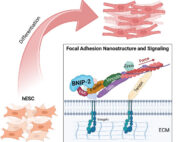
The Nano-Heartbuilder: BNIP-2 Influences Mechanosensing in Cardiomyoblast Differentiation
Researchers from the Low Lab at MBI discover a crucial role for the scaffold protein BNIP-2 in orchestrating focal adhesion dynamics during early heart development, offering new insights into heart regeneration strategies.
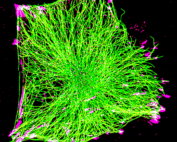
Shedding Light on Local Microtubule Regulation of Focal Adhesions
Researchers from the Bershadsky Lab at MBI utilized optogenetics to unlock the role of microtubules in regulating focal adhesion disassembly, an important step in cell migration. http://www.mbi.nus.edu.sg/featured-research/microtubules-and-cell-movement-a-closer-look-at-focal-adhesion-disassembly
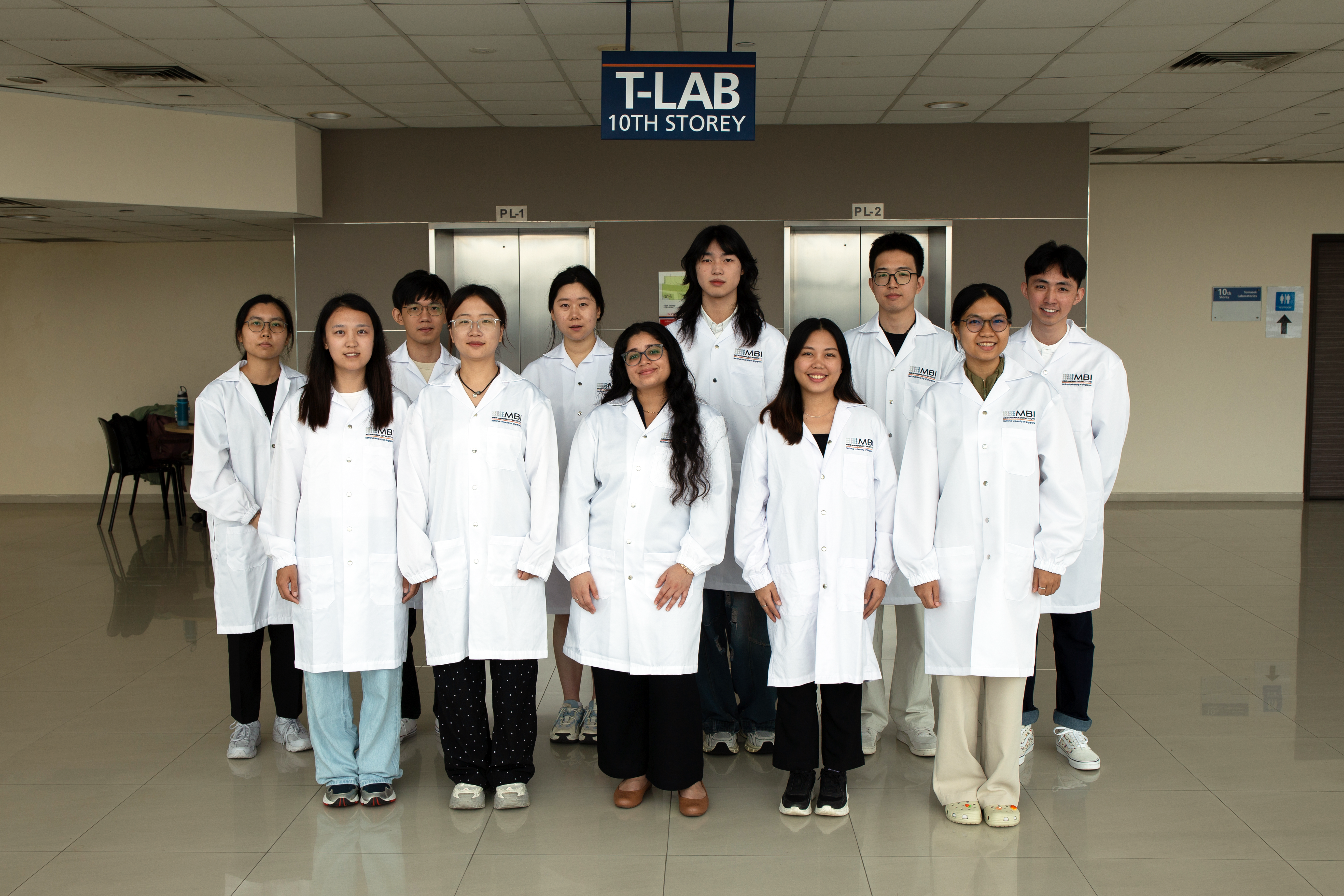
A Warm Welcome to the 2025 Ph.D Cohort!
MBI is delighted to welcome the 2025 cohort of Ph.D students. Coming from a rich tapestry of countries – China, Vietnam, Singapore, India and the Philippines – these eleven outstanding individuals bring with them interdisciplinary expertise and fresh perspectives that will enrich MBI’s vibrant research community.

Neha Paddillaya
Research Fellow, Chan Group

Privita Edwina
Research Fellow

ZHUANG Zirui
PhD Student, Class of August 2025, Li Group

ZHAO Jiayu
PhD Student, Class of August 2025, Kanchanawong Group

YAN Chengrui
PhD Student, Class of August 2025, Yan Jie Group

NGUYEN Dinh Thach Lam
PhD Student, Class of August 2025, Hirashima Group

Miguel SOON Jun Yi
PhD Student, Class of August 2025, Low Group

