

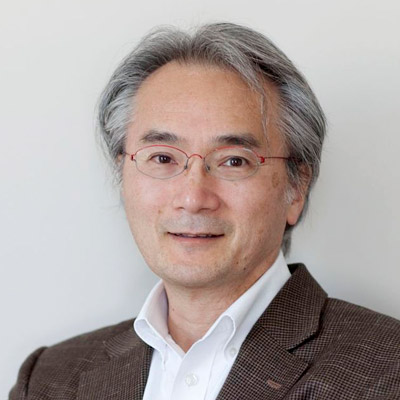
Paul MATSUDAIRA
Founding Deputy Director and Professor, Mechanobiology Institute, National University of Singapore
Research Program
Leader, Mechanotransduction in Tissues
Affiliations
Emeritus Professor, Department of Biological Sciences, National University of Singapore
Emeritus Professor, Centre for BioImaging Sciences, Department of Biological Sciences, National University of Singapore
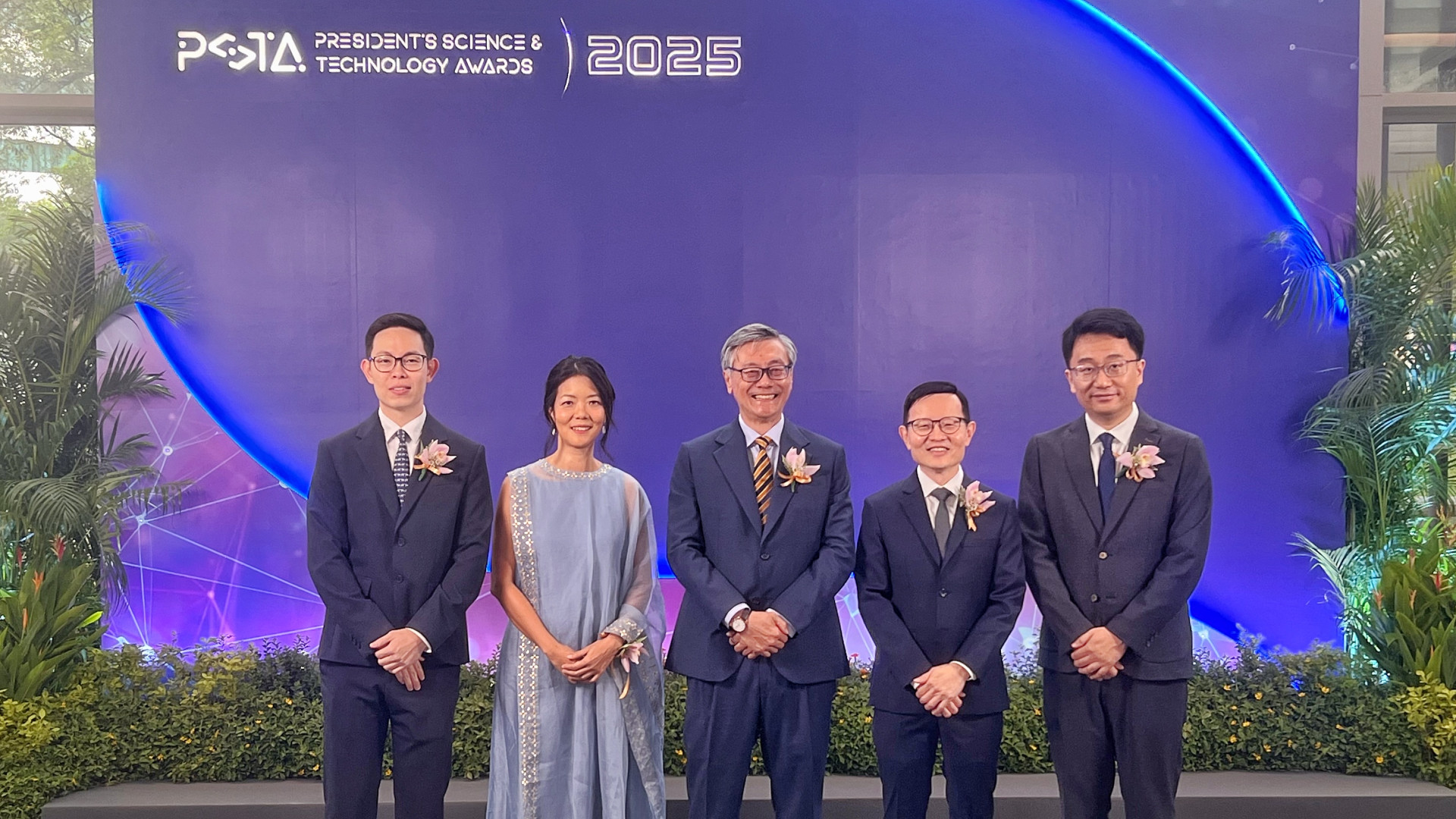
Prof Lim Chwee Teck received the 2025 President’s Science Award
Prof. Lim Chwee Teck was awarded the 2025 President’s Science Award (PSA) for his pioneering contributions to cancer research through innovative mechanobiology approaches, successfully bridging engineering, biological sciences and medicine to foster a deeper understanding of cancer metastasis.
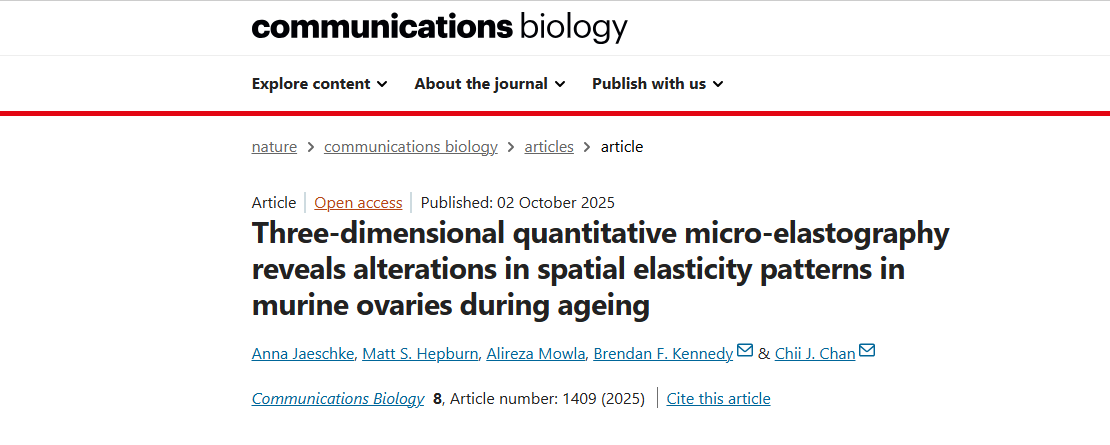
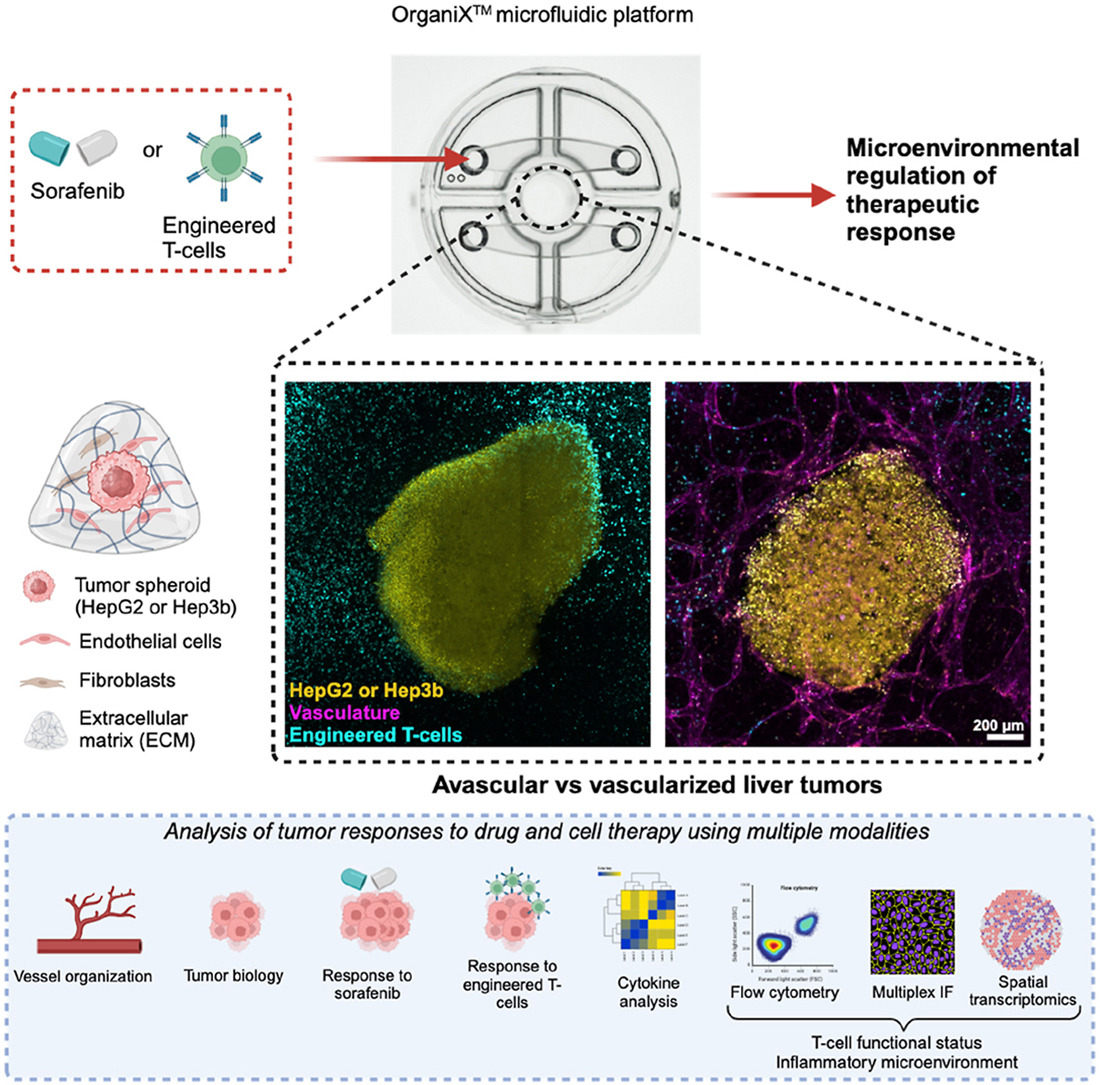
Tumor-on-a-chip Shows How Microenvironment Architecture Affects Liver Cancer Therapies
Researchers from the Pavesi Group at the Mechanobiology Institute, NUS develops in vitro models of liver tumors to study how the presence of vasculature networks affect cancer therapies.
Paul Matsudaira
Emeritus Professor
Research Areas
Mechanobiology of cells and tissues on viscoelastic surfaces, nanoscale dynamics, biomaging sciences.
Research Interests
The Matsudaira Lab studies the role of mechanics in epithelial tissue migration and remodeling during development and disease. The organization and migration of epithelial tissues are sensitive to the underlying substratum, especially on visco-elastic substrates. This range of stiffness defines the environment of most basement membranes, cell-cell interactions, and early developmental processes. On the one hand, the lab is interested in the mechanical signatures of the development of chirality, convergence, and extension during the early steps in morphogenesis of the Zebrafish embryo. Other studies are focused on the role of substrate viscoelasticity in tissue remodeling during disease and its regulation by cell-matrix and cell-cell signaling pathways. In order to study complex, multi-scale dynamics the lab develops and applies novel imaging methods such as in situ TEM and strain light-sheet microscopy.
Biography
Formerly a biology and bioengineering professor at the Massachusetts Institute of Technology (MIT), Paul Matsudaira has studied the cytoskeleton since graduating from college. He was the EM technician of Tom Schroeder where he helped investigate the role of microfilaments in the contractile ring. As a graduate student of Dave Burgess he identified the structure and function of the intestine brush border cytoskeleton. Following postdoctoral research on the assembly of actin bundles at the MPI Biophysical Chemistry with Klaus Weber and the MRC LMB with Alan Weeds, Paul started his academic career at the Whitehead Institute and MIT where his lab studied biophysics of actin and other polymer protein bundles, mechanics of polymers and single cells motility, and developed microanalytical methods. In 2009, he moved to Singapore to establish the Centre for BioImaging Sciences, head the Department of Biological Sciences, and help found the Mechanobiology Institute, National University of Singapore.
Education
PhD in Biological Sciences from Dartmouth College, Hanover, New Hampshire
Selected Publications (5 of 177)
- Zheng J, Han SP, Chiu YJ, Yip AK, Boichat N, Pauli AR, Zhu S, Matsudaira P. 2017 Substrate viscoelasticity induces coalescence of epithelial monolayers via subcellular redistribution of vinculin. Biophys J. 113:1585-98.
- Loh D, Sen S, Bosman M, Tan SF, Zhong J, Nijhuis C, Kral P, Matsudaira P, Mirsaidov U. 2016 Multi-step nucleation of nanocrystals in aqueous solution. Nat. Chem 9:77-82.
- Ai Kia Yip, Keng-Hwee Chiam and Paul Matsudaira. Traction stress analysis and modeling reveal that amoeboid migration in confined spaces is accompanied by expansive forces and requires the structural integrity of the membrane–cortex interactions. Integrative Biology, 2015, DOI: 10.1039/ C4IB00245H. First published online 27 May 2015
- Bhattacharya D, Singh V R, Zhi C, Peter T C, Matsudaira P, Barbastathis G. 2012. Three dimensional HiLo-based structured illumination for a Digital Scanned Laser Sheet Microscopy (DSLM) in thick tissue imaging. Optics Express 20(25):27337-27347.
- Mirsaidov UM, Zheng H, Bhattacharya D, Casana Y, Matsudaira P. 2012. Imaging protein structure in water at 2.7 nm resolution by TEM. Biophys J. 102:L15-7.
Recent Publications
- Zhu S, Loo YT, Veerapathiran S, Loo TYJ, Tran BN, Teh C, Zhong J, Matsudaira P, Saunders TE, and Wohland T. Receptor binding and tortuosity explain morphogen local-to-global diffusion coefficient transition. Biophys J 2024;. [PMID: 39049492]
- Tavakoli S, Zhu S, and Matsudaira P. Cell clusters containing intestinal stem cells line, the zebrafish intestine intervillus pocket. iScience 2022; 25(5):104280. [PMID: 35586068]
- Bhattacharya D, Zhong J, Tavakoli S, Kabla A, and Matsudaira P. Strain maps characterize the symmetry of convergence and extension patterns during zebrafish gastrulation. Sci Rep 2021; 11(1):19357. [PMID: 34588480]
- Wu H, Ng DTW, Cheong I, and Matsudaira P. The degradation-promoting roles of deubiquitinases Ubp6 and Ubp3 in cytosolic and ER protein quality control. PLoS ONE 2020; 15(5):e0232755. [PMID: 32401766]
- Chan SN, Prasad R, and Matsudaira P. Genetic Selection Based on a Ste6*C-HA-Ura3 Substrate Identifies New Cytosolic Quality Control Alleles in Saccharomyces cerevisiae. G3 (Bethesda) 2020; 10(6):1879-1891. [PMID: 32299823]
- Matsudaira PT, and Verma CS. Editorial. Prog. Biophys. Mol. Biol. 2019;. [PMID: 30951764]
- Wadduwage DN, Singh VR, Choi H, Yaqoob Z, Heemskerk H, Matsudaira P, and So PTC. Near-common-path interferometer for imaging Fourier-transform spectroscopy in wide-field microscopy. Optica 2017; 4(5):546-556. [PMID: 29392168]
- Zheng JY, Han SP, Chiu Y, Yip AK, Boichat N, Zhu SW, Zhong J, and Matsudaira P. Epithelial Monolayers Coalesce on a Viscoelastic Substrate through Redistribution of Vinculin. Biophys. J. 2017;. [PMID: 28844472]
- Zheng JY, Tan HL, Matsudaira PT, and Choo A. Excess reactive oxygen species production mediates monoclonal antibody-induced human embryonic stem cell death via oncosis. Cell Death Differ. 2017;. [PMID: 28106884]
- . https://www.ncbi.nlm.nih.gov/pubmed/28007915
MBI Lab Members
How does invagination and maturation of the clathrin-coated vesicle occur?
How does invagination and maturation of the clathrin-coated vesicle occur? Clathrin-coated vesicle maturation incorporates the activities of a range of proteins. Actin, myosin and WASP all have important roles in the formation and stabilization [...]
What is exocytosis?
What is exocytosis? Exocytosis is defined as the transport and fusion of secretory vesicles with the plasma membrane and the extracellular space. There are three exocytosis pathways that deliver vesicles to the plasma membrane. [...]
How are clathrin-coated vesicles uncoated?
How are clathrin-coated vesicles uncoated? Uncoating is the process by which clathrin is removed from clathrin-coated vesicles (CCVs). In mammals, this ATP dependent process is driven by the 70kDa molecular chaperone ‘Heat shock cognate [...]
How does scission of the clathrin-coated vesicle occur?
How does scission of the clathrin-coated vesicle occur? As mentioned, in mammalian CME the GTPase dynamin is believed to play important roles in invagination and clathrin-coated pit (CCP) maturation [1]. Its binding partners endophilin [...]
How are clathrin-coated vesicles transported?
How are clathrin-coated vesicles transported? Different cytoskeletal networks have been implicated in the transport of clathrin-coated vesicles (CCVs). In yeast, the actin cytoskeleton traffics dissociated CCVs [1], whilst in mammals the microtubule network transports [...]
What is the CLIC/GEEC Endocytosis pathway?
What is the CLIC/GEEC Endocytosis pathway? The CLIC/GEEC (CG) pathway is a clathrin-independent endocytic pathway mediated by uncoated tubulovesicular primary carriers called clathrin-independent carriers (CLICs) which arise directly from the plasma membrane and later [...]
What is Arf6-associated endocytosis?
What is Arf6-associated endocytosis? Arf6-associated endocytosis is a clathrin-independent, plasma membrane-endosomal recycling pathway, regulated by the Arf6 protein, which is a member of the Arf family of small GTPases [1]. In this pathway, Arf6 [...]
What is Rho-dependent IL-2 receptor endocytosis?
What is Rho-dependent IL-2 receptor endocytosis? Internalization of transmembrane receptors was thought to occur exclusively via clathrin-mediated endocytosis (CME). However, the discovery of clathrin-independent endocytic routes, in particular, the pathway that mediates the internalization [...]
What is flotillin-associated endocytosis?
What is flotillin-associated endocytosis? Flotillins, which are proteins that localize to specific microdomains or lipid rafts in the plasma membrane, mediate a clathrin-independent endocytosis pathway that is regulated by the Src family tyrosine kinase [...]
What is Fast Endophilin-Mediated Endocytosis (FEME)?
What is Fast Endophilin-Mediated Endocytosis (FEME)? FEME is a novel clathrin-independent endocytic pathway, regulated by the BAR domain protein endophilin, where tubulo-vesicular carriers form within seconds at the plasma membrane upon activation of specific [...]
What is autophagy?
What is autophagy? Autophagy, meaning self-eating, is an intracellular degradation system wherein unwanted cargo, such as old or damaged organelles, unneeded proteins, as well as pathogenic agents, are digested and the macromolecular contents from [...]
Genome Regulation
Genome Regulation Genome regulation encompasses all facets of gene expression, from the biochemical modifications of DNA, to the physical arrangement of chromosomes and the activity of the transcription machinery. The genome regulation programs that [...]