


Linda J KENNEY
Alumni, Mechanobiology Institute, National University of Singapore
What are cytoskeletal cages?
What are cytoskeletal cages? Cytoskeletal components can assemble into cage-like structures within the cell. These cages serve to segregate intracellular regions or organelles, and can protect their contents from mechanical stress. At the level [...]
How do mechanically-gated ion channels facilitate mechanotransduction?
How do mechanically-gated ion channels facilitate mechanotransduction? Mechanotransduction relies on the ability of cells to convert mechanical cues, such as stretch or compression, to biochemical signals. One way this occurs is through the activity [...]
How do lipid bilayer components move?
How do lipid bilayer components move? One of the tenets of the Fluid-Mosaic membrane model is that the components of the bilayers are free to move. Before describing the differences between lipid and protein [...]
Why are membrane lipids asymmetrical?
Why are membrane lipids asymmetrical? The human red blood cell is functionally specialized for transporting oxygen. In order to maximize oxygen capacity, it has no nucleus or organelles, consisting primarily of plasma membrane and [...]
Linda J Kenney
Alumni
Research Areas
Signal transduction in bacteria; Bacterial Pathogenesis; Mechanotransduction and osmotic signaling in E. coli; Mechanisms of anti-silencing of virulence genes in Salmonella
Research Interests
Our laboratory is interested in signal transduction and the regulation of gene expression in prokaryotes. In particular, we are studying the two-component regulatory system EnvZ/OmpR that regulates the expression of outer membrane proteins as well as many other genes. Our present work focuses on how OmpR activates genes required for systemic infection (located on Salmonella pathogenicity island 2) in Salmonella enterica.
The Kenney Lab’s research was recently featured in an article exploring the bacterial molecular switch between virulence or dormancy, Salmonella Lifestyle Choices. Members of her lab have discovered that the bacterial protein SsrB is the molecular switch for determining whether Salmonella infections become acute and virulent, or remain in a dormant carrier state.
The study is published in eLife (Desai et al., The horizontally-acquired response regulator SsrB drives a Salmonella lifestyle switch by relieving biofilm silencing, February 2, 2016, eLife 2016; 5: e10747, doi: 10.7554/eLife.10747). Read full article.
Biography
Dr Kenney is a Professor of Microbiology at the University of Illinois-Chicago. Her laboratory studies two-component systems in bacteria that control gene expression at a single cell and nanometer level.

Professor Linda J Kenney and Professor Michael Sheetz interviewed by the Washington Post at the April 2017 March for Science.
Education
PhD University of Pennsylvania
Recent Publications
- Fernandez M, Yamanaka Y, Zangoui P, White MA, and Kenney LJ. The sulfur assimilation pathway mitigates redox stress from acidic pH in Salmonella Typhi H58. mBio 2025;:e0046725. [PMID: 40422406]
- Shetty D, and Kenney LJ. A pH-sensitive switch activates virulence in Salmonella. Elife 2023; 12. [PMID: 37706506]
- Oh D, Liu X, Sheetz MP, and Kenney LJ. Small, Dynamic Clusters of Tir-Intimin Seed Actin Polymerization. Small 2023;:e2302580. [PMID: 37649226]
- Mon KKZ, Si Z, Chan-Park MB, and Kenney LJ. Polyimidazolium Protects against an Invasive Clinical Isolate of Salmonella Typhimurium. Antimicrob Agents Chemother 2022;:e0059722. [PMID: 36094258]
- Jacob H, Geng H, Shetty D, Halow N, Kenney LJ, and Nakano MM. Distinct Interaction Mechanism of RNAP and ResD and Distal Subsites for Transcription Activation of Nitrite Reductase in Bacillus subtilisψ. J Bacteriol 2021;:JB0043221. [PMID: 34898263]
- Singh MK, Zangoui P, Yamanaka Y, and Kenney LJ. Genetic code expansion enables visualization of Salmonella type three secretion system components and secreted effectors. Elife 2021; 10. [PMID: 34061032]
- Kenney LJ, and Anand GS. EnvZ/OmpR Two-Component Signaling: An Archetype System That Can Function Noncanonically. EcoSal Plus 2020; 9(1). [PMID: 32003321]
- Desai SK, and Kenney LJ. Switching Lifestyles Is an in vivo Adaptive Strategy of Bacterial Pathogens. Front Cell Infect Microbiol 2019; 9:421. [PMID: 31921700]
- Desai SK, Padmanabhan A, Harshe S, Zaidel-Bar R, and Kenney LJ. Salmonella biofilms program innate immunity for persistence in Caenorhabditis elegans. Proc. Natl. Acad. Sci. U.S.A. 2019;. [PMID: 31160462]
- Ottemann KM, and Kenney LJ. Editorial overview: Host-pathogen interactions: bacteria. Curr. Opin. Microbiol. 2019; 47:iii-v. [PMID: 31138403]
Lab Members
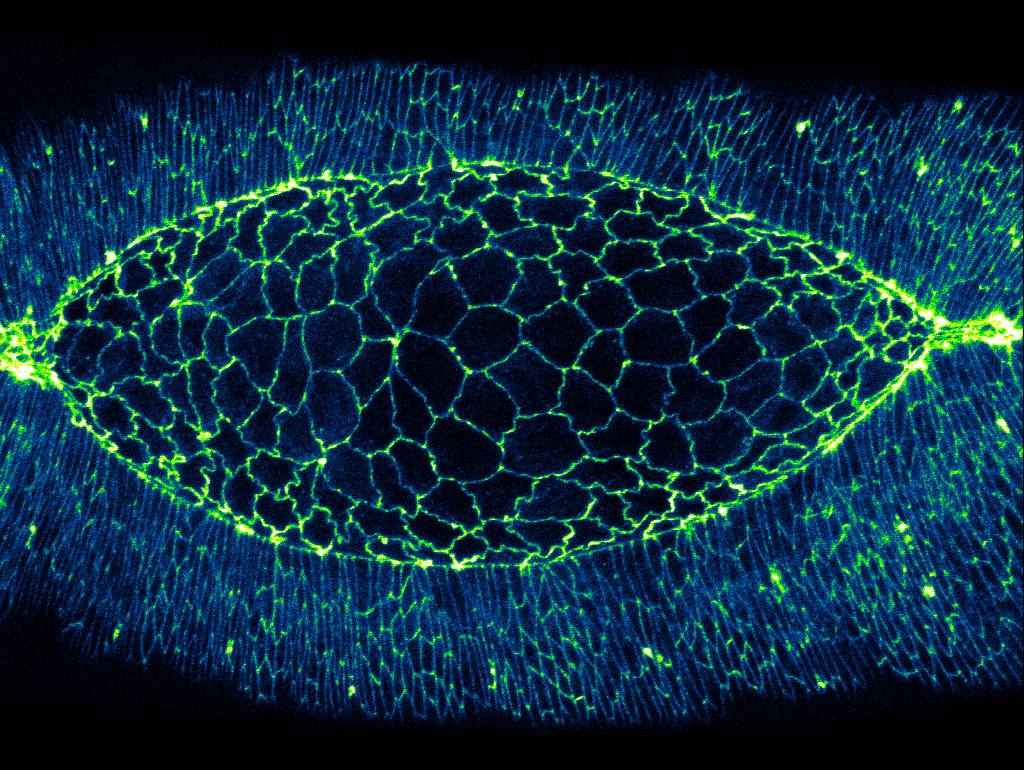
Elongation by Contraction
Pulling forces drive changes in cell shape
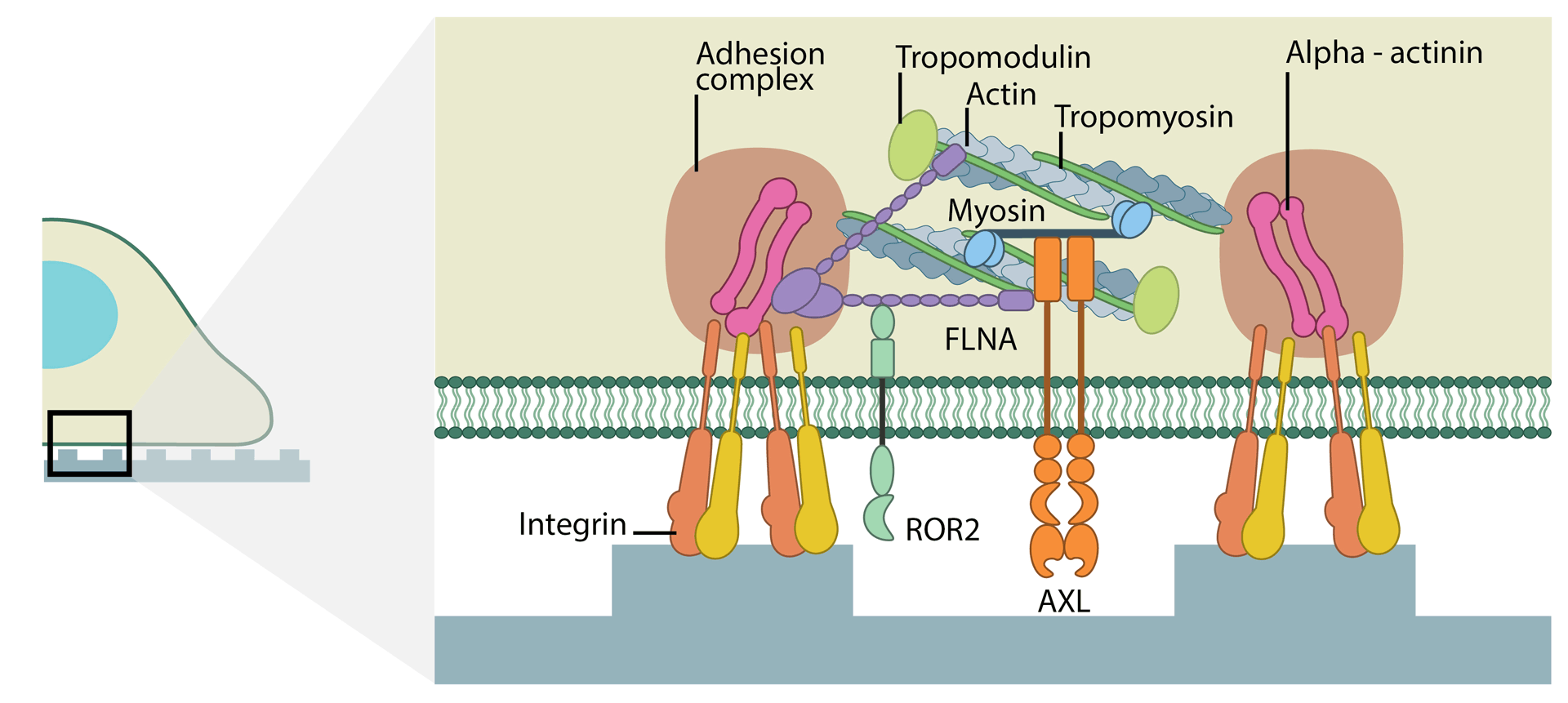
Decisions in a Pinch
Receptor Tyrosince Kinases control mechanosensors
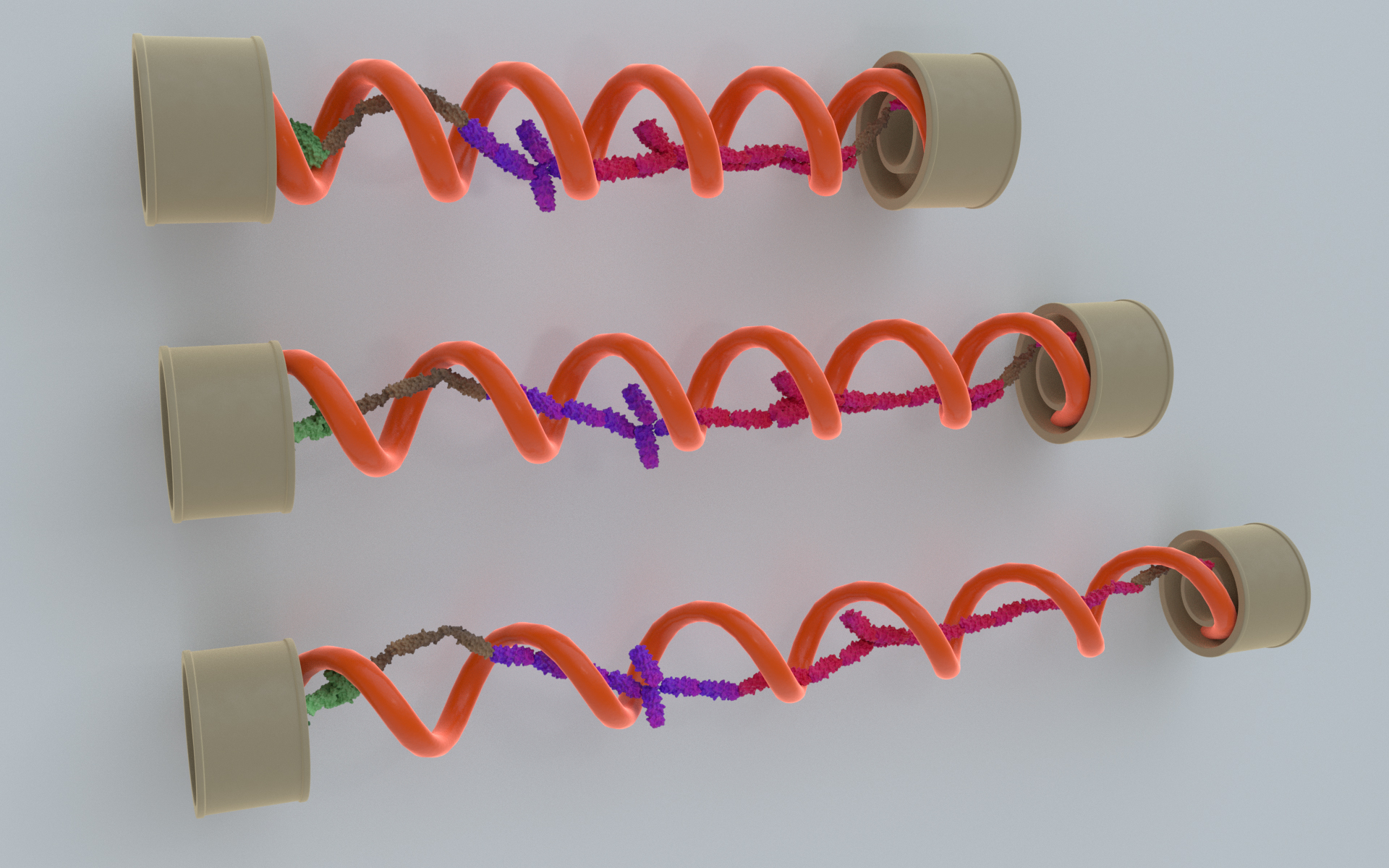
A Cellular Shock Absorber
How talin structure makes it an ideal force buffer

Agarwal Priti
Alumni, Zaidel-Bar Group
Multicolor Super Resolution Imaging
A method to monitor dynamic protein binding at subsecond timescales
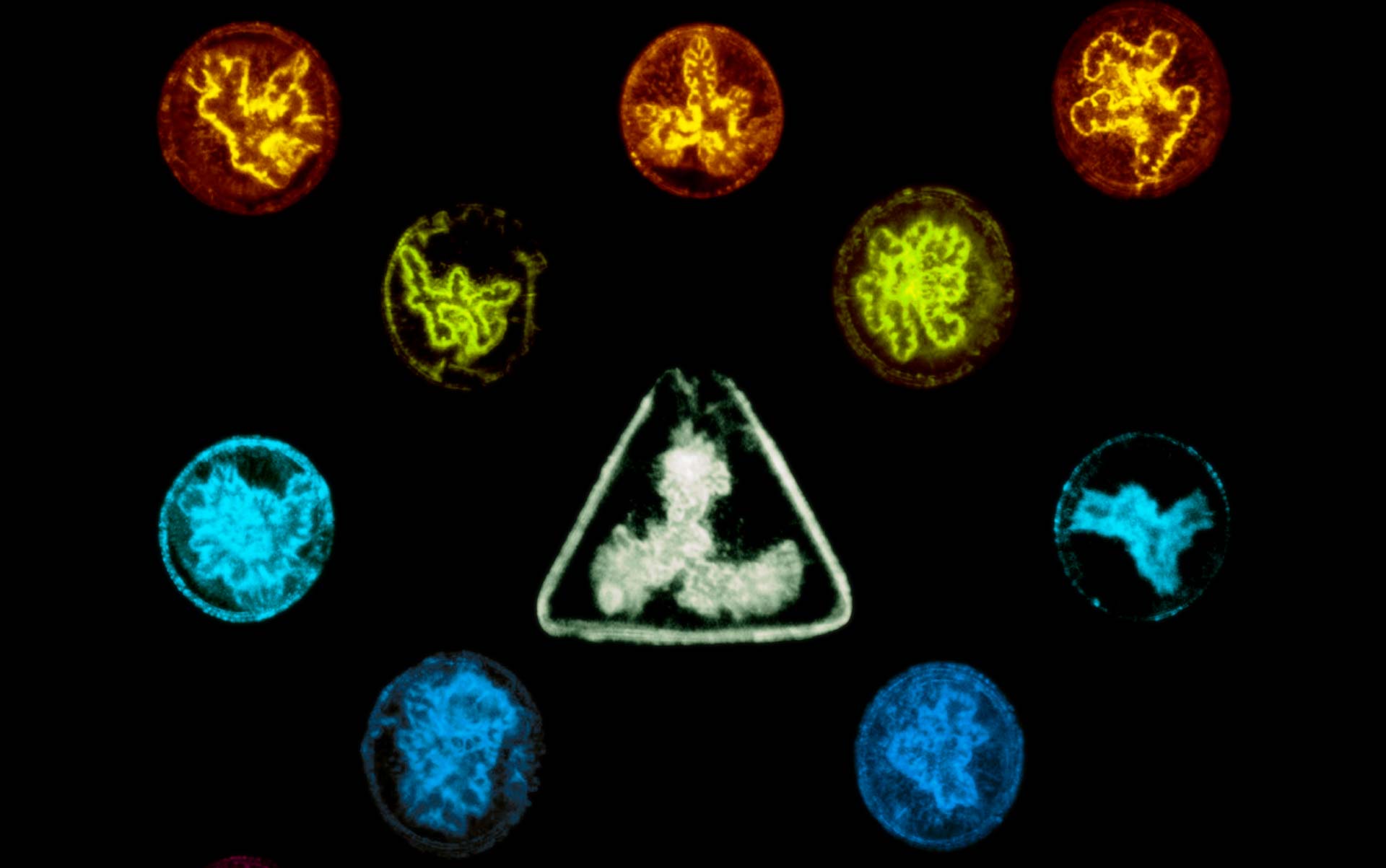
Shaping Lumens by Force
How extracellular matrix scaffolding guides lumen elongation
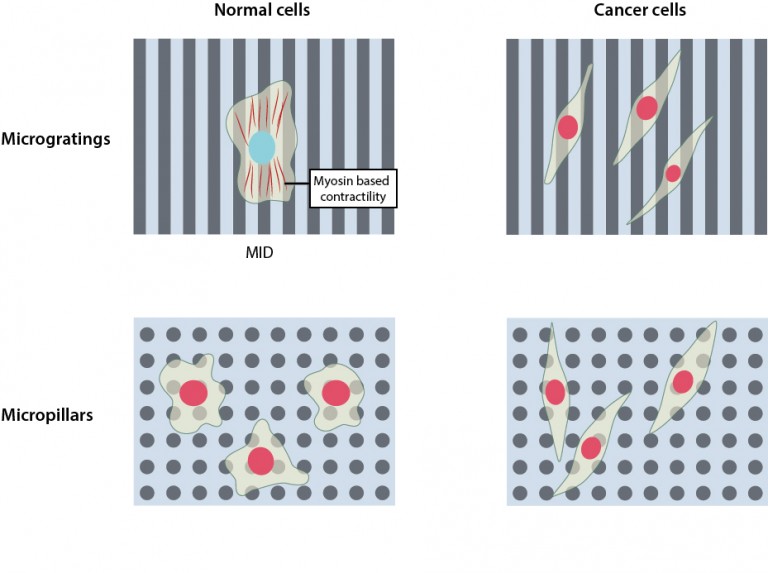
A Mechanical Stop Sign
MBI Scientists reveal the effects of ECM topography on the poliferation of normal and cancer cells
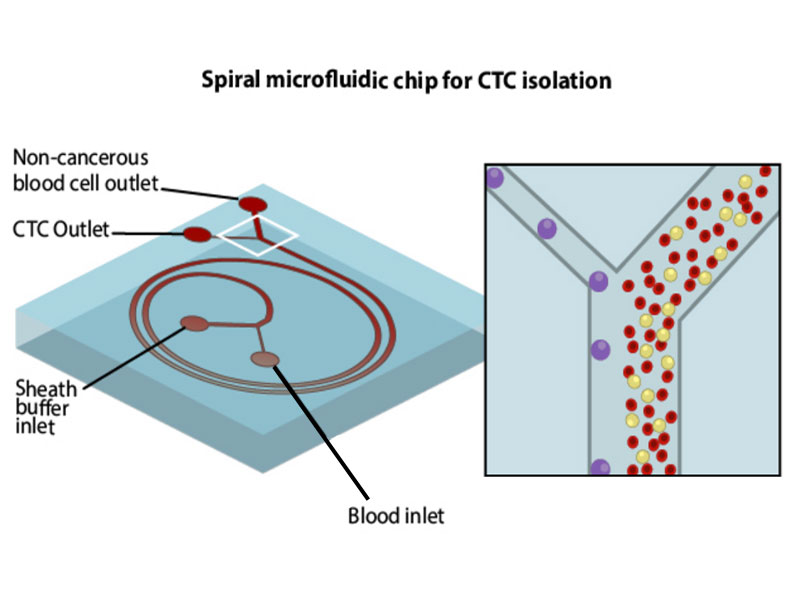
Microfluidics for Liquid Biopsies
A tool for point-of-care cancer diagnostics and treatment
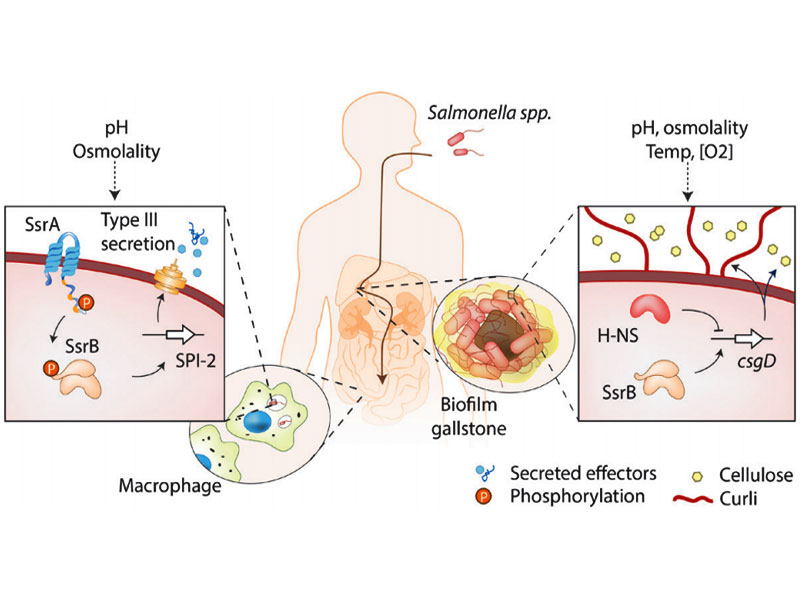
Salmonella Lifestyle Choices
A bacterial molecular switch between virulence or dormancy
Shaping Cell Behavior
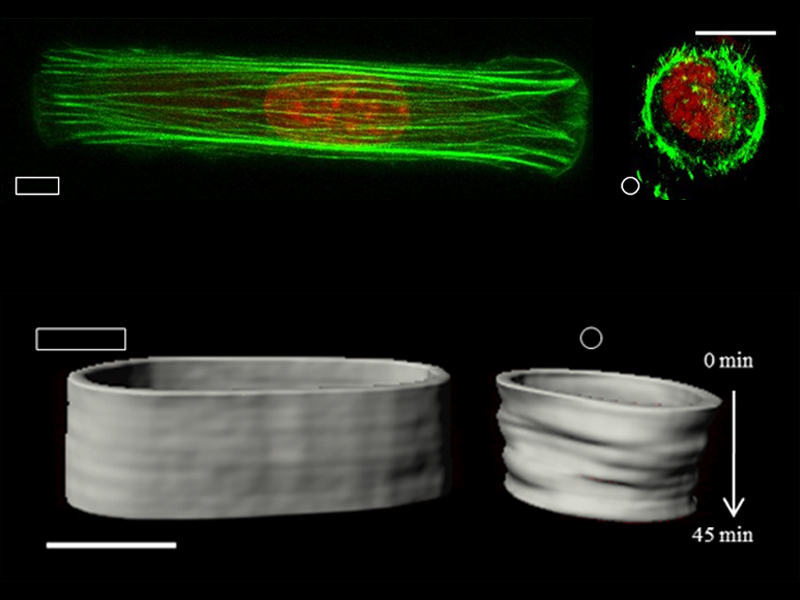
Clues to how external forces control nuclear activity
Adhesion ABC
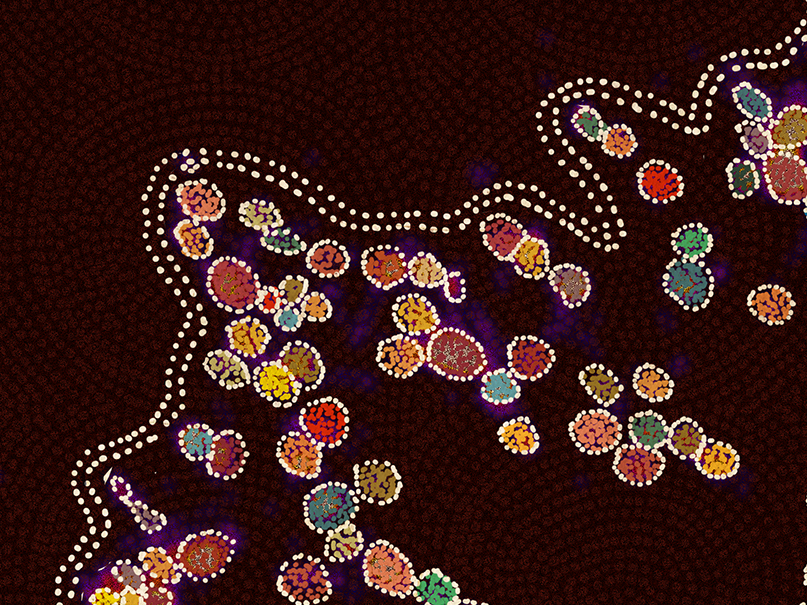
Integrin clusters are the universal units of cell adhesion
H-NS Proteins as Gene Silencers
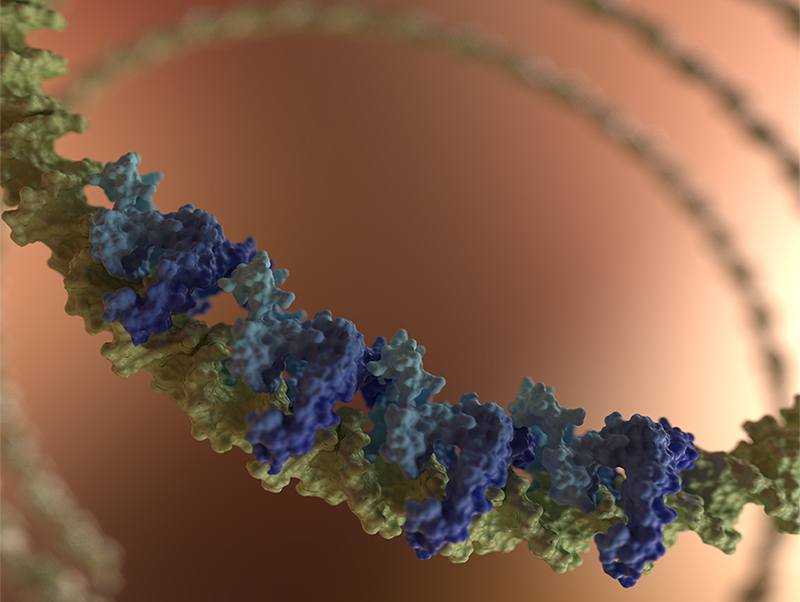
A gene-silencing nucleoprotein filament formed by H-NS family proteins