

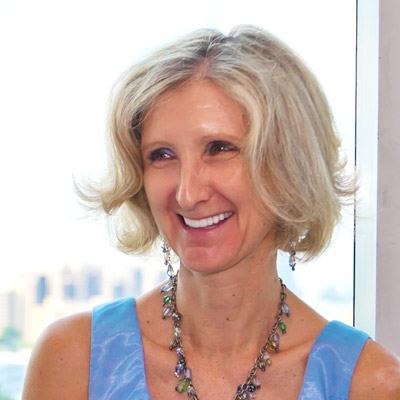
Linda J KENNEY
Alumni, Mechanobiology Institute, National University of Singapore
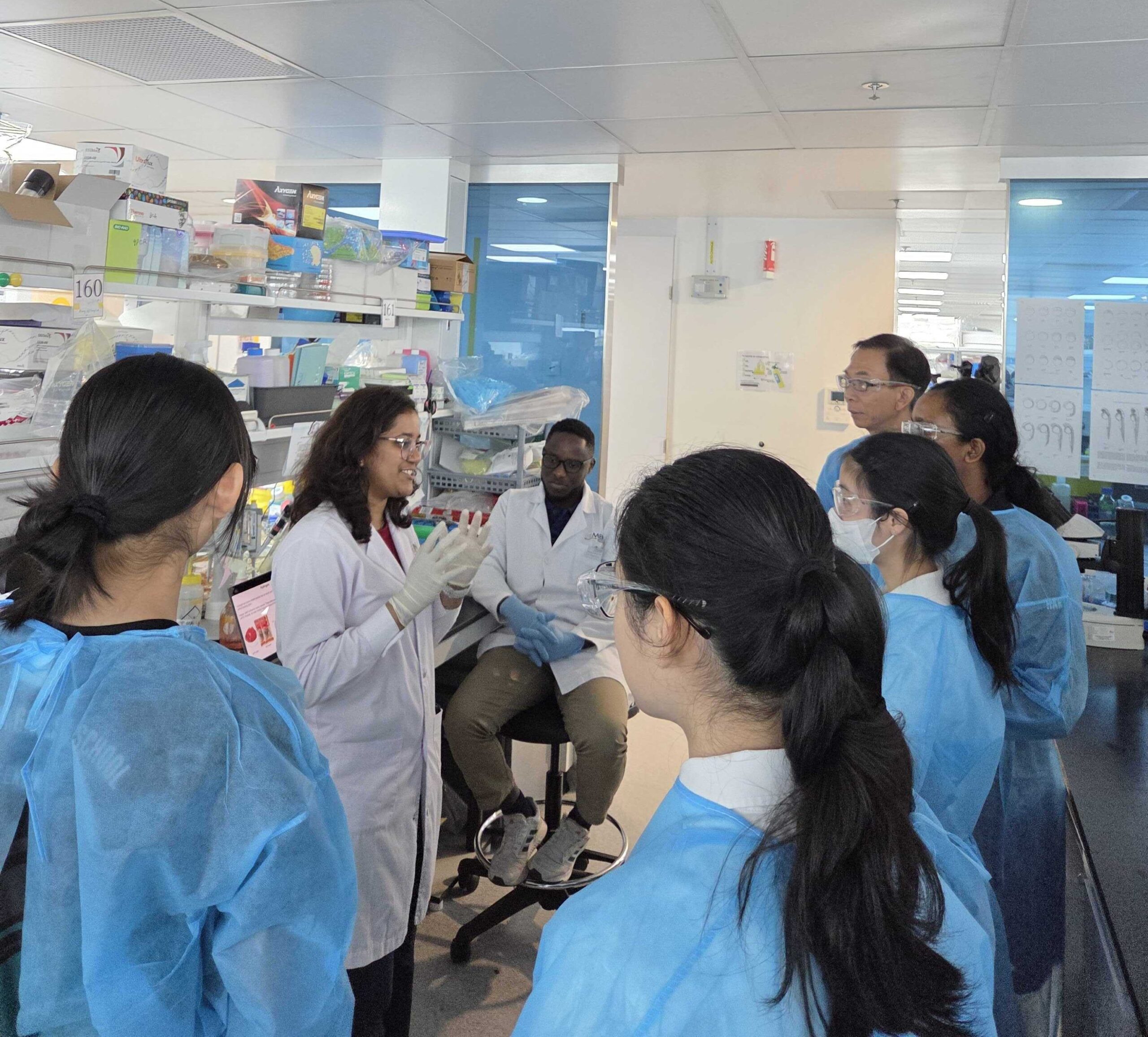
The Young Lab Welcome Visitors from Raffles Girls’ School!
The Young Lab hosted visitors from Raffles Girls' School as part of MBI's outreach event.
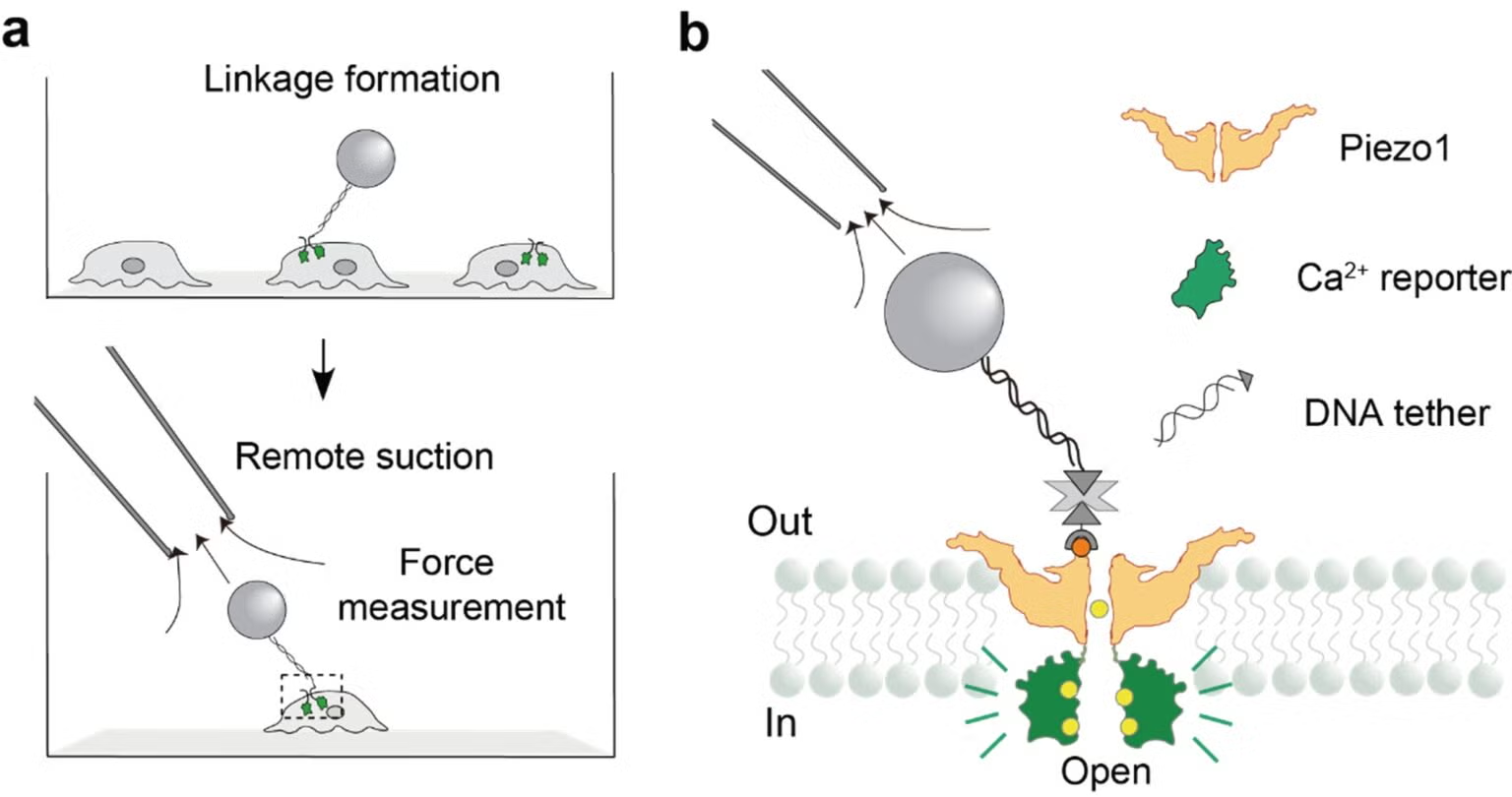
Force sensing in cells at the single molecule level
Professor Yan Jie and his team from the Mechanobiology Institute collaborated with Professor Liu Xiaogang from the Department of Chemistry, NUS, to determine the exact force needed to activate Piezo1, via a DNA-based approach.
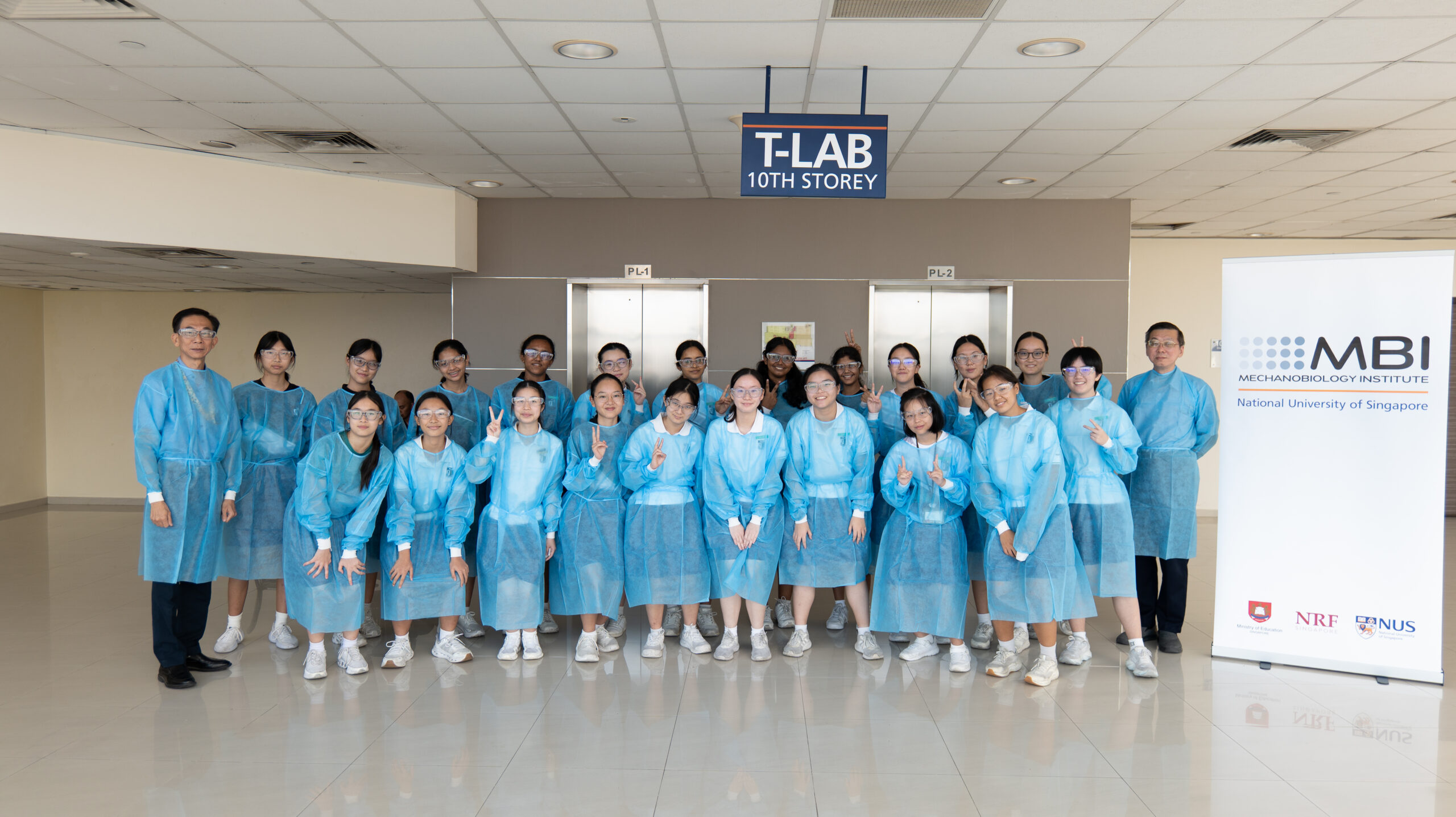
MBI Hosts Students from Raffles Girls School!
MBI hosted students from Raffles Girls School on 28 April 2026, for an outreach session designed to spark curiosity about mechanobiology and research careers.
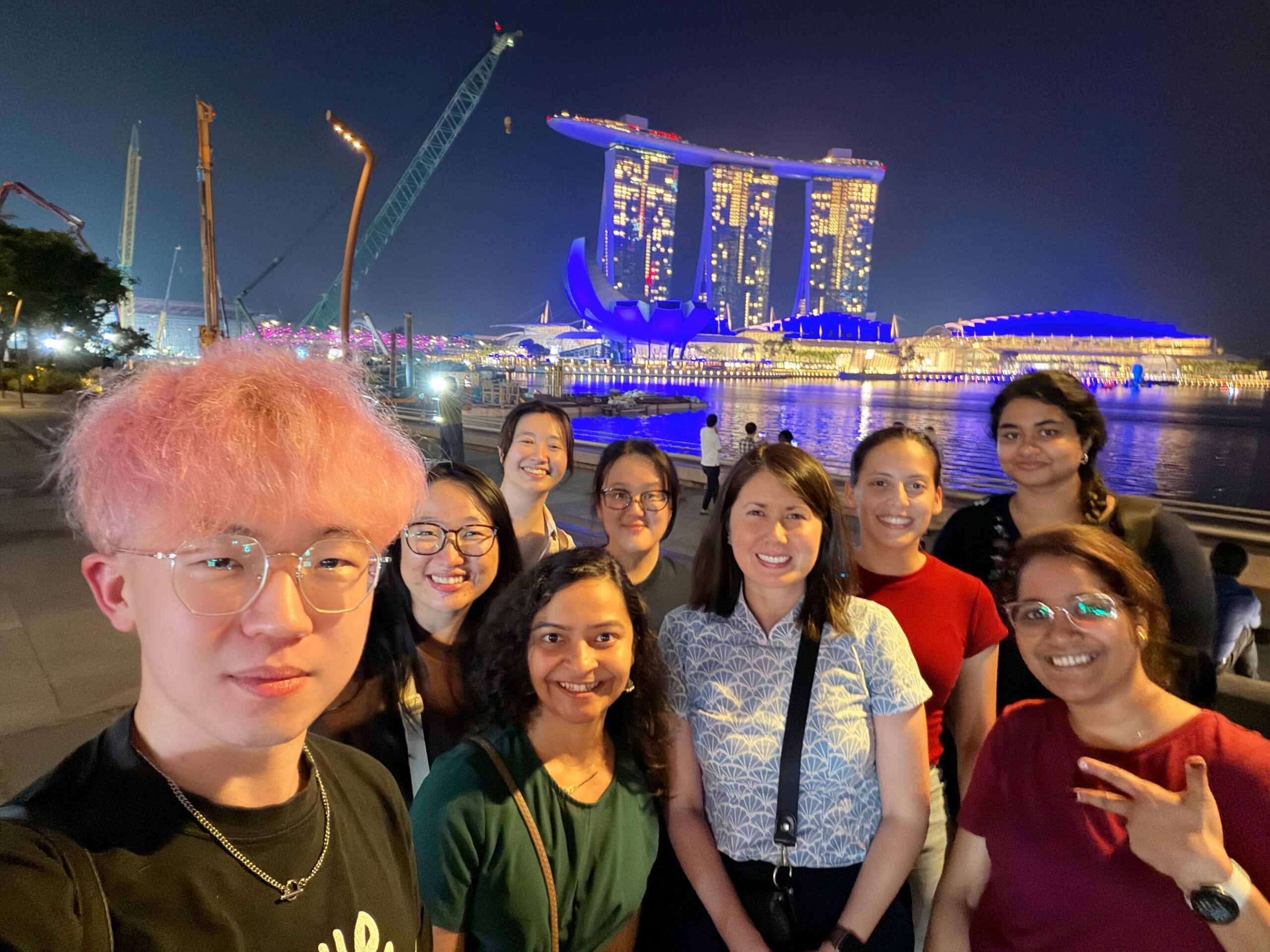
Farewell Avery, All the Best!
Farewell to Dr. Avery Rui Sun, a former PhD student at the Young Lab from 2021-2026!
Linda J Kenney
Alumni
Research Areas
Signal transduction in bacteria; Bacterial Pathogenesis; Mechanotransduction and osmotic signaling in E. coli; Mechanisms of anti-silencing of virulence genes in Salmonella
Research Interests
Our laboratory is interested in signal transduction and the regulation of gene expression in prokaryotes. In particular, we are studying the two-component regulatory system EnvZ/OmpR that regulates the expression of outer membrane proteins as well as many other genes. Our present work focuses on how OmpR activates genes required for systemic infection (located on Salmonella pathogenicity island 2) in Salmonella enterica.
The Kenney Lab’s research was recently featured in an article exploring the bacterial molecular switch between virulence or dormancy, Salmonella Lifestyle Choices. Members of her lab have discovered that the bacterial protein SsrB is the molecular switch for determining whether Salmonella infections become acute and virulent, or remain in a dormant carrier state.
The study is published in eLife (Desai et al., The horizontally-acquired response regulator SsrB drives a Salmonella lifestyle switch by relieving biofilm silencing, February 2, 2016, eLife 2016; 5: e10747, doi: 10.7554/eLife.10747). Read full article.
Biography
Dr Kenney is a Professor of Microbiology at the University of Illinois-Chicago. Her laboratory studies two-component systems in bacteria that control gene expression at a single cell and nanometer level.

Professor Linda J Kenney and Professor Michael Sheetz interviewed by the Washington Post at the April 2017 March for Science.
Education
PhD University of Pennsylvania
Recent Publications
- Fernandez M, Yamanaka Y, Zangoui P, White MA, and Kenney LJ. The sulfur assimilation pathway mitigates redox stress from acidic pH in Salmonella Typhi H58. mBio 2025;:e0046725. [PMID: 40422406]
- Shetty D, and Kenney LJ. A pH-sensitive switch activates virulence in Salmonella. Elife 2023; 12. [PMID: 37706506]
- Oh D, Liu X, Sheetz MP, and Kenney LJ. Small, Dynamic Clusters of Tir-Intimin Seed Actin Polymerization. Small 2023;:e2302580. [PMID: 37649226]
- Mon KKZ, Si Z, Chan-Park MB, and Kenney LJ. Polyimidazolium Protects against an Invasive Clinical Isolate of Salmonella Typhimurium. Antimicrob Agents Chemother 2022;:e0059722. [PMID: 36094258]
- Jacob H, Geng H, Shetty D, Halow N, Kenney LJ, and Nakano MM. Distinct Interaction Mechanism of RNAP and ResD and Distal Subsites for Transcription Activation of Nitrite Reductase in Bacillus subtilisψ. J Bacteriol 2021;:JB0043221. [PMID: 34898263]
- Singh MK, Zangoui P, Yamanaka Y, and Kenney LJ. Genetic code expansion enables visualization of Salmonella type three secretion system components and secreted effectors. Elife 2021; 10. [PMID: 34061032]
- Kenney LJ, and Anand GS. EnvZ/OmpR Two-Component Signaling: An Archetype System That Can Function Noncanonically. EcoSal Plus 2020; 9(1). [PMID: 32003321]
- Desai SK, and Kenney LJ. Switching Lifestyles Is an in vivo Adaptive Strategy of Bacterial Pathogens. Front Cell Infect Microbiol 2019; 9:421. [PMID: 31921700]
- Desai SK, Padmanabhan A, Harshe S, Zaidel-Bar R, and Kenney LJ. Salmonella biofilms program innate immunity for persistence in Caenorhabditis elegans. Proc. Natl. Acad. Sci. U.S.A. 2019;. [PMID: 31160462]
- Ottemann KM, and Kenney LJ. Editorial overview: Host-pathogen interactions: bacteria. Curr. Opin. Microbiol. 2019; 47:iii-v. [PMID: 31138403]
Lab Members
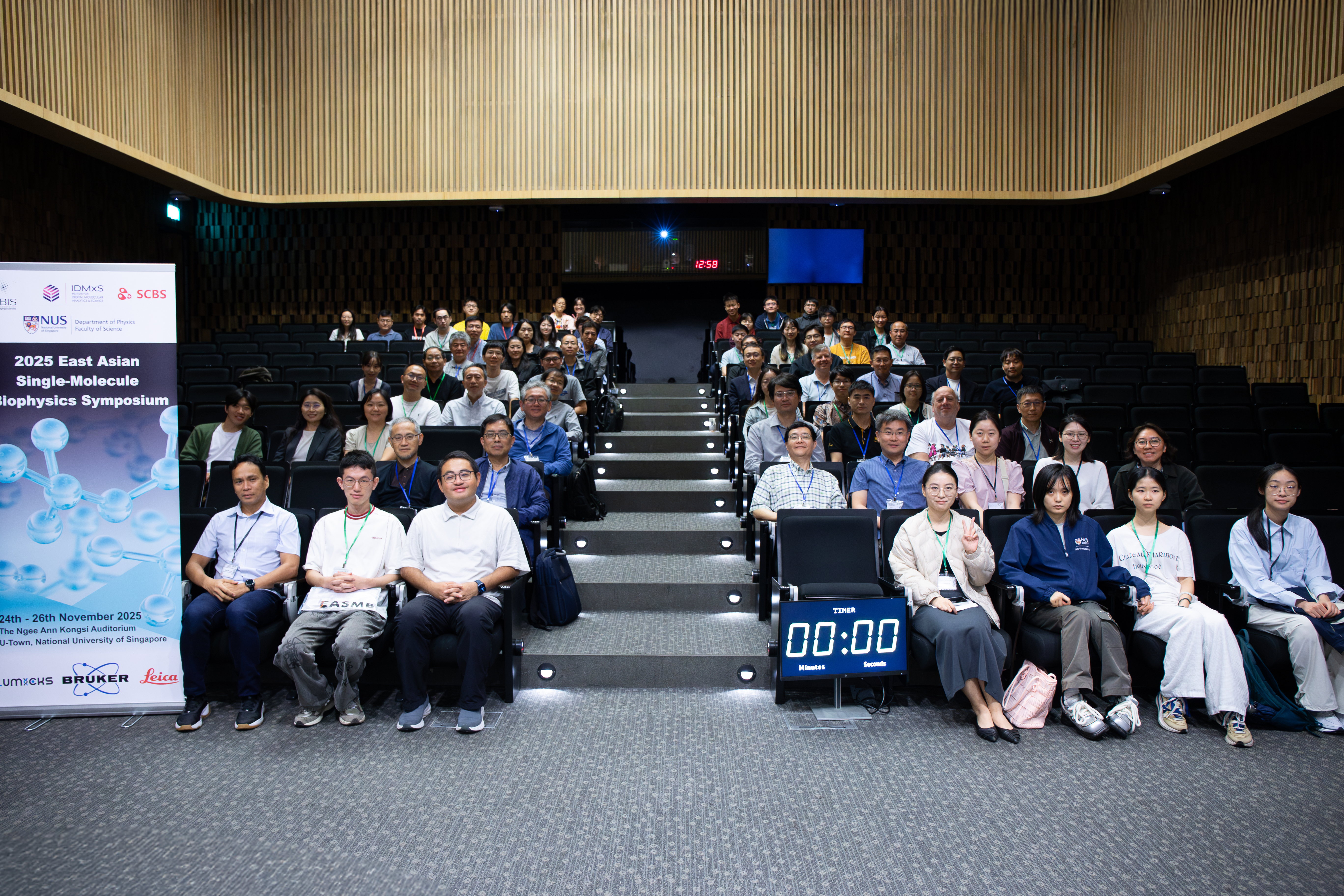
EASMB Symposium 2025 Showcases Global Participation and Relevance
The East Asian Single-Molecule Biophysics Symposium 2025 (EASMB2025) held from 24 to 26 November at the Ngee Ann Kongsi Auditorium in the Education Resource Centre, UTown, National University of Singapore showcased global participation and relevance.

Ng Inn Chuan
Research Associate, Yu Group

Byun Young Seo Christina
Research Assistant, Tee Group

Super proud of Arikta Biswas, whose work on theca cell mechanics and compressive stress is now published in Nature Communications!
A huge thanks to our collaborators and reviewers for offering their invaluable feedback as well! Read the article here.
The Pressure That Shapes Life: Mechanical Forces Behind Egg Maturation
Researchers from the Chan Lab at MBI demonstrate the importance of compressive stress exhibited by theca cells in healthy follicle maturation and surrounding support cells, suggesting a new perspective in understanding infertility.

Luo Xujie
Research Assistant, Lim Group
Prof. Lim Chwee Teck elected as an FREng, and received the Otto Schmitt Award
Professor Lim Chwee Teck elected as an International Fellow of the Royal Academy of Engineering and received the Otto Schmitt Award from IFMBE
Yee Zhuangli
Research Fellow, Low Group
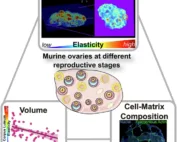
Quantitative Micro-Elastography: New Imaging Tool Uncovers Age-Dependent Mechanical Changes in Ovarian Tissue
Researchers from the Chan Lab at MBI develop a a novel method called quantitative micro-elastography to create detailed 3D maps of ovarian stiffness in mice—revealing crucial insights that could lead to new infertility treatments.

Jie Zhang
Research Fellow, Lim Group

Sui Mingyu
Research Fellow, Yan Jie Group
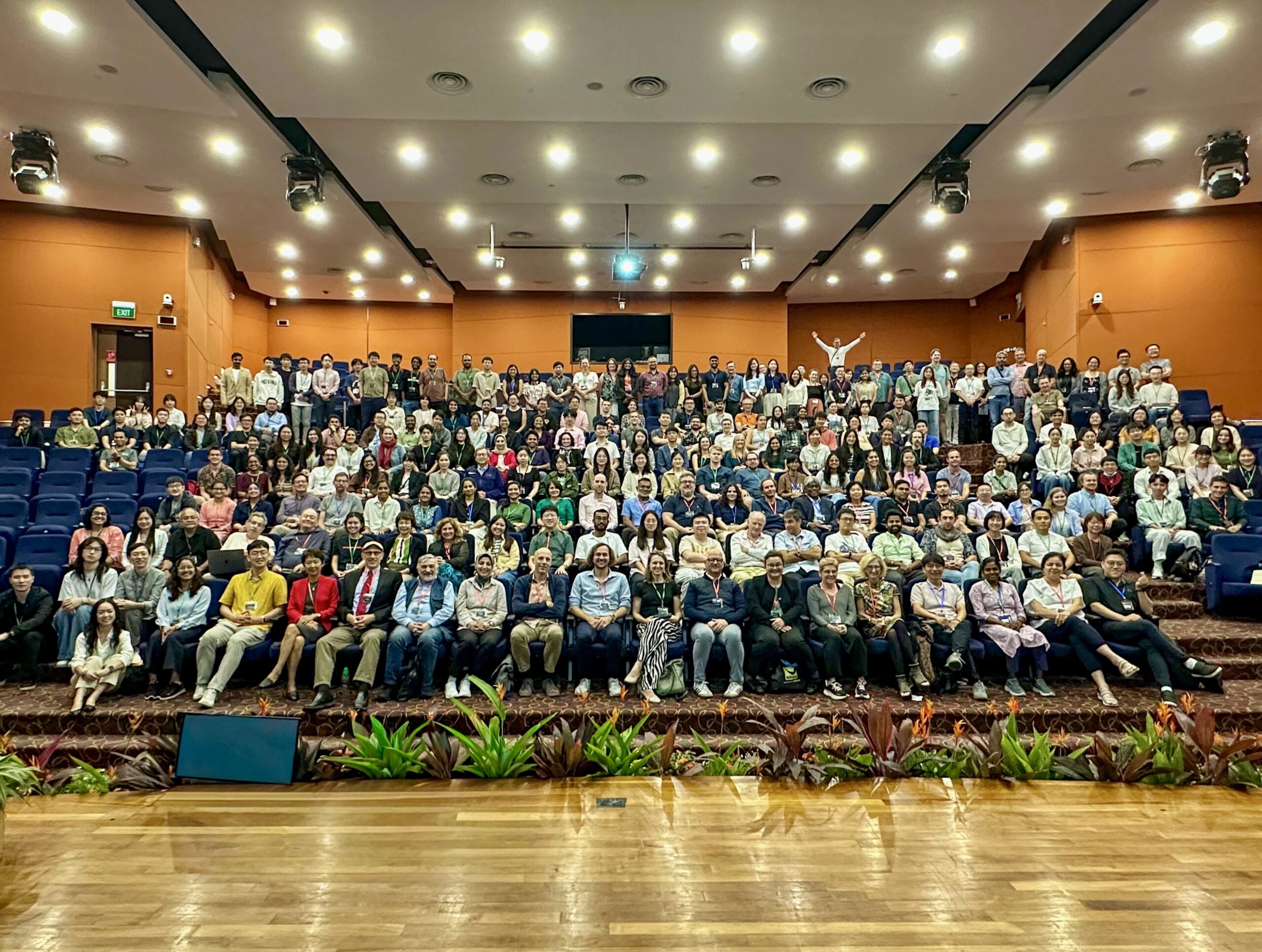
MBI-MPG Conference 2025: Mechanobiology in Space and Time
The MBI-MPG Conference 2025 was held from 9-12th September at the Mechanobiology Institute, National University of Singapore.