

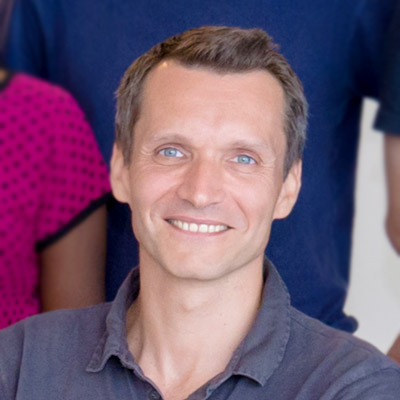
Benoit LADOUX
Visiting Faculty, Mechanobiology Institute, National University of Singapore, Research Director, Université Paris Diderot & Centre National de la Recherche Scientifique (CNRS)
Laboratory website
Cell Adhesion and Mechanics Lab
Research Program
Mechanotransduction in Tissues Group
Affiliations
Research Director, Université Paris Diderot & Centre National de la Recherche Scientifique (CNRS)
How are adherens junctions assembled?
How are adherens junctions assembled? Introduction to the Assembly of Adherens Junctions In situations where migrating cells first encounter each other to form junctions, changes in cellular morphology have been observed and correlated with [...]
What are adherens junctions?
What are adherens junctions? Adherens junctions (AJs) are cell-cell adhesion complexes that are continuously assembled and disassembled, allowing cells within a tissue to respond to forces, biochemical signals and structural changes in their microenvironment. [...]
What are tight junctions?
What are tight junctions? Tight junctions, also known as Zonula Occludens, are cell-cell adhesion complexes that play a role in the organization of epithelial tissue. By forming a meshwork of membrane contacts around the [...]
What are selectins?
What are selectins? Members of the selectin family, E-selectin (endothelial), L-selectin (leukocyte) and P-selectin (platelet), all of which bind to fucosylated carbohydrates [1]. For example P-selectin on leukocytes binds PSGL-1 (P-selectin glycoprotein ligand-1) on [...]
What are anchoring junctions?
What are anchoring junctions? Cells adhere to the ECM, or to other cells, via complexes that can collectively be called anchoring junctions (reviewed in [1][2]). These multiprotein complexes are found in all cell types [...]
How do post-translational modifications of cell-cell adhesions impact their stability?
How do post-translational modifications of cell-cell adhesions impact their stability? Post-translational modification of adhesion complex components is one of the most complicated aspects in the regulation of cell-cell adhesions. It involves an array of [...]
Benoit Ladoux
Visiting Faculty
Research Areas
Epithelial cell migration; microfabrication for cell mechanics; influence of the mechanical environments on cell functions; mechanotransduction
Research Interests
Our research aims at understanding how living organisms interact with their environment. In particular, we are studying the cooperation between adhesion, biomechanical and biochemical signaling for the adaptation of living organisms to changes in their environment. To probe these questions, our laboratory has developed a repertoire of micro- and nano-fabrication tools to control and measure the chemical and mechanical environment of cells. Our research programme thus focuses on the integration of novel microfabricated devices for the quantitative imaging of living organisms.
Biography
With a background in Physics, Prof Ladoux started his career at Curie Institute working on single molecule biophysics. He worked on two main problems combining statistical physics, microfabrication and molecular biology: 1) chromatin condensation in real time; 2) fluctuations of a single polymer under shear flows. After a post-doc on cell mechanics, he used his knowledge in biophysics and microfabrication to start a new subject on mechanical studies of cell migration and adhesion at the University Paris Diderot. He developed microsystems to characterise the mechanical interactions of cells with their migration support. He is currently working on rigidity sensing, collective cell migration and tissue homeostasis.
Recent Publications
- Shiratsuchi N, Fujita Y, Simon de Beco , Daubech C, Ladoux B, Grata A, Levayer R, Magny E, O'Brien LE, Priya R, Mitchell SJ, Rosenblatt J, Rupprecht J, Stockmann L, Sedzinski J, Roquin L, Suzanne M, Toyama Y, Matekcic M, Trepat X, Vinzens S, Wickström SA, Lwin AKO, and Yap AS. Meeting report - CellExIt#1, the first international symposium on cell extrusion. J Cell Sci 2026; 139(14). [PMID: 42504880]
- Balasubramaniam L, Monfared S, Ardaševa A, Rosse C, Schoenit A, Dang T, Maric C, Hautefeuille M, Kocgozlu L, Chilupuri R, Dubey S, Marangoni E, L Doss B, Chavrier P, Mège R, Doostmohammadi A, and Ladoux B. Dynamic forces shape the survival fate of eliminated cells. Nat Phys 2025;. [PMID: 40636322]
- Kawaue T, Yow I, Pan Y, Le AP, Lou Y, Loberas M, Shagirov M, Teng X, Prost J, Hiraiwa T, Ladoux B, and Toyama Y. Inhomogeneous mechanotransduction defines the spatial pattern of apoptosis-induced compensatory proliferation. Dev Cell 2023;. [PMID: 36800994]
- Sonam S, Balasubramaniam L, Lin S, Ivan YMY, Jaumà IP, Jebane C, Karnat M, Toyama Y, Marcq P, Prost J, Mège R, Rupprecht J, and Ladoux B. Mechanical stress driven by rigidity sensing governs epithelial stability. Nat Phys 2022; 19:132-141. [PMID: 36686215]
- Rose N, Estrada Chavez B, Sonam S, Nguyen T, Grenci G, Bigot A, Muchir A, Ladoux B, Cadot B, Le Grand F, and Trichet L. Bioengineering a miniaturized in vitro 3D myotube contraction monitoring chip to model muscular dystrophies. Biomaterials 2022; 293:121935. [PMID: 36584444]
- . https://www.ncbi.nlm.nih.gov/pubmed/36103541
- Yang Y, Nguyen E, Sankara Narayana GHN, Heuzé M, Fu C, Yu H, Mège R, Ladoux B, and Sheetz MP. Local contractions regulate E-cadherin rigidity sensing. Sci Adv 2022; 8(4):eabk0387. [PMID: 35089785]
- . https://www.ncbi.nlm.nih.gov/pubmed/33850145
- Latorre E, Kale S, Casares L, Gómez-González M, Uroz M, Valon L, Nair RV, Garreta E, Montserrat N, Del Campo A, Ladoux B, Arroyo M, and Trepat X. Addendum: Active superelasticity in three-dimensional epithelia of controlled shape. Nature 2021;. [PMID: 33846613]
- Balasubramaniam L, Doostmohammadi A, Saw TB, Narayana GHNS, Mueller R, Dang T, Thomas M, Gupta S, Sonam S, Yap AS, Toyama Y, Mège R, Yeomans JM, and Ladoux B. Author Correction: Investigating the nature of active forces in tissues reveals how contractile cells can form extensile monolayers. Nat Mater 2021;. [PMID: 33750921]
Lab Members

MBInsights Annual Archive
MBInsights Home Science Features News Awards Outreach Events MBInsights Annual MBInsights Annual Archive MBI Science Communications An annual summary of research at the Mechanobiology Institute, National [...]

MBInsights Annual 2017
MBInsights Home Science Features News Awards Outreach Events MBInsights Annual MBInsights Annual 2017 Edition MBI Science Communications | NOV 2017 An annual summary of research at [...]
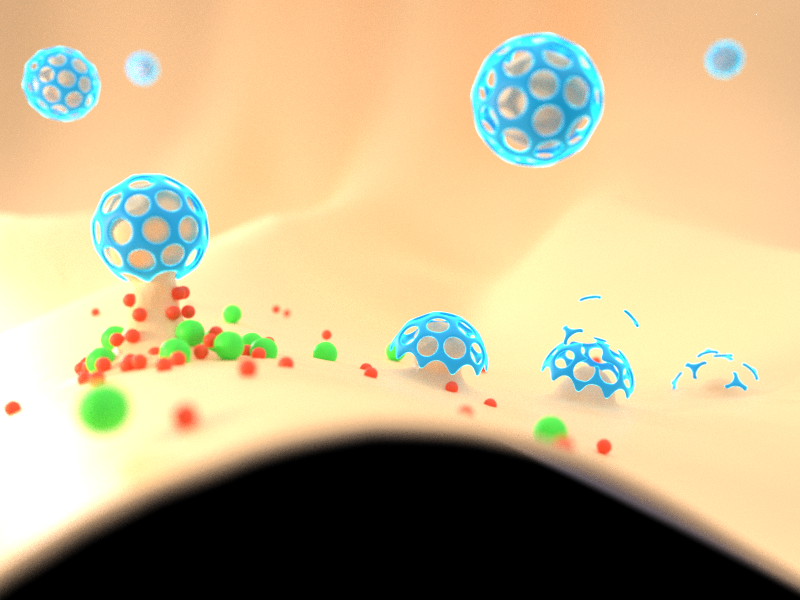
Synchrony of Waves
The collective dynamics of endocytosis
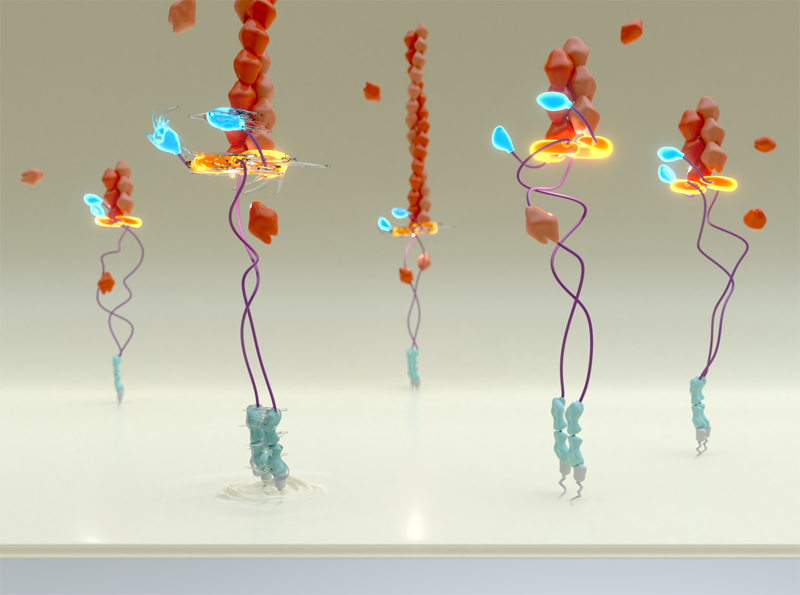
Sensing Force and Torque
Mechanical regulation of actin polymerization by formins
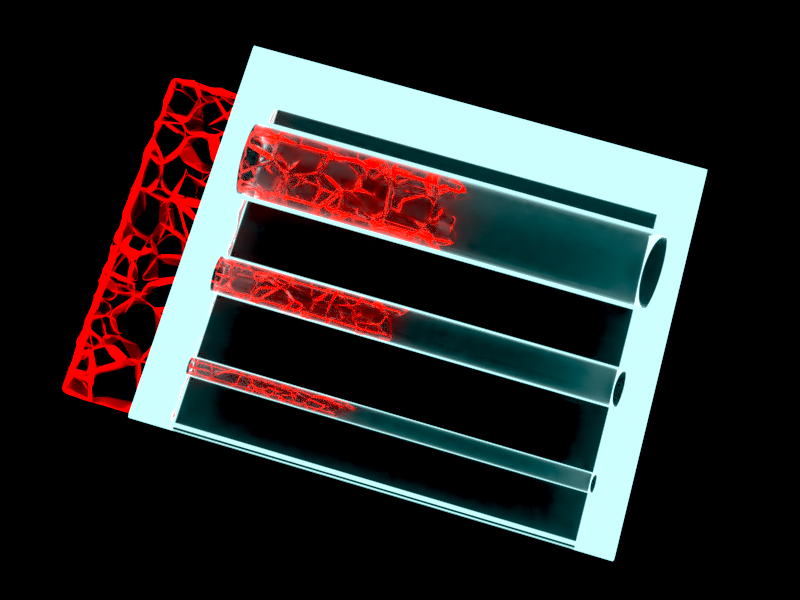
Confined movements
How cells form tubes in confined spaces

2017 National Day Honours: MBI staff member Tan Bee Lay awarded Long Service Medal
Congratulations to MBI’s own Tan Bee Lay for her award of the Long Service Medal by the President of the Republic of Singapore in recognition of her contributions to the University.
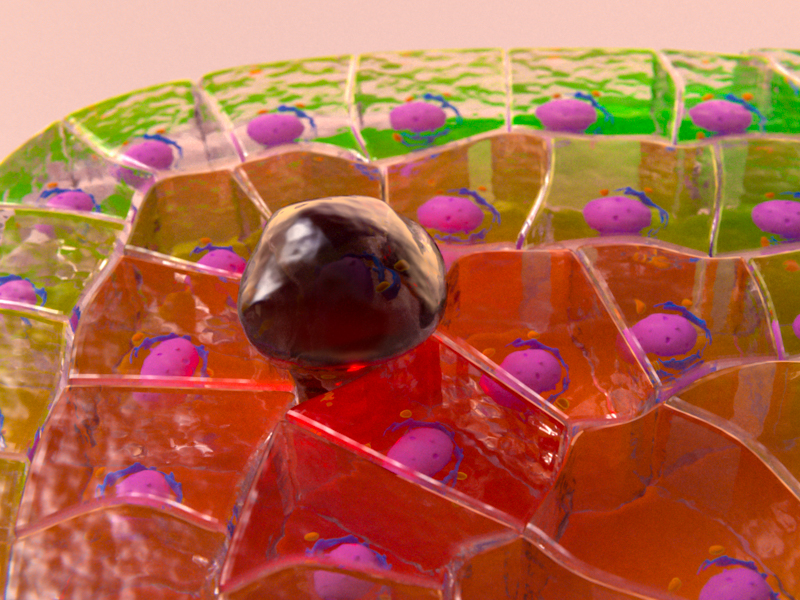
Defects in Epithelial Tissue Organization
A question of life and death
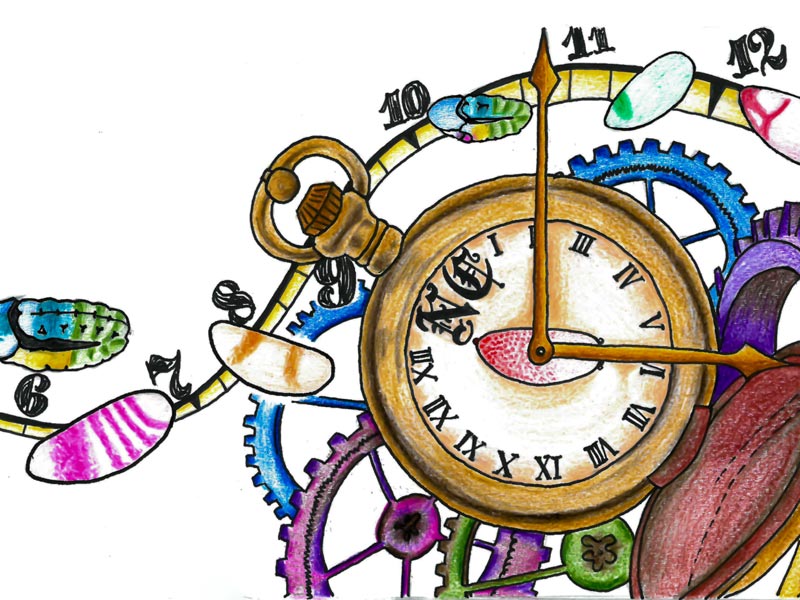
Development in Time and Space
Shedding light on the importance of time in embryo development
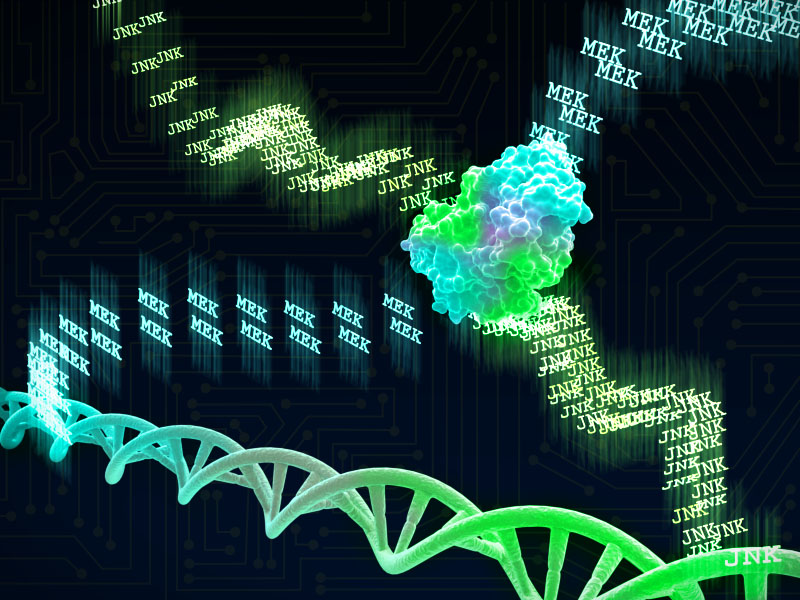
The (BP)GAP Between Signaling Pathways
To grow or not to grow?
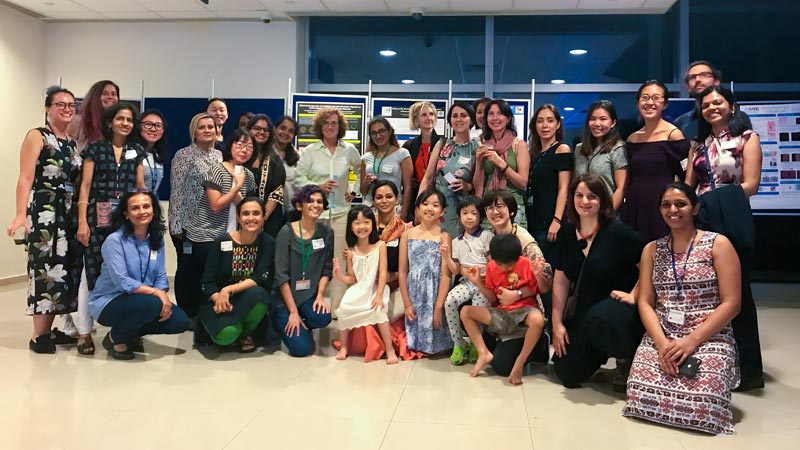
Gender Gaps in Science: BIOS 2017 Panel Discussion on Women in Science
MBI hosted BIOS2017 on Friday, the 15th of September. The scientific talks were followed by an hour-long panel discussion that was aimed at bringing out the various contributing factors towards gender gaps at work place.
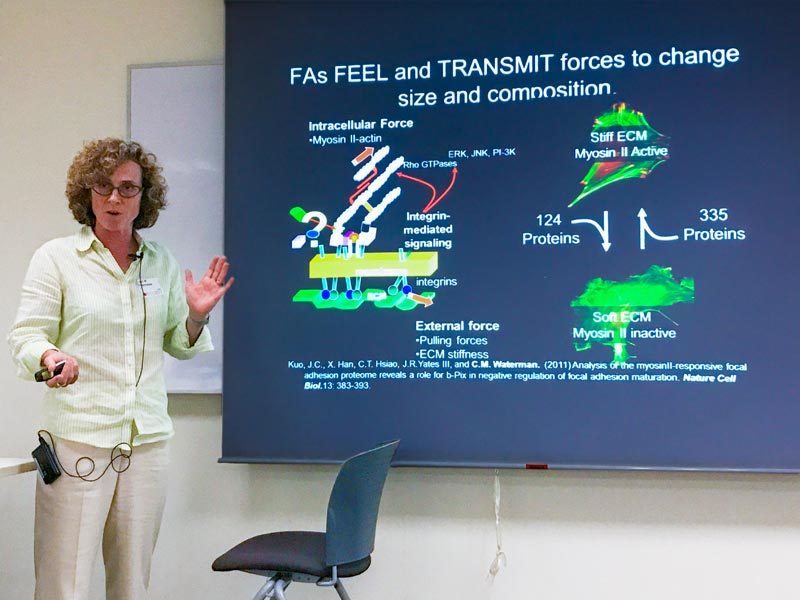
BIOS 2017: Post-event report
MBI NUS hosted BIOS2017 on 15th of September. BIOS, a MBI Women in Science initiative, is a unique national-level biology symposium that aims to bring together women researchers in Singapore from diverse realms of life sciences research.
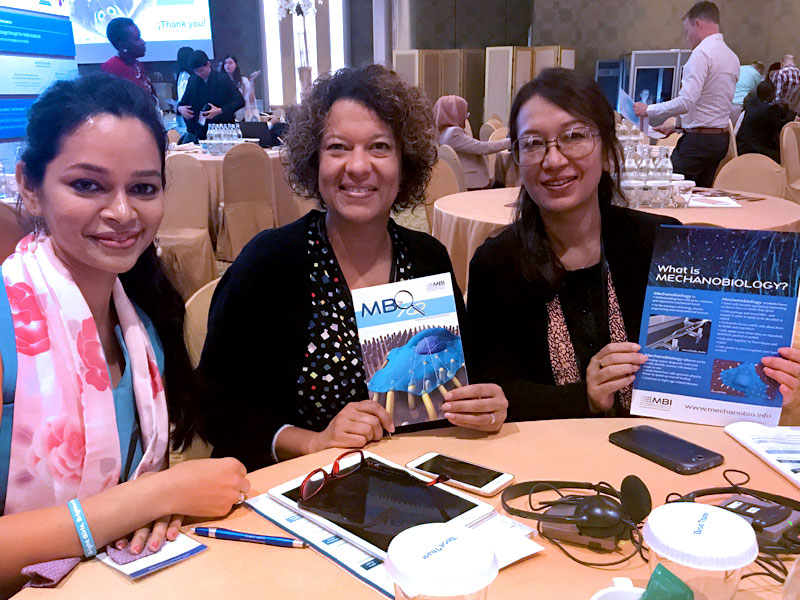
2017 UNESCO Symposium: Cracking the Code: Girls Education in STEM, a report
The symposium explored multi-pronged approaches to tackle gender gaps in STEM education at the individual, family & peers, schools/educational institutions, society and government levels.