


SAW Thuan Beng
Alumni, Research Associate, Mechanobiology Institute, National University of Singapore
mbistb@nus.edu.sg
Level 9 T-Lab
National University of Singapore
5A Engineering Drive 1
Singapore 117411
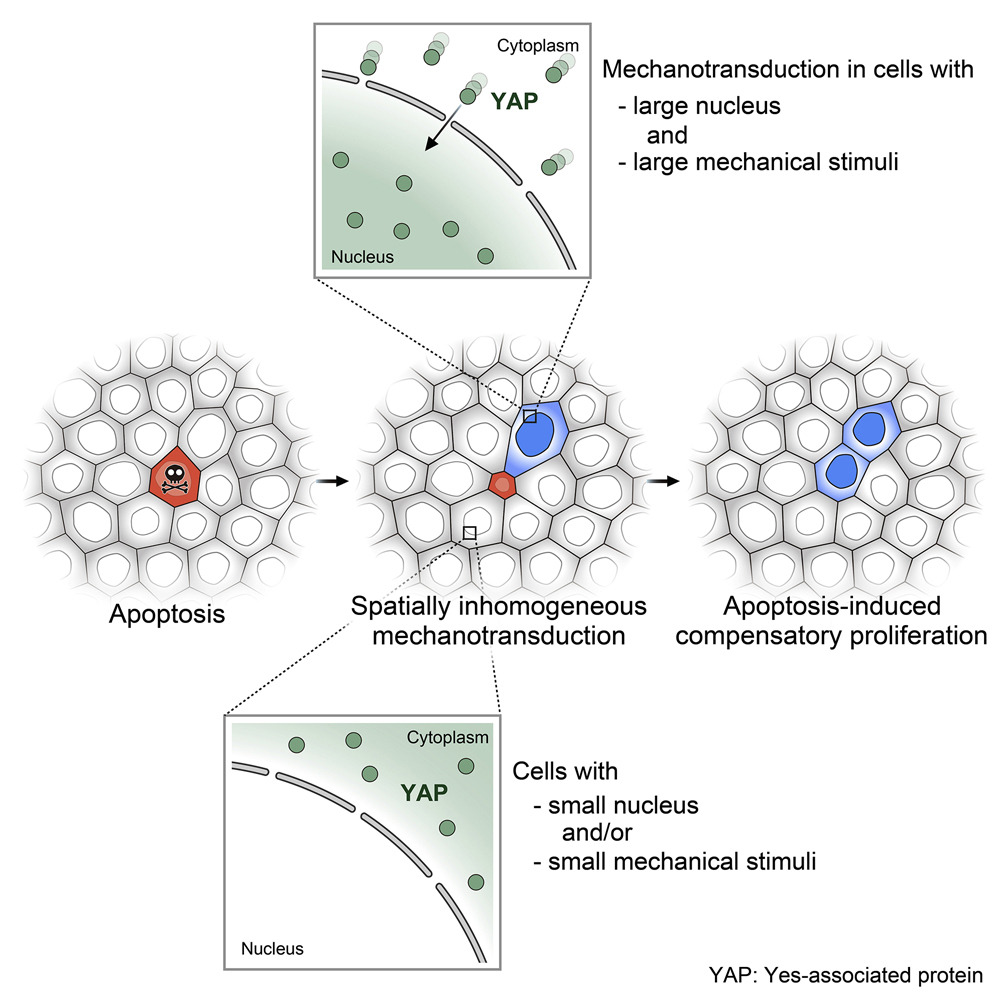
How Dying Cells Signal Growth: Mechanical Forces Drive Targeted Cell Proliferation after Apoptosis
Researchers from the Toyama Lab at MBI reveal how mechanical factors control apoptosis and cell replacement.

Scientists Develop AI-Driven Tool to Map 3D Cellular Landscapes
Researchers from the Beghin Lab at the Mechanobiology Institute, NUS combine DeepStar3D algorithm and 3DCellScope interface to develop an experimental tool for real-time interaction with cell data.
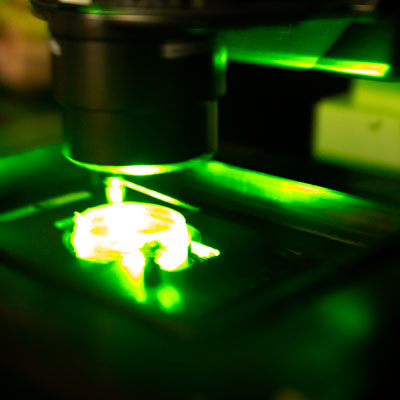
Seeking Research Assistant in Transmission Electron Microscopy at the Mechanobiology Institute, NUS
We are seeking a Research Assistant in Transmission Electron Microscopy (TEM) at the Mechanobiology Institute, NUS
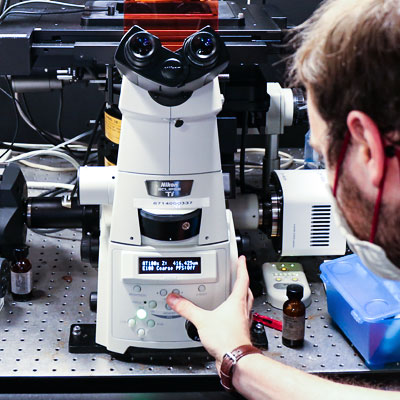
Seeking Research Fellow in Transmission Electron Microscopy at the Mechanobiology Institute, NUS
We are seeking a Research Fellow in Transmission Electron Microscopy at the Mechanobiology Institute, NUS
Hu Yuqi
Research Assistant, Yu Group
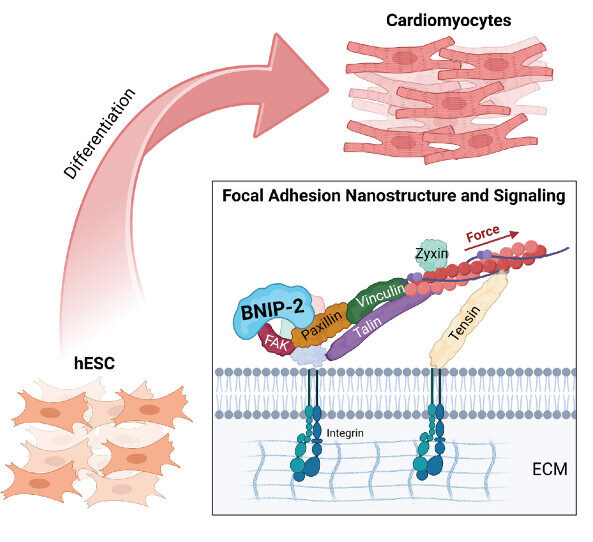
The Nano-Heartbuilder: BNIP-2 Influences Mechanosensing in Cardiomyoblast Differentiation
Researchers from the Low Lab at MBI discover a crucial role for the scaffold protein BNIP-2 in orchestrating focal adhesion dynamics during early heart development, offering new insights into heart regeneration strategies.
Saw Thuan Beng
Alumni, Research Associate
Principal Investigator
Research Interests
Recent Publications
- Jiang X, Xu P, Feng F, Grenci G, and Saw TB. Revealing Electromechanical Control of Tissue Homeostasis Using a Two-Layer Microfluidic Device. J Vis Exp 2025;(223). [PMID: 41052031]
- Wang Y, Wang Y, Zhu Y, Yu P, Zhou F, Zhang A, Gu Y, Jin R, Li J, Zheng F, Yu A, Ye D, Xu Y, Liu Y, Saw TB, Hu G, Lim CT, and Yu F. Angiomotin cleavage promotes leader formation and collective cell migration. Dev Cell 2024;. [PMID: 39389053]
- Delanoë-Ayari H, Hiraiwa T, Marcq P, Rieu J, and Saw TB. 2.5D Traction Force Microscopy: Imaging three-dimensional cell forces at interfaces and biological applications. Int J Biochem Cell Biol 2023;:106432. [PMID: 37290687]
- . https://www.ncbi.nlm.nih.gov/pubmed/36103541
- Balasubramaniam L, Doostmohammadi A, Saw TB, Narayana GHNS, Mueller R, Dang T, Thomas M, Gupta S, Sonam S, Yap AS, Toyama Y, Mège R, Yeomans JM, and Ladoux B. Author Correction: Investigating the nature of active forces in tissues reveals how contractile cells can form extensile monolayers. Nat Mater 2021;. [PMID: 33750921]
- Balasubramaniam L, Doostmohammadi A, Saw TB, Narayana GHNS, Mueller R, Dang T, Thomas M, Gupta S, Sonam S, Yap AS, Toyama Y, Mège R, Yeomans JM, and Ladoux B. Investigating the nature of active forces in tissues reveals how contractile cells can form extensile monolayers. Nat Mater 2021;. [PMID: 33603188]
- Teo JL, Lim CT, Yap AS, and Saw TB. A Biologist's Guide to Traction Force Microscopy Using Polydimethylsiloxane Substrate for Two-Dimensional Cell Cultures. STAR Protoc 2020; 1(2):100098. [PMID: 33111126]
- Chen T, Saw TB, Mège R, and Ladoux B. Mechanical forces in cell monolayers. J. Cell. Sci. 2018; 131(24). [PMID: 30573527]
- Saw TB, Xi W, Ladoux B, and Lim CT. Biological Tissues as Active Nematic Liquid Crystals. Adv. Mater. Weinheim 2018;:e1802579. [PMID: 30156334]
- Saw TB, Doostmohammadi A, Nier V, Kocgozlu L, Thampi S, Toyama Y, Marcq P, Lim CT, Yeomans JM, and Ladoux B. Topological defects in epithelia govern cell death and extrusion. Nature 2017; 544(7649):212-216. [PMID: 28406198]