

She is Becoming: Curiosity, Comparison and the Making of a Scientist
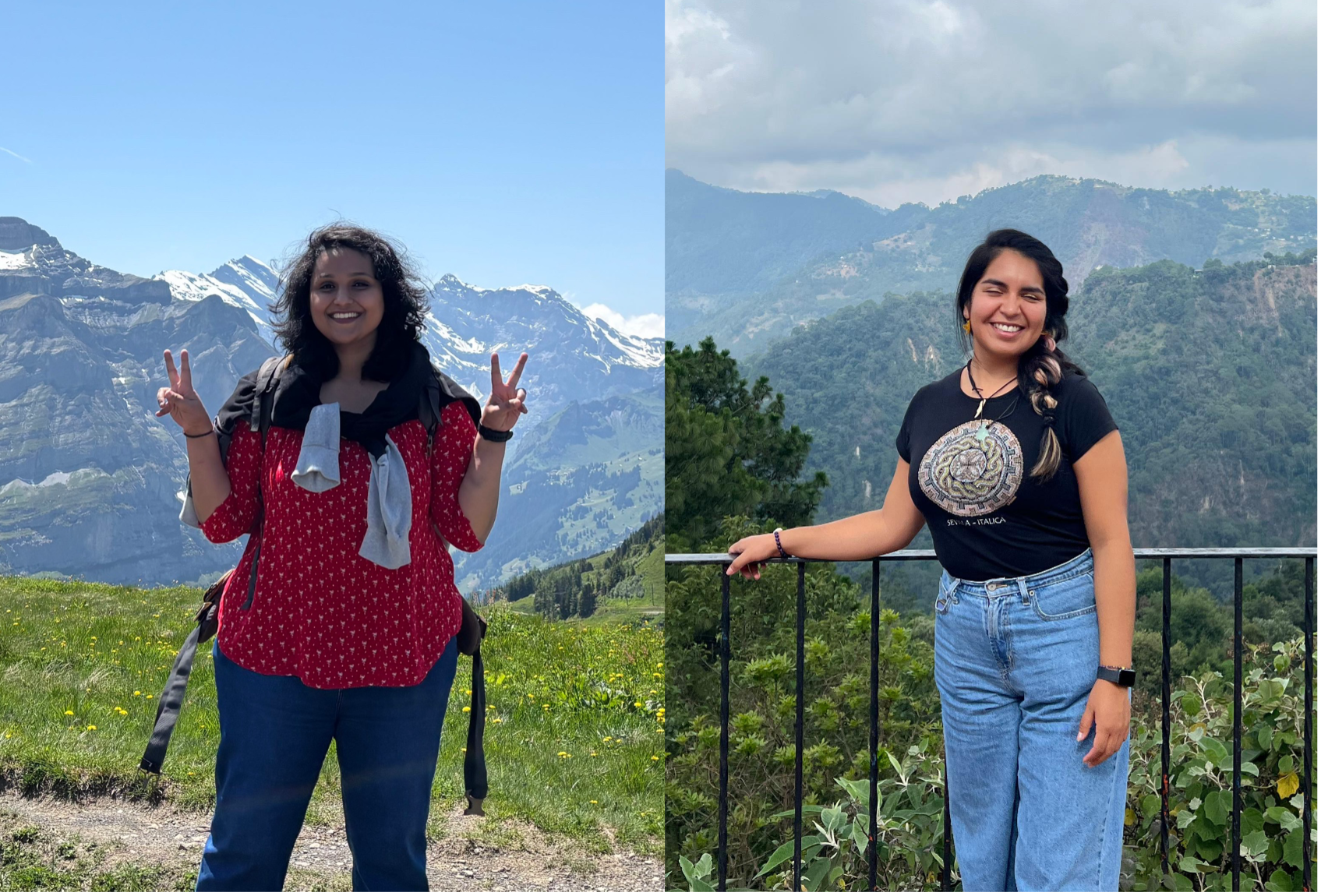
February 11th celebrates The International Day of Women and Girls in Science to promote full, equal access and participation in STEM fields. MBI talks to two of our PhD students about their journey in becoming a scientist as women.
How Structural Imbalance Drives Inflammatory Signaling in Senescent Cells
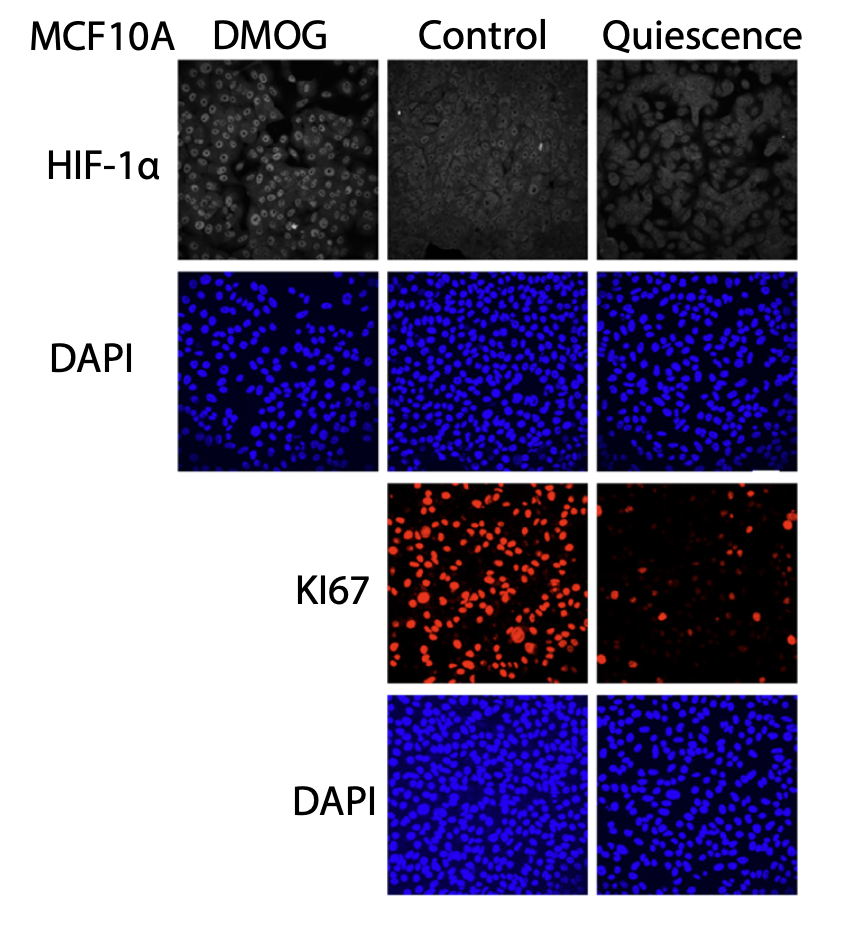
In a study published in Molecular Biology of the Cell led by Celestine Ho at the Mechanobiology Institute, NUS, researchers discover that HIF-1α-activation in SASP is a defining feature of the SASP induced by diverse stressors, acting independently of micronuclei generation and cGAS/STING activation.
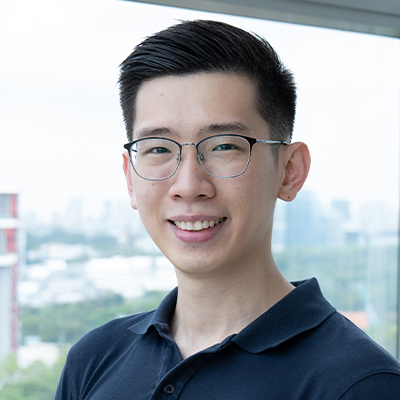
Chin Sze Khen
Research Assistant, Yu Group
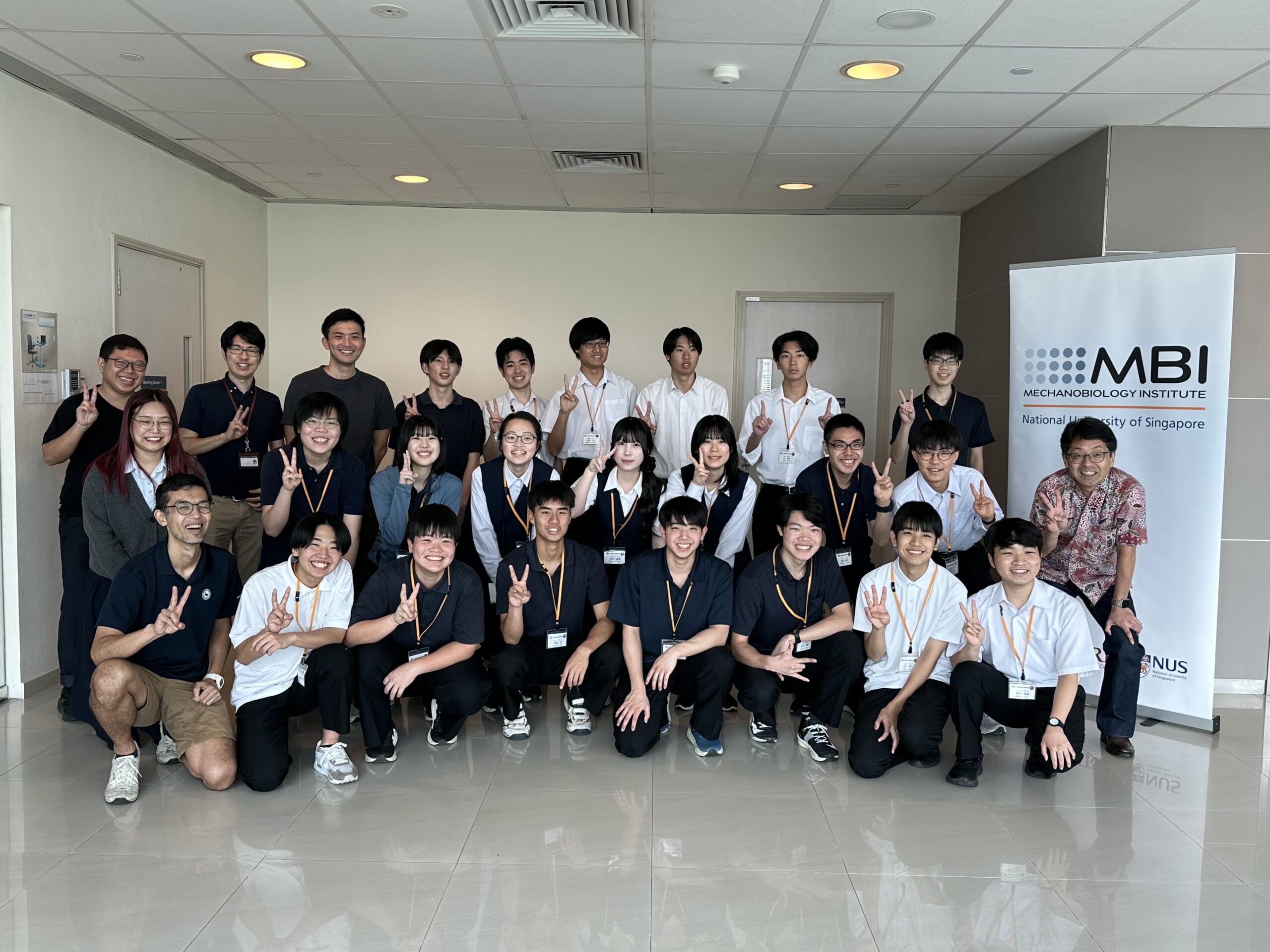
MBI Hosts Students from Sakura High School!
MBI hosted students from Sakura High School, Chiba, Japan on 22nd January 2026 for an outreach session designed to spark curiosity about mechanobiology and research careers.
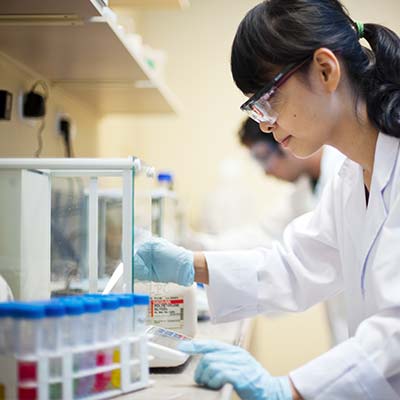
Seeking Research Assistant in the Young Laboratory, Mechanobiology Institute, NUS
The Mechanobiology Institute, NUS seeks to recruit a Research Assistant to join us in the research group of Asst. Prof. Jennifer Young.
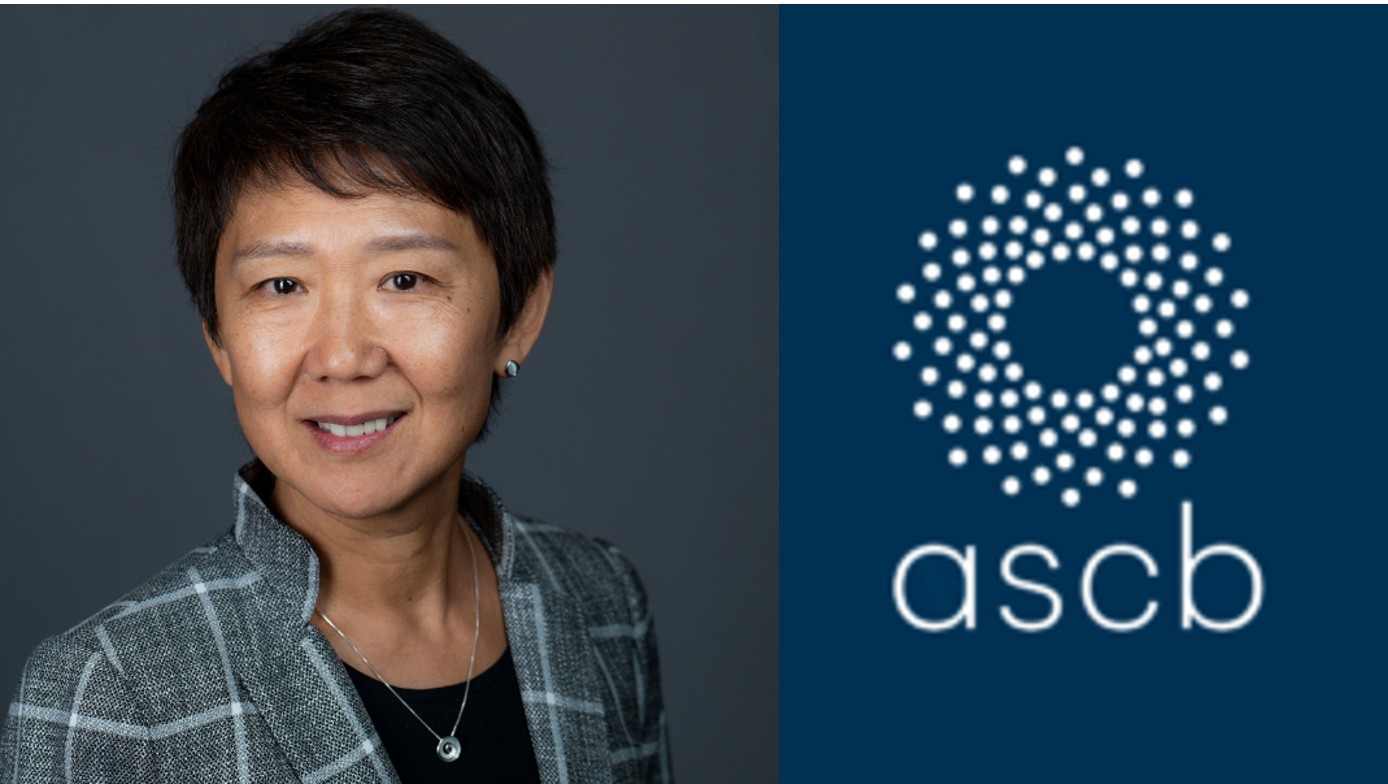
Beyond the Trend: Creating the Next Frontier in Cell Biology
Beyond the Trend: Creating the Next Frontier in Cell Biology. A message from Prof. Rong Li, MBI Director and 2026 President of the American Society for Cell Biology.
Ding Wei Yung
Alumni
Principal Investigator
Research Interests
Cell-Matrix and Cell-Cell Mechanotransduction, Molecular Mechanisms of Mechanobiology
Wei Yung’s interest lies in understanding the sophistication of cells as robust machines. Using C. elegans, a 1mm nematode, as a model system, he investigates the cellular machinery underlying newly fertilized zygotes that drives critical force-dependent processes such as polarization and cytokinesis.
Biography
Wei Yung completed his Bachelor’s degree in Bioengineering (Second Class Upper) from the National University of Singapore in 2012. In his honors dissertation under the co-supervision of Professor James Goh and Professor Wong Hee Kit, he optimized the conditions required for the construction of interbody spinal fusion device using primary adipose stem cells seeded in a biodegradable polycaprolactone/tricalcium sulphate (PCL/TCP) scaffold. The work was presented in the Bioengineering Showcase 2012 and he was awarded the Best Poster Award. After he was enrolled in the Mechanobiology Graduate Program, he joined Dr. Zaidel-Bar’s Cell Adhesion and Morphogenesis Lab and is currently searching for novel genes involved in regulating C. elegans early embryogenesis.