
Violet vs. Blue: Controlling Mechanotransduction with a Single-protein Light Switch
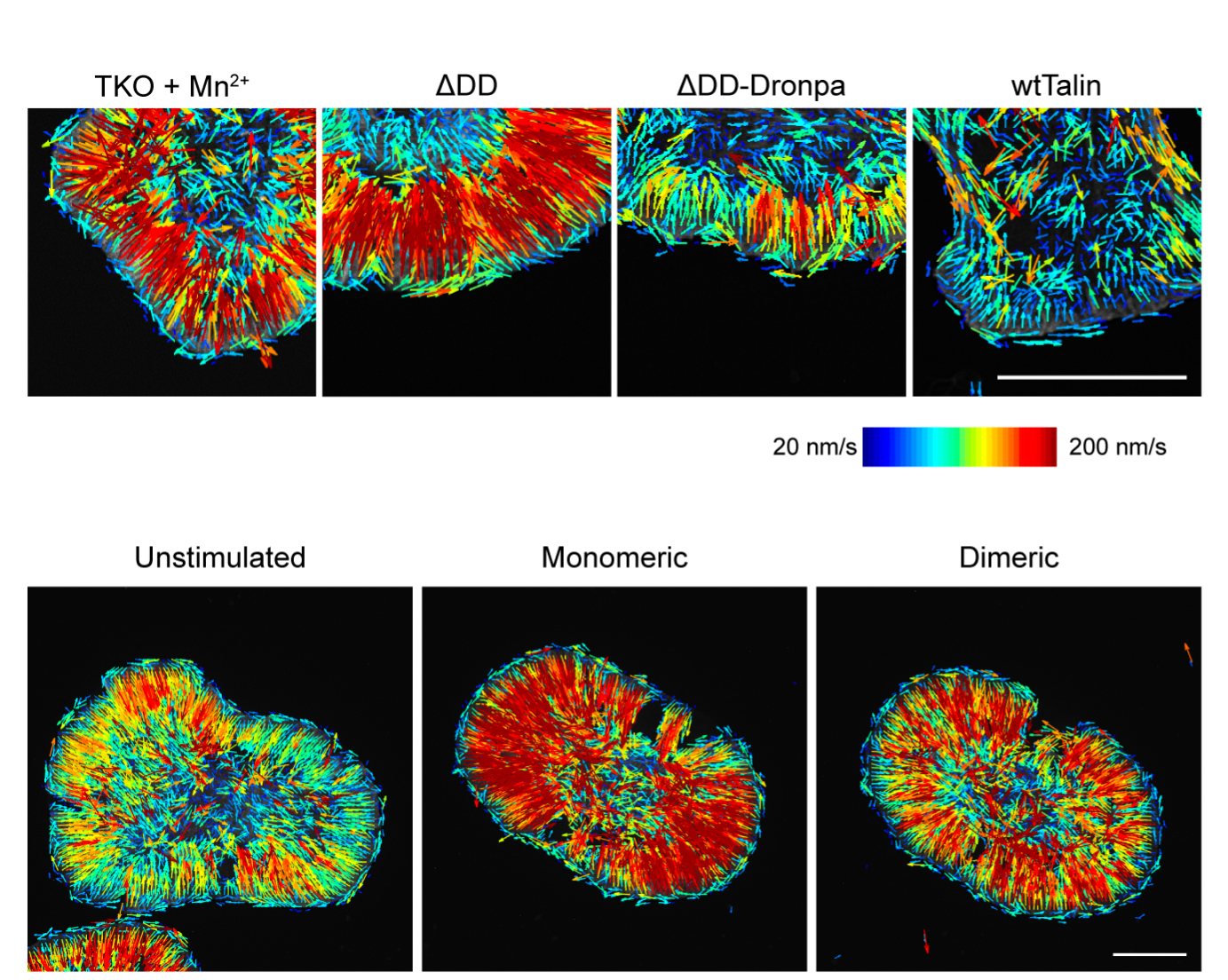
In a study published in the Journal of Cell Science, led by Ryosuke Nishimura at the Mechanobiology Institute, NUS, researchers developed an optogenetic tool to precisely manipulate talin’s structure and observe the resulting cellular behavior.
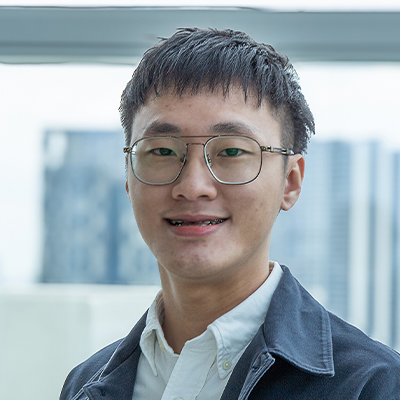
Yiwen Zhu
Research Fellow, Yu Group
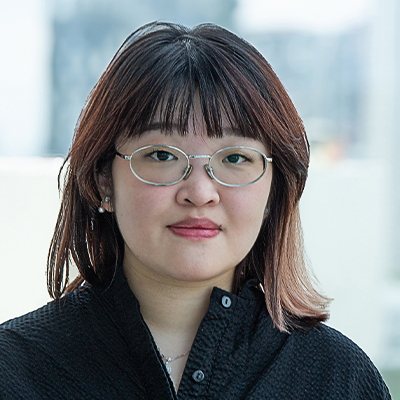
Brandon Goh Yeow Wee
Research Fellow, Seetharaman Group
Hana Maldivita Tambrin
Research Fellow, Seetharaman Group
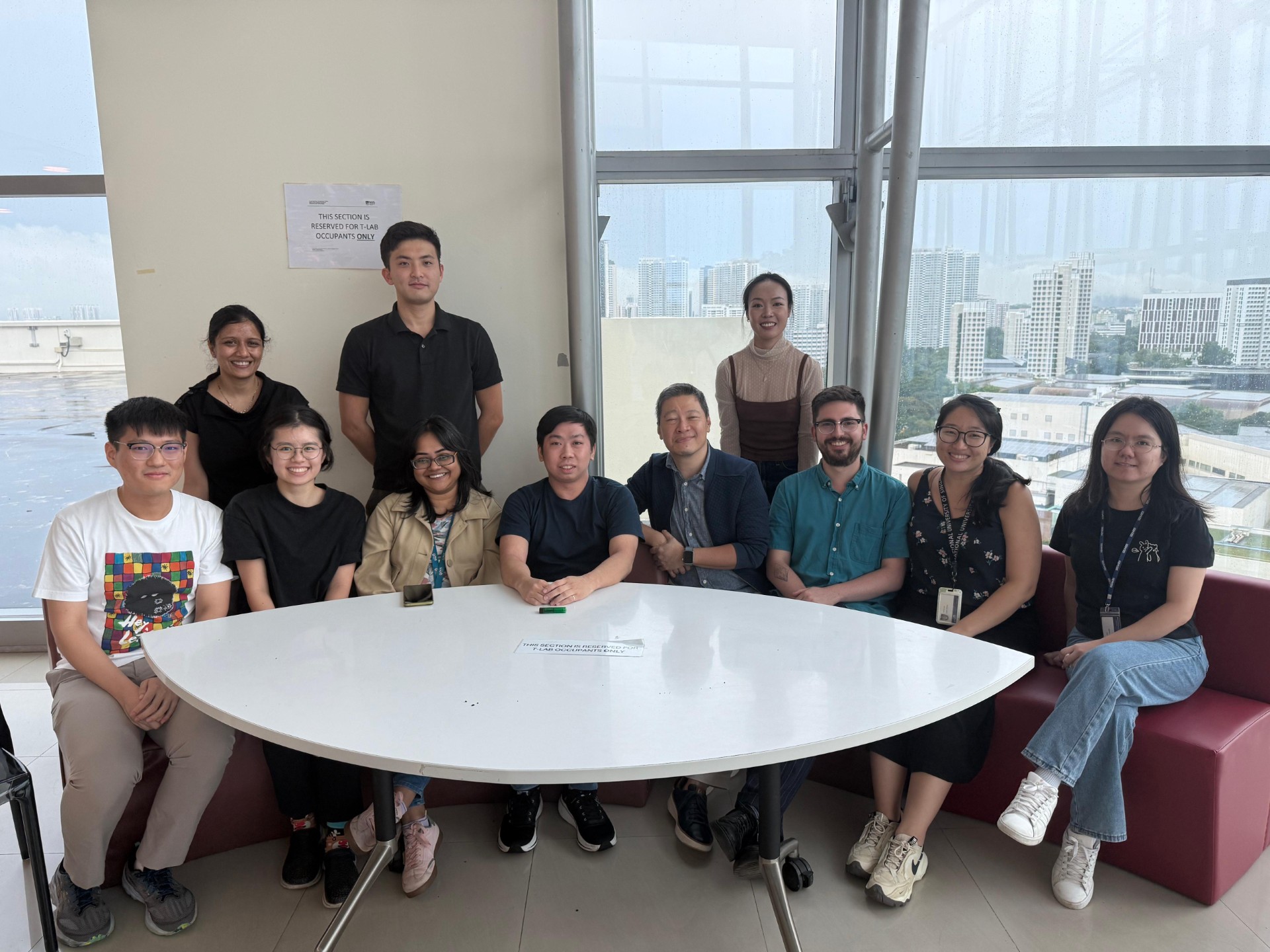
Congratulations to Boon Heng for successfully defending his thesis!
Our heartfelt congratulations to Boon Heng!
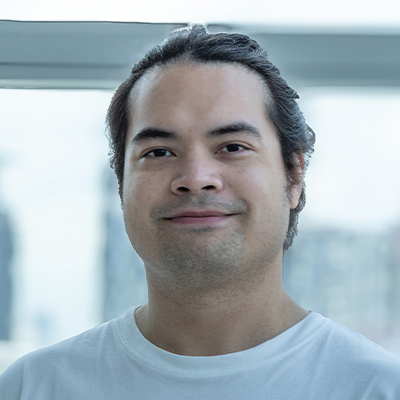
Kevin Heinrich Kaub
Research Fellow, Michelot Group
Ding Wei Yung
Alumni
Principal Investigator
Research Interests
Cell-Matrix and Cell-Cell Mechanotransduction, Molecular Mechanisms of Mechanobiology
Wei Yung’s interest lies in understanding the sophistication of cells as robust machines. Using C. elegans, a 1mm nematode, as a model system, he investigates the cellular machinery underlying newly fertilized zygotes that drives critical force-dependent processes such as polarization and cytokinesis.
Biography
Wei Yung completed his Bachelor’s degree in Bioengineering (Second Class Upper) from the National University of Singapore in 2012. In his honors dissertation under the co-supervision of Professor James Goh and Professor Wong Hee Kit, he optimized the conditions required for the construction of interbody spinal fusion device using primary adipose stem cells seeded in a biodegradable polycaprolactone/tricalcium sulphate (PCL/TCP) scaffold. The work was presented in the Bioengineering Showcase 2012 and he was awarded the Best Poster Award. After he was enrolled in the Mechanobiology Graduate Program, he joined Dr. Zaidel-Bar’s Cell Adhesion and Morphogenesis Lab and is currently searching for novel genes involved in regulating C. elegans early embryogenesis.