


YU Hanry
Professor, Mechanobiology Institute, National University of Singapore
phsyuh@nus.edu.sg
+65 6516 3466
MD 9, #03-03; MD 1, #B1-03;
National University of Singapore
2 Medical Drive #04-01
Singapore 117597
Laboratory website
Translational Mechanobiology Laboratory
Research Program
Technology Innovation for Mechanobiology
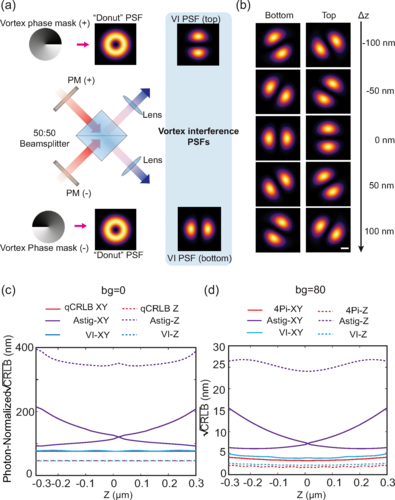
Less is More: Simplified 3D Nanoscopy via Vortex Interference Widens Access
Researchers from the Kanchanawong Lab at the Mechanobiology Institute, NUS makes cutting-edge 3D nanoscopy more accessible to researchers without elaborate optical engineering.
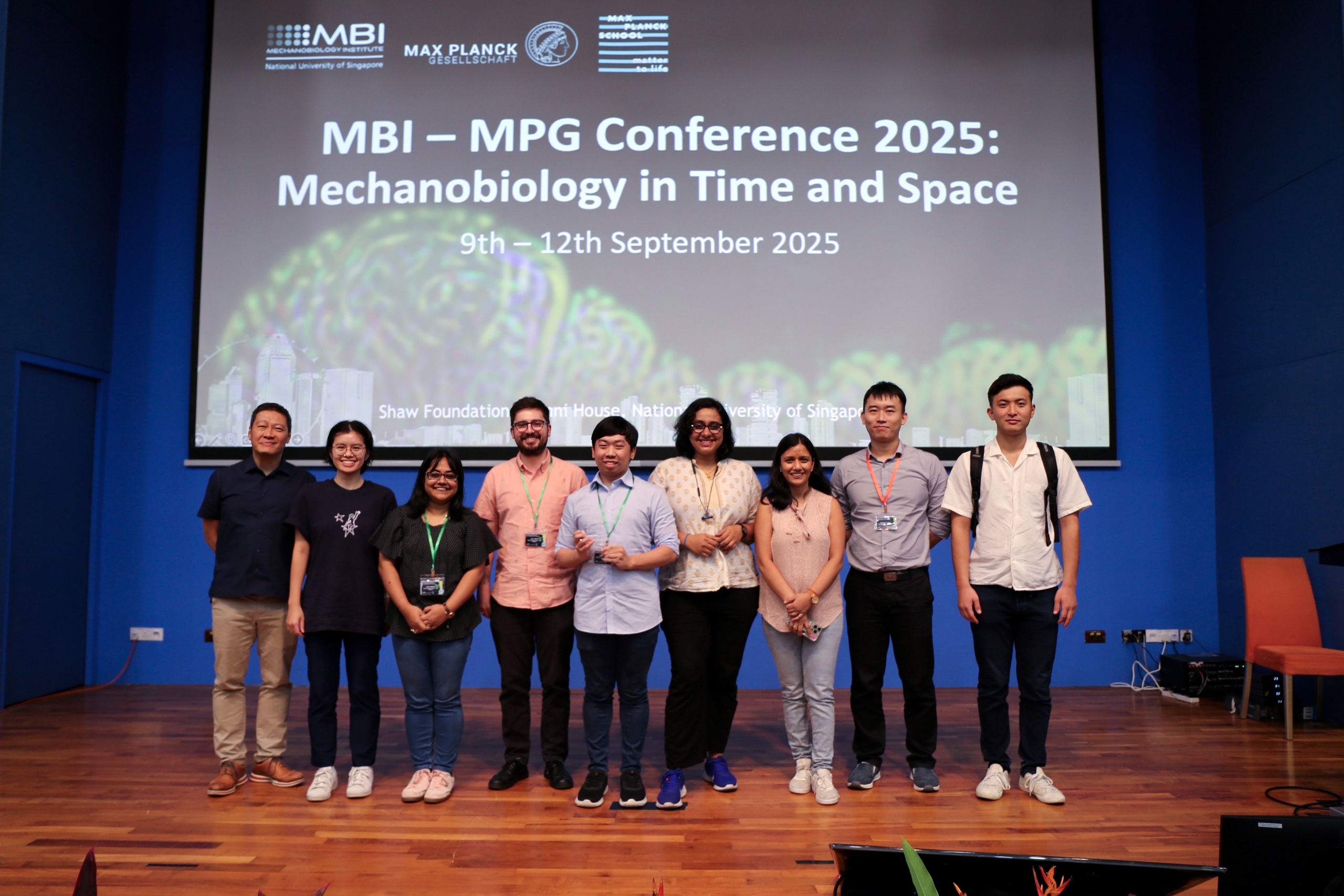
The Chan Lab at the MBI-MPG Conference 2025!
Congratulations to Kim Whye and Kosei for being selected for talks, and Boon Heng for winning the 'Best Poster' prize! Thanks to all who gave feedback on our work!
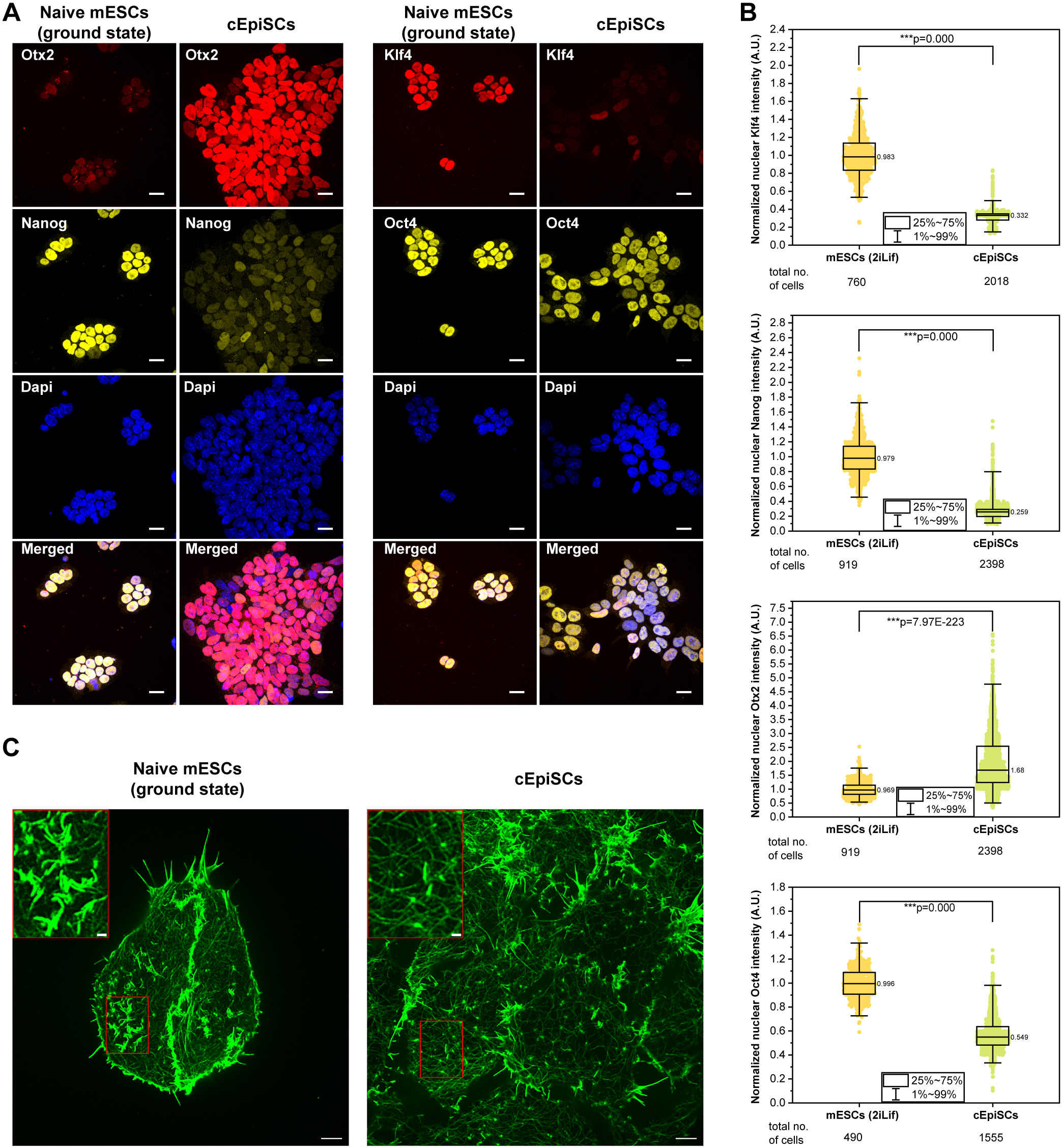
Rac-1 Regulated Cadherin Clusters Mark Naive Stem Cells
Researchers from the Kanchanawong Lab at the Mechanobiology Institute, NUS discover a marker of ground-state pluripotent stem cells and what governs it.
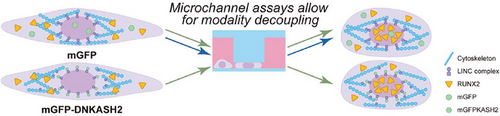
Confined Migration Shapes the Bony Fate of Stem Cells
Researchers from the Holle Lab at the Mechanobiology Institute, NUS discover that migration through confined spaces causes lasting nuclear changes in stem cells, biasing them toward bone formation.
Yu Hanry
Principal Investigator
Research Areas
Cell and Tissue Engineering Laboratory translates the latest biological and engineering knowledge into innovative technologies for diagnostics, therapeutics and drug testing applications in pharmaceutical and healthcare industry.
Research Interests
We adopt the latest industrial management models of teams to train future leaders of the R&D-based industry and academia. Our research expertise span from basic biological studies, biomaterials synthesis, to integrative engineering of biomedical devices that facilitate the translation of systems level understanding of biological functional processes into significant application solutions to help patients with liver diseases; and fuel biomedical industrial development in Asia. We acquire fundamental principles and technologies to quantitatively study and manipulate liver cell and tissue polarity and functions at meso-scale such that their global tissue structures and functions can be precision-engineered at mm-cm scales for applications.
Biography
Prof Yu is a Professor in the Department of Physiology, YLL School of Medicine, National University Health System, Principal Investigator at MBI, and Co-Lead Principal Investigator, Critical Analytics for Manufacturing Personalized-Medicine (CAMP), Singapore-MIT Alliance for Research and Technology (SMART). He was trained as a cell biologist but ventured into various other disciplines such as imaging, biomaterials, tissue engineering, drug testing, and computational biology of liver fibrosis. He takes pride in the interdisciplinary approach to research and graduate training; and he strives to build integrated teams to equip future graduates to readily adapt into both industrial and future academic settings.
Education
PhD, Duke University, USA
Recent Publications
- Balachander GM, Ng IC, Pai RR, Mitra K, Tasnim F, Lim YS, Kwok R, Song Y, Yaw LP, Quah CB, Zhao J, Septiana WL, Kota VG, Teng Y, Zheng K, Xu Y, Lim SH, Ng HH, and Yu H. LEADS – a comprehensive human liver-on-a-chip for non-alcoholic steatohepatitis (NASH) drug testing. Lab Chip 2025;. [PMID: 40391591]
- Wu X, Raymond JJ, Liu Y, Odermatt AJ, Sin W, Teo DBL, Natarajan M, Ng IC, Birnbaum ME, Lu TK, Han J, Springs SL, and Yu H. Rapid Universal Detection of High-Risk and Low-Abundance Microbial Contaminations in CAR-T Cell Therapy. Small Methods 2025;:e2500253. [PMID: 40159755]
- Zhou H, Loo LSW, Ong FYT, Lou X, Wang J, Myint MK, Thong A, Seow DCS, Wibowo M, Ng S, Lv Y, Kwang LG, Bennie RZ, Pang KT, Dobson RCJ, Domigan LJ, Kanagasundaram Y, and Yu H. Cost-effective production of meaty aroma from porcine cells for hybrid cultivated meat. Food Chem 2025; 473:142946. [PMID: 39864181]
- Bennie RZ, Ogilvie OJ, Loo LSW, Zhou H, Ng SK, Jin A, Trlin HJF, Wan A, Yu H, Domigan LJ, and Dobson RCJ. A risk-based approach can guide safe cell line development and cell banking for scaled-up cultivated meat production. Nat Food 2025;. [PMID: 39753758]
- Lou X, Wang J, Kwang LG, Zhou H, Ong FYT, Ng S, and Yu H. Perforated imprinting on high moisture meat analogue confers long range mechanical anisotropy resembling meat cuts. NPJ Sci Food 2024; 8(1):106. [PMID: 39706829]
- Liu Y, Raymond JJ, Wu X, Chua PWL, Ling SYH, Chan CC, Chan C, Loh JXY, Song MXY, Ong MYY, Ho P, Mcbee ME, Springs SL, Yu H, and Han J. Electrostatic microfiltration (EM) enriches and recovers viable microorganisms at low-abundance in large-volume samples and enhances downstream detection. Lab Chip 2024;. [PMID: 39189168]
- Ma Y, Li Z, Luo Y, Chen Y, Ma L, Liu X, Xiao J, Huang M, Li Y, Jiang H, Wang M, Wang X, Li J, Kong J, Shi P, Yu H, Jiang X, and Guo Q. Biodegradable Microembolics with Nanografted Polyanions Enable High-Efficiency Drug Loading and Sustained Deep-Tumor Drug Penetration for Locoregional Chemoembolization Treatment. ACS Nano 2024;. [PMID: 38946122]
- Wu Y, Cheng J, Qi J, Hang C, Dong R, Low BC, Yu H, and Jiang X. Three-dimensional liquid metal-based neuro-interfaces for human hippocampal organoids. Nat Commun 2024; 15(1):4047. [PMID: 38744873]
- Luo X, Wang J, Tan C, Dou Q, Han Z, Wang Z, Tasnim F, Wang X, Zhan Q, Li X, Zhou Q, Cheng J, Liao F, Yip HC, Jiang J, Tan RT, Liu S, and Yu H. Rapid Endoscopic Diagnosis of Benign Ulcerative Colorectal Diseases with an Artificial Intelligence Contextual Framework. Gastroenterology 2024;. [PMID: 38583724]
Lab Members
Recent Lab Alumni
How do blebs expand and retract?
How do blebs expand? Expansion lasts between 5 to 30 seconds, following bleb initiation and preceding reformation of the cortical actomyosin cytoskeleton just beneath the membrane [1]. During this time, the bleb proceeds to [...]
What are filopodia?
What are filopodia? Filopodia (singular filopodium) are thin membrane protrusions that act as antennae for a cell to probe the surrounding environment [1][2][3]. Nonprotruding filopodia are mechanistically related to microspikes [4]. Filopodia are commonly [...]
What is the first step in filopodium formation?
What is the first step in filopodium formation? Actin nucleation initiates filopodium formation The first step in the formation of a filopodium is the nucleation of actin filaments from G-actin monomers. This is facilitated [...]
How does cross-linking of actin filaments aid in filopodia extension?
How does cross-linking of actin filaments aid in filopodia extension? Once nucleation has taken place, actin filaments begin to extend. This process is primarily facilitated by members of the formin family of proteins, however [...]
How do filopodia attach to the surrounding substrate?
How do filopodia attach to the surrounding substrate? A diverse array of cellular responses can result when a filopodium makes contact with a ligand or substrate. These responses are dependent on the coupling of [...]
How do filopodia pull on a substrate?
How do filopodia pull on a substrate? Although a reterograde motion of actin filaments is intrinsic in the formation of filopodia, the forces generated by actin treadmilling are too weak to facilitate the “pulling” [...]
How do filopodia move dynamically?
What causes filopodia retraction and collapse? Binding of filopodia to certain ligands or substratum may hinder filament assembly, thereby leading to changes that promote retraction, collapse or growth cone turning [1][2]. For example, substrate [...]
What is the role of the lamellipodia in mechanosensing and cell motility?
What is the role of the lamellipodia in mechanosensing and cell motility? During cell migration, and in the absence of filopodia, lamellipodia detect the stiffness of the surrounding ECM in a process called rigidity [...]
What steps are involved in Lamellipodia assembly?
What steps are involved in Lamellipodia assembly? The lamellipodia is a distinct region of the cell that facilitates cell motility and various mechanosensing mechanisms. Lamellipodium assembly can be described in a series of defined [...]
How does nucleation of actin initiate lamellipodia formation?
How does nucleation of actin initiate lamellipodia formation? In the first phase of lamellipodia formation, actin filament polymerization produces a protrusive force on the cell membrane that promotes the spreading out and enlargement of [...]
What mechanisms drive extension, pause and stasis of the lamellipodia?
What mechanisms drive extension, pause and stasis of the lamellipodia? Extension of the newly formed actin filament branches occurs at the interface between the leading edge and the existing actin filament network [1] and [...]
How do focal adhesions act as molecular clutches in lamellipodia?
How do focal adhesions act as molecular clutches in lamellipodia? Once formed, focal adhesions essentially act as “molecular clutches”, promoting protrusion at the leading edge whilst suppressing membrane contraction (reviewed in [1] [2][3]). Adhesions [...]