


GV SHIVASHANKAR
Principal Investigator, Mechanobiology Institute, IFOM-NUS Chair Professor, National University of Singapore
shiva.gvs@gmail.com
+65 6516 2712 ext 62712
Level 10 T-Lab
National University of Singapore
5A Engineering Drive 1
Singapore 117411
Affiliations
Head, IFOM-NUS Joint Research Laboratory, National University of Singapore
Spark-In-Science Program
Spark-in-Science is a non-profit initiative aimed at igniting scientific temper in high school and pre-university students.
In the News
- Today Online: Study to detect cancer before symptoms develop shows promise
- Straits Times: NUS research: Squeezing mature cells to become stem cells
- Channel News Asia: Becoming Human, Episode 2: Unnatural Genius
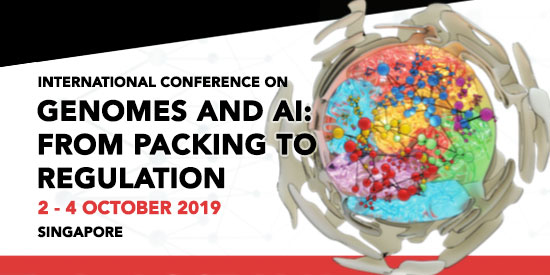
The Shivashankar Lab is hiring multiple PhD and Postdoctoral positions starting in Jan 2020. Learn more.

Seeking Scientific Communicator at the Mechanobiology Institute, National University of Singapore
The Mechanobiology Institute (MBI), National University of Singapore (NUS), seeks to recruit a Scientific Communicator.

Melvino Sin
Senior Laboratory Executive, SIMBA
Seeking Research Fellow in Dr Alphée Michelot’s Group at the Mechanobiology Institute, NUS
We are seeking to recruit a Postdoctoral Research Fellow in the group of Dr Alphée Michelot at the Mechanobiology Institute, NUS.
GV Shivashankar
Principal Investigator (2011-2019)
Research Areas
Nuclear mechanics, 3D chromosome organization, genome regulation, disease diagnostics
Nuclear Mechanogenomics & Cancer Diagnostics Laboratory
Shivashankar’s lab pursues research in understanding the role of cell mechanics on nuclear mechanotransduction and genome regulation.
Extra-cellular micro-environmental signals are transduced to the nucleus to regulate diverse biological processes including cellular differentiation, development and homeostasis; but the underlying mechanisms are still unclear. In this context, how such micro-environmental signals alter nuclear mechanical architecture and how it integrates with the 3D organization of chromosomes and transcription networks are rather unexplored. Using a multidisciplinary approach combining high resolution optical imaging, quantitative single-cell biology, machine learning and functional genomics, our laboratory investigates the principles underlying the coupling between nuclear mechanics and genome regulation. Our recent and ongoing work provides modular links between cellular geometry and nuclear mechanics and its impact on transcription dependent 3D organization of chromosomes and reprogramming. Such modular links define the normal state of cells and are altered during diseases. Hence our studies also have profound impact on developing single-cell nuclear biomechanical markers for early disease diagnosis and therapeutic intervention.
Biography
Shivashankar is a principal investigator at the Mechanobiology Institute, National University of Singapore. His laboratory is focused on understanding the role of cell mechanics on nuclear mechanotransduction and genome regulation in living cells using a multi-disciplinary approach. He carried out his PhD research at the Rockefeller University (1994-1999) and Postdoctoral research at NEC Research Institute, Princeton USA (1999-2000). He started his laboratory at the National Center for Biological Sciences, TIFR- Bangalore, India (2000-2009) before relocating to a tenured faculty position at the National University of Singapore in 2009. He was the Deputy Director of the Mechanobiology Institute (2011-2019). More recently he also heads a joint research laboratory with the FIRC Institute of Molecular Oncology (IFOM), Milan, Italy and was appointed as an IFOM-NUS Chair Professor in 2014. His scientific awards include the Birla Science Prize (2006), the Swarnajayanthi Fellowship (2007), and he was elected to the Indian Academy of Sciences (2010) and to the EMBO membership (2019). He will be relocating to a tenured Full Professorship at ETH Zurich jointly with the Paul Scherrer Institute, Switzerland, to start the Laboratory of Mechano-Genomics in January 2020.
Education
PhD The Rockefeller University, USA
Funding
Mechanobiology Institute, Ministry of Education Tier-3 Co-Investigator Grant & IFOM-MBI Joint Research Laboratory, Singapore.
Recent Publications
- Mitra A, Cutiongco MFA, Burla R, Zeng Y, Na Q, Kong M, Vinod B, Nai MH, Hübner B, Ludwig A, Lim CT, Shivashankar GV, Saggio I, and Zhao W. Acute chromatin decompaction stiffens the nucleus as revealed by nanopillar-induced nuclear deformation in cells. Proc Natl Acad Sci U S A 2025; 122(19):e2416659122. [PMID: 40343993]
- Das R, Sakaue T, Shivashankar GV, Prost J, and Hiraiwa T. Chromatin Remodeling Due to Transient-Link-and-Pass Activity Enhances Subnuclear Dynamics. Phys Rev Lett 2024; 132(5):058401. [PMID: 38364140]
- Jiang K, Lim SB, Xiao J, Jokhun DS, Shang M, Song X, Zhang P, Liang L, Low BC, Shivashankar GV, and Lim CT. Deleterious Mechanical Deformation Selects Mechanoresilient Cancer Cells with Enhanced Proliferation and Chemoresistance. Adv Sci (Weinh) 2023;:e2201663. [PMID: 37218524]
- Das R, Sakaue T, Shivashankar GV, Prost J, and Hiraiwa T. How enzymatic activity is involved in chromatin organization. Elife 2022; 11. [PMID: 36472500]
- Yuan L, Roy B, Ratna P, Uhler C, and Shivashankar GV. Lateral confined growth of cells activates Lef1 dependent pathways to regulate cell-state transitions. Sci Rep 2022; 12(1):17318. [PMID: 36243826]
- Venkatachalapathy S, Sreekumar D, Ratna P, and Shivashankar GV. Actomyosin contractility as a mechanical checkpoint for cell state transitions. Sci Rep 2022; 12(1):16063. [PMID: 36163393]
- Venkatachalapathy S, Jokhun DS, Andhari M, and Shivashankar GV. Single cell imaging-based chromatin biomarkers for tumor progression. Sci Rep 2021; 11(1):23041. [PMID: 34845273]
- Ghanbarzadeh Nodehi S, Shivashankar GV, Prost J, and Mohammad-Rafiee F. The characteristics of nuclear membrane fluctuations in stem cells. J R Soc Interface 2021; 18(176):20201010. [PMID: 33715401]
- Yang KD, Belyaeva A, Venkatachalapathy S, Damodaran K, Katcoff A, Radhakrishnan A, Shivashankar GV, and Uhler C. Multi-domain translation between single-cell imaging and sequencing data using autoencoders. Nat Commun 2021; 12(1):31. [PMID: 33397893]
- Lee Y, and Shivashankar GV. Analysis of transcriptional modules during human fibroblast ageing. Sci Rep 2020; 10(1):19086. [PMID: 33154459]
Lab Members
What are actin comet tails?
What are actin comet tails? Actin comet tails are actin structures formed by the dynamic polymerization of actin beneath some species of intracellular bacteria belonging to the genus Listeria, Shigella, Ricketssia, Mycobacterium and Burkholderia. [...]
Mechanobiology of bacterial pathogenesis
Bacterial Pathogenesis Pathogenesis is defined as the origination and development of a disease. Insights into disease etiology and progression, the two major aspects of pathogenesis, are paramount in the prevention, management and treatment of [...]
How does the heart form?
How does the heart form? The heart is derived from the splanchnic lateral mesoderm and initially forms as two crescent-shaped endocardial plates inside the evolving pericardial cavity. As the embryo undergoes lateral and cranial [...]
What processes occur during cardiac development?
What processes occur during cardiac development? The heart is the first functional organ to form during the development of an embryo, which, in humans, occurs during the third week post-fertilization. It primarily involves the [...]
How do cardiomyocytes differentiate?
How do cardiomyocytes differentiate? Cardiomyocytes are the chief cell type in the heart and their coordinated contraction as a mass is responsible for the pumping of blood around the developing embryo. Cardiac specification occurs [...]
How does the vascular system form?
How does the vascular system form? What is vasculogenesis? Vasculogenesis refers to the morphogenetic process occurring during the earliest stages of embryonic development by which a de novo vascular system, consisting of the heart [...]
What is dorsal closure?
What is dorsal closure? The shaping of the embryo during development is driven by large-scale movements of epithelial cell sheets as they bend, spread, and fuse with each other. One such major, well-defined morphogenetic [...]
How is dorsal closure controlled by mechanics?
How is dorsal closure controlled by mechanics? A number of studies, which describe the cellular mechanisms and signaling pathways underlying dorsal closure, have pointed towards a mechanical basis for the morphogenetic changes associated with [...]
What are epithelial tubes?
What are epithelial tubes? Tubulogenesis, or the formation of tubes, is one of the fundamental morphogenetic events taking place during development. Several major organs, such as the respiratory, circulatory, and secretory systems, are constituted [...]
How is tubulogenesis regulated by mechanics?
How is tubulogenesis regulated by mechanics? The basic steps during tube formation, including cell polarization, the formation of small multiple lumens and the coalescence of multiple lumens into a single lumen, and subsequent tube [...]
What is cell migration?
What is cell migration? Cell migration is the directed movement of a single cell or a group of cells in response to chemical and/or mechanical signals. It is a fundamental cellular process that occurs [...]
What is cell polarity?
What is cell polarity? Cell polarity refers to the intrinsic asymmetry observed in cells, either in their shape, structure, or organization of cellular components. Most epithelial cells, migrating cells and developing cells require some [...]