

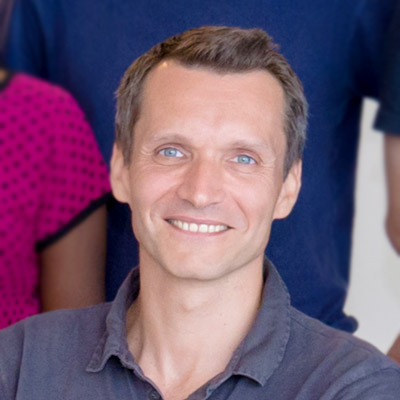
Benoit LADOUX
Visiting Faculty, Mechanobiology Institute, National University of Singapore, Research Director, Université Paris Diderot & Centre National de la Recherche Scientifique (CNRS)
Laboratory website
Cell Adhesion and Mechanics Lab
Research Program
Mechanotransduction in Tissues Group
Affiliations
Research Director, Université Paris Diderot & Centre National de la Recherche Scientifique (CNRS)
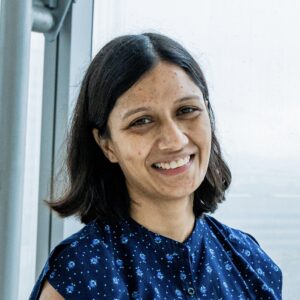
Apoorva Shivankar
Research Assistant, Chan Group
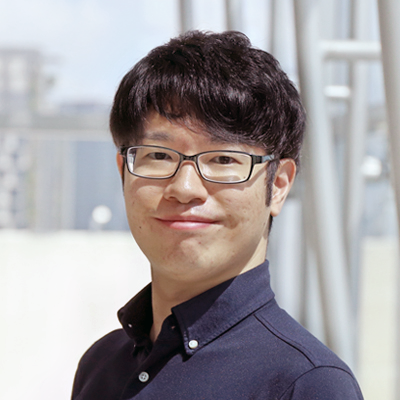
Ryosuke Nishimura
Research Fellow, Kanchanawong Group
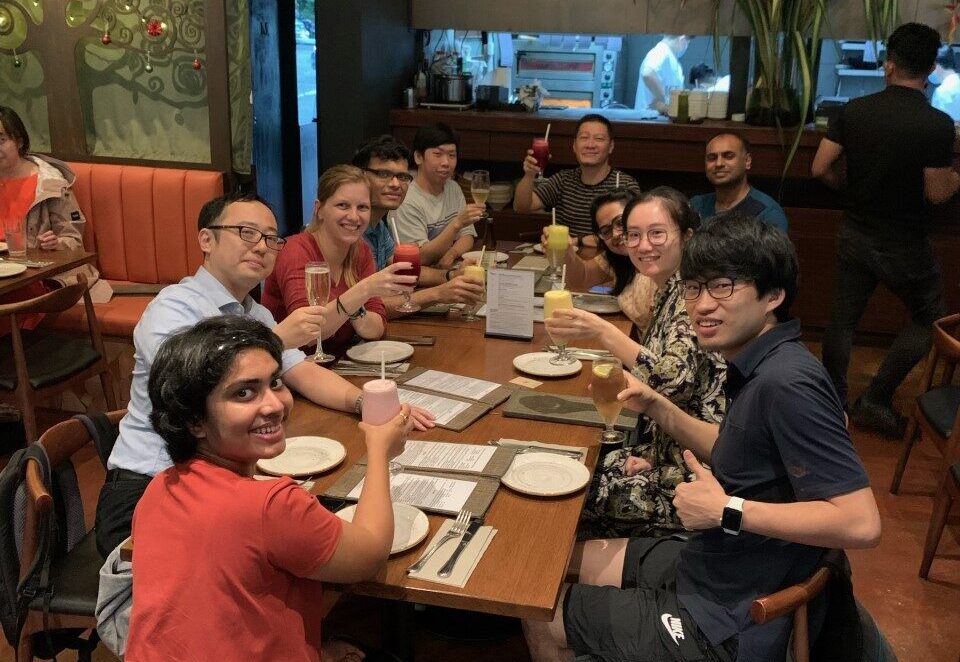
End-of-year Christmas Dinner with Chan Lab and Hiraiwa Lab
Chan Lab had a lovely end-of-year Xmas dinner jointly with the lab of Tetsuya Hiraiwa. Looking forward to exciting science and collaboration in the year to come!
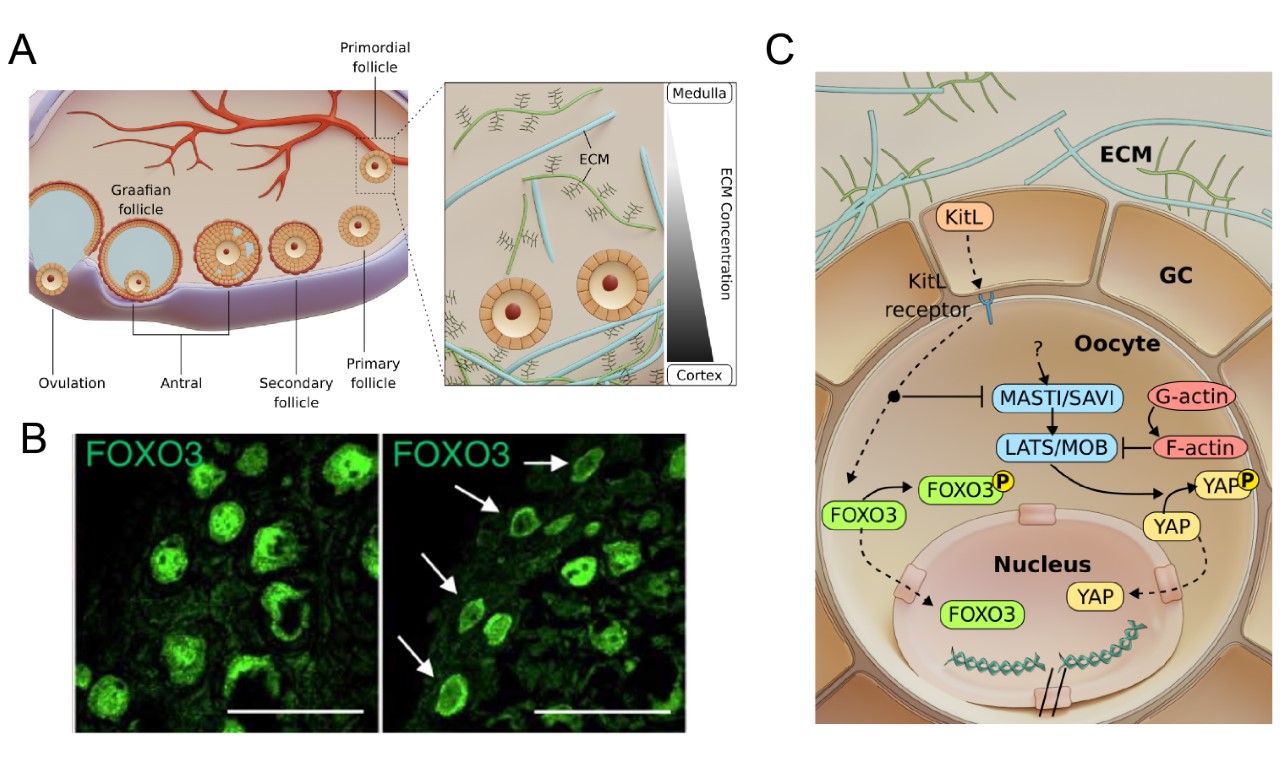
Our latest review on the mechanobiology of mammalian folliculogenesis is out!
Great effort from the lab who contributed to this article, where we hope to provide fresh perspectives in this thriving field.
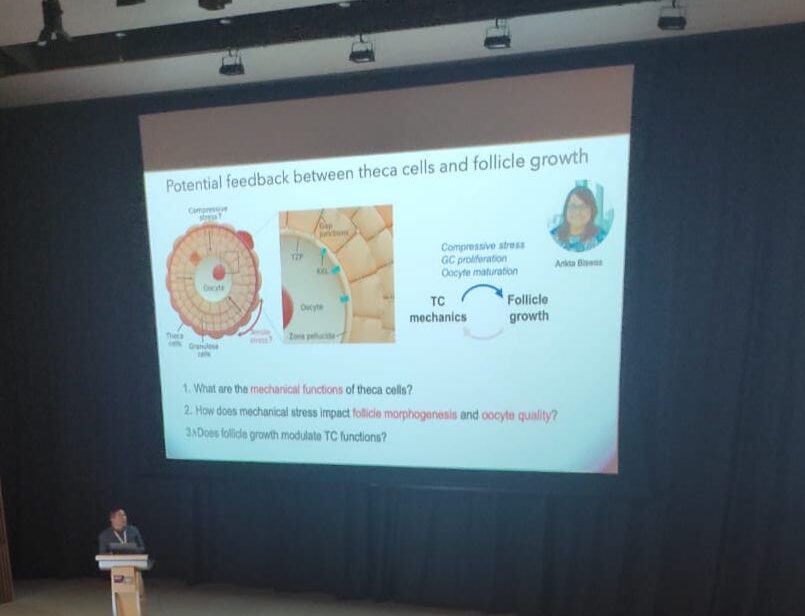
Joe presents the lab’s latest work at Stem Cell Society Singapore’s Annual Meeting
Great fun to learn and network with the stem cell community in Singapore!

Sukhada Darpe
Intern, Chan Group
Benoit Ladoux
Visiting Faculty
Research Areas
Epithelial cell migration; microfabrication for cell mechanics; influence of the mechanical environments on cell functions; mechanotransduction
Research Interests
Our research aims at understanding how living organisms interact with their environment. In particular, we are studying the cooperation between adhesion, biomechanical and biochemical signaling for the adaptation of living organisms to changes in their environment. To probe these questions, our laboratory has developed a repertoire of micro- and nano-fabrication tools to control and measure the chemical and mechanical environment of cells. Our research programme thus focuses on the integration of novel microfabricated devices for the quantitative imaging of living organisms.
Biography
With a background in Physics, Prof Ladoux started his career at Curie Institute working on single molecule biophysics. He worked on two main problems combining statistical physics, microfabrication and molecular biology: 1) chromatin condensation in real time; 2) fluctuations of a single polymer under shear flows. After a post-doc on cell mechanics, he used his knowledge in biophysics and microfabrication to start a new subject on mechanical studies of cell migration and adhesion at the University Paris Diderot. He developed microsystems to characterise the mechanical interactions of cells with their migration support. He is currently working on rigidity sensing, collective cell migration and tissue homeostasis.
Recent Publications
- Shiratsuchi N, Fujita Y, Simon de Beco , Daubech C, Ladoux B, Grata A, Levayer R, Magny E, O'Brien LE, Priya R, Mitchell SJ, Rosenblatt J, Rupprecht J, Stockmann L, Sedzinski J, Roquin L, Suzanne M, Toyama Y, Matekcic M, Trepat X, Vinzens S, Wickström SA, Lwin AKO, and Yap AS. Meeting report - CellExIt#1, the first international symposium on cell extrusion. J Cell Sci 2026; 139(14). [PMID: 42504880]
- Balasubramaniam L, Monfared S, Ardaševa A, Rosse C, Schoenit A, Dang T, Maric C, Hautefeuille M, Kocgozlu L, Chilupuri R, Dubey S, Marangoni E, L Doss B, Chavrier P, Mège R, Doostmohammadi A, and Ladoux B. Dynamic forces shape the survival fate of eliminated cells. Nat Phys 2025;. [PMID: 40636322]
- Kawaue T, Yow I, Pan Y, Le AP, Lou Y, Loberas M, Shagirov M, Teng X, Prost J, Hiraiwa T, Ladoux B, and Toyama Y. Inhomogeneous mechanotransduction defines the spatial pattern of apoptosis-induced compensatory proliferation. Dev Cell 2023;. [PMID: 36800994]
- Sonam S, Balasubramaniam L, Lin S, Ivan YMY, Jaumà IP, Jebane C, Karnat M, Toyama Y, Marcq P, Prost J, Mège R, Rupprecht J, and Ladoux B. Mechanical stress driven by rigidity sensing governs epithelial stability. Nat Phys 2022; 19:132-141. [PMID: 36686215]
- Rose N, Estrada Chavez B, Sonam S, Nguyen T, Grenci G, Bigot A, Muchir A, Ladoux B, Cadot B, Le Grand F, and Trichet L. Bioengineering a miniaturized in vitro 3D myotube contraction monitoring chip to model muscular dystrophies. Biomaterials 2022; 293:121935. [PMID: 36584444]
- . https://www.ncbi.nlm.nih.gov/pubmed/36103541
- Yang Y, Nguyen E, Sankara Narayana GHN, Heuzé M, Fu C, Yu H, Mège R, Ladoux B, and Sheetz MP. Local contractions regulate E-cadherin rigidity sensing. Sci Adv 2022; 8(4):eabk0387. [PMID: 35089785]
- . https://www.ncbi.nlm.nih.gov/pubmed/33850145
- Latorre E, Kale S, Casares L, Gómez-González M, Uroz M, Valon L, Nair RV, Garreta E, Montserrat N, Del Campo A, Ladoux B, Arroyo M, and Trepat X. Addendum: Active superelasticity in three-dimensional epithelia of controlled shape. Nature 2021;. [PMID: 33846613]
- Balasubramaniam L, Doostmohammadi A, Saw TB, Narayana GHNS, Mueller R, Dang T, Thomas M, Gupta S, Sonam S, Yap AS, Toyama Y, Mège R, Yeomans JM, and Ladoux B. Author Correction: Investigating the nature of active forces in tissues reveals how contractile cells can form extensile monolayers. Nat Mater 2021;. [PMID: 33750921]
Lab Members
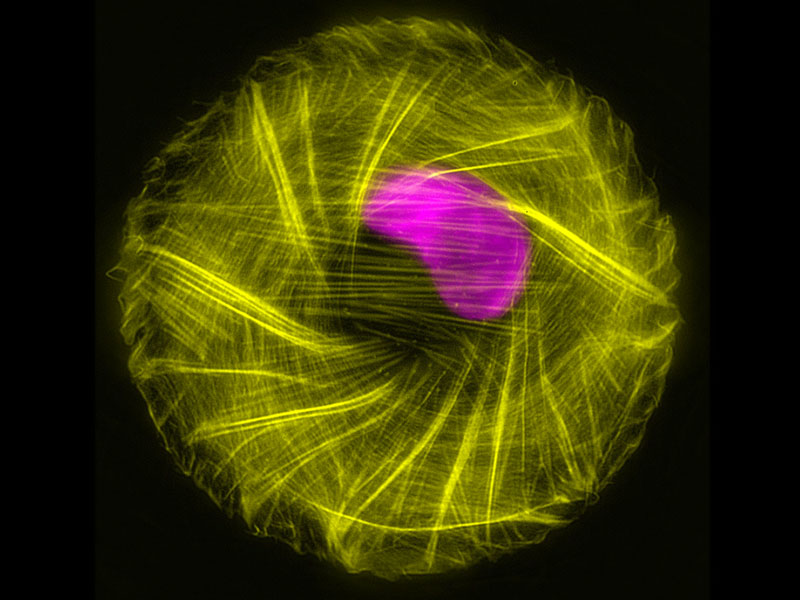
Biology in a Twist
Deciphering the origins of cell behavior
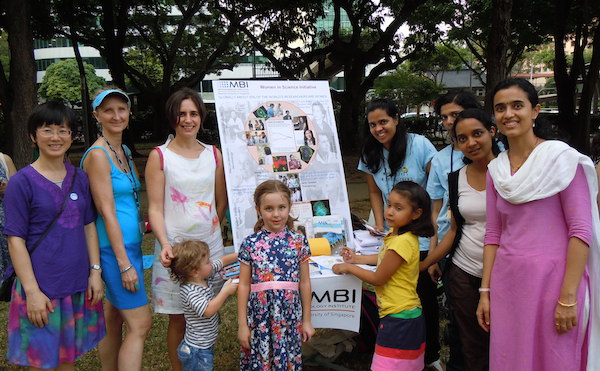
International Women’s Day at Hong Lim Park, Singapore
MBI WIS joined the festivities at Hong Lim Park for 2015's All Fired Up! a celebration of International Women’s Day
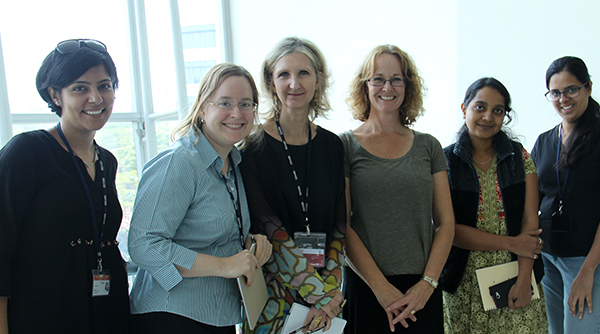
Professor Elizabeth Harland on Careers in Science
Prof Hartland from the University of Melbourne on pursuing a high level career in the sciences
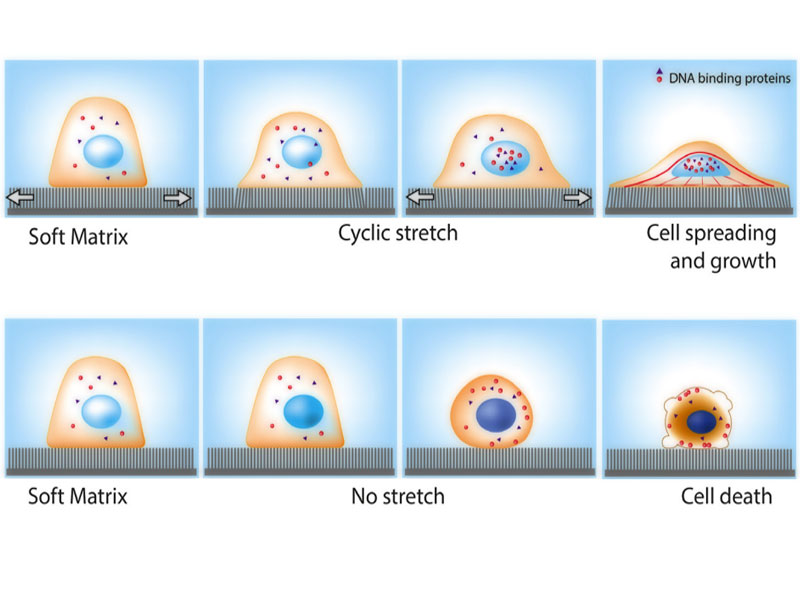
Why do Cells Stretch?
Cyclic stretching helps soft tissues spread and grow

Modeling Concentration Gradients
Clustering drives formation of subcellular morphogen gradients
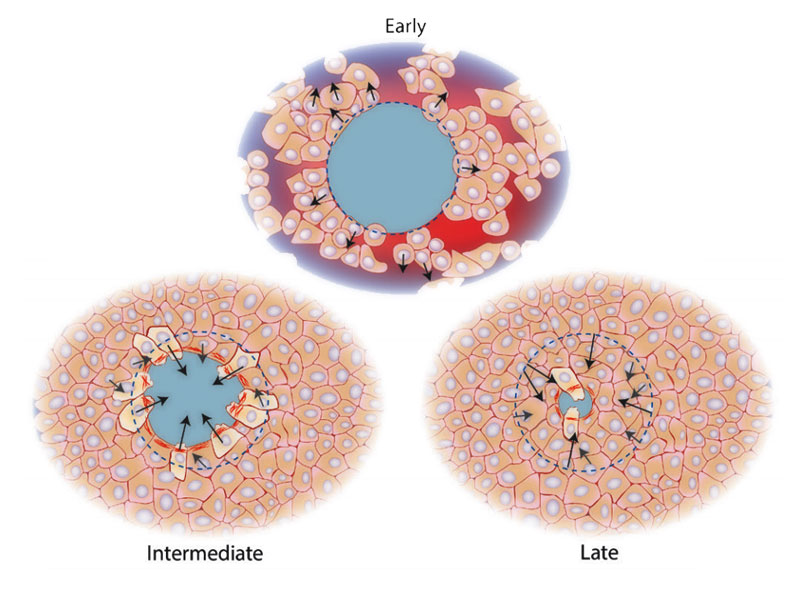
Forcing Wounds Closed
A cellular tug-of-war mechanically drives gap closure
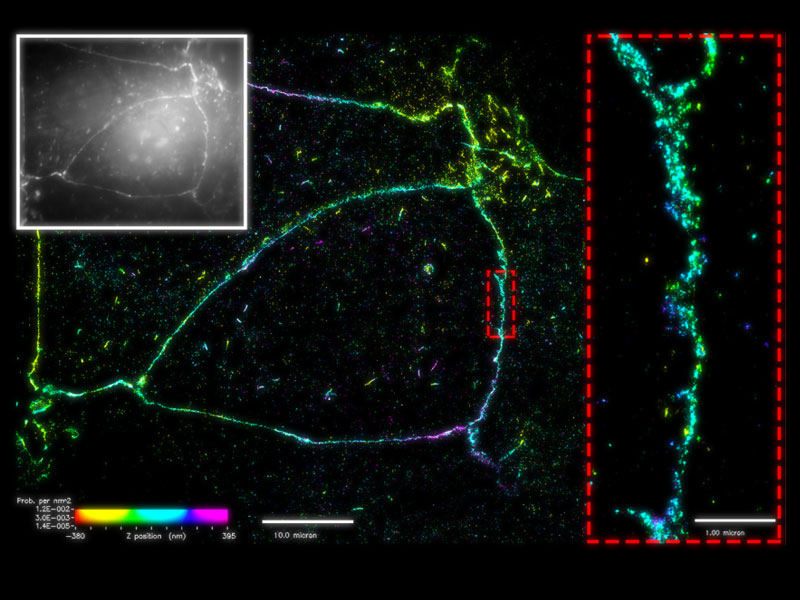
Defining Adhesion Clusters
Visualizing the building blocks of cell-cell adhesion
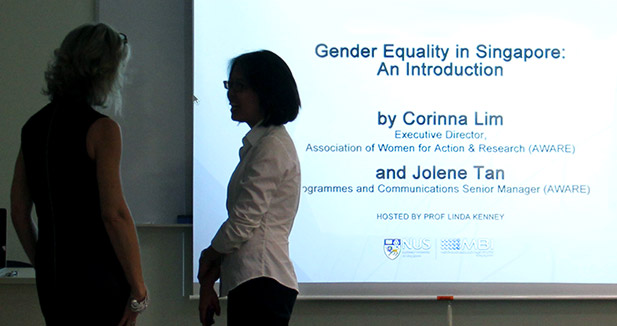
Corinna Lim and Jolene Tan from Singapore’s Association of Women for Action and Research (AWARE)
Members of MBI WIS welcomed Corinna Lim and Jolene Tan of AWARE for a brown bag session on women’s issues in science
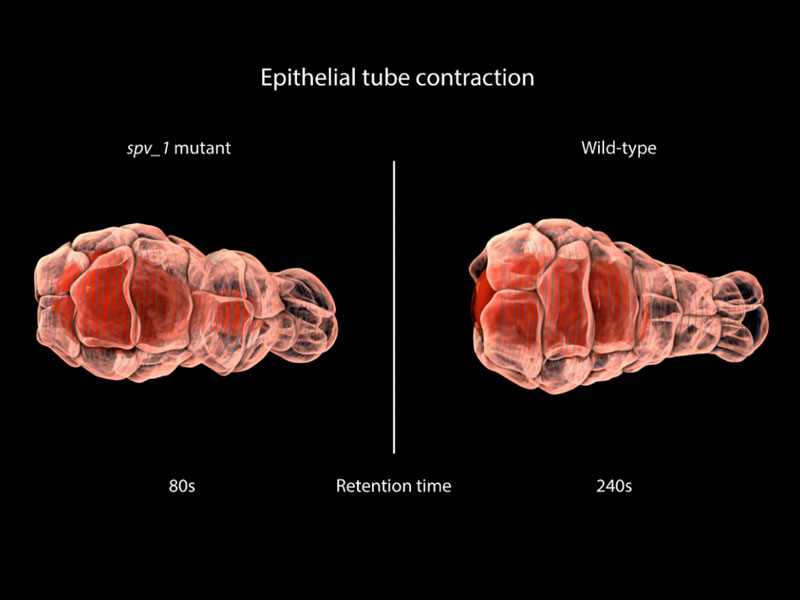
Epithelial Tube Contraction
A new feedback mechanism for regulating contractility
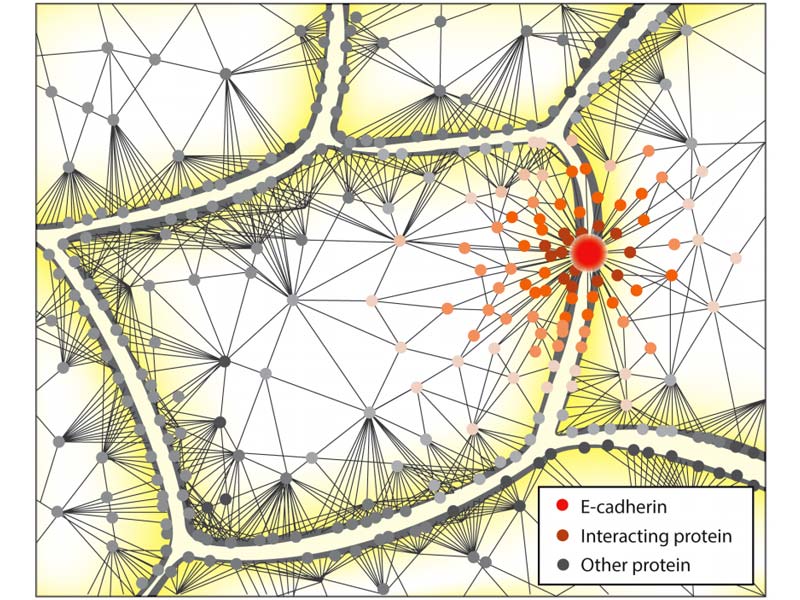
Mapping the Interactome
Proteomics reveals the E-cadherin interaction network
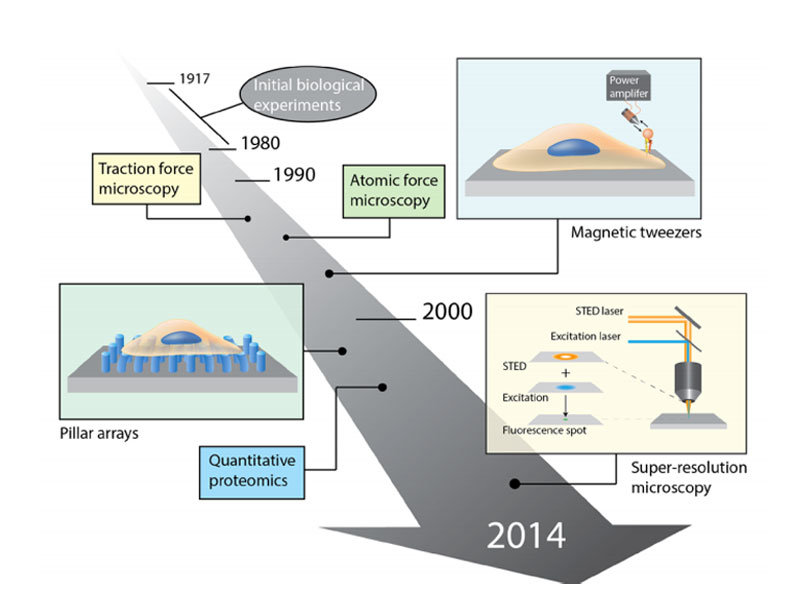
Theories and Milestones
The field of mechanobiology has grown dramatically in the past decade. With this growth came ground breaking experiments, and findings that challenged the foundations of cell biology.
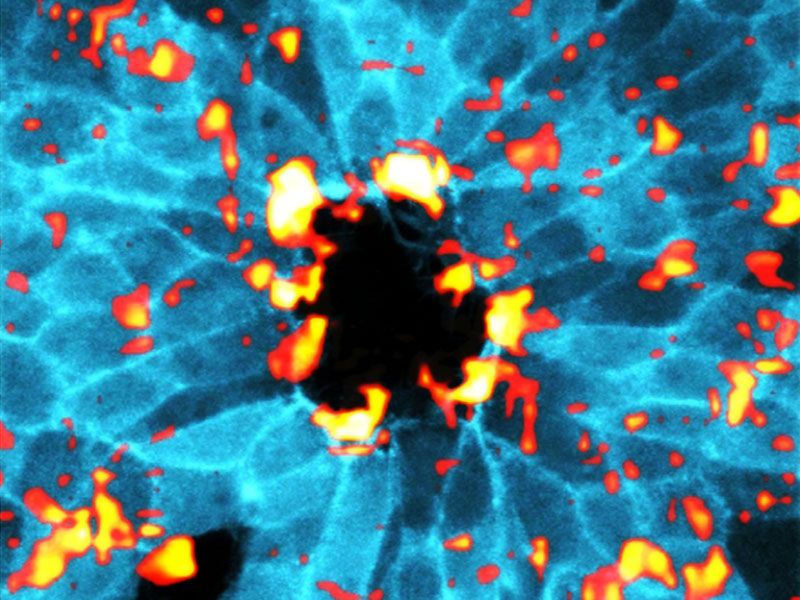
How Cells Repair Wounds
Collaborative study identifies new mechanism for wound healing