

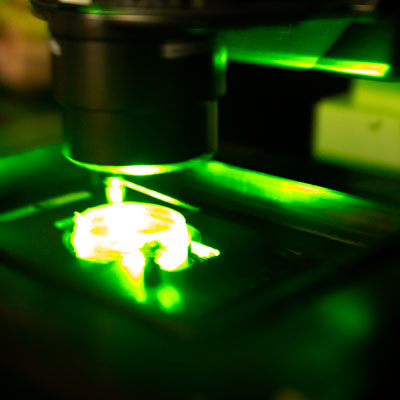
Seeking Research Assistant in Transmission Electron Microscopy at the Mechanobiology Institute, NUS
We are seeking a Research Assistant in Transmission Electron Microscopy (TEM) at the Mechanobiology Institute, NUS
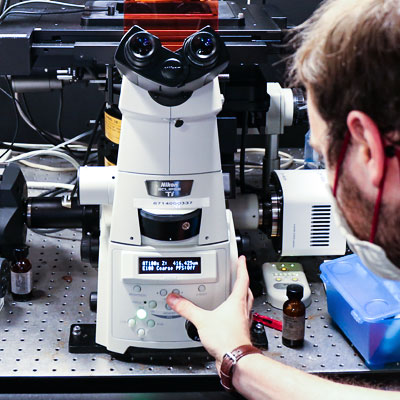
Seeking Research Fellow in Transmission Electron Microscopy at the Mechanobiology Institute, NUS
We are seeking a Research Fellow in Transmission Electron Microscopy at the Mechanobiology Institute, NUS
Hu Yuqi
Research Assistant, Yu Group
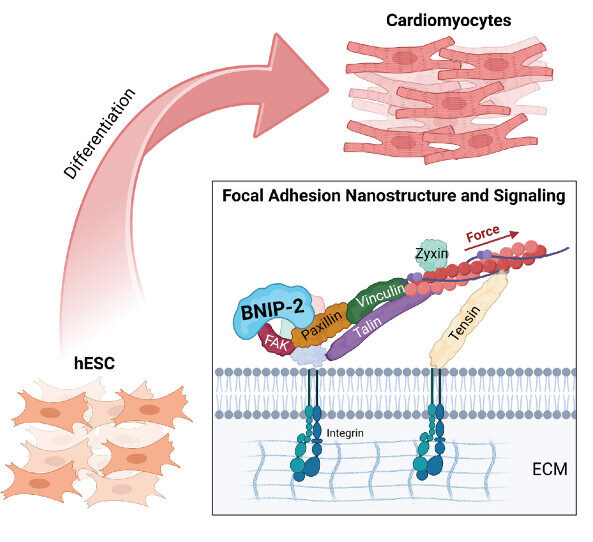
The Nano-Heartbuilder: BNIP-2 Influences Mechanosensing in Cardiomyoblast Differentiation
Researchers from the Low Lab at MBI discover a crucial role for the scaffold protein BNIP-2 in orchestrating focal adhesion dynamics during early heart development, offering new insights into heart regeneration strategies.
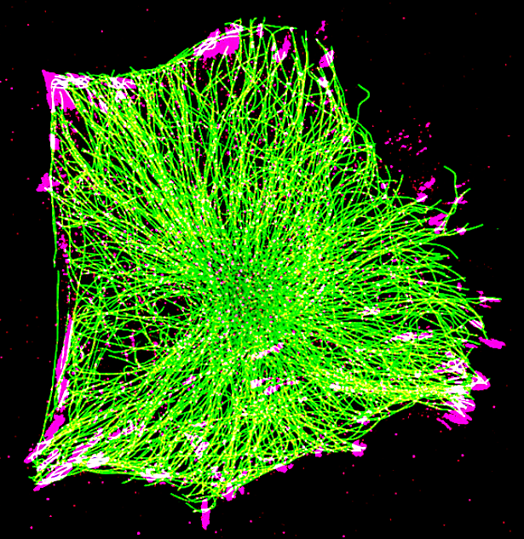
Shedding Light on Local Microtubule Regulation of Focal Adhesions
Researchers from the Bershadsky Lab at MBI utilized optogenetics to unlock the role of microtubules in regulating focal adhesion disassembly, an important step in cell migration. http://www.mbi.nus.edu.sg/featured-research/microtubules-and-cell-movement-a-closer-look-at-focal-adhesion-disassembly
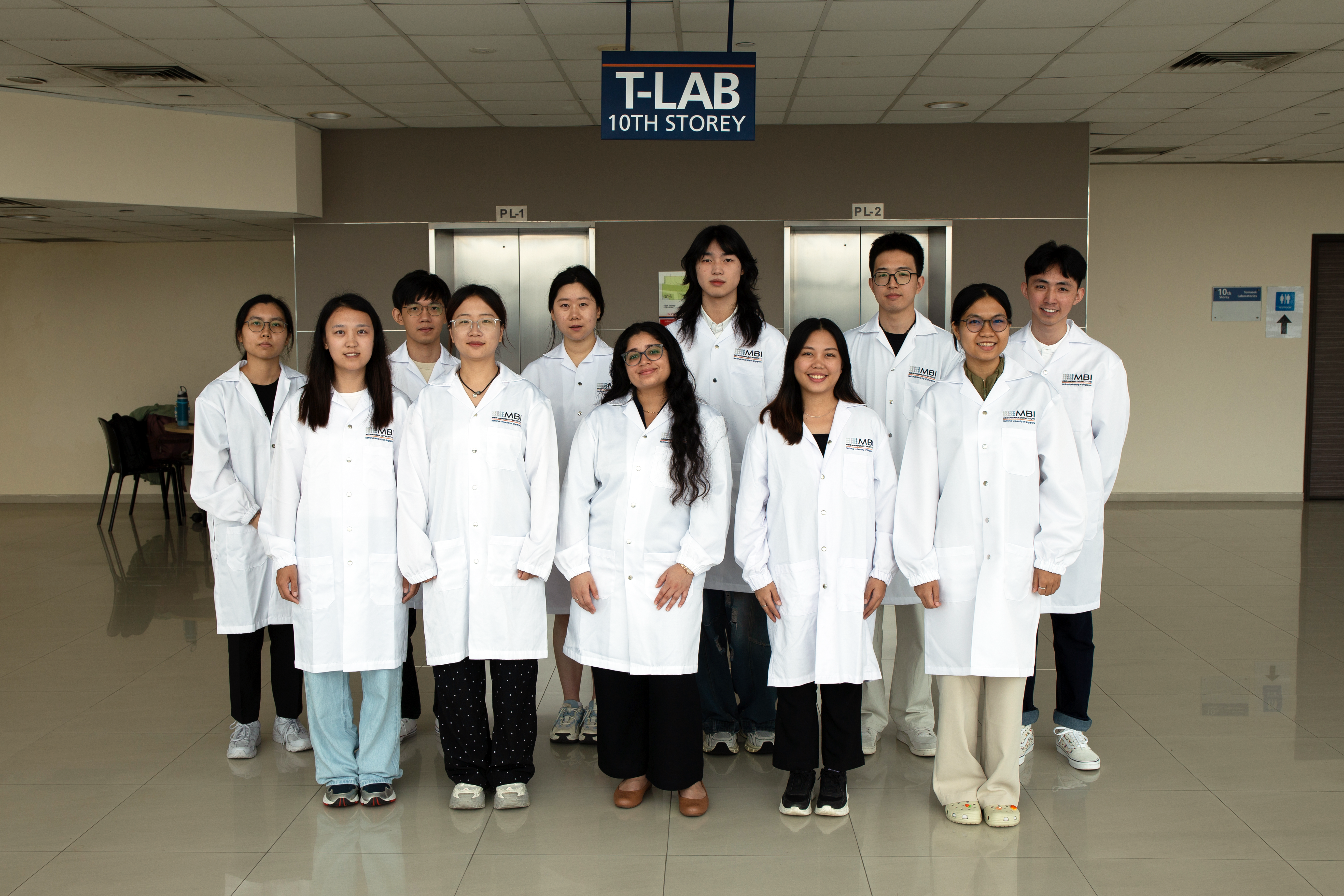
A Warm Welcome to the 2025 Ph.D Cohort!
MBI is delighted to welcome the 2025 cohort of Ph.D students. Coming from a rich tapestry of countries – China, Vietnam, Singapore, India and the Philippines – these eleven outstanding individuals bring with them interdisciplinary expertise and fresh perspectives that will enrich MBI’s vibrant research community.
Zhang Shaobo
Alumni
I joined the Saunders group on an internship as part of my Final Year Project during undergraduate study. The internship has been an amazing experience and helped me make up my mind to continue my journey in the mechanics of development – an exciting field which requires the integration of biology, physics, computer science and engineering.
My background during undergraduate study is in Bioinformatics (at Shanghai Jiao Tong University), and this has prepared me well for future exploration. I hope to use quantitative analysis techniques to study robust and precise cell matching processes. By applying embryonic Drosophila heart formation as a simplified matching system, I am looking forward to deciphering the deeper mechanisms of the cell targeting process about how cells find their partners in a complicated environment.