


SAW Thuan Beng
Alumni, Research Associate, Mechanobiology Institute, National University of Singapore
mbistb@nus.edu.sg
Level 9 T-Lab
National University of Singapore
5A Engineering Drive 1
Singapore 117411
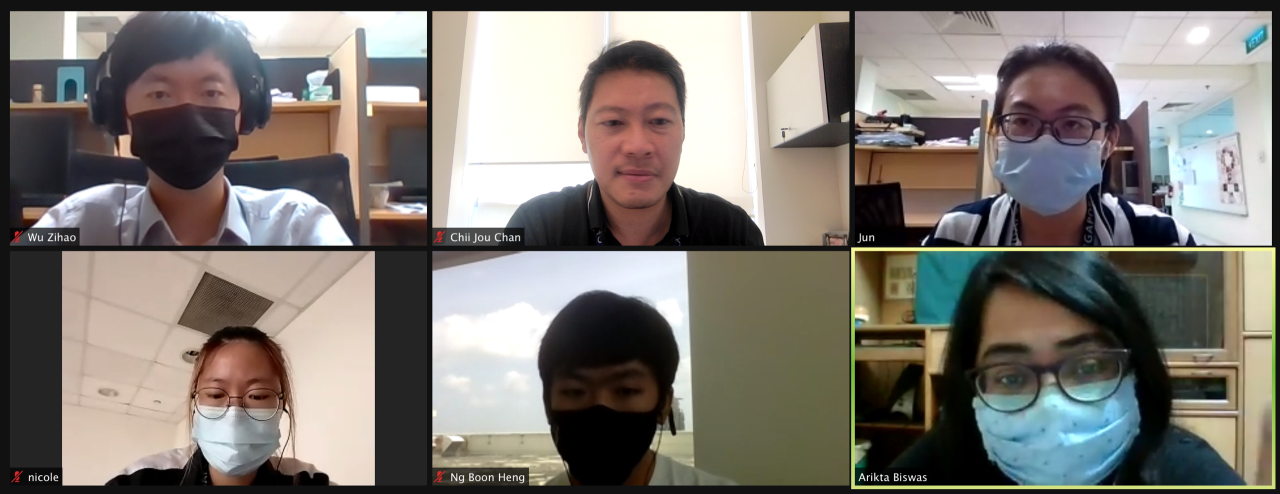
The group is growing!
Warm welcome to the first members of Mammalian Development & Tissue Hydraulics Lab! Fantastic team that helps to build the lab despite the challenges during the pandemic… Kudos to all and looking forward to exciting times ahead!
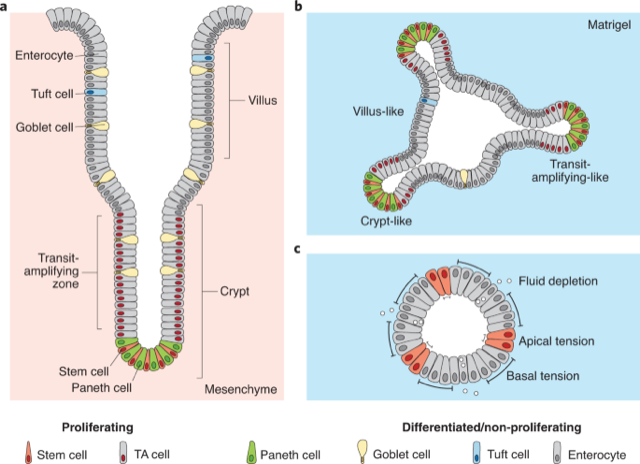
Mechano-osmotic forces shape organoid morphogenesis
Super happy to contribute to this exciting work on the role of lumen/tissue mechanics in organoid development. Beautiful collaboration between biologists and physicists. Also nice views by C. Nelson.

Zihao Wu
Alumni, Chan Group
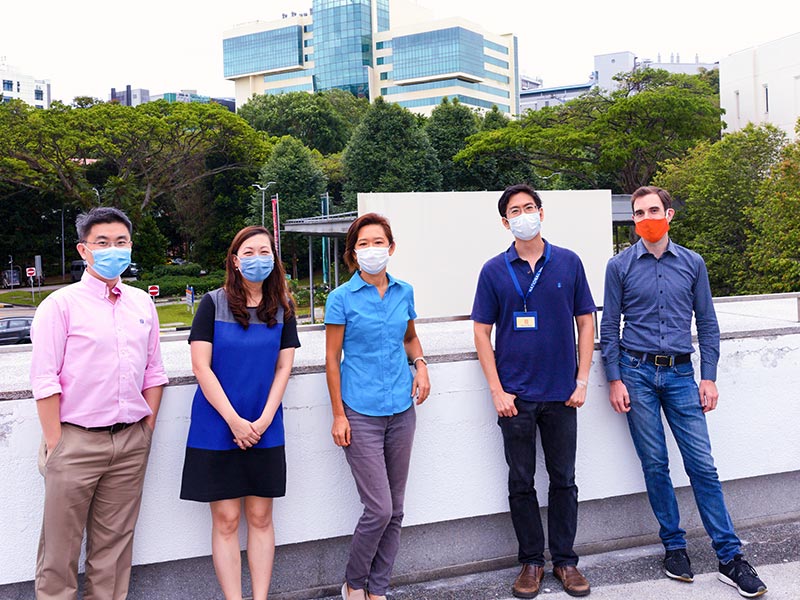
MBI PIs win MOE AcRF Tier 3 grant to study endomembrane aging
A research team led by Mechanobiology Institute (MBI) Principal Investigators Assoc. Prof. Tony Kanchanawong and Prof. Rong Li was recently awarded a Ministry of Education Academic Research Fund (MOE AcRF) Tier 3 grant.
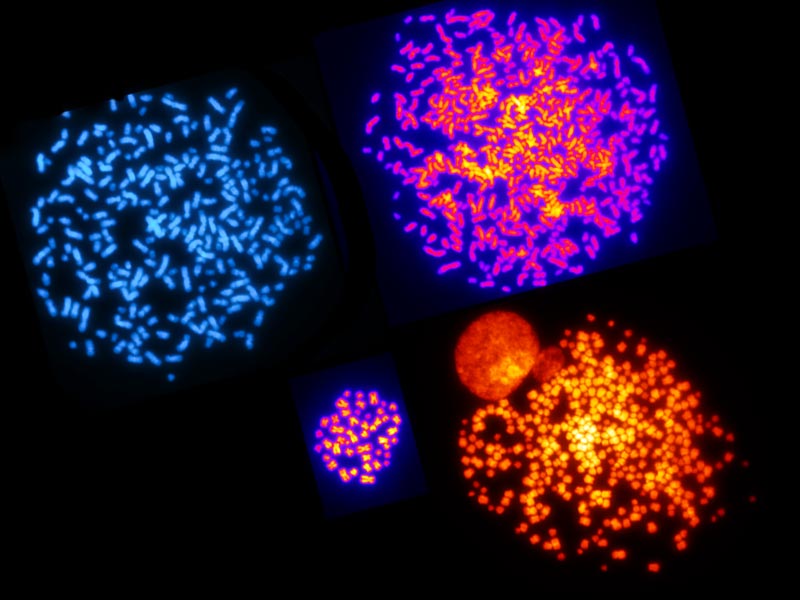
Preventing mistakes in chromosomal segregation
A recent study from the Li Lab at the Mechanobiology Institute, National University of Singapore and Johns Hopkins University, USA has revealed new aspects on the involvement of p53 protein in preventing mistakes in chromosomal segregation. Learn more
Jin Zhu
Senior Research Fellow, Facility Manager
Saw Thuan Beng
Alumni, Research Associate
Principal Investigator
Research Interests
Recent Publications
- Jiang X, Xu P, Feng F, Grenci G, and Saw TB. Revealing Electromechanical Control of Tissue Homeostasis Using a Two-Layer Microfluidic Device. J Vis Exp 2025;(223). [PMID: 41052031]
- Wang Y, Wang Y, Zhu Y, Yu P, Zhou F, Zhang A, Gu Y, Jin R, Li J, Zheng F, Yu A, Ye D, Xu Y, Liu Y, Saw TB, Hu G, Lim CT, and Yu F. Angiomotin cleavage promotes leader formation and collective cell migration. Dev Cell 2024;. [PMID: 39389053]
- Delanoë-Ayari H, Hiraiwa T, Marcq P, Rieu J, and Saw TB. 2.5D Traction Force Microscopy: Imaging three-dimensional cell forces at interfaces and biological applications. Int J Biochem Cell Biol 2023;:106432. [PMID: 37290687]
- . https://www.ncbi.nlm.nih.gov/pubmed/36103541
- Balasubramaniam L, Doostmohammadi A, Saw TB, Narayana GHNS, Mueller R, Dang T, Thomas M, Gupta S, Sonam S, Yap AS, Toyama Y, Mège R, Yeomans JM, and Ladoux B. Author Correction: Investigating the nature of active forces in tissues reveals how contractile cells can form extensile monolayers. Nat Mater 2021;. [PMID: 33750921]
- Balasubramaniam L, Doostmohammadi A, Saw TB, Narayana GHNS, Mueller R, Dang T, Thomas M, Gupta S, Sonam S, Yap AS, Toyama Y, Mège R, Yeomans JM, and Ladoux B. Investigating the nature of active forces in tissues reveals how contractile cells can form extensile monolayers. Nat Mater 2021;. [PMID: 33603188]
- Teo JL, Lim CT, Yap AS, and Saw TB. A Biologist's Guide to Traction Force Microscopy Using Polydimethylsiloxane Substrate for Two-Dimensional Cell Cultures. STAR Protoc 2020; 1(2):100098. [PMID: 33111126]
- Chen T, Saw TB, Mège R, and Ladoux B. Mechanical forces in cell monolayers. J. Cell. Sci. 2018; 131(24). [PMID: 30573527]
- Saw TB, Xi W, Ladoux B, and Lim CT. Biological Tissues as Active Nematic Liquid Crystals. Adv. Mater. Weinheim 2018;:e1802579. [PMID: 30156334]
- Saw TB, Doostmohammadi A, Nier V, Kocgozlu L, Thampi S, Toyama Y, Marcq P, Lim CT, Yeomans JM, and Ladoux B. Topological defects in epithelia govern cell death and extrusion. Nature 2017; 544(7649):212-216. [PMID: 28406198]