
How fish get their shape
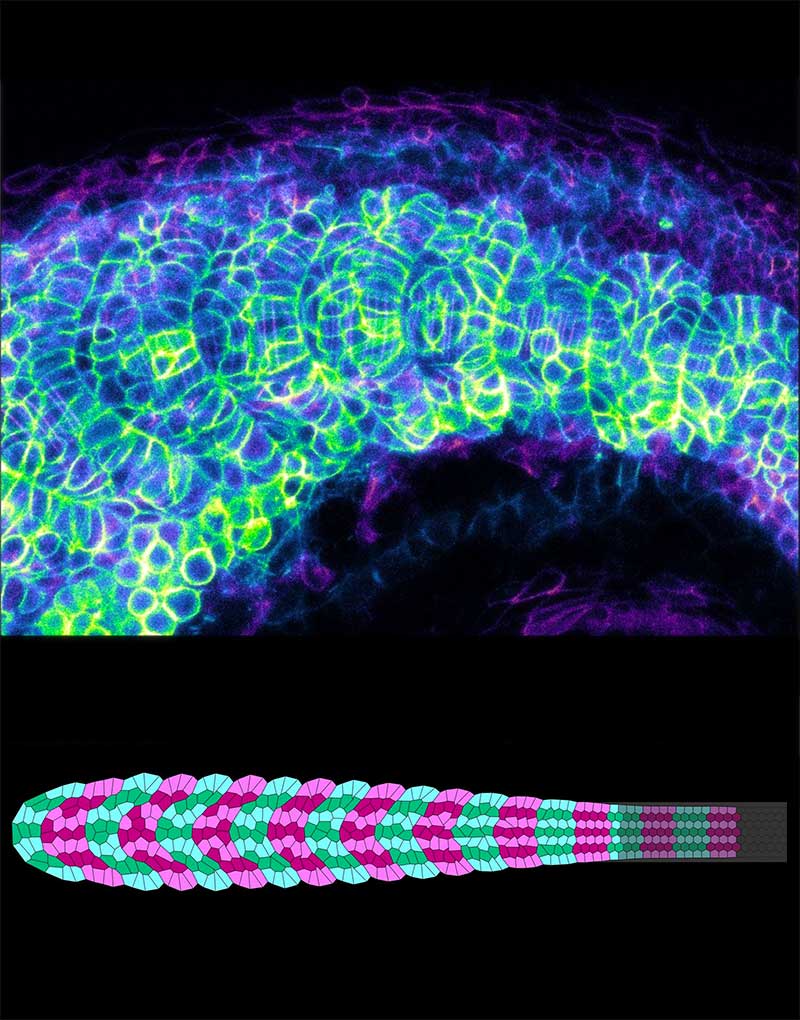
By investigating how chevron patterns form in embryonic fish muscle, a team from the Saunders Lab has revealed how physical forces are essential for correct formation of complex organ shapes. Learn more
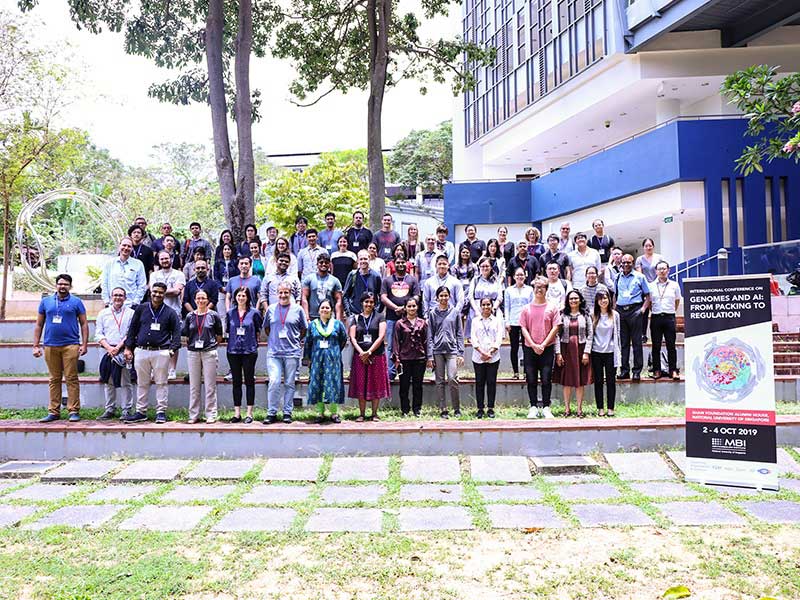
International Conference on Genomes and AI: Post-event report
This 3-day event created a common platform for scientists, industry experts, and students to share ideas and innovations, and to facilitate fruitful discussions on how AI-based tools could be used to spur research in biological sciences.
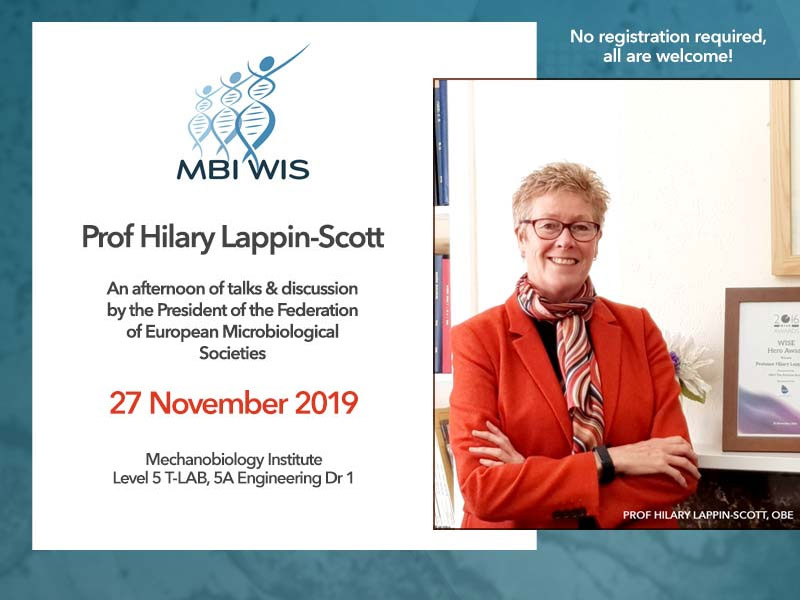
Hilary Lappin-Scott visiting from Cardiff
Prof. Hilary Lappin-Scottvisiting MBI on 27th November, 2019, for an afternoon of talks, discussion and networking opportunities.
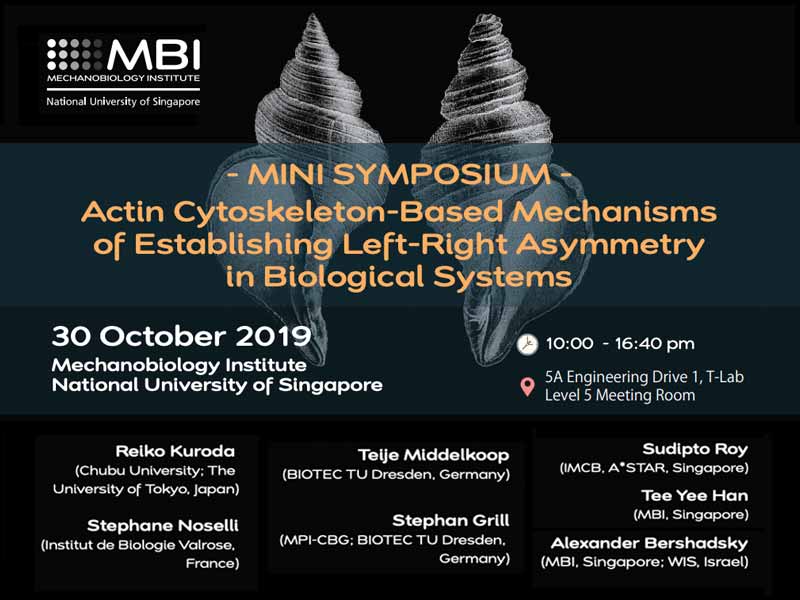
Actin Cytoskeleton-Based Mechanisms of Establishing Left-Right Asymmetry in Biological Systems
This mini symposium will explore exciting new findings in the study of actin cytoskeleton and its responsibility in establishing left-right asymmetry. Admission is free for all interested.
Wu Hongyi
Research Fellow, Li Group

Rachna Narayanan
Alumni, Saunders Group
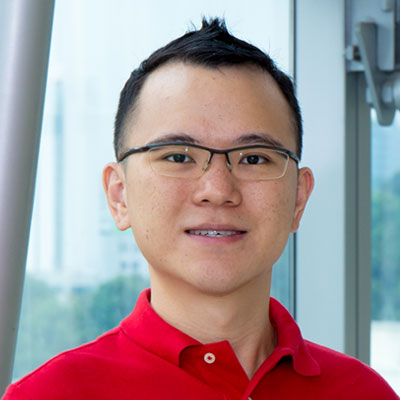
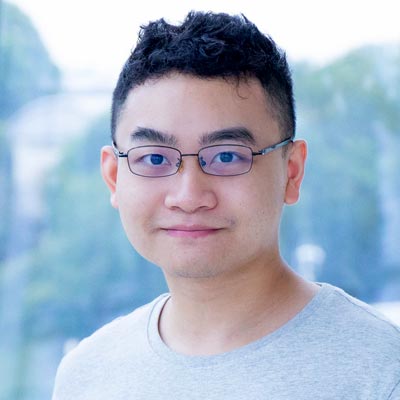
Ding Wei Yung
Alumni
Principal Investigator
Research Interests
Cell-Matrix and Cell-Cell Mechanotransduction, Molecular Mechanisms of Mechanobiology
Wei Yung’s interest lies in understanding the sophistication of cells as robust machines. Using C. elegans, a 1mm nematode, as a model system, he investigates the cellular machinery underlying newly fertilized zygotes that drives critical force-dependent processes such as polarization and cytokinesis.
Biography
Wei Yung completed his Bachelor’s degree in Bioengineering (Second Class Upper) from the National University of Singapore in 2012. In his honors dissertation under the co-supervision of Professor James Goh and Professor Wong Hee Kit, he optimized the conditions required for the construction of interbody spinal fusion device using primary adipose stem cells seeded in a biodegradable polycaprolactone/tricalcium sulphate (PCL/TCP) scaffold. The work was presented in the Bioengineering Showcase 2012 and he was awarded the Best Poster Award. After he was enrolled in the Mechanobiology Graduate Program, he joined Dr. Zaidel-Bar’s Cell Adhesion and Morphogenesis Lab and is currently searching for novel genes involved in regulating C. elegans early embryogenesis.