


Bibhas ROY
Visiting Research Fellow, Mechanobiology Institute, National University of Singapore, Post-doctoral Fellow, FIRC Institute of Molecular Oncology (IFOM), Italy
mbibr@nus.edu.sg
Level 10 T-Lab
National University of Singapore
5A Engineering Drive 1
Singapore 117411
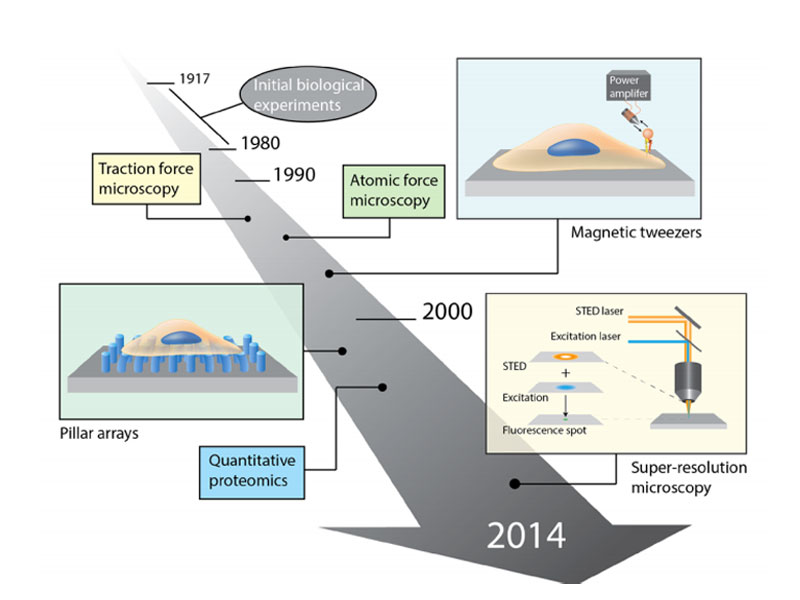
Theories and Milestones
The field of mechanobiology has grown dramatically in the past decade. With this growth came ground breaking experiments, and findings that challenged the foundations of cell biology.
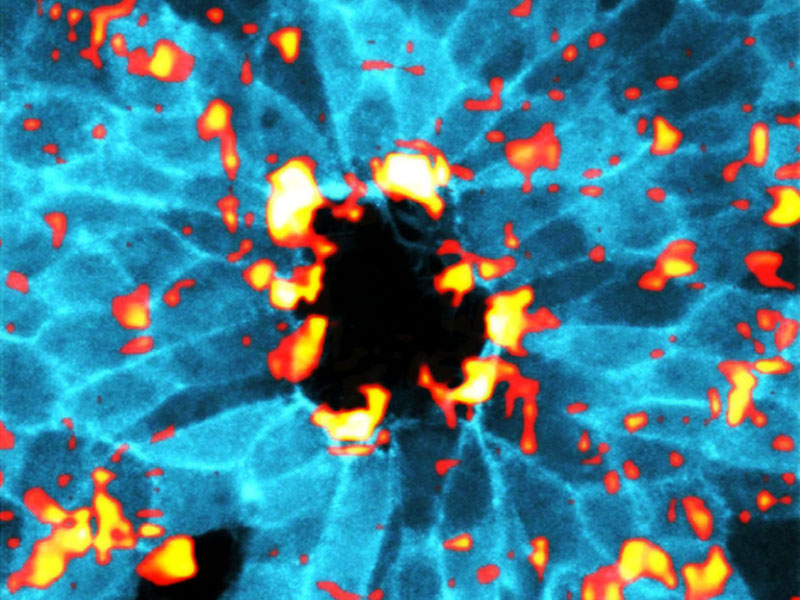
How Cells Repair Wounds
Collaborative study identifies new mechanism for wound healing
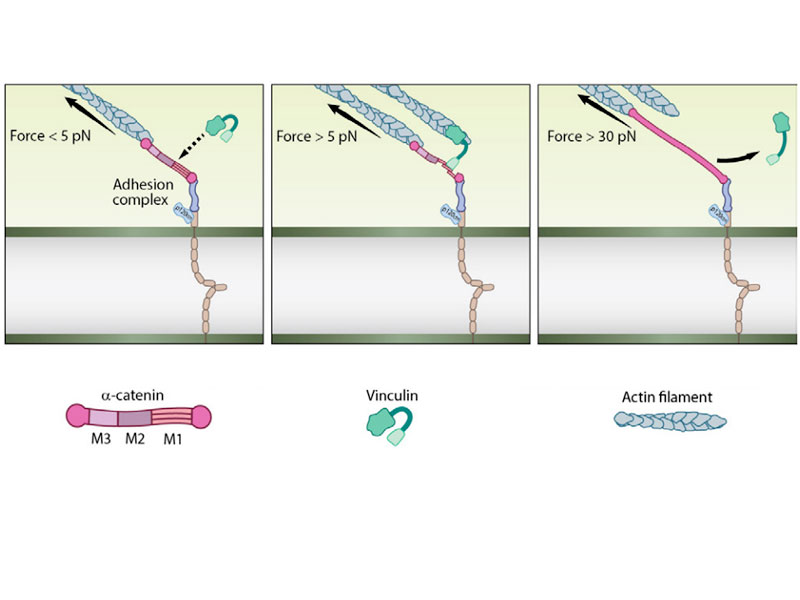
Unraveling a-catenin
α-catenin mediated mechanosensing of cell-cell junctions
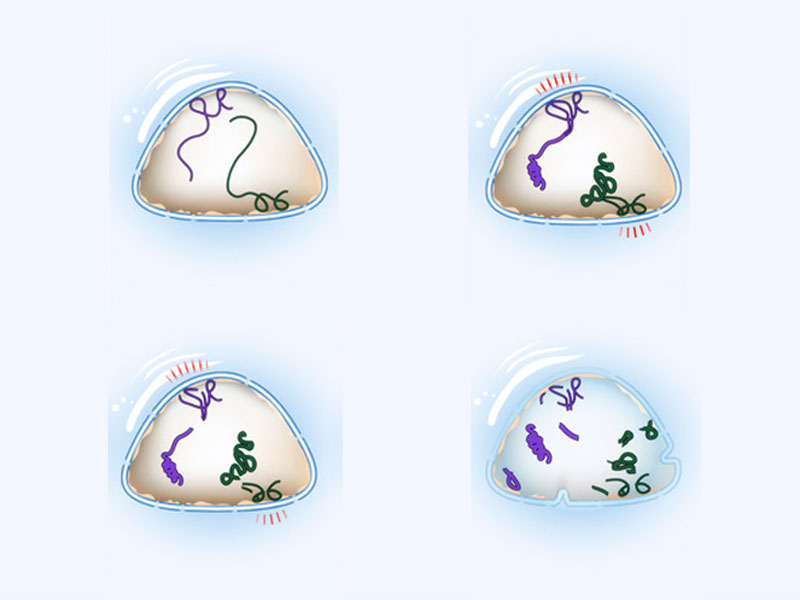
Protecting the Genome
ATR responds to mechanical stimuli to protect DNA
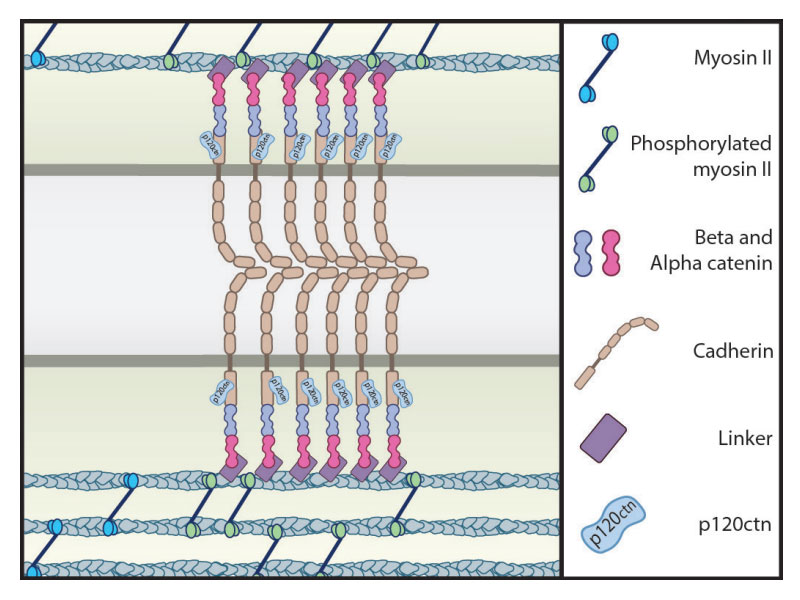
Capturing E-cadherin
Dynamics of cortical actin in the recruitment o cadherin at adhesion sites
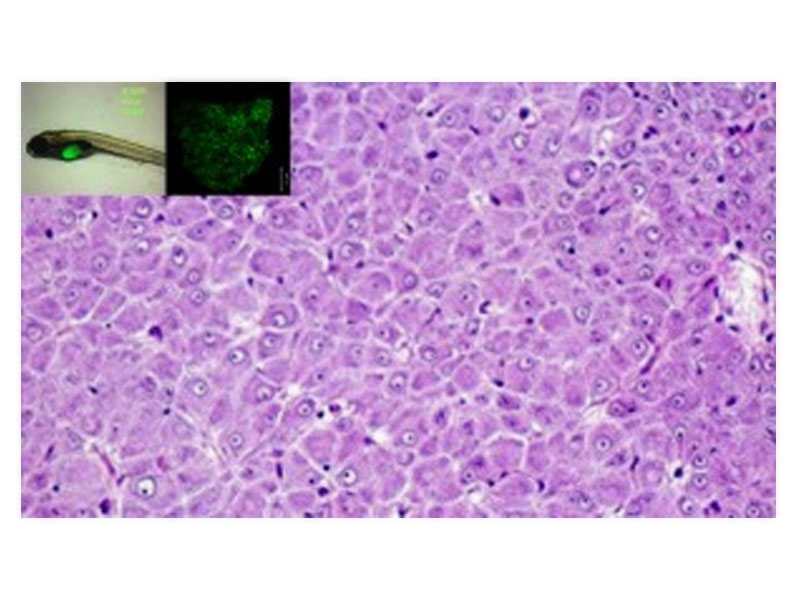
Rho Puts the Brakes on RAS-Driven Liver Cancer
Clues for targeting Ras-driven liver cancer through RhoA activation
Bibhas Roy
Alumni
I am a Research Fellow in Nuclear Mechanics & Genome Regulation Laboratory at MBI. In my doctoral research at Indian Institute of Technology Kharagpur, I have been understanding about the cellular mechanotransduction which specifically deals with cell membrane mechanosensors and consequent downstream cell responses. Eventually I have quite interested on nuclear mechanotransduction because for last two decades several path breaking findings in cellular mechanobiology has gained enormous interest to scientific community, but the nuclear mechanotransduction field remains quite elusive. This drive brought me to Prof Shivashankar’s Lab at MBI.
During differentiation and also reprogramming, cells accumulated multiple epigenetic changes, which leads to differential type of gene expression in different cell types. My current endeavor explores how nuclear geometry driven epigenetic changes leads to different cell type commitment.
Recent Publications
- Yuan L, Roy B, Ratna P, Uhler C, and Shivashankar GV. Lateral confined growth of cells activates Lef1 dependent pathways to regulate cell-state transitions. Sci Rep 2022; 12(1):17318. [PMID: 36243826]
- Roy B, Yuan L, Lee Y, Bharti A, Mitra A, and Shivashankar GV. Fibroblast rejuvenation by mechanical reprogramming and redifferentiation. Proc. Natl. Acad. Sci. U.S.A. 2020;. [PMID: 32350144]
- Banerjee H, Roy B, Chaudhury K, Srinivasan B, Chakraborty S, and Ren H. Frequency-induced morphology alterations in microconfined biological cells. Med Biol Eng Comput 2018;. [PMID: 30415434]
- Roy B, Venkatachalapathy S, Ratna P, Wang Y, Jokhun DS, Nagarajan M, and Shivashankar GV. Laterally confined growth of cells induces nuclear reprogramming in the absence of exogenous biochemical factors. Proc. Natl. Acad. Sci. U.S.A. 2018;. [PMID: 29735717]