

YU Hanry
Professor, Mechanobiology Institute, National University of Singapore
phsyuh@nus.edu.sg
+65 6516 3466
MD 9, #03-03; MD 1, #B1-03;
National University of Singapore
2 Medical Drive #04-01
Singapore 117597
Laboratory website
Translational Mechanobiology Laboratory
Research Program
Technology Innovation for Mechanobiology

Shailaja Seetharaman awarded the Yamaguchi Medal 2026
Congratulations to MBI Principal Investigator Asst. Prof. Shailaja Seetharaman on receiving the Yamaguchi Medal for Biomechanics (2026).
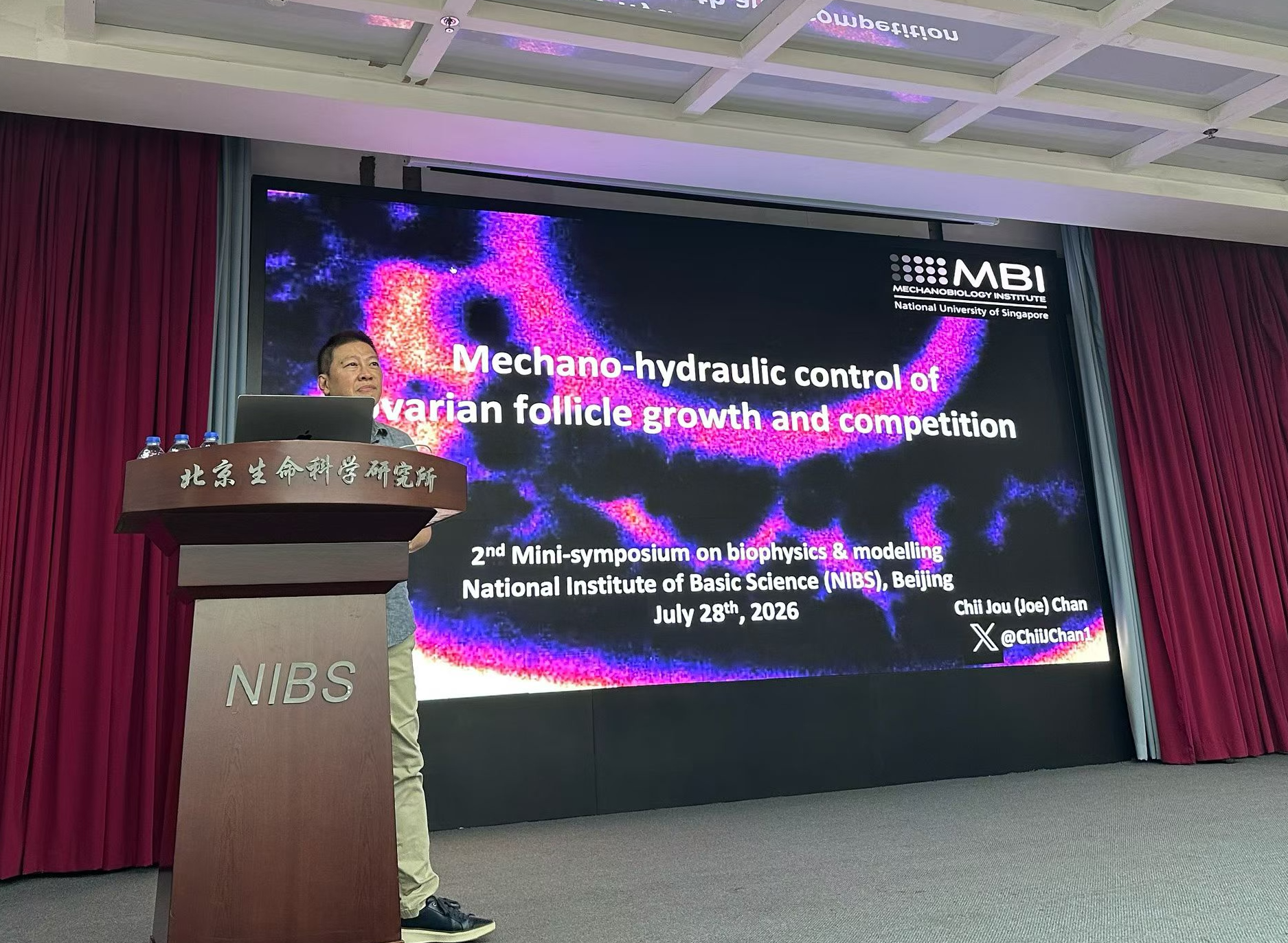
Joe presents the lab’s latest research at the National Institute of Biological Sciences mini-symposium in Beijing!
Grateful for the invitation to present our lab's latest research at the mini-symposium on biophysics and modelling at the National Institute of Biological Sciences in Beijing. Looking forward to future exciting collaborations!
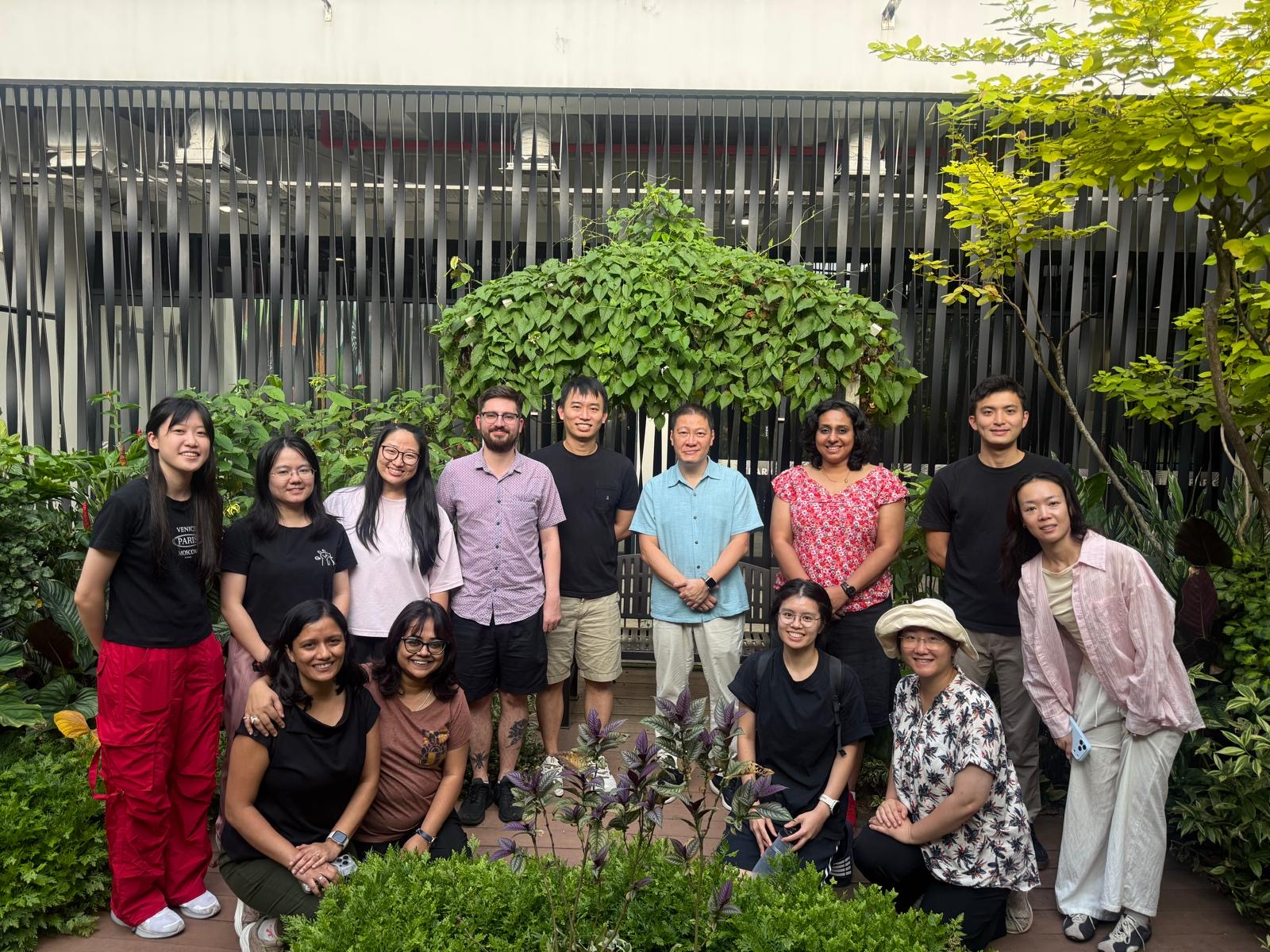
Celebrating the Chan lab’s 5th Anniversary with its first ever Lab retreat!
Lots of fun sharing crazy science and round table discussions on career development and lab culture.
Yu Hanry
Principal Investigator
Research Areas
Cell and Tissue Engineering Laboratory translates the latest biological and engineering knowledge into innovative technologies for diagnostics, therapeutics and drug testing applications in pharmaceutical and healthcare industry.
Research Interests
We adopt the latest industrial management models of teams to train future leaders of the R&D-based industry and academia. Our research expertise span from basic biological studies, biomaterials synthesis, to integrative engineering of biomedical devices that facilitate the translation of systems level understanding of biological functional processes into significant application solutions to help patients with liver diseases; and fuel biomedical industrial development in Asia. We acquire fundamental principles and technologies to quantitatively study and manipulate liver cell and tissue polarity and functions at meso-scale such that their global tissue structures and functions can be precision-engineered at mm-cm scales for applications.
Biography
Prof Yu is a Professor in the Department of Physiology, YLL School of Medicine, National University Health System, Principal Investigator at MBI, and Co-Lead Principal Investigator, Critical Analytics for Manufacturing Personalized-Medicine (CAMP), Singapore-MIT Alliance for Research and Technology (SMART). He was trained as a cell biologist but ventured into various other disciplines such as imaging, biomaterials, tissue engineering, drug testing, and computational biology of liver fibrosis. He takes pride in the interdisciplinary approach to research and graduate training; and he strives to build integrated teams to equip future graduates to readily adapt into both industrial and future academic settings.
Education
PhD, Duke University, USA
Recent Publications
- Balachander GM, Ng IC, Pai RR, Mitra K, Tasnim F, Lim YS, Kwok R, Song Y, Yaw LP, Quah CB, Zhao J, Septiana WL, Kota VG, Teng Y, Zheng K, Xu Y, Lim SH, Ng HH, and Yu H. LEADS – a comprehensive human liver-on-a-chip for non-alcoholic steatohepatitis (NASH) drug testing. Lab Chip 2025;. [PMID: 40391591]
- Wu X, Raymond JJ, Liu Y, Odermatt AJ, Sin W, Teo DBL, Natarajan M, Ng IC, Birnbaum ME, Lu TK, Han J, Springs SL, and Yu H. Rapid Universal Detection of High-Risk and Low-Abundance Microbial Contaminations in CAR-T Cell Therapy. Small Methods 2025;:e2500253. [PMID: 40159755]
- Zhou H, Loo LSW, Ong FYT, Lou X, Wang J, Myint MK, Thong A, Seow DCS, Wibowo M, Ng S, Lv Y, Kwang LG, Bennie RZ, Pang KT, Dobson RCJ, Domigan LJ, Kanagasundaram Y, and Yu H. Cost-effective production of meaty aroma from porcine cells for hybrid cultivated meat. Food Chem 2025; 473:142946. [PMID: 39864181]
- Bennie RZ, Ogilvie OJ, Loo LSW, Zhou H, Ng SK, Jin A, Trlin HJF, Wan A, Yu H, Domigan LJ, and Dobson RCJ. A risk-based approach can guide safe cell line development and cell banking for scaled-up cultivated meat production. Nat Food 2025;. [PMID: 39753758]
- Lou X, Wang J, Kwang LG, Zhou H, Ong FYT, Ng S, and Yu H. Perforated imprinting on high moisture meat analogue confers long range mechanical anisotropy resembling meat cuts. NPJ Sci Food 2024; 8(1):106. [PMID: 39706829]
- Liu Y, Raymond JJ, Wu X, Chua PWL, Ling SYH, Chan CC, Chan C, Loh JXY, Song MXY, Ong MYY, Ho P, Mcbee ME, Springs SL, Yu H, and Han J. Electrostatic microfiltration (EM) enriches and recovers viable microorganisms at low-abundance in large-volume samples and enhances downstream detection. Lab Chip 2024;. [PMID: 39189168]
- Ma Y, Li Z, Luo Y, Chen Y, Ma L, Liu X, Xiao J, Huang M, Li Y, Jiang H, Wang M, Wang X, Li J, Kong J, Shi P, Yu H, Jiang X, and Guo Q. Biodegradable Microembolics with Nanografted Polyanions Enable High-Efficiency Drug Loading and Sustained Deep-Tumor Drug Penetration for Locoregional Chemoembolization Treatment. ACS Nano 2024;. [PMID: 38946122]
- Wu Y, Cheng J, Qi J, Hang C, Dong R, Low BC, Yu H, and Jiang X. Three-dimensional liquid metal-based neuro-interfaces for human hippocampal organoids. Nat Commun 2024; 15(1):4047. [PMID: 38744873]
- Luo X, Wang J, Tan C, Dou Q, Han Z, Wang Z, Tasnim F, Wang X, Zhan Q, Li X, Zhou Q, Cheng J, Liao F, Yip HC, Jiang J, Tan RT, Liu S, and Yu H. Rapid Endoscopic Diagnosis of Benign Ulcerative Colorectal Diseases with an Artificial Intelligence Contextual Framework. Gastroenterology 2024;. [PMID: 38583724]
Lab Members
Recent Lab Alumni
Ge Zhixing
Research Fellow, Lim Group
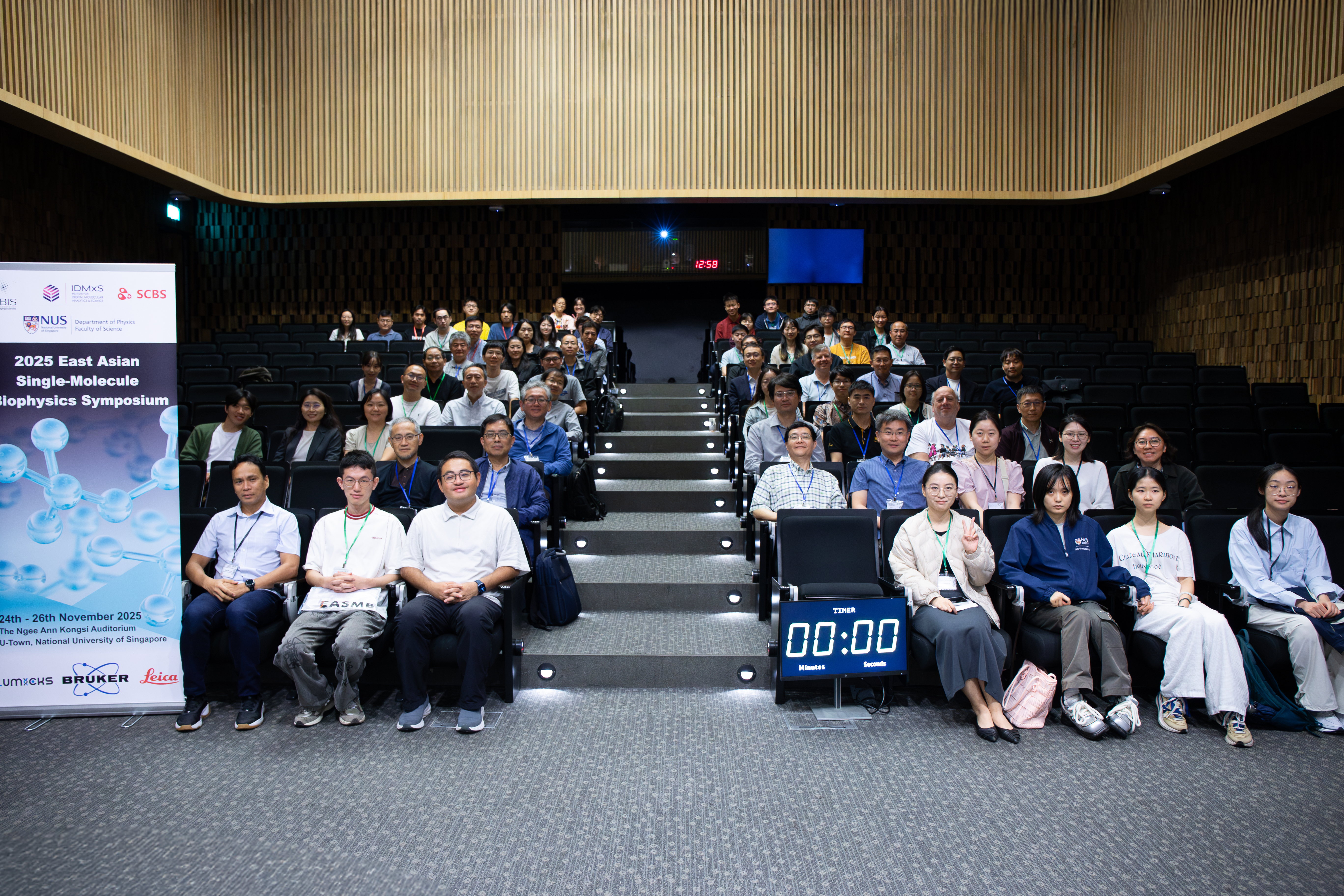
EASMB Symposium 2025 Showcases Global Participation and Relevance
The East Asian Single-Molecule Biophysics Symposium 2025 (EASMB2025) held from 24 to 26 November at the Ngee Ann Kongsi Auditorium in the Education Resource Centre, UTown, National University of Singapore showcased global participation and relevance.
Ng Inn Chuan
Research Associate, Yu Group
Byun Young Seo Christina
Research Assistant, Tee Group
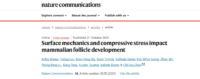
Super proud of Arikta Biswas, whose work on theca cell mechanics and compressive stress is now published in Nature Communications!
A huge thanks to our collaborators and reviewers for offering their invaluable feedback as well! Read the article here.
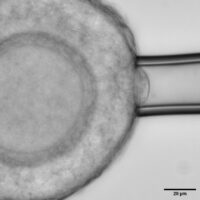
The Pressure That Shapes Life: Mechanical Forces Behind Egg Maturation
Researchers from the Chan Lab at MBI demonstrate the importance of compressive stress exhibited by theca cells in healthy follicle maturation and surrounding support cells, suggesting a new perspective in understanding infertility.
Luo Xujie
Research Assistant, Lim Group
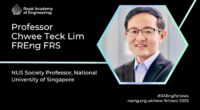
Prof. Lim Chwee Teck elected as an FREng, and received the Otto Schmitt Award
Professor Lim Chwee Teck elected as an International Fellow of the Royal Academy of Engineering and received the Otto Schmitt Award from IFMBE
Yee Zhuangli
Research Fellow, Low Group
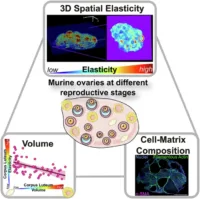
Quantitative Micro-Elastography: New Imaging Tool Uncovers Age-Dependent Mechanical Changes in Ovarian Tissue
Researchers from the Chan Lab at MBI develop a a novel method called quantitative micro-elastography to create detailed 3D maps of ovarian stiffness in mice—revealing crucial insights that could lead to new infertility treatments.

Jie Zhang
Research Fellow, Lim Group
Sui Mingyu
Research Fellow, Yan Jie Group