

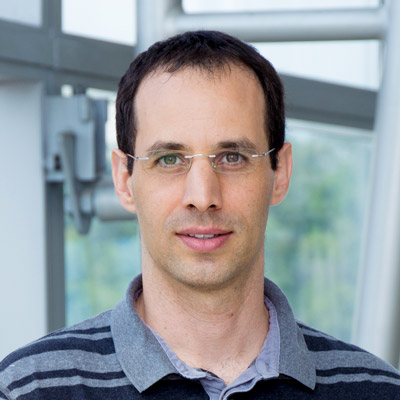
Ronen ZAIDEL-BAR
Department of Cell and Developmental Biology, Sackler Faculty of Medicine, Tel-Aviv University, Israel
Laboratory website
Zaidel-Bar Cell Adhesion Lab
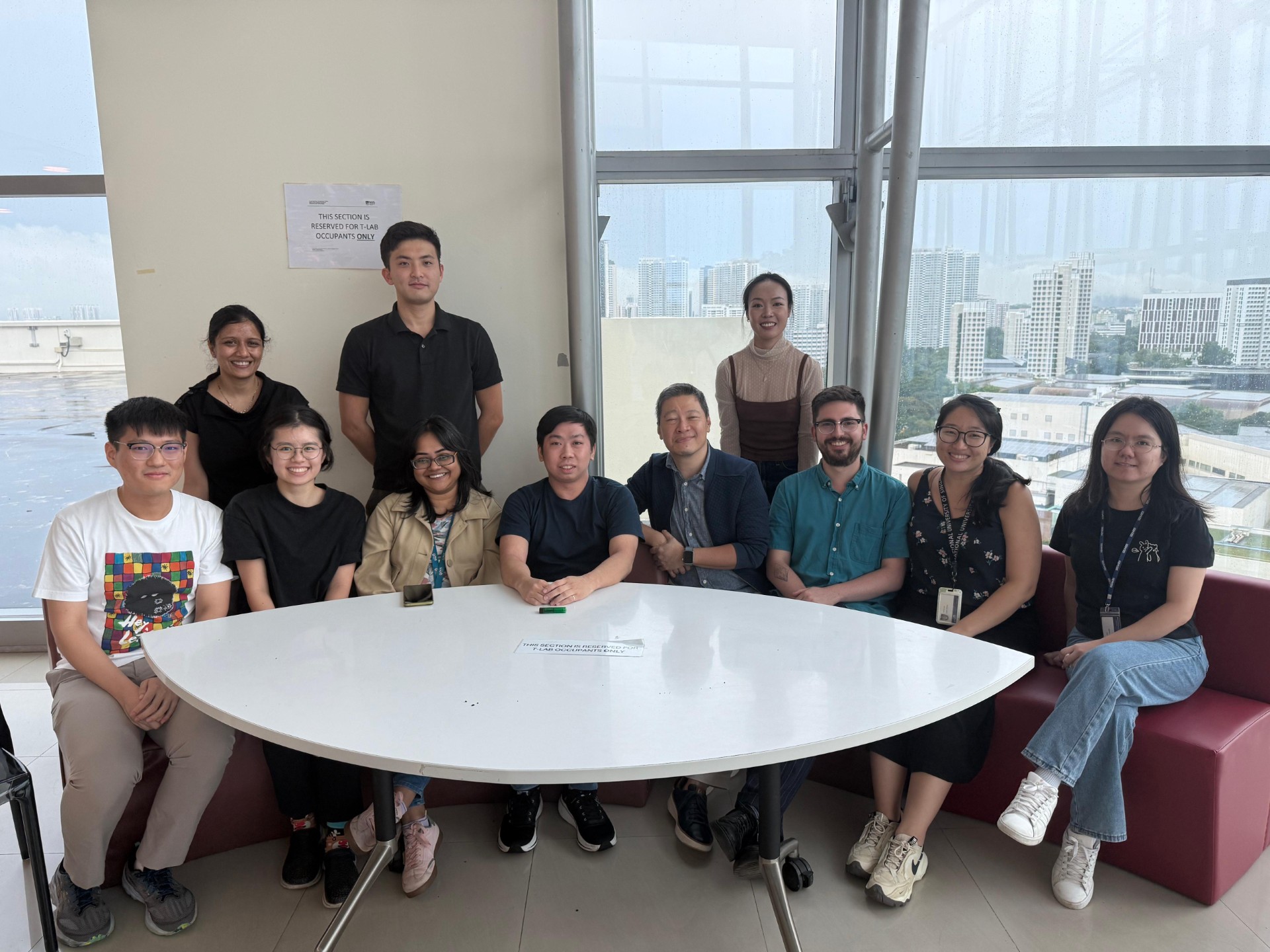
Congratulations to Boon Heng for successfully defending his thesis!
Our heartfelt congratulations to Boon Heng!

Kevin Heinrich Kaub
Research Fellow, Michelot Group
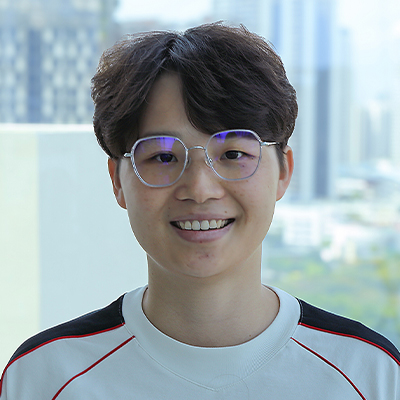
Fang Zhou
Research Fellow, Holle Group
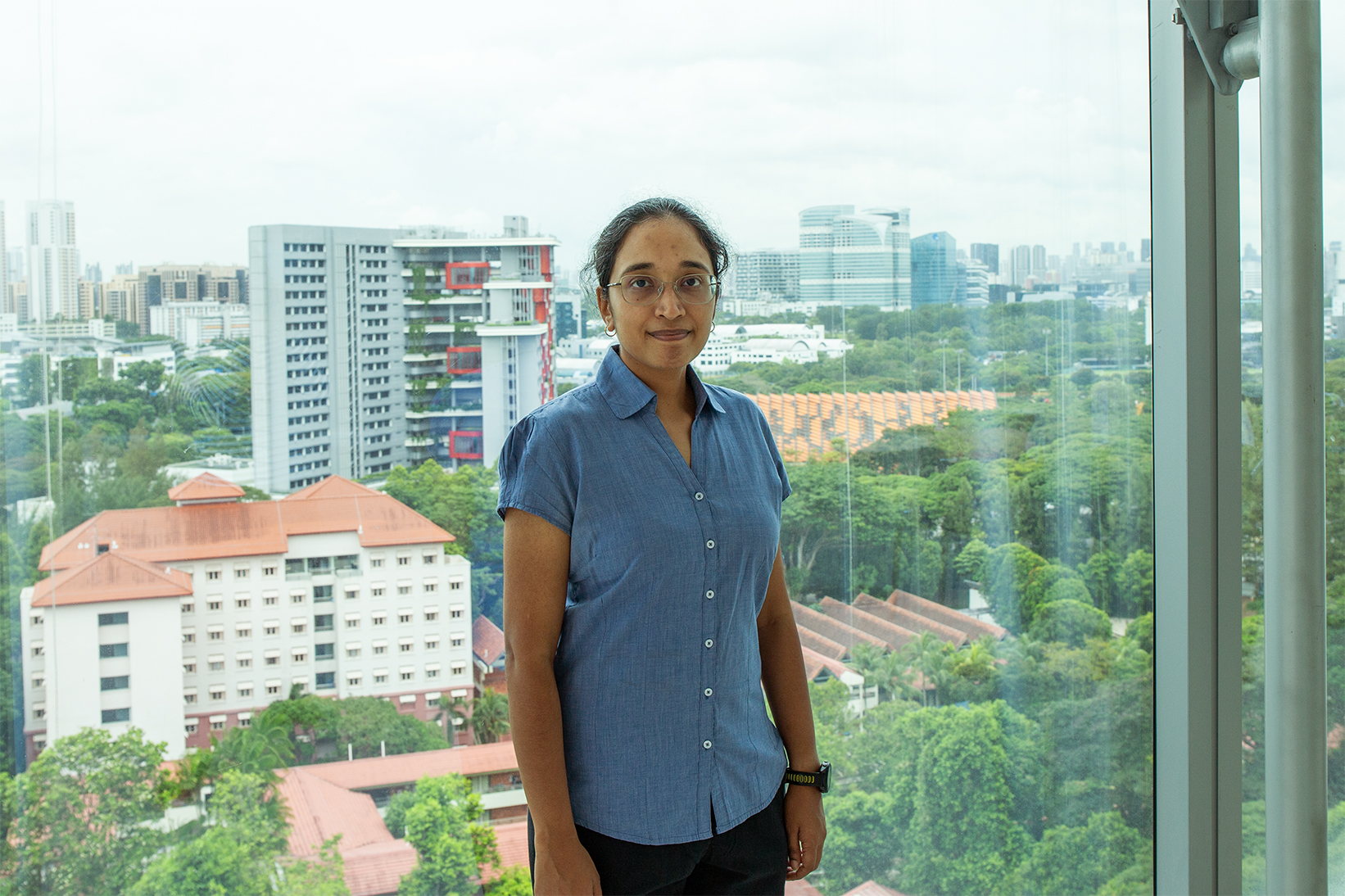
MBI warmly welcomes Shailaja Seetharaman!
MBI warmly welcomes Shailaja Seetharaman as a MBI PI leading the Vascular Mechano-Medicine Lab.

Elgene Chng Junyuan
PhD Student, Lim Group

Bryan Ng Zheng Jie
Research Assistant, Lim Group
Ronen Zaidel-Bar
Visiting Faculty
Currently Visting
6-12 Nov 2018
Office: T-Lab, Level 5
Research Areas
Cell-cell and cell-matrix adhesion, Regulation of actomyosin contractility and dynamics, C. elegans development, mechanics and molecular mechanisms of morphogenesis
Research Interests
- How do specific cytoskeletal proteins contribute to the organization and function of cell adhesion and actomyosin structures?
- How are signals processed within the “adhesome” and “contractome” to arrive at the appropriate cytoskeletal arrangement for a given cell state?
- How do adhesion sites and the cytoskeleton sense and respond to external mechanical forces?
Biography
Dr Zaidel-Bar obtained his Ph.D. working with Prof Benny Geiger (Weizmann Institute of Science) on the role of force in regulating cell-matrix adhesions. Their work first focused on single proteins and evolved to encompass the entire adhesome network. In his Postdoctoral training with Prof Jeff Hardin (University of Wisconsin – Madison) Dr Zaidel-Bar switched from studying cells in culture to employing the genetic model organism C. elegans for the study of cell-cell adhesions during development. Dr Zaidel-Bar was attracted to Singapore by the opening of MBI and was awarded the Singapore National Research Foundation Fellowship for promising young investigators.
Education
PhD Weizmann Institute of Science
Recent Publications
- Bertocchi C, Alegría JJ, Vásquez-Sepúlveda S, Ibanez-Prat R, Srinivasan A, Arrano-Valenzuela I, Castro-Pereira B, Soto-Montandon C, Trujillo-Espergel A, Montenegro-Rojas I, Deguchi S, Owen GI, Kanchanawong P, Cerda M, Motta G, Zaidel-Bar R, and Ravasio A. Systematic AI-assisted screening of the cadhesome to map epithelial monolayer mechanics. Cell Commun Signal 2026;. [PMID: 42399739]
- Ray S, Agarwal P, Nitzan A, Nédélec F, and Zaidel-Bar R. Actin capping protein regulates actomyosin contractility to maintain germline architecture in C. elegans. Development 2023;. [PMID: 36897576]
- Avivi Kela S, Sethi K, Tan PY, Suresh D, Ong HT, Castaneda PG, Amin MR, Laviv T, Cram EJ, Faix J, and Zaidel-Bar R. Tension-dependent RHGF-1 recruitment to stress fibers drives robust spermathecal tissue contraction. J Cell Biol 2022; 222(2). [PMID: 36574264]
- Chen Z, Oh D, Biswas KH, Zaidel-Bar R, and Groves JT. Probing the effect of clustering on EphA2 receptor signaling efficiency by subcellular control of ligand-receptor mobility. Elife 2021; 10. [PMID: 34414885]
- Hu S, Grobe H, Guo Z, Wang Y, Doss BL, Pan M, Ladoux B, Bershadsky AD, and Zaidel-Bar R. Reciprocal regulation of actomyosin organization and contractility in non-muscle cells by tropomyosins and alpha-actinins. Mol. Biol. Cell 2019;:mbcE19020082. [PMID: 31216217]
- Desai SK, Padmanabhan A, Harshe S, Zaidel-Bar R, and Kenney LJ. Salmonella biofilms program innate immunity for persistence in Caenorhabditis elegans. Proc. Natl. Acad. Sci. U.S.A. 2019;. [PMID: 31160462]
- Bouffard J, Cecchetelli AD, Clifford C, Sethi K, Zaidel-Bar R, and Cram EJ. The RhoGAP SPV-1 regulates calcium signaling to control the contractility of the C. elegans spermatheca during embryo transits. Mol. Biol. Cell 2019;:mbcE18100633. [PMID: 30726159]
- Priti A, Ong HT, Toyama Y, Padmanabhan A, Dasgupta S, Krajnc M, and Zaidel-Bar R. Syncytial germline architecture is actively maintained by contraction of an internal actomyosin corset. Nat Commun 2018; 9(1):4694. [PMID: 30410005]
- Agarwal P, and Zaidel-Bar R. Principles of Actomyosin Regulation In Vivo. Trends Cell Biol. 2018;. [PMID: 30385150]
- Chen Z, Oh D, Biswas KH, Yu C, Zaidel-Bar R, and Groves JT. Spatially modulated ephrinA1:EphA2 signaling increases local contractility and global focal adhesion dynamics to promote cell motility. Proc. Natl. Acad. Sci. U.S.A. 2018;. [PMID: 29866846]
Lab Members
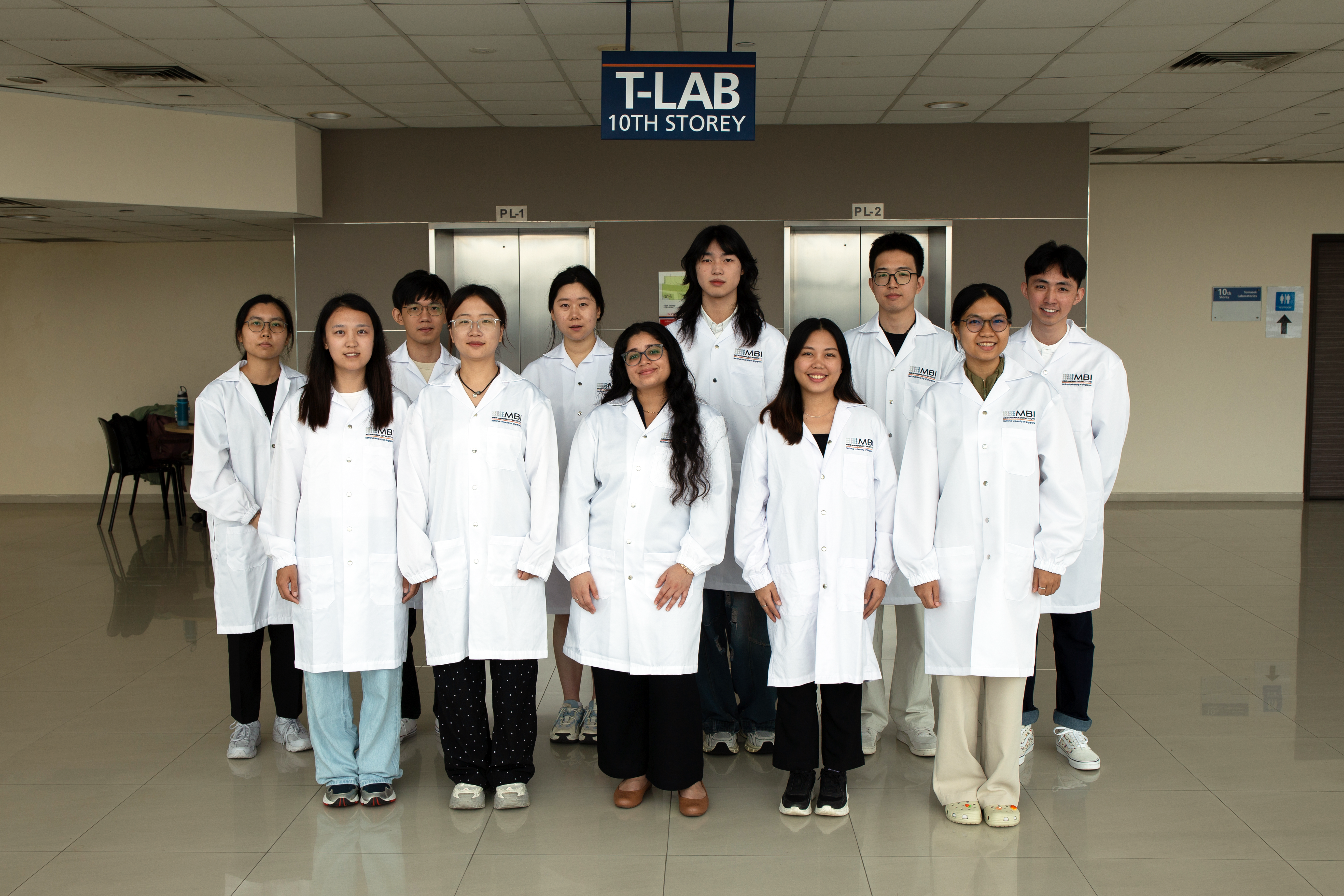
A Warm Welcome to the 2025 Ph.D Cohort!
MBI is delighted to welcome the 2025 cohort of Ph.D students. Coming from a rich tapestry of countries – China, Vietnam, Singapore, India and the Philippines – these eleven outstanding individuals bring with them interdisciplinary expertise and fresh perspectives that will enrich MBI’s vibrant research community.

Neha Paddillaya
Research Fellow, Chan Group

Privita Edwina
Research Fellow, Holle Group

ZHUANG Zirui
PhD Student, Class of August 2025, Li Group

ZHAO Jiayu
PhD Student, Class of August 2025, Kanchanawong Group

YAN Chengrui
PhD Student, Class of August 2025, Yan Jie Group

NGUYEN Dinh Thach Lam
PhD Student, Class of August 2025, Hirashima Group

Miguel SOON Jun Yi
PhD Student, Class of August 2025, Low Group

LYU Min
PhD Student, Class of August 2025, Lim Group

HOANG Mai Thanh Truc
PhD Student, Class of August 2025, Yu Group

Hannah Abilaguyo YUSON
PhD Student, Class of August 2025, Holle Group

Diya NARANG
PhD Student, Class of August 2025, Michelot Group