


Jennifer YOUNG
Assistant Professor, Mechanobiology Institute, National University of Singapore
biejly@nus.edu.sg
09-03-07
Level 9 T-Lab
National University of Singapore
5A Engineering Drive 1
Singapore 117411
Laboratory website
Soft Nano-Biomaterials Lab
Affiliations
Department of Biomedical Engineering, National University of Singapore
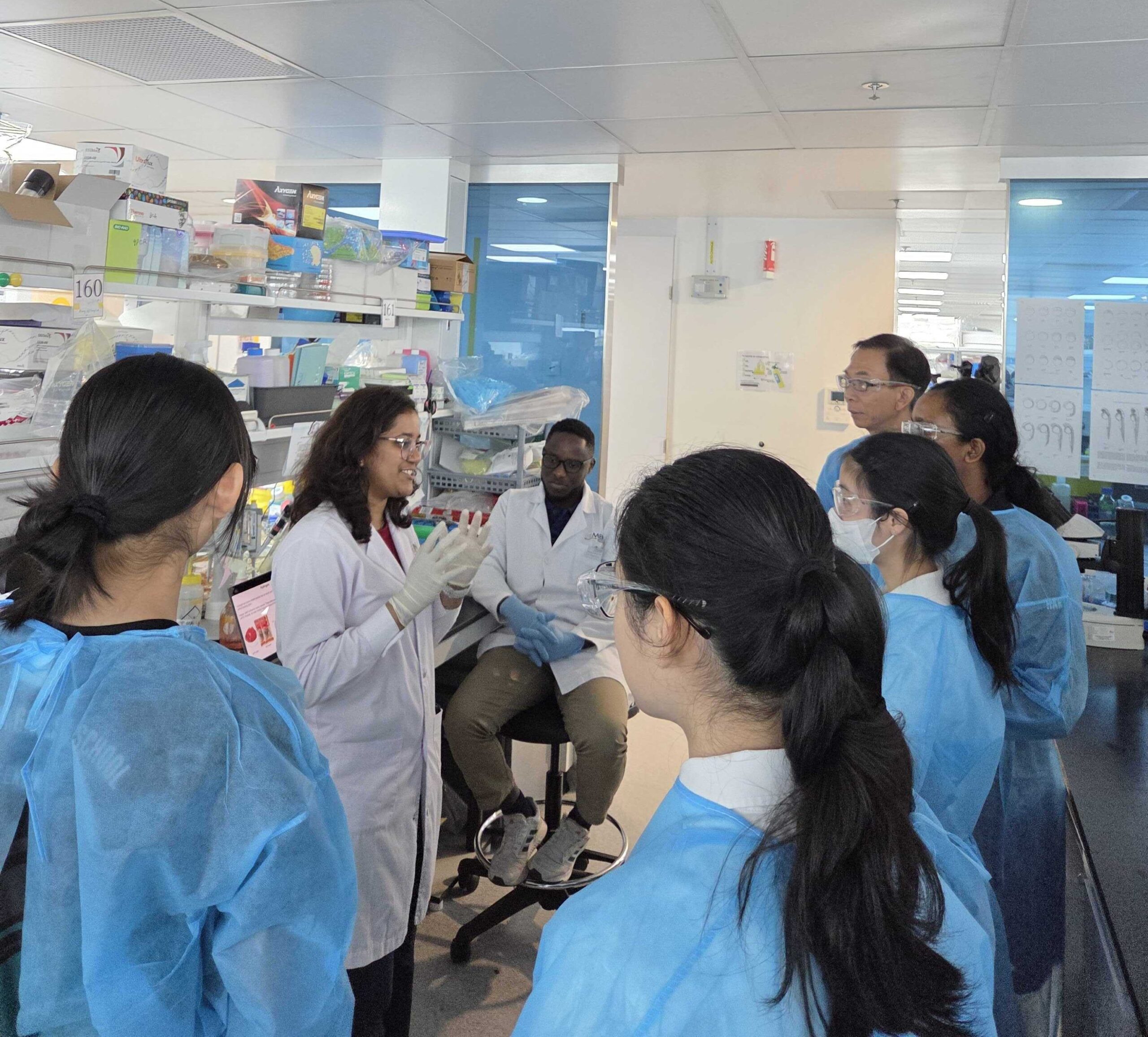
The Young Lab Welcome Visitors from Raffles Girls’ School!
The Young Lab hosted visitors from Raffles Girls' School as part of MBI's outreach event.
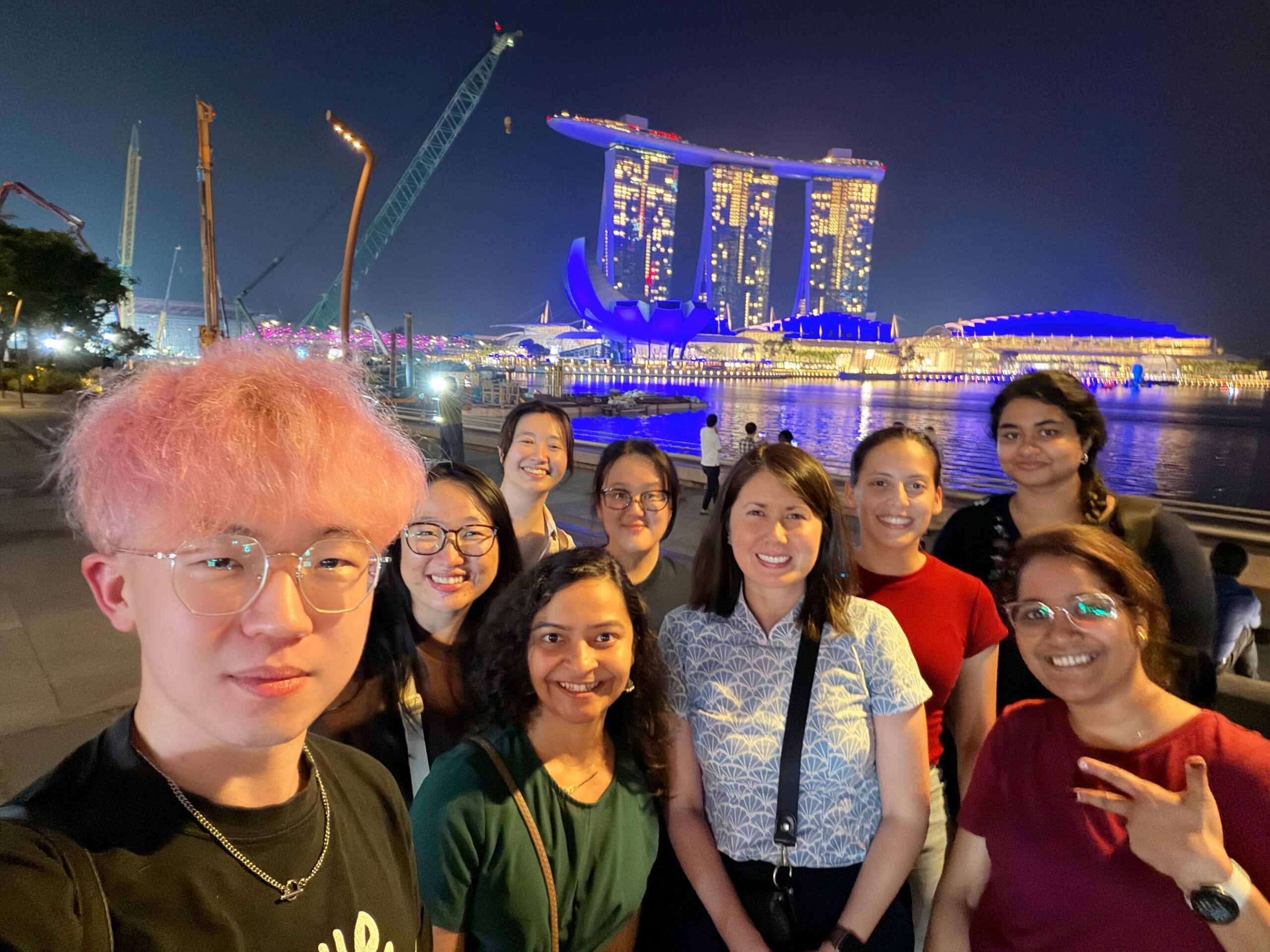
Farewell Avery, All the Best!
Farewell to Dr. Avery Rui Sun, a former PhD student at the Young Lab from 2021-2026!
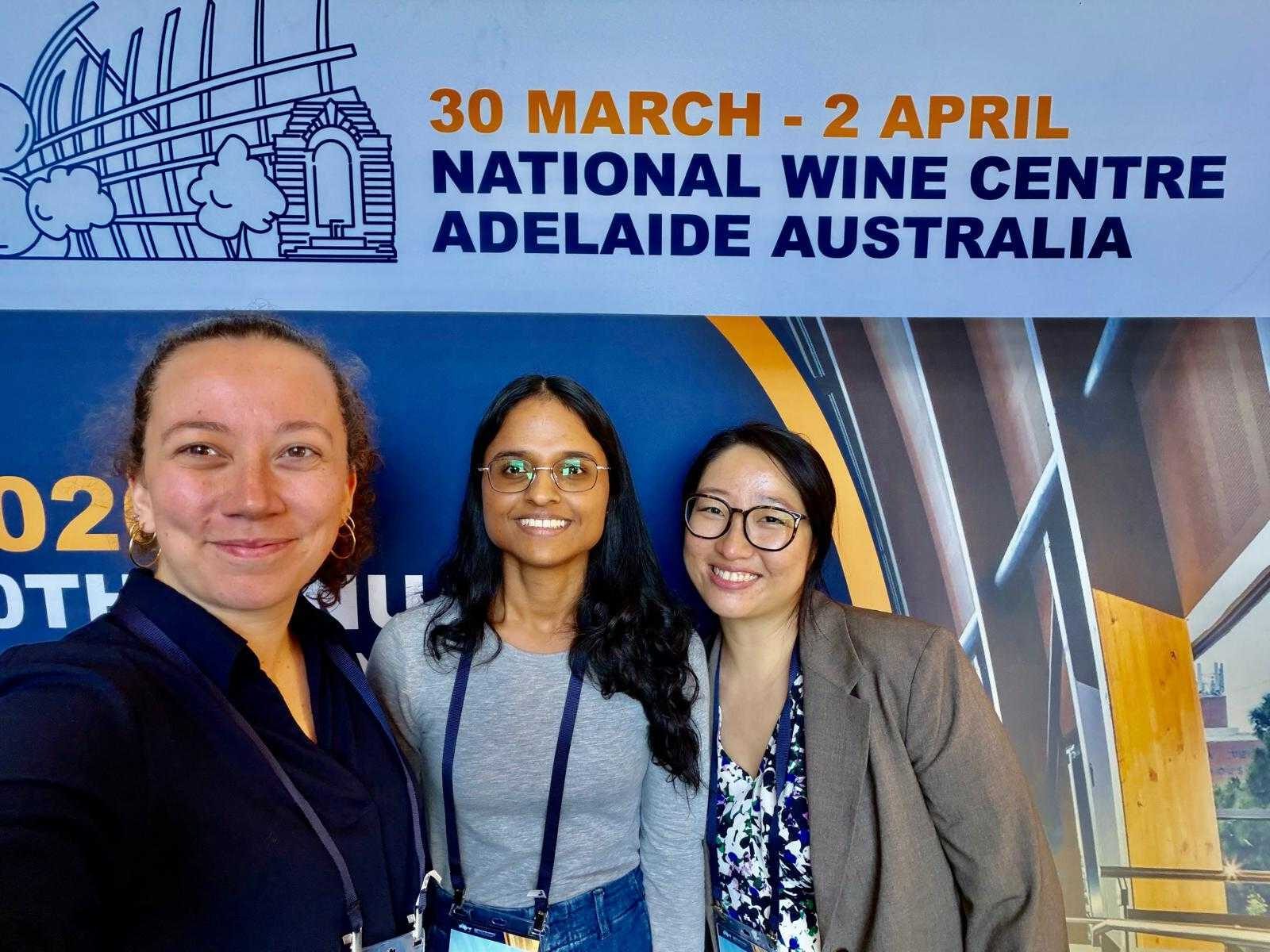
Ting, Hatice and Raageshwari in ASBTE Conference 2026
The Young Lab attends the 2026 Australasian Society for Biomaterials and Tissue Engineering (ASBTE) from 30 Mar-2 Apr 2026!
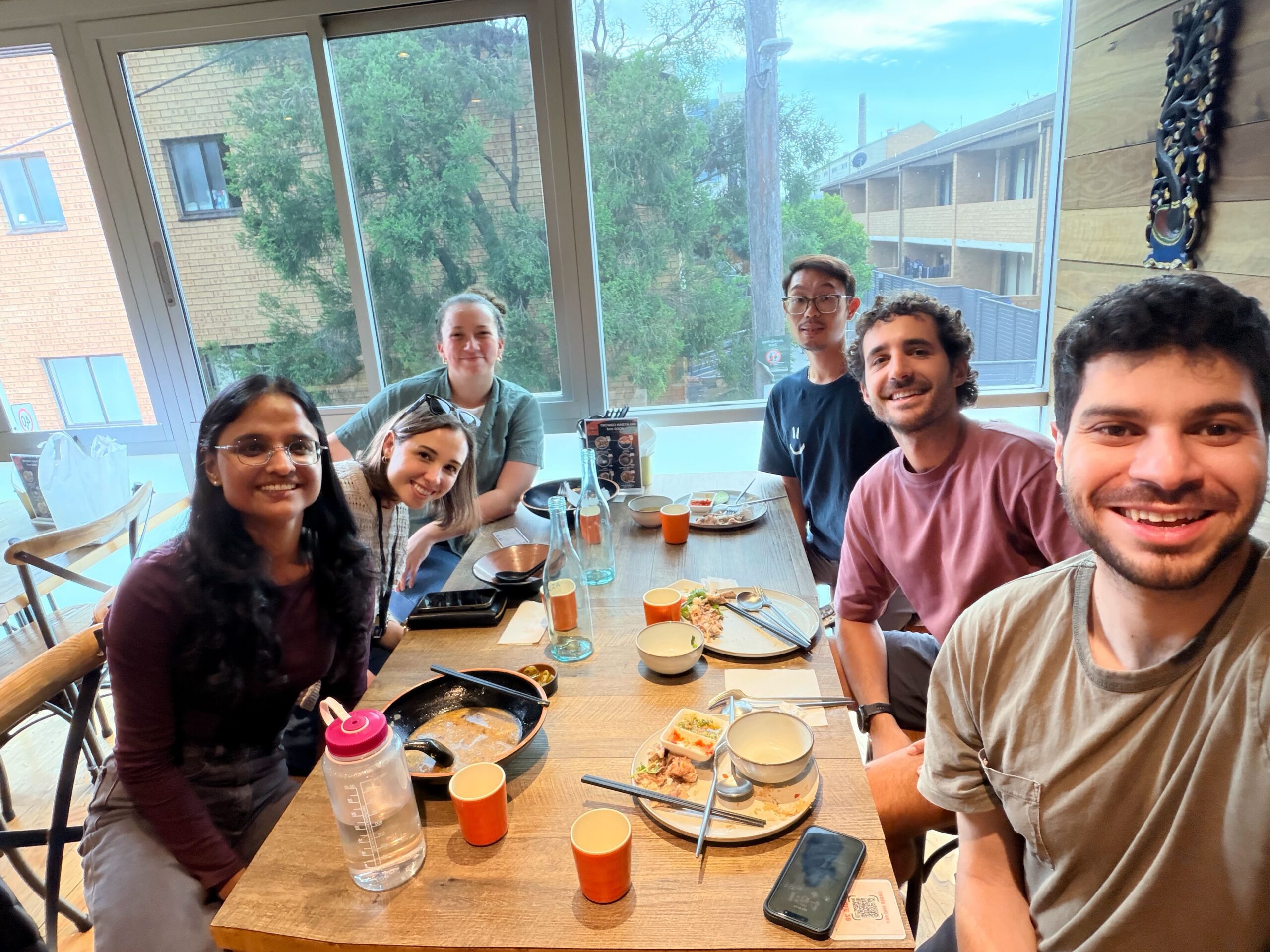
Raageshwari and Hatice visit Prof. Khoon Lim’s Lab in USyd
Raageshwari and Hatice from the Young Lab visits Prof. Khoon Lim's lab in USyd.
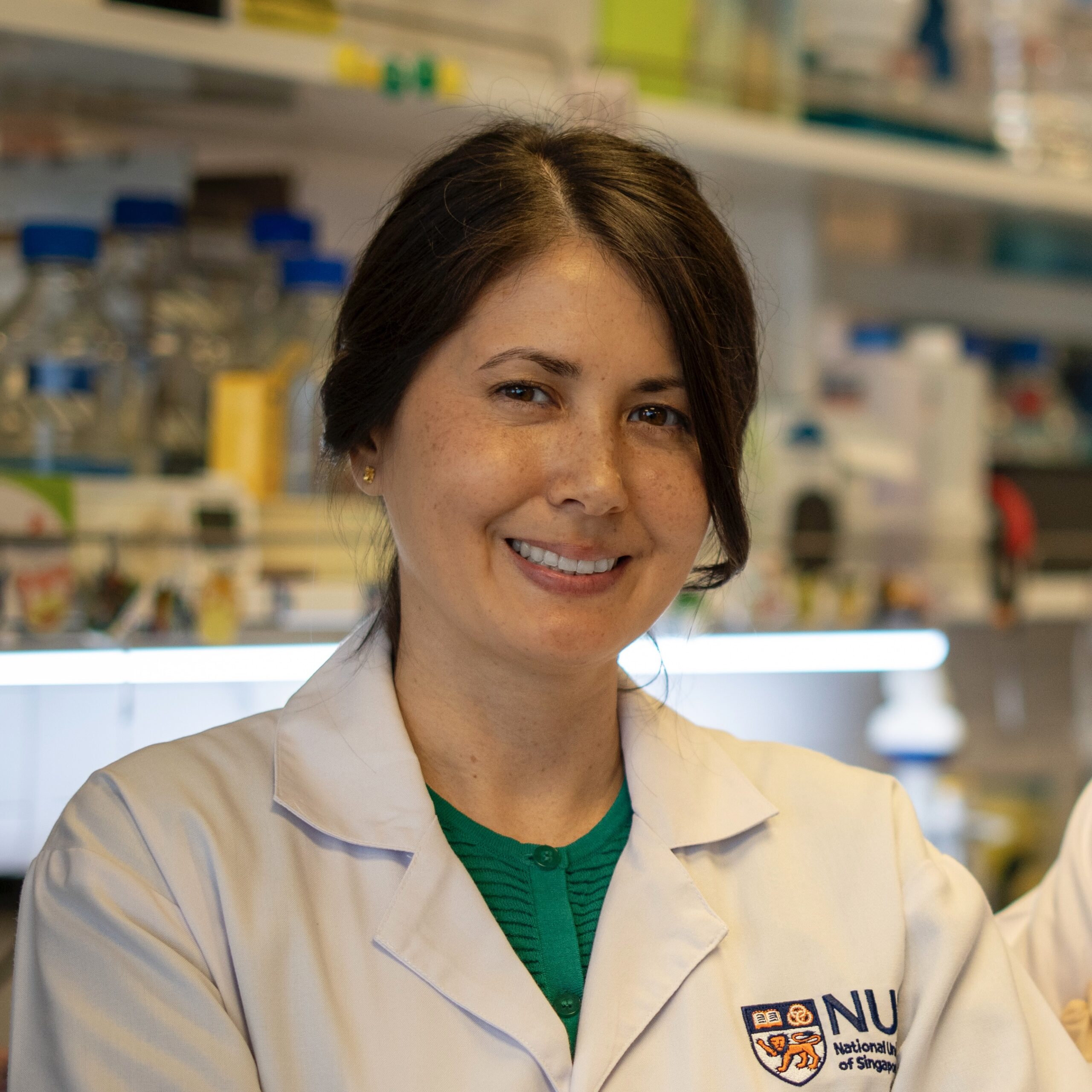
Dr. Jennifer Young Awarded Robert Brown Promising Researcher Award for MOE AcRF Tier 2 Grant
Dr. Jennifer Young received the Robert Brown Promising Researcher Award for her MOE AcRF Tier 2 Grant
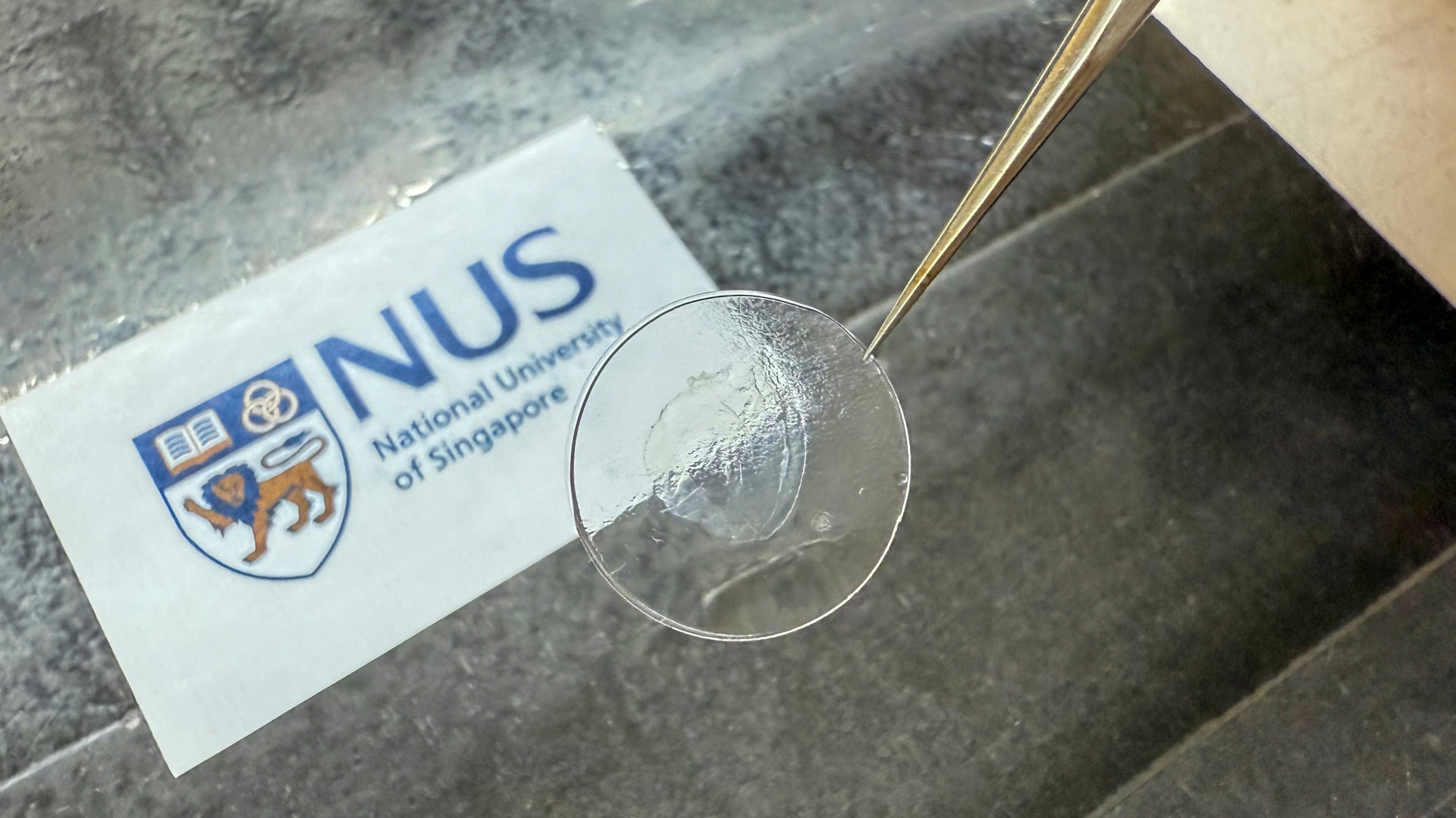
DECIPHERing the Role of Cell-Matrix Interactions in Ageing Heart Health
Researchers from the Soft Nano-Biomaterials Lab at MBI developed a material system to enable precise investigation into how individual ECM properties affect cultured heart cells.
Jennifer Young
Principal Investigator
Research Areas
Tissue nanoenvironment, biomaterials, cell-ECM interactions
Research Interests
The Soft Nano-Biomaterials Lab investigates the mechanobiology of the extracellular matrix (ECM), with a focus on how age- and disease-related changes in ECM drive tissue dysfunction. Our past work has revealed how matrix cues (mechanics, composition, and architecture) regulate diverse biological processes, including stem cell differentiation, cancer invasion, and cardiac aging. Building on this, our research centers on two key areas: (1) Tissue mechanobiology: using mechanical mapping, super-resolution microscopy, and spatial omics to characterize the multiscale and dynamic properties of native ECM; and (2) Engineered biomaterials: developing tissue-mimetic platforms to uncover mechanisms that govern cell fate and tissue aging. Collectively, our works aims to contribute a deeper understanding to tissue dysfunction from the perspective of the matrix and identify new opportunities for intervention.
Education
BS in Biomedical Engineering, University of California Davis
PhD in Bioengineering, University of California San Diego
Biography
Jennifer Young was trained as a bioengineer at the University of California Davis (B.S.) and the University of California San Diego (Ph.D.). During her Ph.D. with Prof. Adam Engler, she studied the role of mechanics in cardiac development, and created a hydrogel system capable of mimicking dynamic tissue properties in vitro. Inspired by the role of extracellular matrix (ECM) in dictating cell behavior and fate, she joined Prof. Joachim Spatz’s Cellular Biophysics group at the Max Planck Institute for Medical Research (Heidelberg, Germany) to study the contribution of nanoscale ECM cues to cellular function. Here, she discovered that variations in nanoscale ligand presentation alone affect chemoresistance in breast cancer cells, which has great implications in cancer treatment strategies. Her work at the MBI and NUS BME will continue to identify nanoscale ECM properties and unravel their contribution to cellular behavior in a diverse set of biological environments.
Selected Publications
- Ho, C.Z., Lawther, D.B., Huang, C.B., Bharathkumar, S., Beh, S.W., Poon, E.W., Lim, P.S., Lee, K.W., Felisha, C., Tay, S.C., Yow, I., Young, J.L., Wu, S.K., Low, B.C. (2025): Protocol for AI-assisted quantitative analysis and setup of tumor spheroid invasion into tissue. STAR Protocols, 6(4): 104140.
- Tomida, K., Ong, H.T., Young, J.L., Chan, C.J. (2025): Capturing ovarian dynamics through spatial profiling of the mechano-microenvironment. Seminars in Cell & Developmental Biology, 175: 103642.
- Gao, X., Li, Y., Lee, J.W.N., Zhou, J., Rangaraj, V., Sun, A.R., Young, J.L., Holle, A.W. (2025): Isolation, extraction, and analysis of cells after confined migration. Current Protocols, 5(9): e70204.
- Joukhdar, H., Lee, S.S., Cox, T.R., Choi, Y.S., Wise, S.G., Young, J.L., Yeo, G.C., Lim, K.S. (2025): Engineering Aging: Approaches to Model and Deconstruct Biological Complexity. Advanced Materials, e12523.
- Ong, H.T.*, M, S.*, Jiang, G., Young, J.L.†, Holle, A.W.†, Elnathan, R.† (2025): The Rise of Mechanobiology for Advanced Cell Engineering and Manufacturing. Advanced Materials, 2501640.
- Sun, A.R., Ramli, M.F.H., Shen, X., Ramakanth, K.K., Chen, D., Hu, Y., Vidyasekar, P., Foo, R.S., Long, Y., Zhu, J., Ackers-Johnson, M., Young, J.L.† (2025): Hybrid hydrogel-extracellular matrix scaffolds identify biochemical and mechanical signatures of cardiac ageing. Nature Materials, 24: 1489-1501.
- Ramli, M.F.H., Aguado, B.A., Young, J.L.† (2025): Signals from the extracellular matrix: Region- and sex-specificity in cardiac aging. Current Opinion in Cell Biology, 95:102524.
- Veena, M.S., Chen, D., Kumar, A., Pratap, R., Young, J.L., Tijore, A. (2025): Nanoscale ligand spacing regulates mechanical force-induced cancer cell killing. Nano Letters, 25(6).
- Major, G.S., Joukhdar, H., Choi, Y.S., Rnjak-Kovacina, J., Wise, S.G., Ju, L.A., Cox, T.R., Xu, C., Yeo, G.C., Young, J.L., Lim, K.S. (2025): Photochemistry as a tool for dynamic modulation of hydrogel mechanics. Cell Reports Physical Science, 6(1).
- Sun, A.R., Hengst, R., Young, J.L.† (2024): All the small things: Nanoscale matrix alterations in aging tissues. Current Opinion in Cell Biology, 87:102322.
Full publication list available at Google Scholar
Lab Members

Um Taejun
Research Assistant, Young Group

Ivanna Williantarra
Research Fellow, Young Group

Ariell Smith
Research Fellow, Young Group

Mallica Pandya
Research Fellow, Young Group

Pallavi Chinnu Varghese
Research Fellow, Young Group

Katherine Anne Lau Enqi
Research Assistant, Young Group
Kottpalli Vidhipriya
PhD Student, Class of August 2024, Young Group

Anwesha Guru
Research Fellow, Young Group

Raageshwari D/O Arulselvam
PhD Student, Biomedical Engineering Dept, Young Group
Ong Huan Ting
Research Fellow, Young Group

Ranmadusha Merengha Hengst
PhD Student, Class of August 2022, Young Group
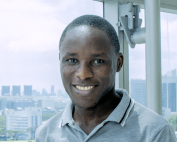
Martin Kiwanuka
PhD Student, Class of January 2022, Young Group
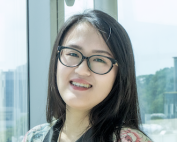
Jennifer Marlena
Research Assistant, Young Group
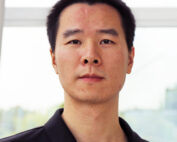
Shen Xingyu
PhD Student, Class of January 2021, Li Group, Young Group

Muhammad Faris Hazwan Bin Ramli
PhD Student, Class of August 2021, Young Group
Current Lab Interns
- Shashaank Abhinav Venkatesh, BME FYP intern
- Germaine Teo Qi En, BME FYP intern
- Neville Ho Zi Hergn, BME FYP intern
- Yock Leng Lee, BME FYP intern (co-supervised with Lin JieRong Esther, IMRE)
- Chin Hao Lee, BME FYP intern (co-supervised with Chii Jou Chan, MBI)
- Lee Jungwon BME UROPS 2026, FYP 2026
- Um Taejun BME FYP 2026
Lab Alumni
- Yuting Lu, BME Master’s intern 2023
- Sammueal Ong Jun Kai, BME UROP intern 2023
- Swathi Kumar, BME UROP intern 2023
- Lakshmi Sujeesh, BME intern 2023
- Shutong Liu, BME UROP intern 2023
- Venkat Daita, SERIUS international (USA) intern 2023
- Wangari Mbuthia, SERIUS international (USA) intern 2023
- Mansimar Kaur, MUST international (India) intern 2023
- Gabriel Tan Wei En, BME FYP intern 2023
- Maarten Van Zon, International (Netherlands) Master’s intern 2023
- Prerana Cheekoty, High School intern 2022
- Rachel Goh Si Ning, BME FYP intern 2022
- Keer Zhang, International (China) FYP intern 2022
- Ashley Koenig, SERIUS international (USA) intern 2022
- Cara Klinger, SERIUS international (USA) intern 2022
- Jessica Wu, MUST international (USA) intern 2022
- Tricia Peh Jie Ee, FYP intern 2022
- Nurhannan Bte Mohamed Fauzi, FYP intern 2022
- Xin Yi Chua, MUST intern 2021 and BME FYP intern 2022
- Nafeesah Bte Mohamed Ibrahim, Intern 2021
- Avery Rui Sun, PhD Student 2021
- Jashan Preet Singh, PhD Student 2021
- Chen Dixiao, PhD Student 2021