
How Dying Cells Signal Growth: Mechanical Forces Drive Targeted Cell Proliferation after Apoptosis
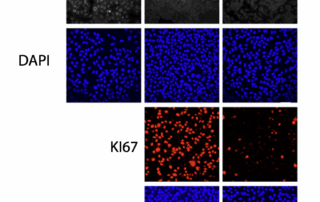
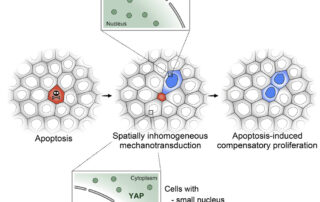
Researchers from the Toyama Lab at MBI reveal how mechanical factors control apoptosis and cell replacement.
Researchers from the Beghin Lab at the Mechanobiology Institute, NUS combine DeepStar3D algorithm and 3DCellScope interface to develop an experimental tool for real-time interaction with cell data.
Researchers from the Low Lab at MBI discover a crucial role for the scaffold protein BNIP-2 in orchestrating focal adhesion dynamics during early heart development, offering new insights into heart regeneration strategies.
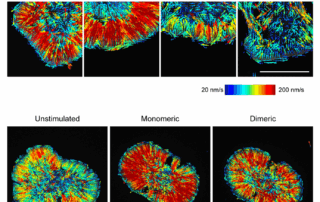
Researchers from the Bershadsky Lab at MBI utilized optogenetics to unlock the role of microtubules in regulating focal adhesion disassembly, an important step in cell migration. http://www.mbi.nus.edu.sg/featured-research/microtubules-and-cell-movement-a-closer-look-at-focal-adhesion-disassembly
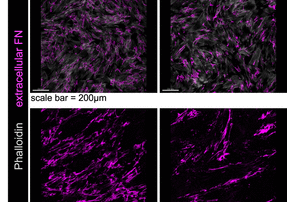
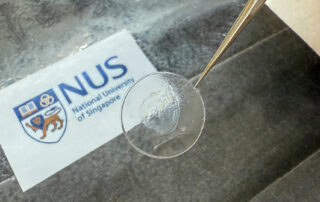
A new lab-grown material has revealed that some of the effects of ageing in the heart may be slowed and even reversed. The discovery could open the door to therapies that rejuvenate the heart by changing its cellular environment, rather than focusing on the heart cells themselves.Learn more
MBI researchers collaborated with NUS Bia-Echo Asia Centre for Reproductive Longevity and Equality, based at the NUS Yong Loo Lin School of Medicine, to develop an innovative technique to significantly enhance the reproductive potential of aged oocytes, or immature egg cells, potentially paving the way for better outcomes of assisted reproductive technologies, such as in-vitro fertilisation (IVF), for older females. Learn more
A collaborative study between researchers at MBI and scientists locally and overseas discovered how a scaffolding protein synchronizes, in space and time, two important regulatory proteins driving cell migration Learn more
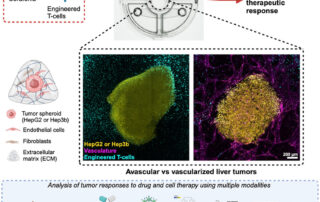
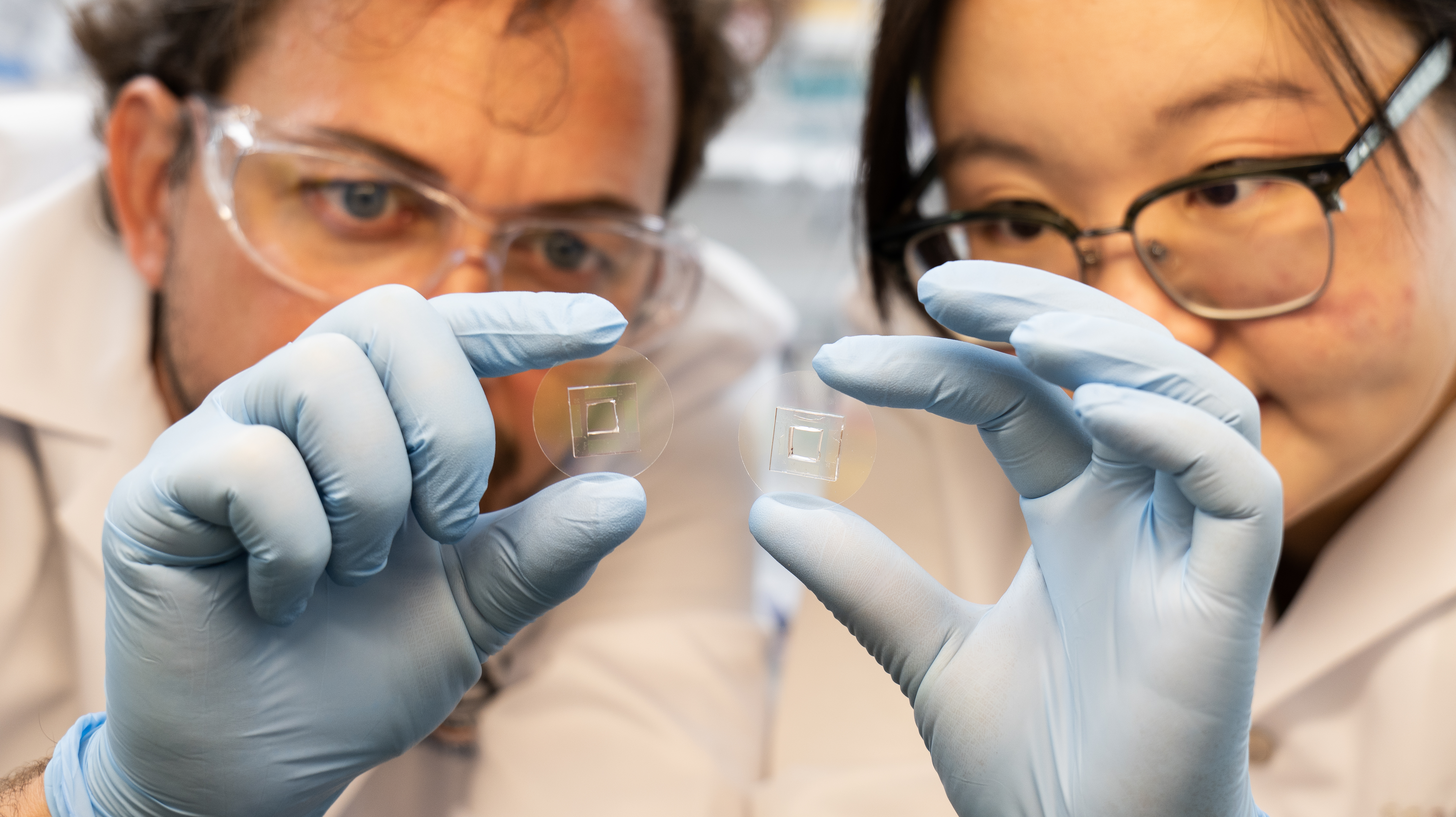
An interdisciplinary team from MBI combined imaging, microfabrication, and biology to develop JeWells - an innovative platform for growing and imaging organoids in 3D. Learn more
A collaboration between MBI scientists and clinical researchers revealed how a scaffolding protein integrates biochemical and mechanical signals to control cardiac muscle cell differentiation. Learn more
A study from the Saunders lab uncovers how random cell fusion events during muscle development are regulated at the tissue level to ensure correct patterning of the muscle architecture. Learn more
A collaborative study from the Saunders Lab and the Martin-Blanco Lab at the Molecular Biology Institute Barcelona, Spain, demonstrates how the contraction of a Drosophila's ventral nerve cord during development is oscillatory and driven by the combined contractile efforts of individual cells. Learn more
A collaborative study from the Saunders Lab and the Telley Lab at Instituto Gulbenkian de Ciência, Portugal, demonstrates how mechanical repulsive forces lead to precise arrangement of nuclei during development Learn more