

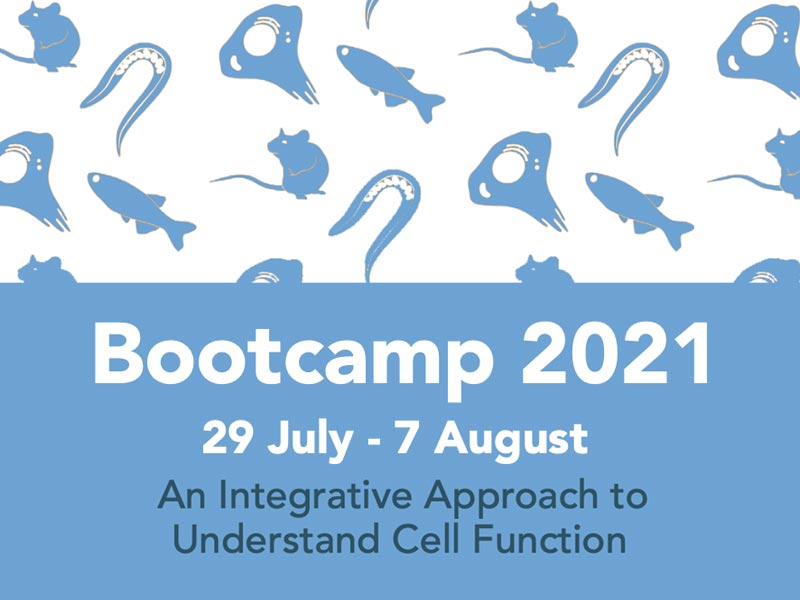
2021 Bootcamp on Mechanobiology
THIS EVENT HAS BEEN POSTPONED.
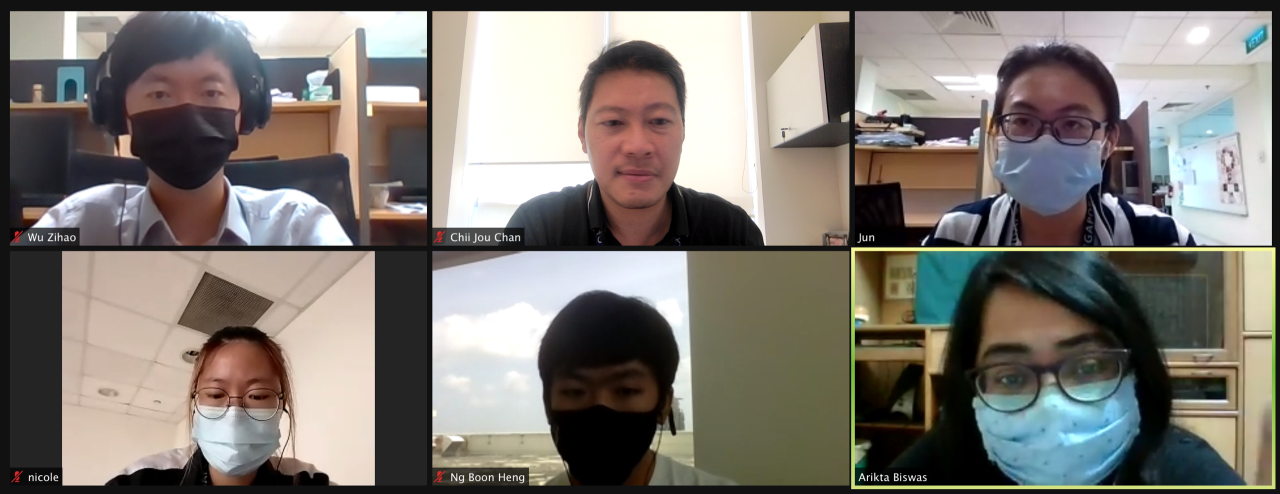
The group is growing!
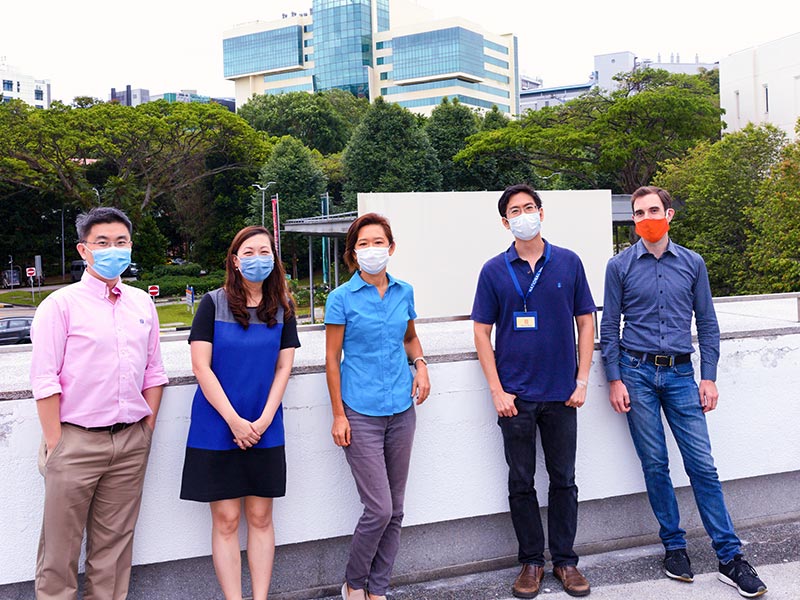
Warm welcome to the first members of Mammalian Development & Tissue Hydraulics Lab! Fantastic team that helps to build the lab despite the challenges during the pandemic… Kudos to all and looking forward to exciting times ahead!
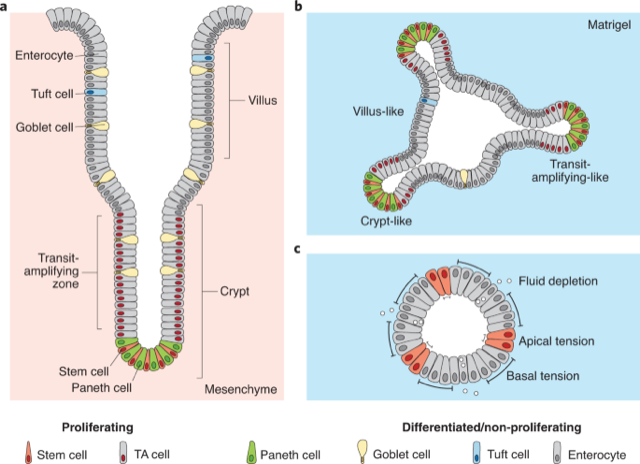
Mechano-osmotic forces shape organoid morphogenesis
Super happy to contribute to this exciting work on the role of lumen/tissue mechanics in organoid development. Beautiful collaboration between biologists and physicists. Also nice views by C. Nelson.
Zihao Wu
Alumni, Chan Group
MBI PIs win MOE AcRF Tier 3 grant to study endomembrane aging
A research team led by Mechanobiology Institute (MBI) Principal Investigators Assoc. Prof. Tony Kanchanawong and Prof. Rong Li was recently awarded a Ministry of Education Academic Research Fund (MOE AcRF) Tier 3 grant.
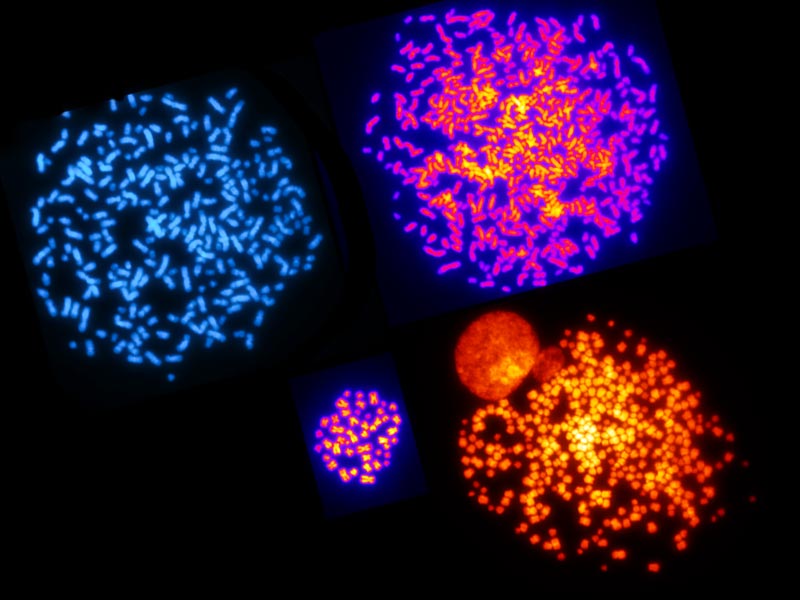
Preventing mistakes in chromosomal segregation
A recent study from the Li Lab at the Mechanobiology Institute, National University of Singapore and Johns Hopkins University, USA has revealed new aspects on the involvement of p53 protein in preventing mistakes in chromosomal segregation. Learn more
Ding Wei Yung
Alumni
Principal Investigator
Research Interests
Cell-Matrix and Cell-Cell Mechanotransduction, Molecular Mechanisms of Mechanobiology
Wei Yung’s interest lies in understanding the sophistication of cells as robust machines. Using C. elegans, a 1mm nematode, as a model system, he investigates the cellular machinery underlying newly fertilized zygotes that drives critical force-dependent processes such as polarization and cytokinesis.
Biography
Wei Yung completed his Bachelor’s degree in Bioengineering (Second Class Upper) from the National University of Singapore in 2012. In his honors dissertation under the co-supervision of Professor James Goh and Professor Wong Hee Kit, he optimized the conditions required for the construction of interbody spinal fusion device using primary adipose stem cells seeded in a biodegradable polycaprolactone/tricalcium sulphate (PCL/TCP) scaffold. The work was presented in the Bioengineering Showcase 2012 and he was awarded the Best Poster Award. After he was enrolled in the Mechanobiology Graduate Program, he joined Dr. Zaidel-Bar’s Cell Adhesion and Morphogenesis Lab and is currently searching for novel genes involved in regulating C. elegans early embryogenesis.

