

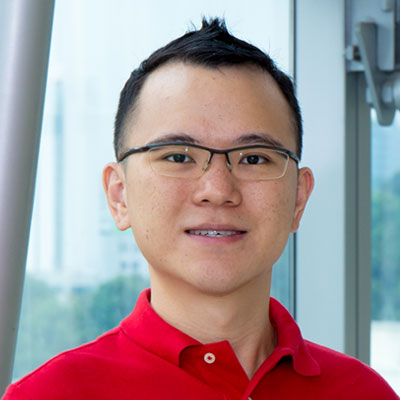
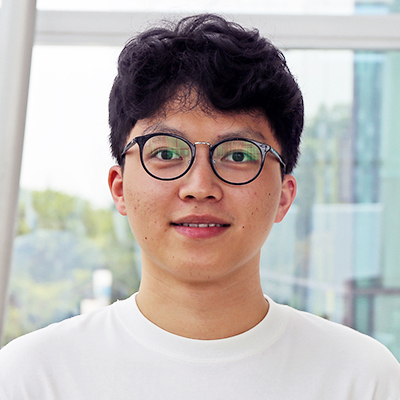
Gao Xu
PhD Student, Biomedical Engineering Dept, Holle Group
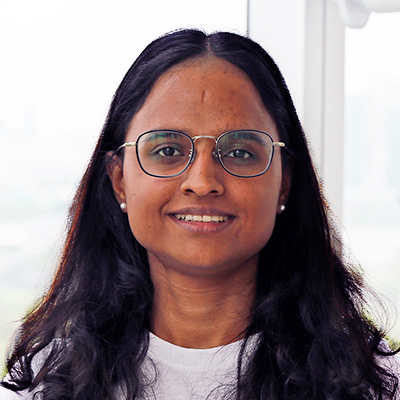
Raageshwari D/O Arulselvam
PhD Student, Biomedical Engineering Dept, Young Group
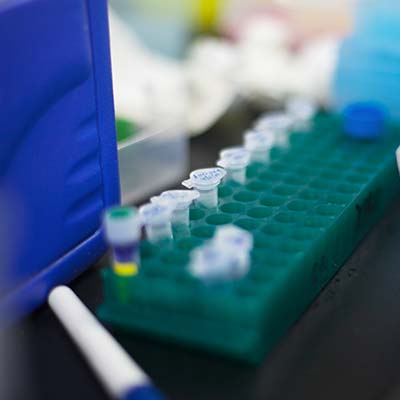
Seeking Postdoctoral Fellow in the Young & Thibault Laboratories at the Mechanobiology Institute, NUS
The Mechanobiology Institute, NUS seeks to recruit a Postdoctoral Research Fellow to Asst. Prof. Jennifer Young's lab.
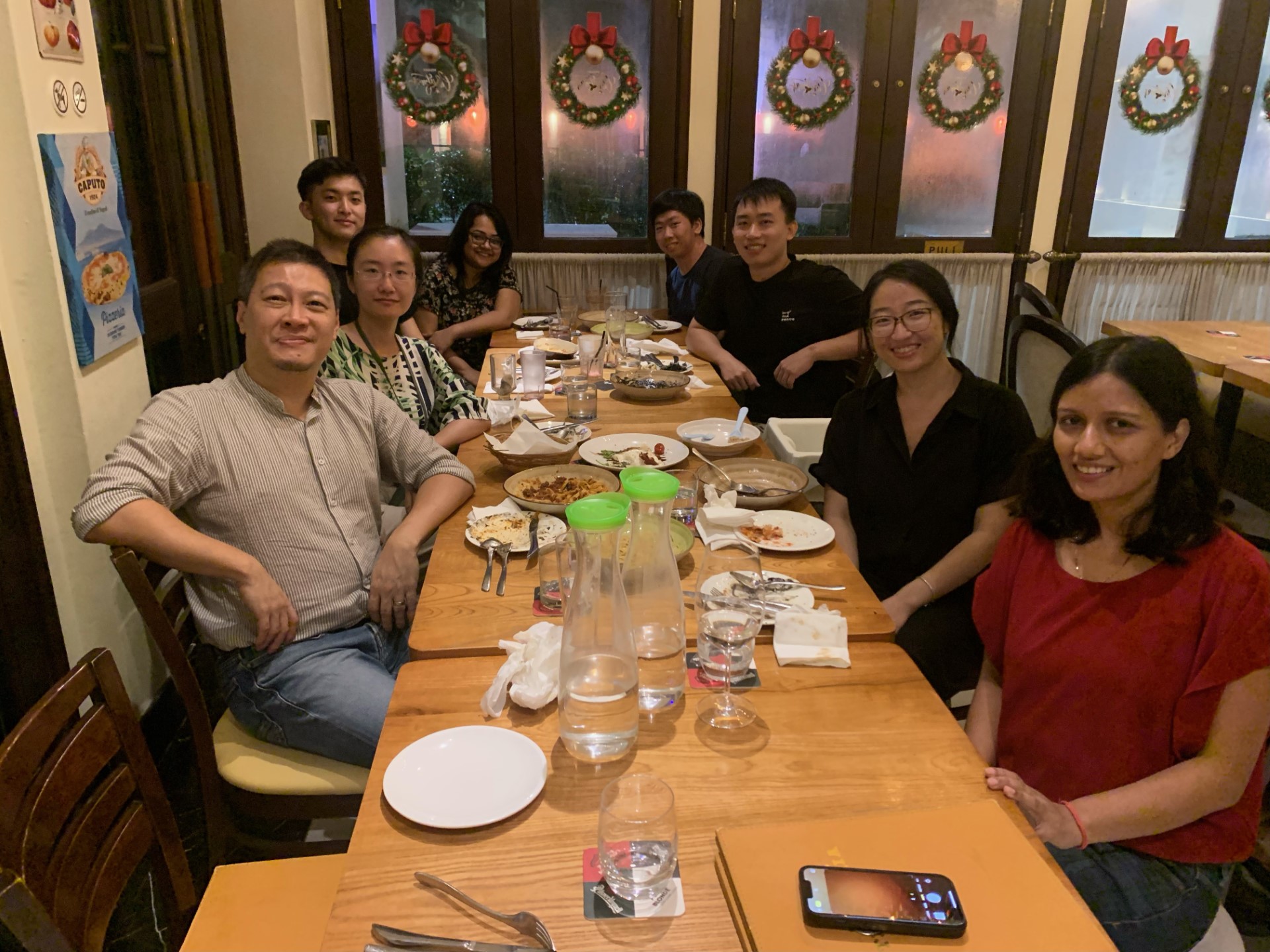
An early Christmas dinner to celebrate Chan Lab’s accomplishments in 2023!
As the year draws to a close, the Chan Lab celebrated the achievements and contributions by everyone (including many new faces!) in 2023 with an early Christmas dinner, and to thank them for their hard work this busy year. The Lab looks forward to more wonderful things to come in 2024!
How does the cytoskeleton transmit mechanical forces?
How does the cytoskeleton transmit mechanical forces?It is clear that mechanical forces and structural cues influence cell behavior by regulating signal processes. These signals go on to alter gene expression and reorganize the cytoskeleton and [...]
Is Mechanosensing an Active Process?
Is Mechanosensing an Active Process?Types of MechanosensingWhen a cell periodically tests its external environment, a mechanical signal is converted to a chemical signal across the cell membrane. Adhesion receptors located on the external cell membrane [...]
Ding Wei Yung
Alumni
Principal Investigator
Research Interests
Cell-Matrix and Cell-Cell Mechanotransduction, Molecular Mechanisms of Mechanobiology
Wei Yung’s interest lies in understanding the sophistication of cells as robust machines. Using C. elegans, a 1mm nematode, as a model system, he investigates the cellular machinery underlying newly fertilized zygotes that drives critical force-dependent processes such as polarization and cytokinesis.
Biography
Wei Yung completed his Bachelor’s degree in Bioengineering (Second Class Upper) from the National University of Singapore in 2012. In his honors dissertation under the co-supervision of Professor James Goh and Professor Wong Hee Kit, he optimized the conditions required for the construction of interbody spinal fusion device using primary adipose stem cells seeded in a biodegradable polycaprolactone/tricalcium sulphate (PCL/TCP) scaffold. The work was presented in the Bioengineering Showcase 2012 and he was awarded the Best Poster Award. After he was enrolled in the Mechanobiology Graduate Program, he joined Dr. Zaidel-Bar’s Cell Adhesion and Morphogenesis Lab and is currently searching for novel genes involved in regulating C. elegans early embryogenesis.