

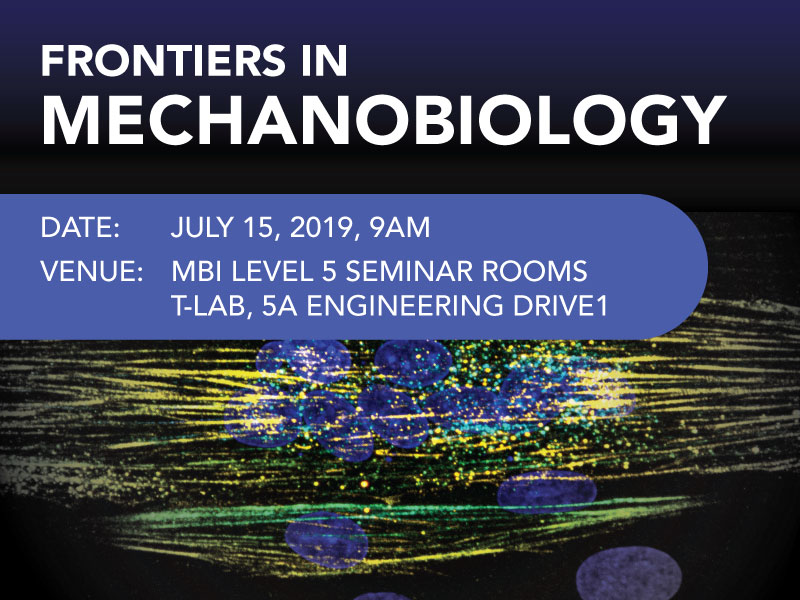
2019 Frontiers in Mechanobiology
MBI is hosting a one day symposium, Frontiers in Mechanobiology, on July 15th, 2019. The symposium will feature nine speakers and a full schedule of talks of interest to those on the cutting edge of mechanobiology. The event is free and open to all interested, there is no registration required.
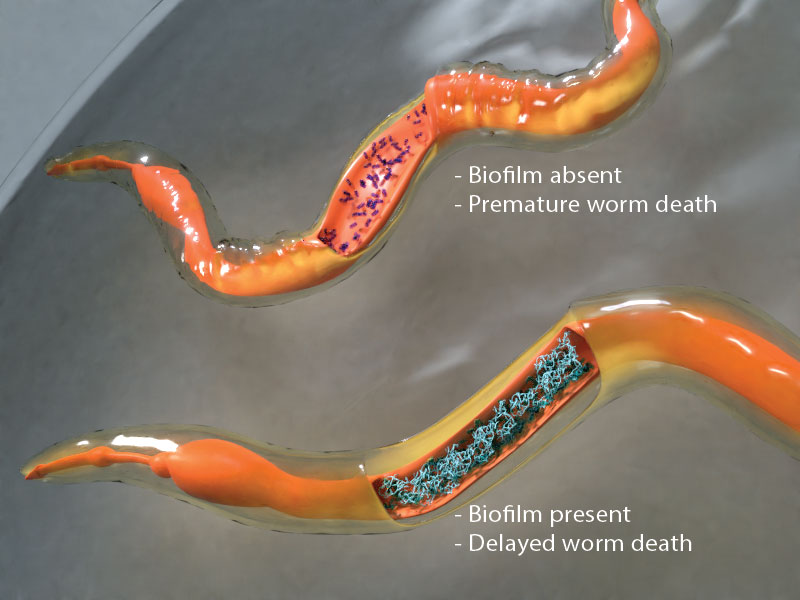
Why Salmonella decide to lay low
Studying dormant biofilms in live worm hosts
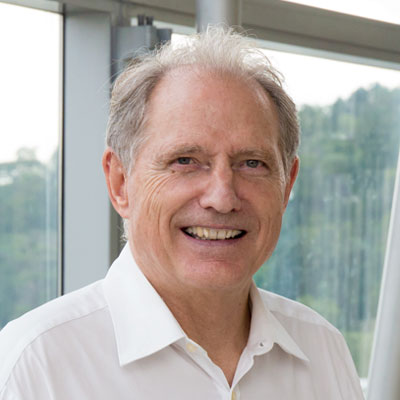
Prof Jacques Prost visiting from Institut Curie
Jacques Prost, Emeritus Research Director, Institut Curie, Département de Physicochimie du Vivant, visiting 16 Jul - 20 Aug 2019.
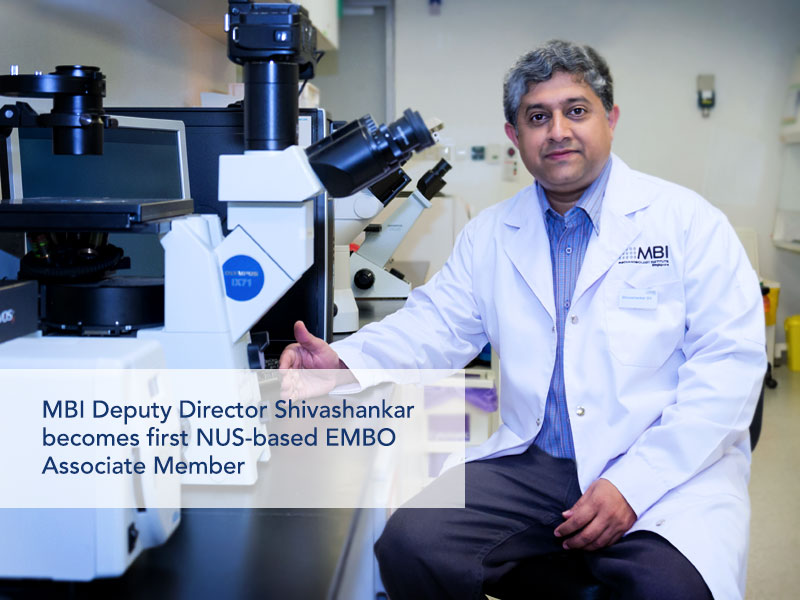
MBI Deputy Director becomes the first NUS-based EMBO Associate Member
MBI Deputy Director Professor GV Shivashankar has been elected as an Associate Member of EMBO (the European Molecular Biology Organization) making him the first scientist from NUS, and only the third Singapore-based Scientist, to be elected to the prestigious EMBO membership.
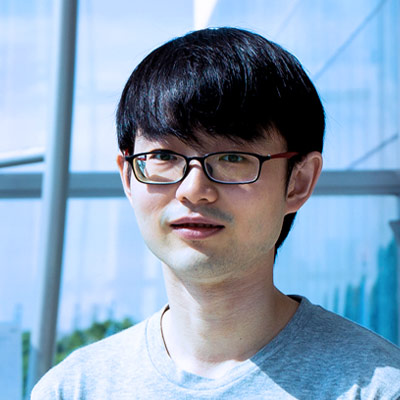
Goh Wei Jia
Alumni, Tee YH Group
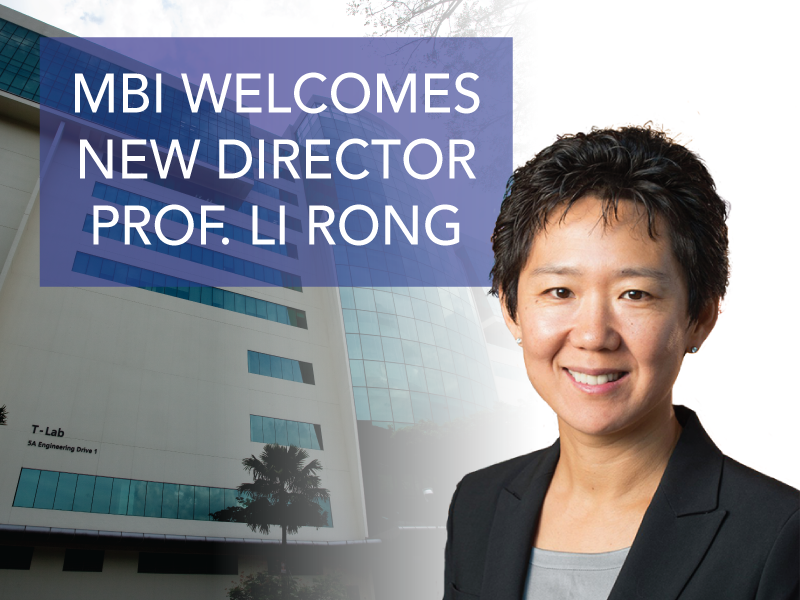
Mechanobiology Institute, National University of Singapore, has a new director
MBI welcomes Professor Li Rong, as MBI's new director. Professor Li joins us from Johns Hopkins University, where she has been a Bloomberg Distinguished Professor at the School of Medicine and the Whiting School of Engineering since 2015. Professor Li is also the director of the Center for Cell Dynamics at the School of Medicine’s Institute for Basic Biomedical Sciences.
Ding Wei Yung
Alumni
Principal Investigator
Research Interests
Cell-Matrix and Cell-Cell Mechanotransduction, Molecular Mechanisms of Mechanobiology
Wei Yung’s interest lies in understanding the sophistication of cells as robust machines. Using C. elegans, a 1mm nematode, as a model system, he investigates the cellular machinery underlying newly fertilized zygotes that drives critical force-dependent processes such as polarization and cytokinesis.
Biography
Wei Yung completed his Bachelor’s degree in Bioengineering (Second Class Upper) from the National University of Singapore in 2012. In his honors dissertation under the co-supervision of Professor James Goh and Professor Wong Hee Kit, he optimized the conditions required for the construction of interbody spinal fusion device using primary adipose stem cells seeded in a biodegradable polycaprolactone/tricalcium sulphate (PCL/TCP) scaffold. The work was presented in the Bioengineering Showcase 2012 and he was awarded the Best Poster Award. After he was enrolled in the Mechanobiology Graduate Program, he joined Dr. Zaidel-Bar’s Cell Adhesion and Morphogenesis Lab and is currently searching for novel genes involved in regulating C. elegans early embryogenesis.