


MBI-MPG Conference 2025: Mechanobiology in Space and Time
9–12 September 2025 | Shaw Foundation Alumni House, National University of Singapore, Singapore
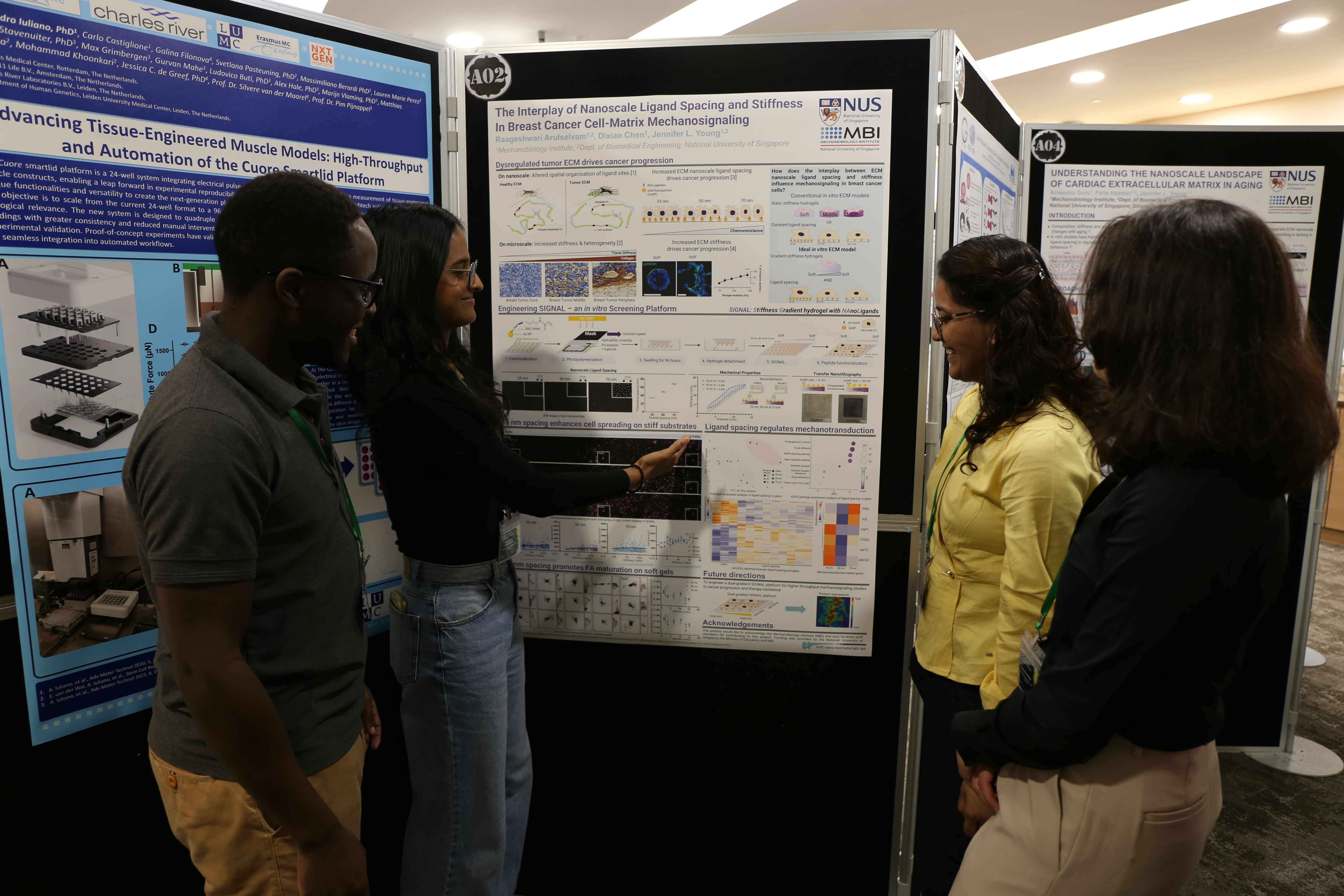
The Mechanobiology in Space and Time Conference 2025 brought together more than 280 scientists, postdoctoral fellows, and students from around the world to explore the latest advances in the field of mechanobiology. Organized by the Mechanobiology Institute (MBI), National University of Singapore, in collaboration with the Max Planck Society, the four-day event featured over 35 invited speakers, multiple poster sessions, and several engaging social activities designed to foster scientific exchange and camaraderie.
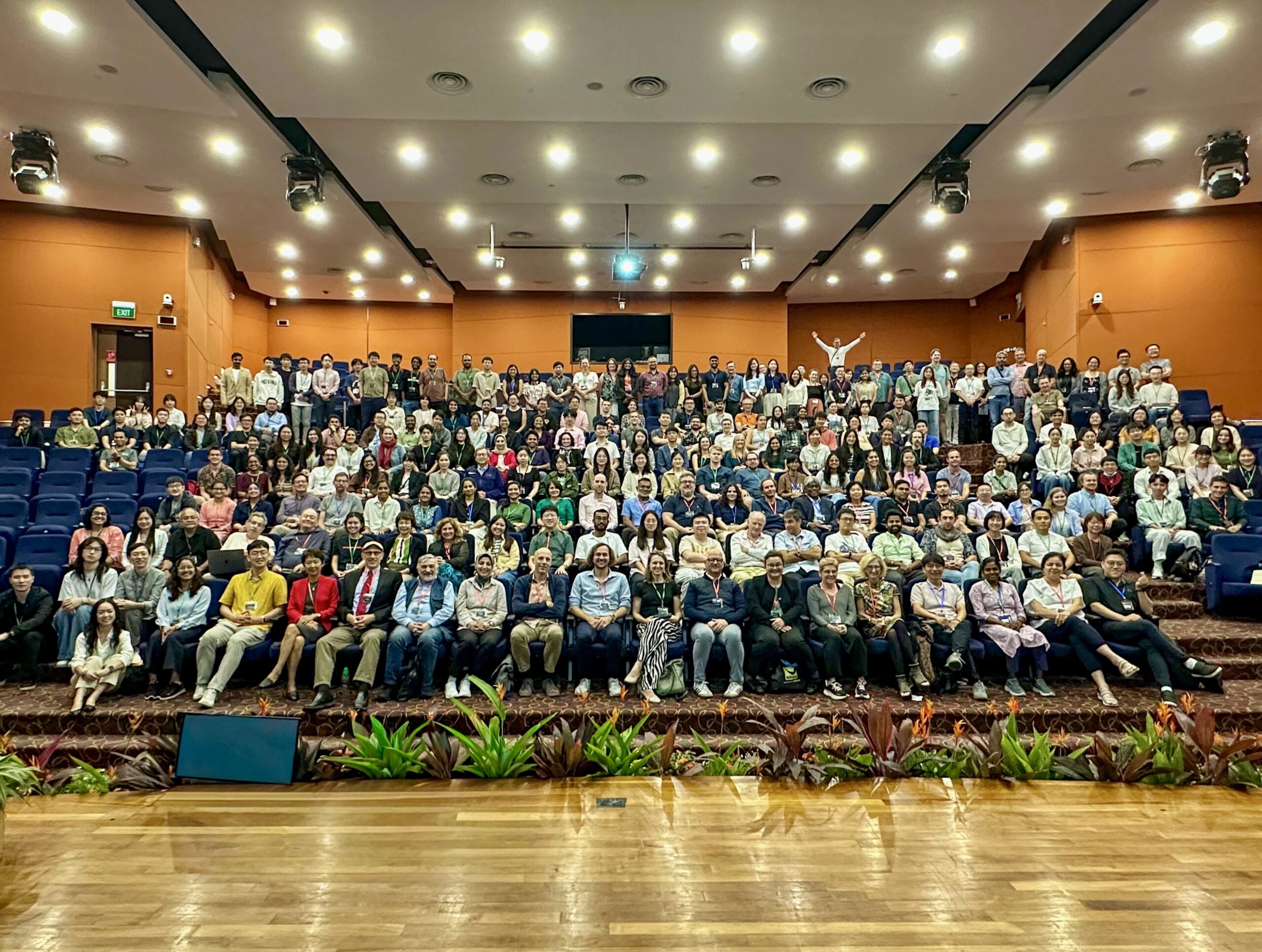
The Scientific Organising Committee designed the conference with a focus on the spatiotemporal aspects of mechanobiology, to emphasize the importance of understanding the biophysics of cellular and molecular interactions in both Time & Space and how they drive cell behaviour and play a role in development, health, and disease. Some of the key themes discussed during the conference included:
- Cellular Mechanotransduction and Membrane Biophysics
- Mechanics of Aging: From Stem Cells to Whole Organisms
- Mechanical Memory and Tissue Remodelling
- Mechanobiology in Cancer, Immunology, and Regeneration
- Advanced Techniques in Mechanobiology: Imaging and Computational Modelling
The conference also received over 140 scientific abstracts reflecting the vibrant global interest in mechanobiology. Out of these, 26 were selected for oral presentations, while the remaining abstracts were featured in poster sessions spread across the conference days.
The conference commenced with a vibrant Welcome Reception at the Mechanobiology Institute bringing participants together to set the stage for an inspiring and engaging week of scientific exchange. Mr Eduard Ruge from the German Embassy Singapore delivered opening remarks highlighting the long-standing collaboration in science and technology between Singapore and Germany.
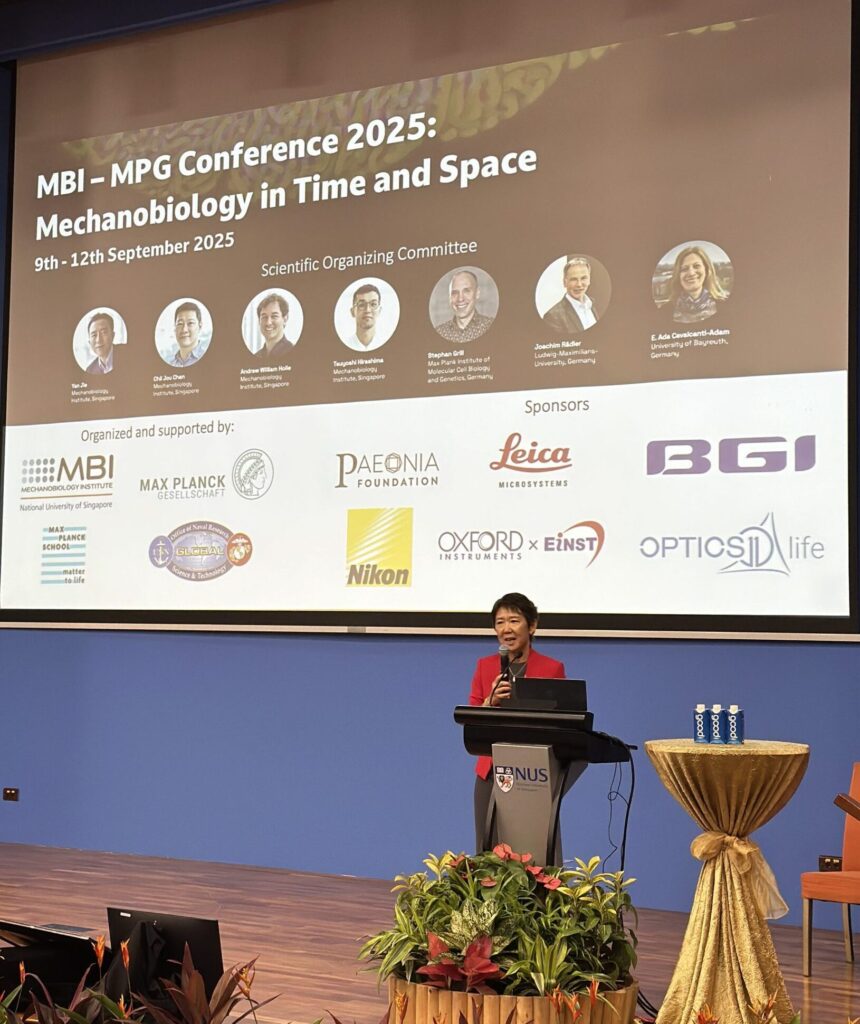
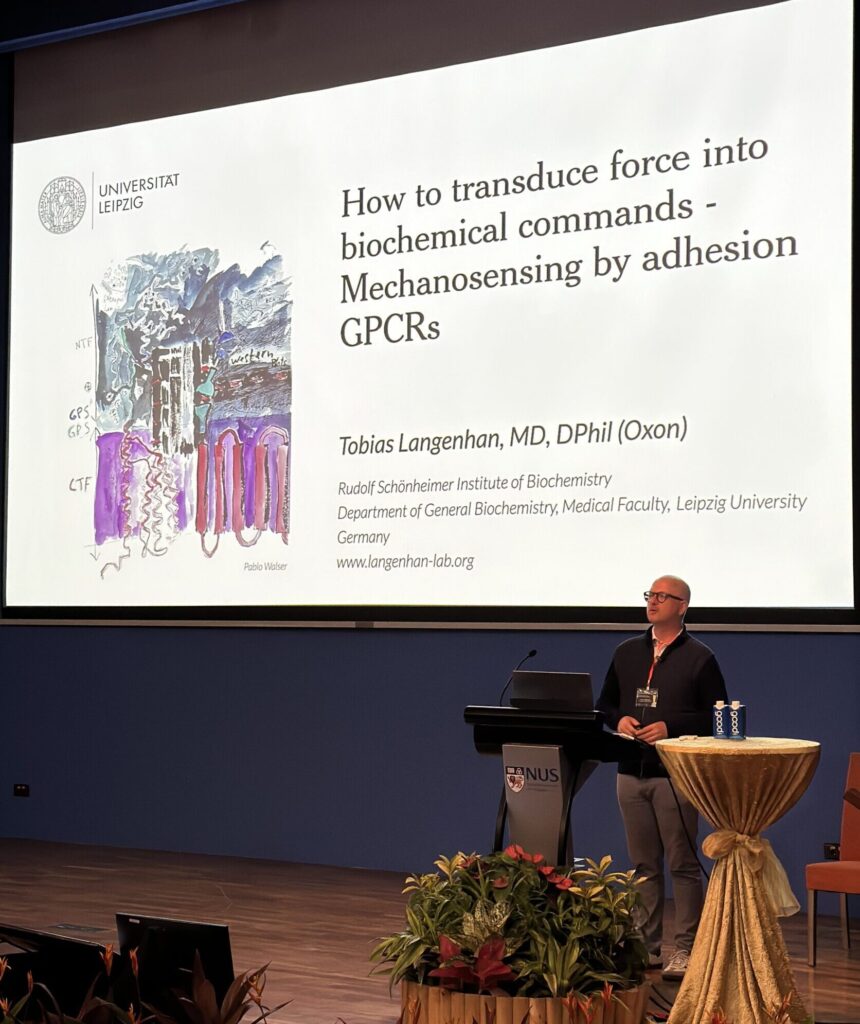
The next day, the Conference was formally opened with a welcome address by Prof. Rong Li, Director of the Mechanobiology Institute at the National University of Singapore, emphasizing the importance of spatial and temporal scales in understanding mechanobiology. She also highlighted how this conference signifies the growing partnership between MBI and the Max Planck Institutes.
Session I, chaired by Natalie Dye and Jake Turley, delved into the fundamental mechanisms of cellular force sensing and signalling. Talks by Boris Martinac (Victor Chang Cardiac Research Institute, Australia) and Richa Rikhy (IISER-Pune, India) highlighted mechanosensitive ion channels and actin remodeling in development. Alexander Bershadsky (MBI) discussed the dynamic interplay between cytoskeletal architecture and matrix adhesions, while Pakorn Kanchanawong (MBI) presented new findings on spindle-associated actin in mitosis.
The afternoon Session II, chaired by Andrew Holle and Anwesha Guru, explored mechanobiology across physiological systems. Stephan Grill (MPI-CBG, Germany) discussed the physics of left-right body axis establishment, and Guy Genin (Washington University in St. Louis, USA) revealed how reversing mechanical memory could ameliorate pulmonary fibrosis. Several early-career researchers, including Bhawana Agarwal (John Hopkins University, USA) and Nicole Lee (MBI), showcased pioneering work linking mechanical cues to immune function and confined cell migration.
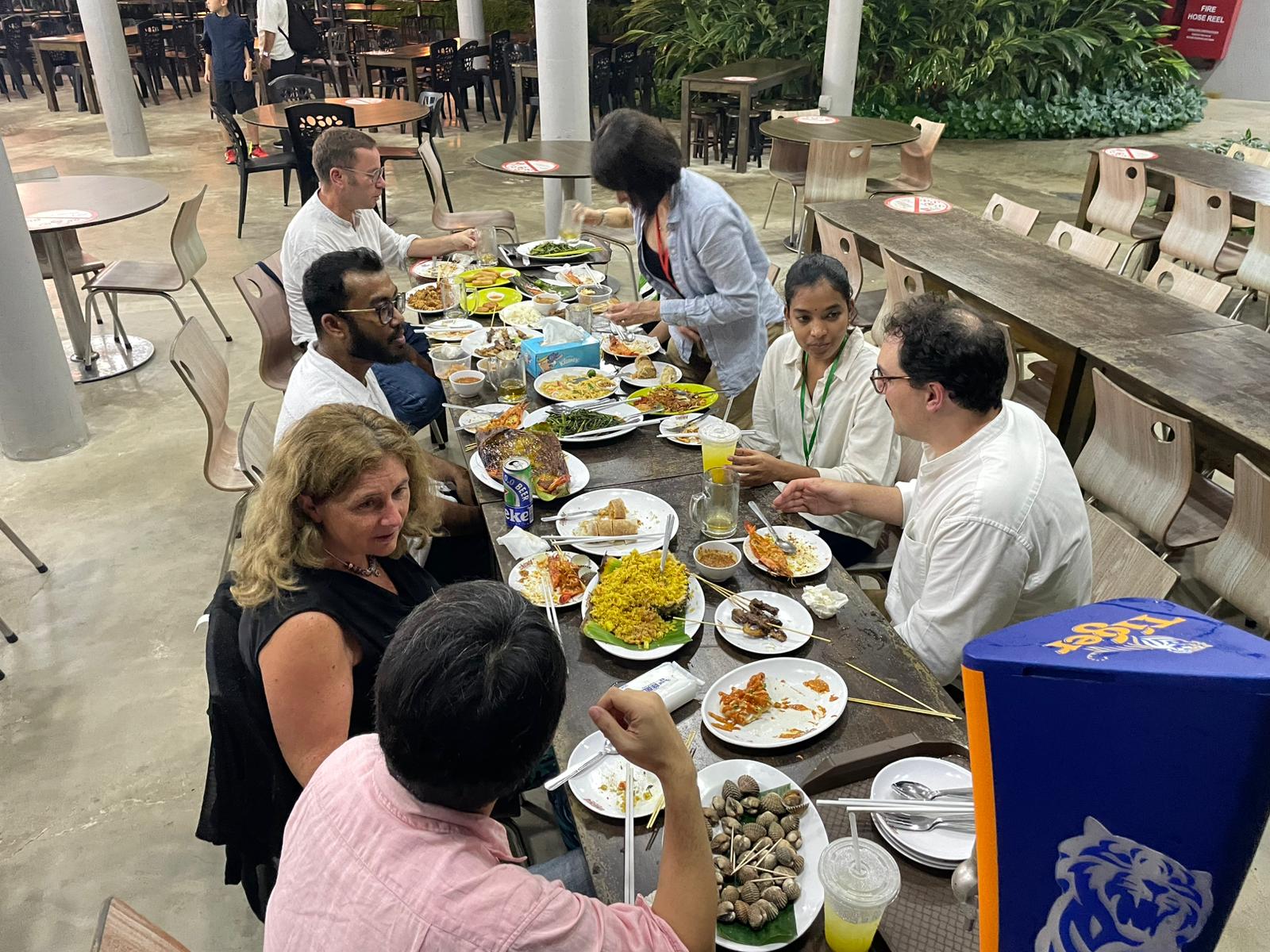
The day concluded with one of the conference’s most memorable social events — the Hawker Centre Mentorship Night, where small groups of attendees and local hosts roamed Singapore’s famous hawker centres, a UNESCO-recognized cultural treasure. Participants sampled iconic local dishes such as chicken rice, char kway teow, satay, and laksa, while engaging in lively conversations. This fun and informal evening provided the perfect opportunity for colleagues to connect and soak up Singapore’s vibrant culinary scene.

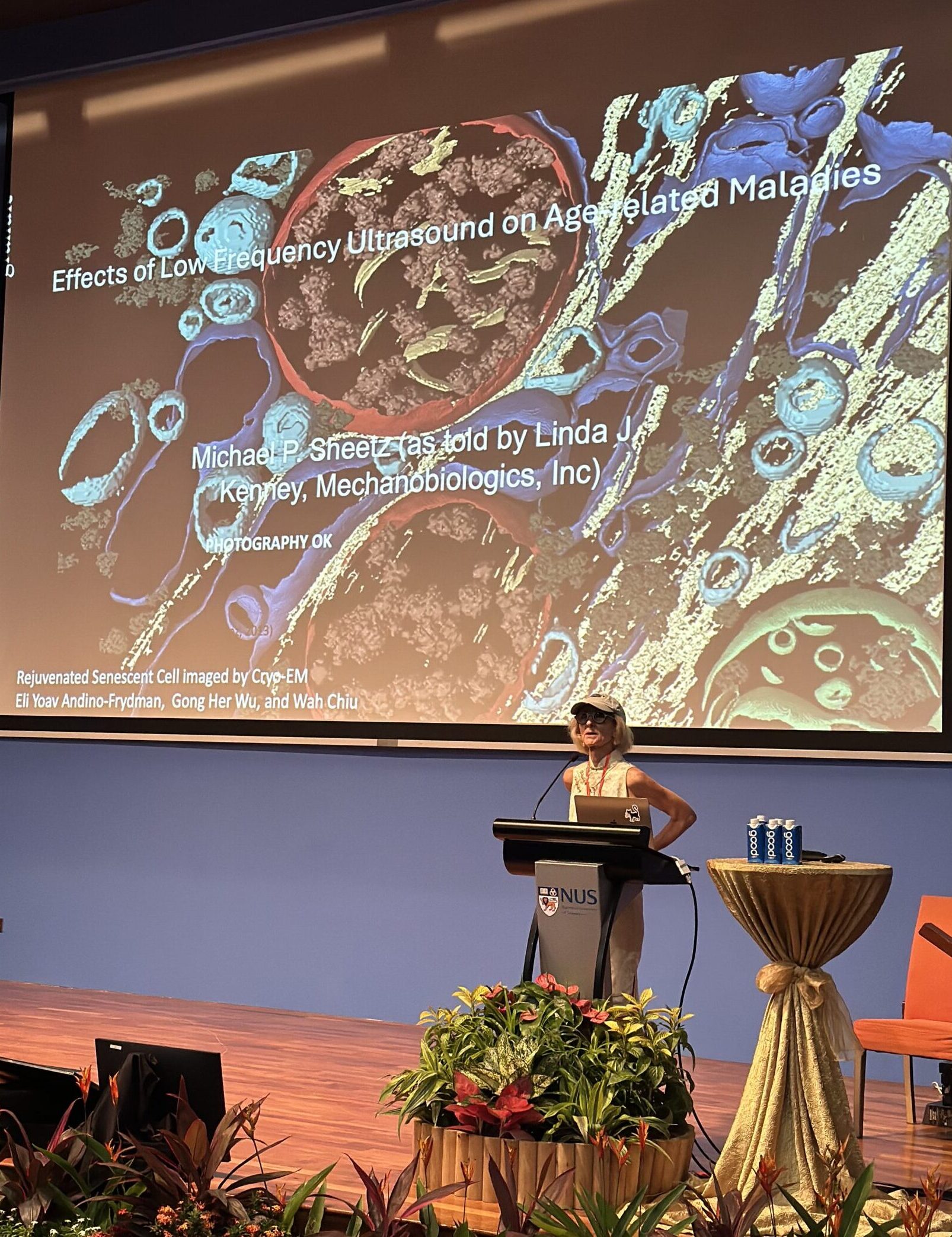 The second day opened with a heartfelt Memorial Session dedicated to Prof. Mike Sheetz. Chaired by Rong Li and Tee Yee Han, the session celebrated the legacy of the late Prof. Michael Sheetz, a pioneer in mechanobiology and Founding Director of MBI. Speakers including Linda J. Kenney, Benjamin Geiger, G.V. Shivashankar, and Jacques Prost reflected on Prof. Sheetz’s profound impact on the field and to Singapore’s research landscape, combining scientific talks with personal tributes. A short video memorial concluded the session, honouring his mentorship and groundbreaking contributions to mechanobiology.
Following this moving tribute, Session IV, chaired by Yan Jie and Stefan Mueller continued with diverse insights into mechanosensing and mechanogenomics. Talks ranged from John F. Marko’s (Northwestern University, USA) exploration of chromatin mechanics to the various mechanisms driving the spatial arrangements of cell signalling modules during cell migration from Henry de Belly (University of California San Francisco, USA) and Ankita Jha (National Institutes of Health, USA).
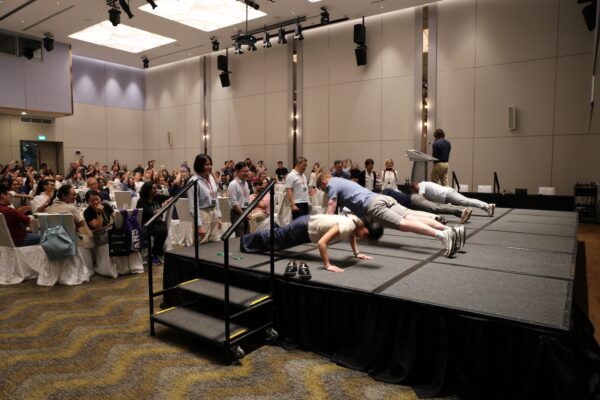
The day concluded with a festive Conference Banquet, celebrating both scientific achievements and collaborations forged throughout the meeting, as well as a push-up competition in honour of Prof. Mike Sheetz’s long-standing devotion to maintaining mechanobiological fitness through exercise!
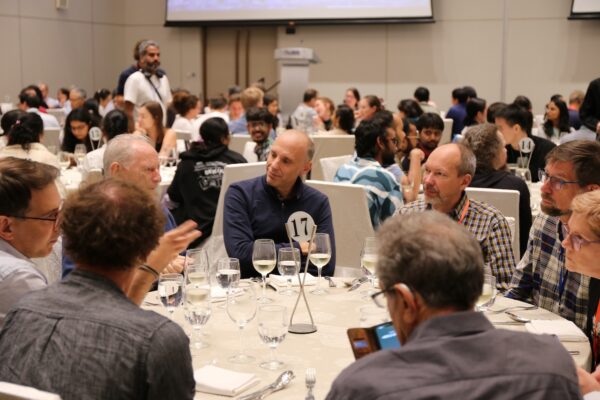
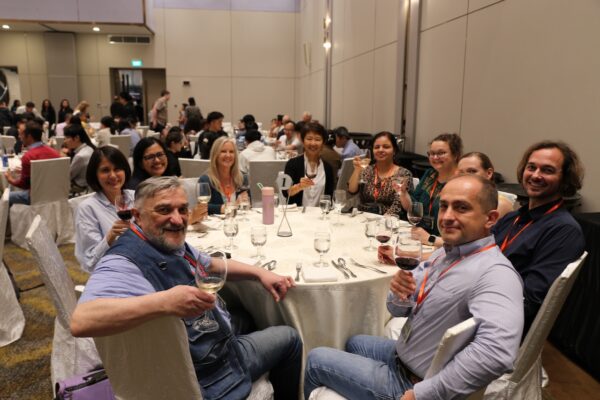
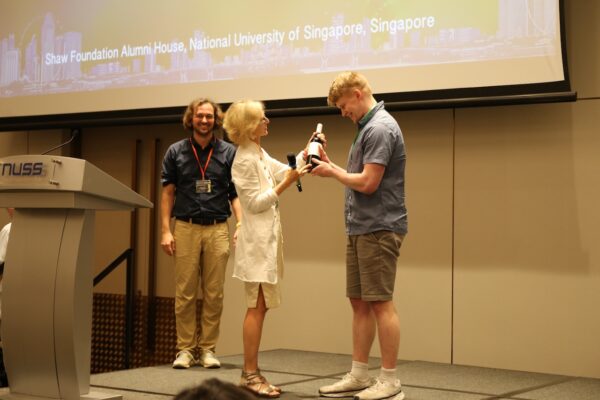
Day 3 focused on the multiscale nature of mechanobiology—from molecules to tissues and organisms. In Session V, chaired by Low Boon Chuan and Jessica Kabigting, discussions revolved around cellular morphogenesis and developmental mechanics. Highlights included Irina Larina’s (Baylor College of Medicine, USA) dynamic imaging of cardiogenesis and Hiroyuki Noji’s (University of Tokyo, Japan) mechanistic dissection of ATP synthase. Later talks in this session examined tissue-level organization, with Frank Jülicher (MPI-PKS, Germany) and Aurélien Roux (University of Geneva, Switzerland) revealing how topological defects and crystalline order shape tissue morphogenesis.
Session VI, chaired by Jennifer Young and Arikta Biswas, featured talks on mechanical communication and cell competition. Keng-hui Lin (Academia Sinica, Taiwan) showed how coupling of mechanical signals enables positional sensing for tissue regeneration in Zebrafish wound healing. Eugenia Piddini (University of Bristol, UK) presented on mechanical dominance in stem cell populations, and Michael Samuel (University of South Australia, Australia) discussed Piezo1’s role in tumour progression. The day concluded with an open evening for participants to enjoy Singapore’s vibrant city life.
The final day began with the much-anticipated Rainforest Jungle Treetop Walk, where around 30 participants gathered at sunrise in Windsor Nature Park. Some embarked on the adventurous trek to the treetop suspension bridge, while others enjoyed a leisurely stroll amidst lush greenery and the songs of tropical birds. The activity offered a refreshing way to start the day and connect with fellow scientists in a relaxed, natural setting.
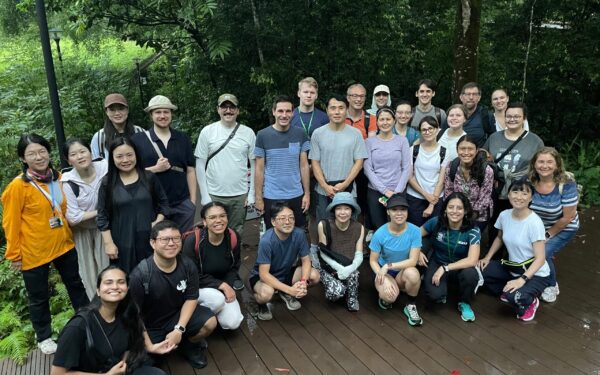

Session VII, chaired by Chii Jou Chan and Kedsarin Fong-Ngern, featured cutting-edge talks linking tissue mechanics and cellular coordination. Carl Modes (MPI-CBG, Germany) described morphogenesis as an emergent property of active solids, while Tamal Das (TIFR-Hyderabad, India) discussed lysosome-mediated control of collective migration. The session continued with insights into neuronal migration (Mineko Kengaku, Kyoto University, Japan), biomechanical imaging (Daniel Stedman, University of Glasgow, UK), and immune cell mechanics (Zhao Wenting, NTU, Singapore). The last scientific talk of the conference was delivered by Tsuyoshi Hirashima (MBI), combining theoretical modelling and intravital imaging to understand how spatiotemporal forces shape collective cell dynamics.
The conference closed with the Poster Prize Ceremony and Closing Remarks, recognizing outstanding poster contributions and celebrating a week of stimulating science and collaboration.
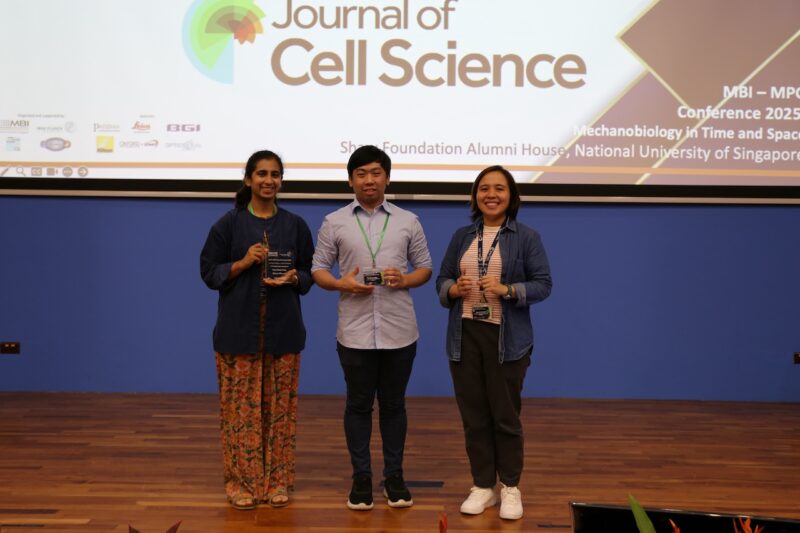
Best Poster Award Winner (L-R):
Rituraj Marwaha
Tata Institute of Fundamental Research, Hyderabad, India
Poster Title: Mechanosensitive lysosome dynamics facilitates leader cell emergence in collective cell migration
Ng Boon Heng
Mechanobiology Institute, National University of Singapore
Poster Title: Investigating the role of theca cell mechanosensing during mammalian folliculogenesis
Marie Cutiongco
Nanyang Technological University, Singapore
Poster Title: Chromatin decompaction-based regulation of nanoscale nucleus deformability
Wrapping up the event on a high note, participants were whisked away to the Concrete Jungle Rooftop Night, an evening social at some of Singapore’s most iconic rooftop bars overlooking the city skyline. Against a backdrop of breathtaking views of the Marina Bay waterfront, colleagues mingled, reflected on the conference, and celebrated the close of a memorable week of science, community, and discovery.
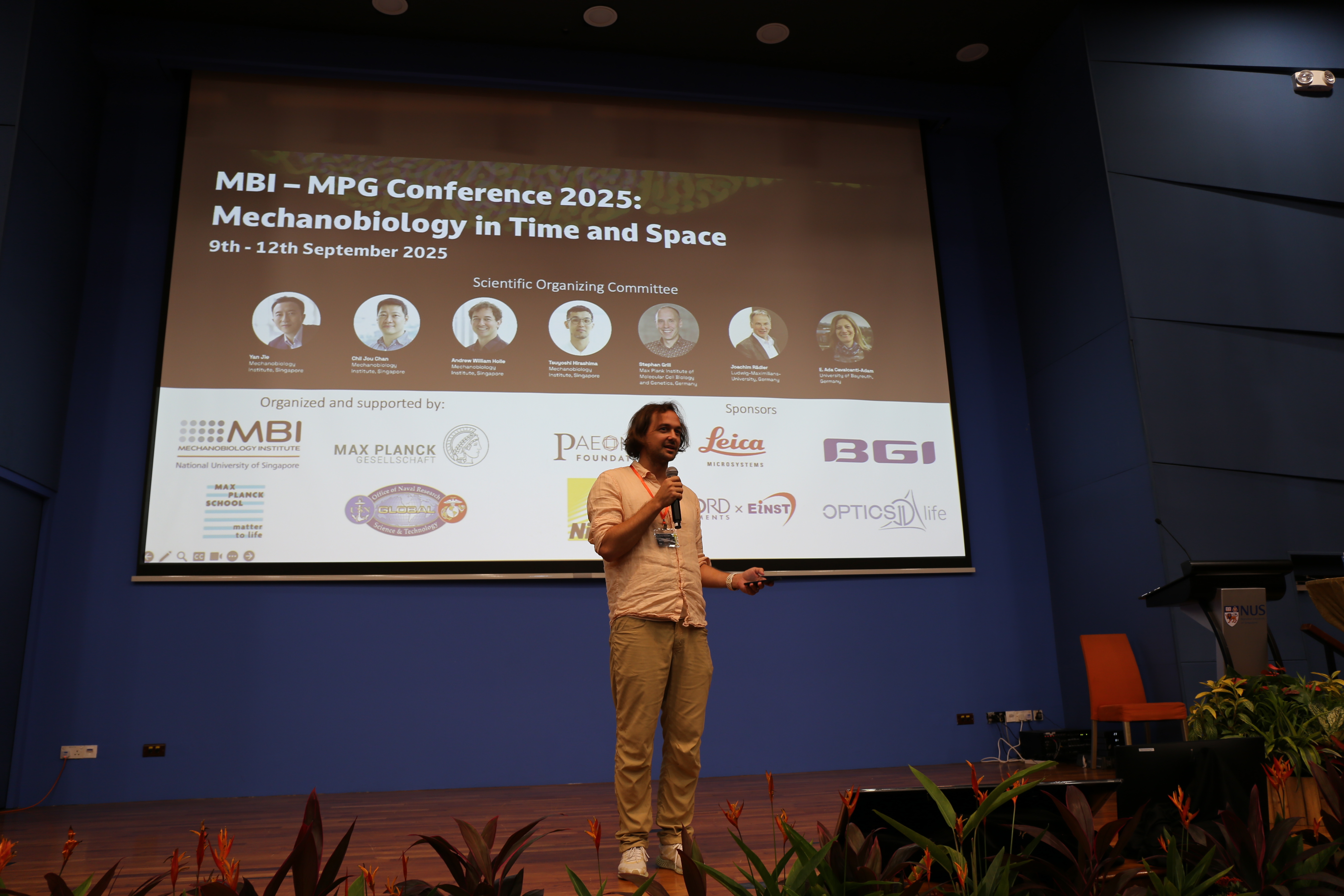

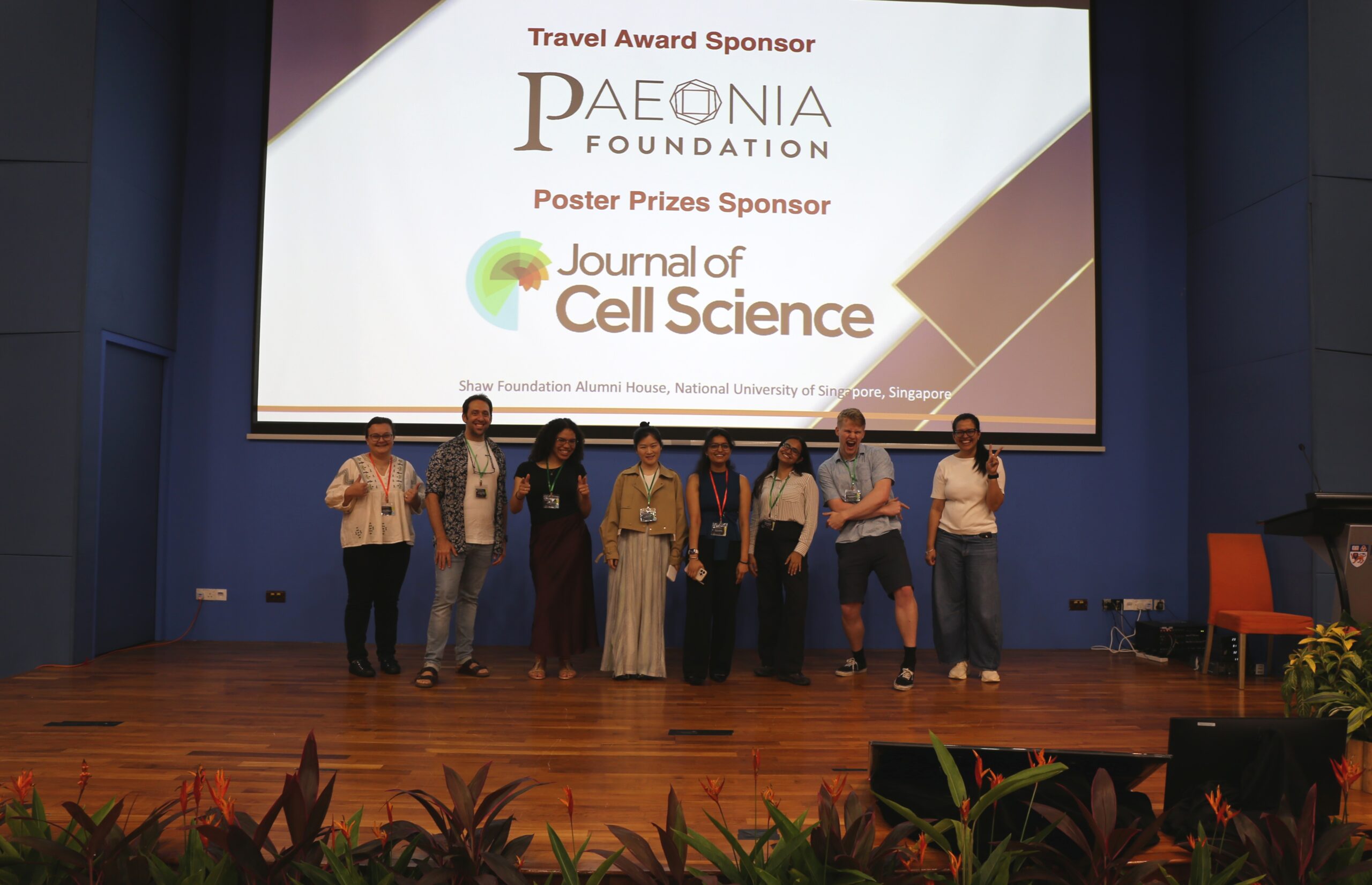
The conference organizing committee extends its sincere appreciation to all supporters and partners who made this meeting a huge success. We gratefully acknowledge the U.S. Office of Naval Research Global (ONR Global) for support the conference through the Collaborative Science Program, Paeonia Foundation for generously providing travel awards to support young researchers and The Company of Biologists for sponsoring the poster prizes. We also express our deep gratitude to our corporate sponsors – Leica Microsystems, Optics11 Life, Oxford Instruments x EINST, Nikon, and BGI Genomics – for their tremendous support and engagement throughout the meeting.