


Chii Jou (Joe) CHAN
Assistant Professor, Mechanobiology Institute, National University of Singapore
dbschii@nus.edu.sg
10-03F
Level 10 T-Lab
National University of Singapore
5A Engineering Drive 1
Singapore 117411
Laboratory website
Mammalian Development and Tissue Hydraulics Laboratory
Affiliations
Department of Biological Sciences, National University of Singapore
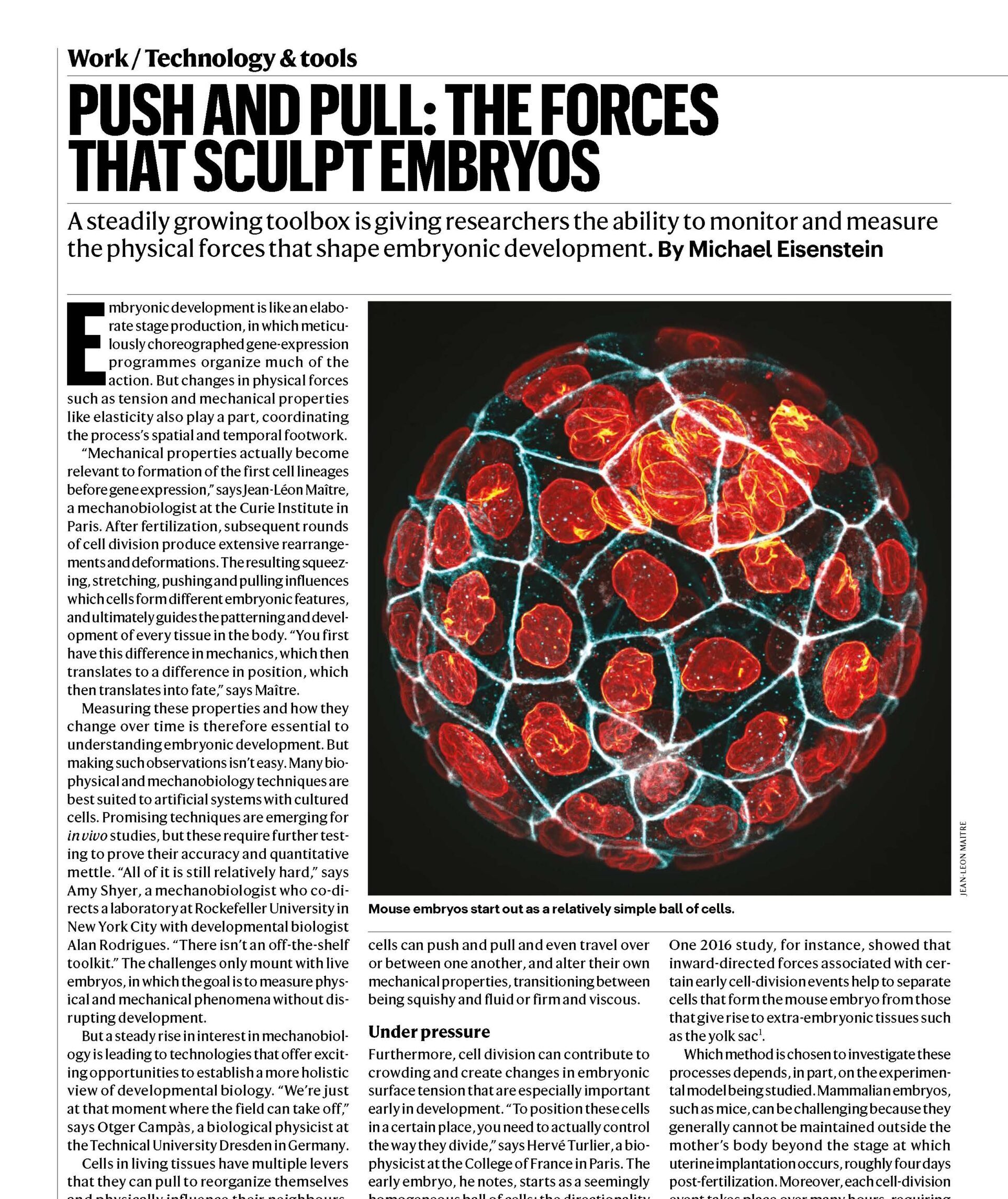
Push and pull: Joe shares his two cents on current approaches to measuring mechanics in Nature
Great to see developmental mechanics getting highlighted!
The first research article from the Chan Lab is up on bioRxiv now
Congratulations to Arikta for driving this project!
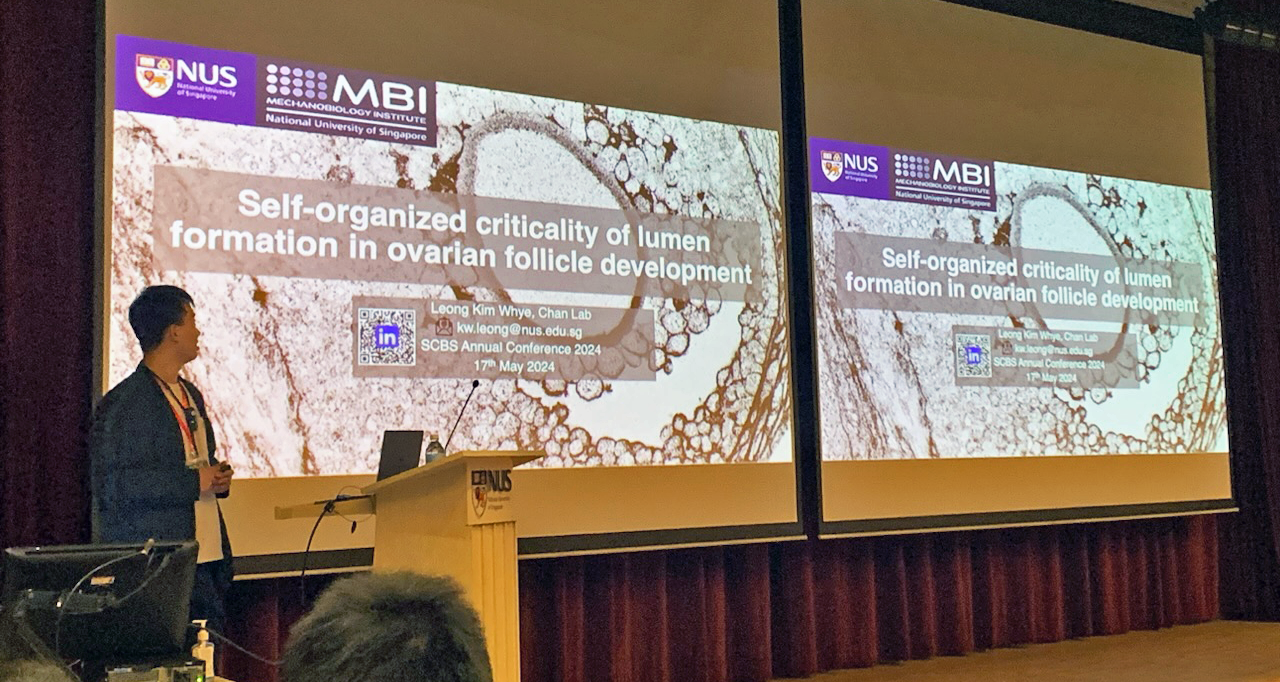
Congrats to Kim Whye, Boon Heng and Kosei for their accomplishments at the SCBS Annual Conference 2024!
Congratulations to Kim Whye and Boon Heng (below) for presenting their latest research on ovarian follicle development and to Kosei for being awarded the 'Best Poster Prize' at the SCBS Annual Conference 2024.
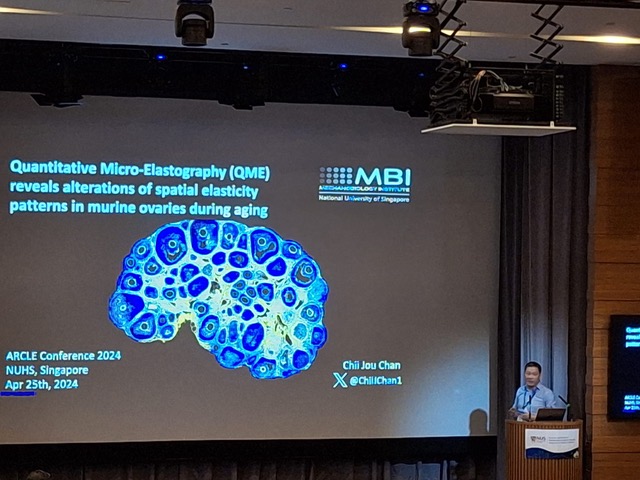
Joe shares latest work on ovarian mechanobiology at the ACRLE Conference 2024
Joe presents the lab's latest work on murine ovary elasticity at the ACRLE Conference 2024.
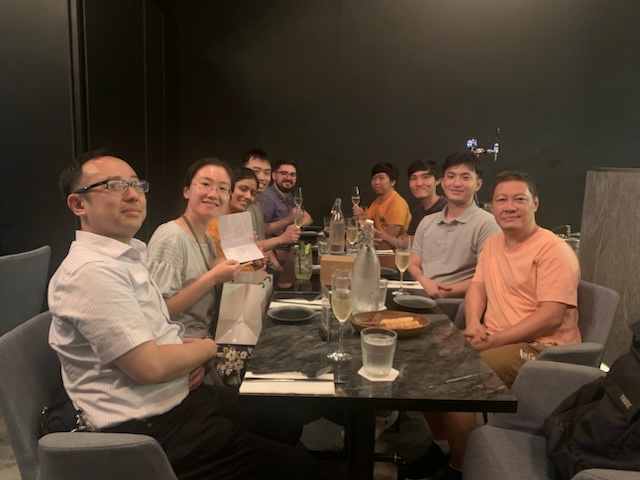
Farewell to Lou Yuting!
Farewell to Yuting - we will miss you dearly! All the best in your next endeavor as an independent researcher!
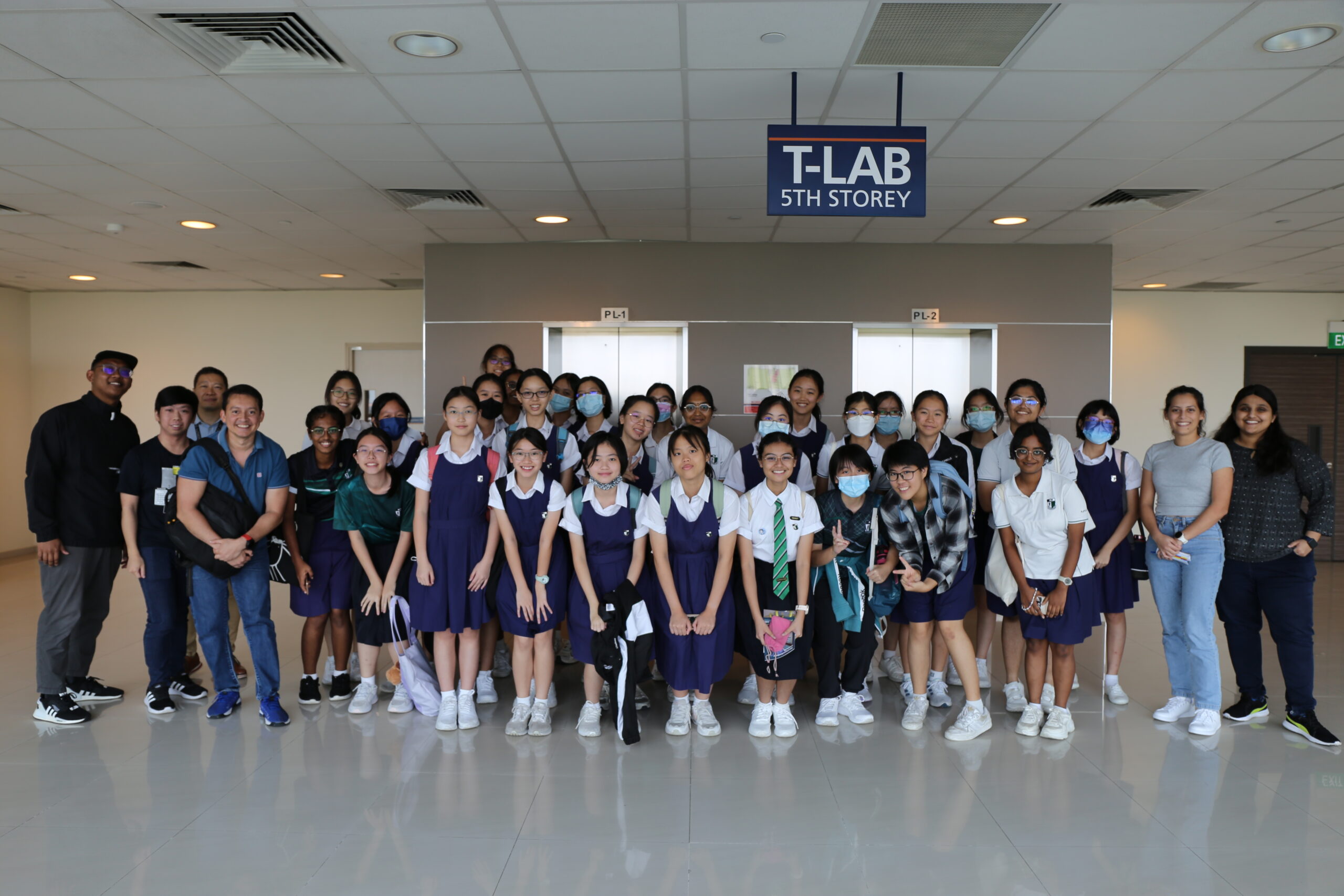
The Chan Lab heads MBI’s Outreach to Raffles Girls’ School!
Over the March school holidays, the Chan Lab headed MBI's Outreach to a group of students from Raffles Girls' School comprising talks and lab demonstrations by MBI's core staff, students and researchers.
Chii Jou (Joe) Chan
Principal Investigator
Research Areas
Mammalian oogenesis, embryogenesis, tissue hydraulics, mechanochemical feedback in tissue self-organisation
Research Interests
Our research aims to address the following questions in developmental biology: How are tissue size and shape precisely controlled during early mammalian development? Conversely how is tissue geometry sensed and transmitted to the cellular level to impact cellular/molecular functions? How are mechanics and biochemical signalling integrated across multiple scales to ensure robust morphogenesis and patterning?
Research from the Chan Lab.
To address these fundamental questions, we focus on understanding mammalian oogenesis, the formation of eggs (oocytes) that provide the bulk genetic and cytoplasmic materials for successful reproduction. The growth of functional oocytes is characterised by their correct size and number, which are tightly controlled during oogenesis. However the underlying mechanisms, particularly how the mechanics of the oocyte microenvironment can influence its development, remain poorly understood. In our lab, we will develop biomechanical tools to map out the mechanical interactions between the oocyte, its surrounding somatic cells and the ovarian tissue. We will also utilise advanced deep tissue imaging techniques to study follicle dynamics in vivo. Eventually we will combine these insights with synthetic biomimetics, biophysical and genetic manipulations, and mathematical modelling to understand the mechanical and molecular mechanisms regulating oogenesis.
An important, albeit understudied aspect is the role of tissue hydraulics in development. We have recently shown that luminal pressure plays a critical role in regulating the tissue size and cell fate specification of mouse blastocysts (Nature 2019, https://doi.org/10.1038/s41586-019-1309-x). In mammalian oogenesis, a similar process occurs where a fluid-filled cavity emerges at the antral follicle stage. Our lab will study the dynamics and mechanisms of luminogenesis, and investigate how luminal pressure and signalling collectively influence the oocyte development. Another aspect where hydraulics may play a role in oogenesis is the formation of germline cysts in the fetal ovaries. How these interconnected germ cells undergo death and cyst breakup prior to birth remains unknown. We hypothesize that this process may be driven by pressure-induced fluid exchange between the germ cells, and will test this hypothesis using quantitative imaging, biophysics and developmental genetics.
The ultimate goal of the lab is to extend these understanding to other mammalian species and identify common principles underlying oogenesis. A quantitative understanding of the mechanical aspects of oogenesis will deepen our understanding of reproductive biology and ageing and have important implications for regenerative medicine and tissue engineering.
Teaching
LSM2234 – Introduction to Quantitative Biology
LSM3236 – Pattern Formation and Self-organisation in Biology
LSM4252 – Reproductive Biology
Consultation hours: Friday 2-4pm
Education
B.A., M.Sc. (First Class Honours), University of Cambridge, UK
M.Phil., University of Cambridge, UK
Ph.D., University of Cambridge, UK
Biography
Chii Jou (Joe) Chan was trained in theoretical soft matter physics at the University of Cambridge (B.A., M.Phil.). For his Ph.D. with Prof. Jochen Guck at Cambridge and TU Dresden (Germany), he studied the mechanical and optical properties of living cells and nuclei, using biomechanical tools (optical stretcher, microfluidics) and biophotonics. Inspired by how physical forces shape early development of living organisms, he joined the group of Dr. Takashi Hiiragi as an EIPOD fellow at EMBL Heidelberg (Germany), where he made a major discovery in hydraulic regulation of mouse embryo size and cell fate specification. His interdisciplinary productivity is reflected in the diversity of his collaborators (cell and developmental biologists, experimental biophysicists, theorists) across the world. Joe was awarded the Singaporean Teaching and Academic Research Talent (START) Inauguration Grant from the MOE and NUS, and will launch his research group at MBI and NUS Department of Biological Sciences in Jan 2021.
Recent Publications
- Lin S-Z, Tomida K, Ng BH, … & Chan CJ. Dual curvature sensing governs cell orientation and curvotaxis. bioRxiv. (2026)
- Jaeschke A, Hepburn MS, Mowla A, Eckert H, Kennedy BF, Chan CJ. Protocol to study murine ovarian elasticity and composition in situ by integrating quantitative micro-elastography with light microscopy. STAR Protocols. (2026)
- Ng BH, Biswas A, Tomida K, Leong KW, … & Chan CJ. Theca cell mechanosensing and regulation of follicular extracellular matrix during ovarian follicle development. bioRxiv. (2026)
- Biswas A, Lou YT, Ng BH, … & Chan CJ. Surface mechanics and compressive stress impact mammalian follicle development. Nat. Communications. (2025)
- Chan CJ. Editorial for special issue: Environmental control of oogenesis and ovulatory dynamics. Seminars in Cell & Developmental Biology. (2025)
- Jaeschke A, Hepburn MS, Mowla A, Kennedy BF, Chan CJ. Three-dimensional quantitative micro-elastography reveals alterations in spatial elasticity patterns in murine ovaries during ageing. Communications Biology. (2025)
- Leong KW, Lou Y, … & Chan CJ. Critical phenomenon underlies de novo luminogenesis during mammalian follicle development. bioRxiv. (2025)
- Tomida K., Ong HT., Young JL., Chan CJ. Capturing ovarian dynamics through spatial profiling of the mechano-microenvironment. Seminars in Cell & Developmental Biology. (2025)
- Wohland T., Saunders T.E., Chan CJ. Developmental biophysics. Biophysical Journal. (2025)
- Turley J, Leong KW, Chan CJ. Novel imaging and biophysical approaches to study tissue hydraulics in mammalian folliculogenesis. Biophysical Reviews. (2024)
- Jaeschke A, Hepburn MS, Mowla A, Kennedy BF, Chan CJ. Three-dimensional quantitative micro-elastography reveals alterations in spatial elasticity patterns of follicles and corpora lutea in murine ovaries during ageing. bioRxiv. (2024)
- Biswas A, Lou YT, Ng BH, Tomida K, Darpe S, Wu Z, Lu TB, Bonne I, Chan CJ. Theca cell mechanics and tissue pressure regulate mammalian ovarian folliculogenesis. bioRxiv. (2024)
- Hepburn M, Jaeschke A, Mowla A, Chan CJ, Kennedy BF. Three-dimensional characterization of murine ovary elasticity using quantitative micro-elastography. Optical Elastography and Tissue Biomechanics XI. (2024), PC128440B
- Bevilacqua C, Gomez JM, Fiuza U-M, Chan CJ, Wang L, Hambura S, Eguren M, Ellenberg J, Diz-Muñoz A, Leptin M, Prevedel R. High-resolution line-scan Brillouin microscopy for live-imaging of mechanical properties during embryo development. Nature Methods. (2023)
- Biswas A, Ng BH, Prabhakaran V, Chan CJ. Squeezing the eggs to grow: The mechanobiology of mammalian folliculogenesis. Front. Cell Dev. Biol. (2022)
- Chan CJ, Hirashima T. Tissue Hydraulics in Reproduction. Seminars in Cell & Developmental Biology (2022)
- Chan CJ, Bevilacqua C, Prevedel R. Mechanical mapping of mammalian follicle development using Brillouin microscopy. Comm. Biology (2021) 4 (1133)
- Yang Q, Xue S-L, Chan CJ, Rempfler M, Vischi D, Gutierrez F M, Hiiragi T, Hannezo E, Liberali. Cell fate coordinates mechano-osmotic forces in intestinal crypt morphogenesis. Nature Cell Biology (2021).
- Roffay C*, Chan CJ*, Guirao B, Hiiragi T, Graner F. Inferring cell junction tension and pressure from cell geometry. Development (2021) 148 (18) dev192773.
- Bevilacqua C, Hambura S, Wang L, Chan CJ, Eguren M, Gomez Elliff JM, Diz-Muñoz A, Prevedel R. High-resolution line-scanning Brillouin microscopy for fast and low phototoxicity live-imaging of mechanical properties in biology. Elastography and Tissue Biomechanics VIII (2021), 11645
- Chan CJ, Hiiragi T. Integration of luminal pressure and signalling in tissue self-organisation. Development (2020) 147 (5), 1-10
- Ryan AQ, Chan CJ, Graner F, Hiiragi T. Lumen expansion facilitates epiblast-primitive endoderm fate specification during mouse blastocyst formation. Developmental Cell (2019) 51, 1-14.
- Chan CJ, Costanzo M, Ruiz-Herrero T, Mönke G, Petrie R, Bergert M, Diz-Munoz A, Mahadevan L, Hiiragi T. Hydraulic control of mammalian embryo size and cell fate. Nature (2019) 571:112-116
- Chan CJ, Heisenberg C-P, Hiiragi T. Coordination of morphogenesis and cell fate specification in development. Current Biology. (2017) 27(18):R1024-R1035.
- Chan CJ, Hiiragi T. Keeping in touch to differentiate. Developmental Cell (2017) 43(2):113-114
- Chan CJ, Li W, Cojoc G, Guck J, Volume transitions of isolated cell nuclei induced by rapid temperature increase. Biophysical Journal (2017) 112(6):1063-1076
- Schürmann M, Scholze J, Müller P, Guck J, Chan CJ. Cell nuclei have lower refractive index and mass density than cytoplasm. Journal of Biophotonics (2016) 9(10): 1068-1076.
- Chan CJ, Ekpenyong AE, Golfier S, Li W, Chalut KJ, Otto O, Elgeti J, Guck J, Lautenschläger F. Myosin II activity softens cells in suspension. Biophysical Journal (2015) 108(8): 1856–1869
- Schürmann M, Scholze J, Müller P, Chan CJ, Ekpenyong AE, Chalut KJ, Guck J. Refractive index measurements of single, spherical cells using digital holographic microscopy. Methods in Cell Biology (2015) 125:143-159.
- Chan CJ, Whyte G, Boyde L, Salbreux G, Guck J. Impact of heating on passive and active biomechanics of suspended cells. Interface Focus (2014) 4, 20130069.
- Chalut KJ, Höpfler M, Lautenschläger F, Boyde L, Chan CJ, Ekpenyong AE, Martinez-Arias A, Guck J. Chromatin decondensation and nuclear softening accompany Nanog downregulation in embryonic stem cells. Biophysical Journal (2012) 103(10): 2060-2070.
- Chan CJ, Terentjev EM. Non-equilibrium statistical mechanics of liquid crystals: relaxation, viscosity and elasticity. Journal of Physics A (2007) 40 R103-R148 Topic Review.
- Chan CJ, Terentjev EM. Non-equilibrium statistical mechanics of nematic liquids. IMA Volumes in Mathematics and Its Applications, Modeling of Soft Matter (2005) 141:27-84.
Lab Members

Super proud of Arikta Biswas, whose work on theca cell mechanics and compressive stress is now published in Nature Communications!
A huge thanks to our collaborators and reviewers for offering their invaluable feedback as well! Read the article here.
The Pressure That Shapes Life: Mechanical Forces Behind Egg Maturation
Researchers from the Chan Lab at MBI demonstrate the importance of compressive stress exhibited by theca cells in healthy follicle maturation and surrounding support cells, suggesting a new perspective in understanding infertility.

Luo Xujie
Research Assistant, Lim Group

Prof. Lim Chwee Teck elected as an FREng, and received the Otto Schmitt Award
Professor Lim Chwee Teck elected as an International Fellow of the Royal Academy of Engineering and received the Otto Schmitt Award from IFMBE

Yee Zhuangli
Research Fellow, Low Group
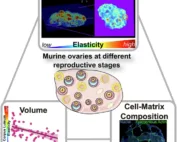
Quantitative Micro-Elastography: New Imaging Tool Uncovers Age-Dependent Mechanical Changes in Ovarian Tissue
Researchers from the Chan Lab at MBI develop a a novel method called quantitative micro-elastography to create detailed 3D maps of ovarian stiffness in mice—revealing crucial insights that could lead to new infertility treatments.

Jie Zhang
Research Fellow, Lim Group

Sui Mingyu
Research Fellow, Yan Jie Group
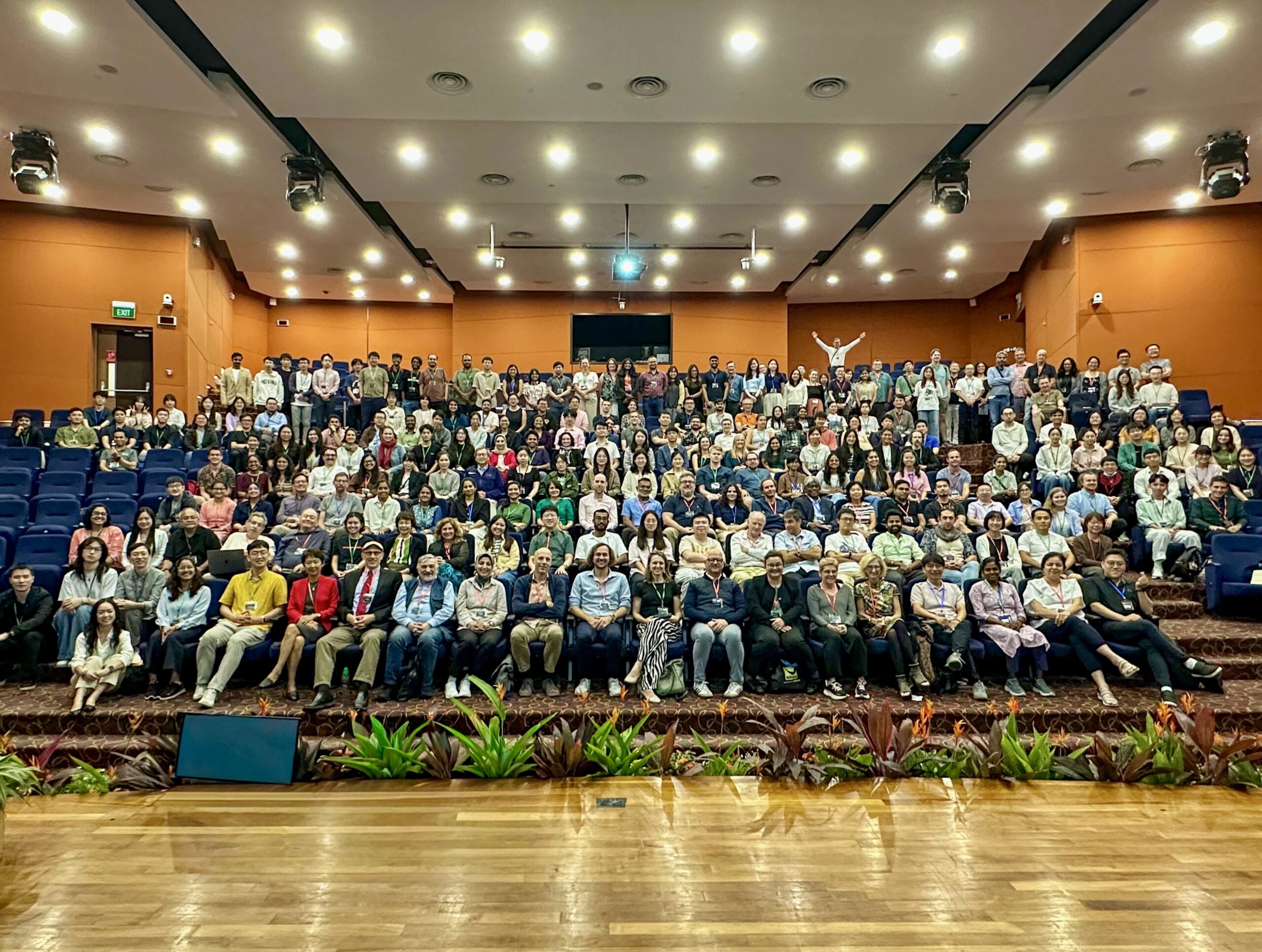
MBI-MPG Conference 2025: Mechanobiology in Space and Time
The MBI-MPG Conference 2025 was held from 9-12th September at the Mechanobiology Institute, National University of Singapore.
MBI-MPG Conference 2025: Mechanobiology in Space and Time.
The MBI-MPG Conference 2025 was held from 9-12th September at the Mechanobiology Institute, National University of Singapore.
Seeking Postdoctoral Fellow in Asst. Prof. Natalie Dye’s Laboratory at the Mechanobiology Institute, NUS
We are seeking to recruit a Postdoctoral Research Fellow in the Dye Laboratory at the Mechanobiology Institute, NUS.
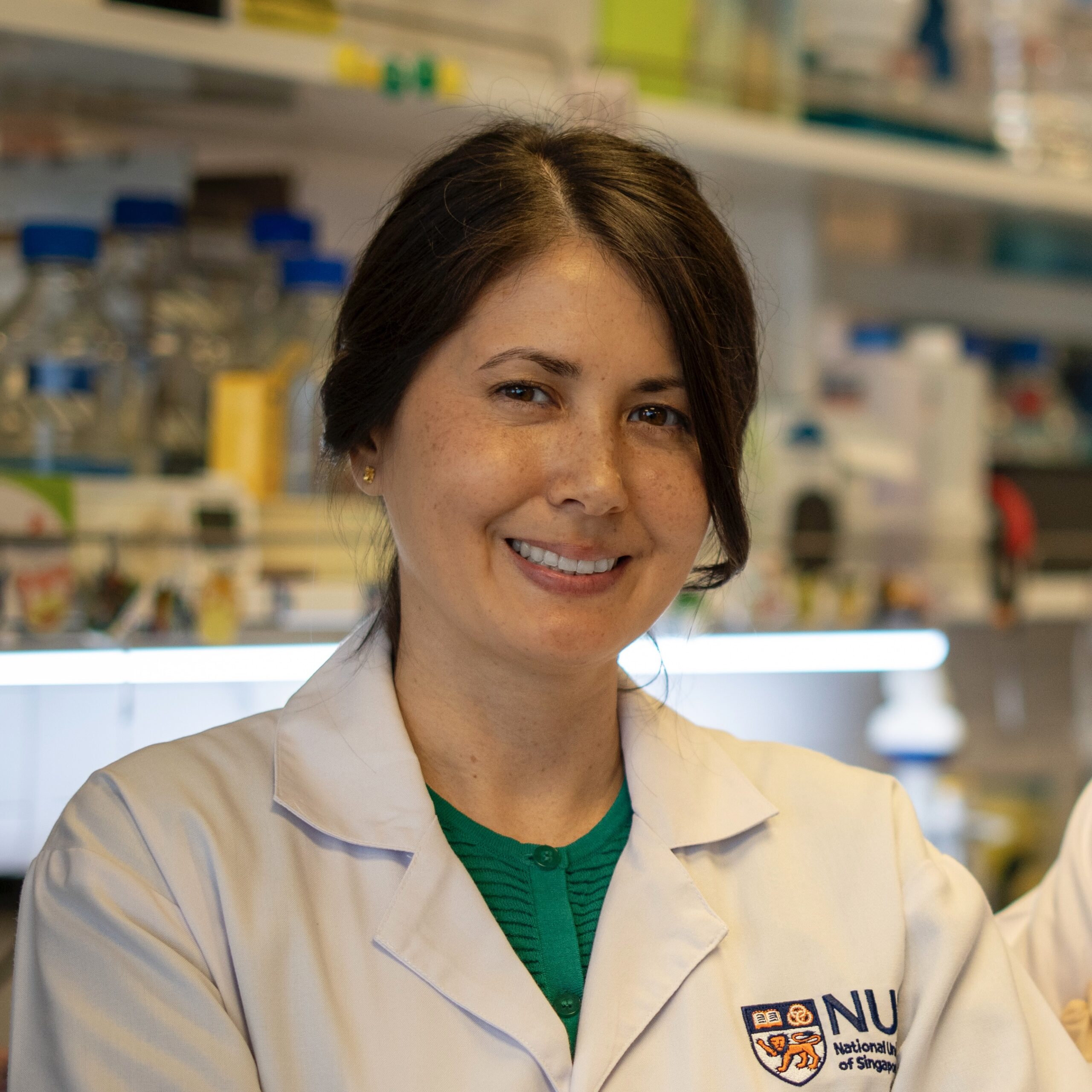
Dr. Jennifer Young Awarded Robert Brown Promising Researcher Award for MOE AcRF Tier 2 Grant
Dr. Jennifer Young received the Robert Brown Promising Researcher Award for her MOE AcRF Tier 2 Grant