

Ronen ZAIDEL-BAR
Department of Cell and Developmental Biology, Sackler Faculty of Medicine, Tel-Aviv University, Israel
Laboratory website
Zaidel-Bar Cell Adhesion Lab
How are adherens junctions assembled?
How are adherens junctions assembled? Introduction to the Assembly of Adherens Junctions In situations where migrating cells first encounter each other to form junctions, changes in cellular morphology have been observed and correlated with [...]
What are adherens junctions?
What are adherens junctions? Adherens junctions (AJs) are cell-cell adhesion complexes that are continuously assembled and disassembled, allowing cells within a tissue to respond to forces, biochemical signals and structural changes in their microenvironment. [...]
What are tight junctions?
What are tight junctions? Tight junctions, also known as Zonula Occludens, are cell-cell adhesion complexes that play a role in the organization of epithelial tissue. By forming a meshwork of membrane contacts around the [...]
What are selectins?
What are selectins? Members of the selectin family, E-selectin (endothelial), L-selectin (leukocyte) and P-selectin (platelet), all of which bind to fucosylated carbohydrates [1]. For example P-selectin on leukocytes binds PSGL-1 (P-selectin glycoprotein ligand-1) on [...]
What are anchoring junctions?
What are anchoring junctions? Cells adhere to the ECM, or to other cells, via complexes that can collectively be called anchoring junctions (reviewed in [1][2]). These multiprotein complexes are found in all cell types [...]
How do post-translational modifications of cell-cell adhesions impact their stability?
How do post-translational modifications of cell-cell adhesions impact their stability? Post-translational modification of adhesion complex components is one of the most complicated aspects in the regulation of cell-cell adhesions. It involves an array of [...]
Ronen Zaidel-Bar
Visiting Faculty
Currently Visting
6-12 Nov 2018
Office: T-Lab, Level 5
Research Areas
Cell-cell and cell-matrix adhesion, Regulation of actomyosin contractility and dynamics, C. elegans development, mechanics and molecular mechanisms of morphogenesis
Research Interests
- How do specific cytoskeletal proteins contribute to the organization and function of cell adhesion and actomyosin structures?
- How are signals processed within the “adhesome” and “contractome” to arrive at the appropriate cytoskeletal arrangement for a given cell state?
- How do adhesion sites and the cytoskeleton sense and respond to external mechanical forces?
Biography
Dr Zaidel-Bar obtained his Ph.D. working with Prof Benny Geiger (Weizmann Institute of Science) on the role of force in regulating cell-matrix adhesions. Their work first focused on single proteins and evolved to encompass the entire adhesome network. In his Postdoctoral training with Prof Jeff Hardin (University of Wisconsin – Madison) Dr Zaidel-Bar switched from studying cells in culture to employing the genetic model organism C. elegans for the study of cell-cell adhesions during development. Dr Zaidel-Bar was attracted to Singapore by the opening of MBI and was awarded the Singapore National Research Foundation Fellowship for promising young investigators.
Education
PhD Weizmann Institute of Science
Recent Publications
- Bertocchi C, Alegría JJ, Vásquez-Sepúlveda S, Ibanez-Prat R, Srinivasan A, Arrano-Valenzuela I, Castro-Pereira B, Soto-Montandon C, Trujillo-Espergel A, Montenegro-Rojas I, Deguchi S, Owen GI, Kanchanawong P, Cerda M, Motta G, Zaidel-Bar R, and Ravasio A. Systematic AI-assisted screening of the cadhesome to map epithelial monolayer mechanics. Cell Commun Signal 2026;. [PMID: 42399739]
- Ray S, Agarwal P, Nitzan A, Nédélec F, and Zaidel-Bar R. Actin capping protein regulates actomyosin contractility to maintain germline architecture in C. elegans. Development 2023;. [PMID: 36897576]
- Avivi Kela S, Sethi K, Tan PY, Suresh D, Ong HT, Castaneda PG, Amin MR, Laviv T, Cram EJ, Faix J, and Zaidel-Bar R. Tension-dependent RHGF-1 recruitment to stress fibers drives robust spermathecal tissue contraction. J Cell Biol 2022; 222(2). [PMID: 36574264]
- Chen Z, Oh D, Biswas KH, Zaidel-Bar R, and Groves JT. Probing the effect of clustering on EphA2 receptor signaling efficiency by subcellular control of ligand-receptor mobility. Elife 2021; 10. [PMID: 34414885]
- Hu S, Grobe H, Guo Z, Wang Y, Doss BL, Pan M, Ladoux B, Bershadsky AD, and Zaidel-Bar R. Reciprocal regulation of actomyosin organization and contractility in non-muscle cells by tropomyosins and alpha-actinins. Mol. Biol. Cell 2019;:mbcE19020082. [PMID: 31216217]
- Desai SK, Padmanabhan A, Harshe S, Zaidel-Bar R, and Kenney LJ. Salmonella biofilms program innate immunity for persistence in Caenorhabditis elegans. Proc. Natl. Acad. Sci. U.S.A. 2019;. [PMID: 31160462]
- Bouffard J, Cecchetelli AD, Clifford C, Sethi K, Zaidel-Bar R, and Cram EJ. The RhoGAP SPV-1 regulates calcium signaling to control the contractility of the C. elegans spermatheca during embryo transits. Mol. Biol. Cell 2019;:mbcE18100633. [PMID: 30726159]
- Priti A, Ong HT, Toyama Y, Padmanabhan A, Dasgupta S, Krajnc M, and Zaidel-Bar R. Syncytial germline architecture is actively maintained by contraction of an internal actomyosin corset. Nat Commun 2018; 9(1):4694. [PMID: 30410005]
- Agarwal P, and Zaidel-Bar R. Principles of Actomyosin Regulation In Vivo. Trends Cell Biol. 2018;. [PMID: 30385150]
- Chen Z, Oh D, Biswas KH, Yu C, Zaidel-Bar R, and Groves JT. Spatially modulated ephrinA1:EphA2 signaling increases local contractility and global focal adhesion dynamics to promote cell motility. Proc. Natl. Acad. Sci. U.S.A. 2018;. [PMID: 29866846]
Lab Members
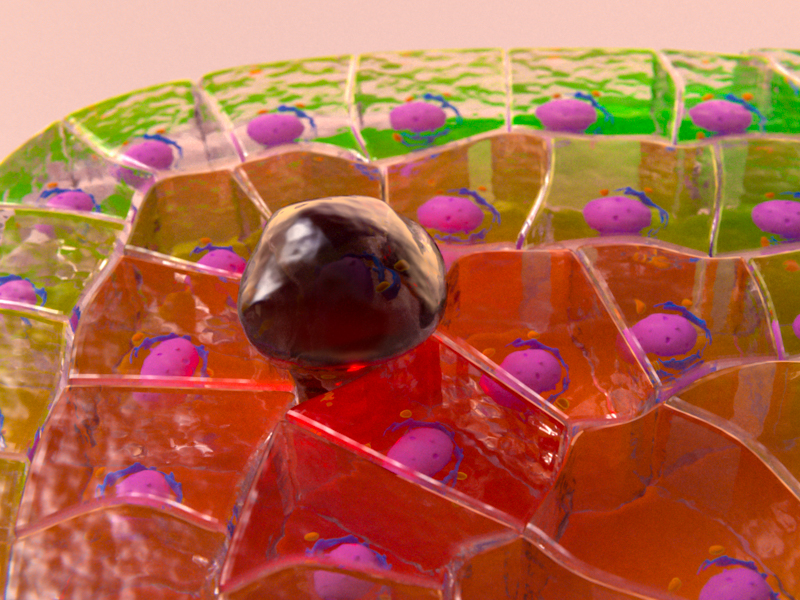
Defects in Epithelial Tissue Organization
A question of life and death
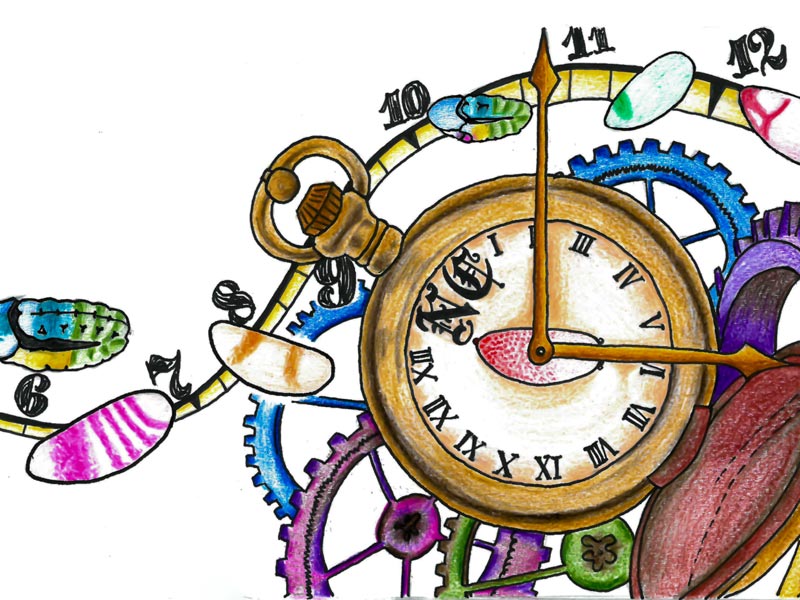
Development in Time and Space
Shedding light on the importance of time in embryo development
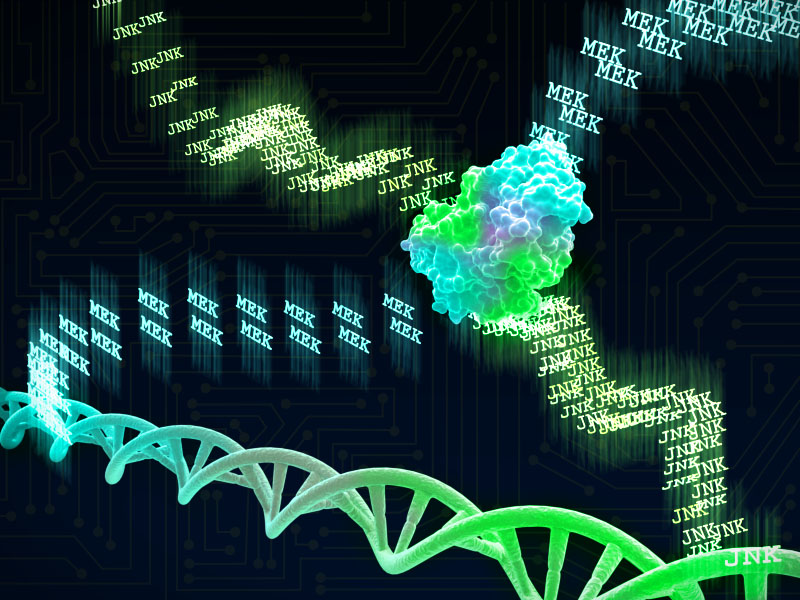
The (BP)GAP Between Signaling Pathways
To grow or not to grow?
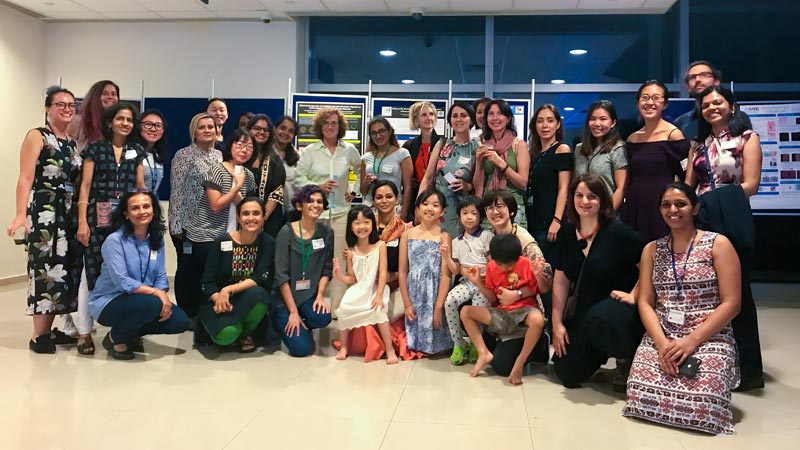
Gender Gaps in Science: BIOS 2017 Panel Discussion on Women in Science
MBI hosted BIOS2017 on Friday, the 15th of September. The scientific talks were followed by an hour-long panel discussion that was aimed at bringing out the various contributing factors towards gender gaps at work place.
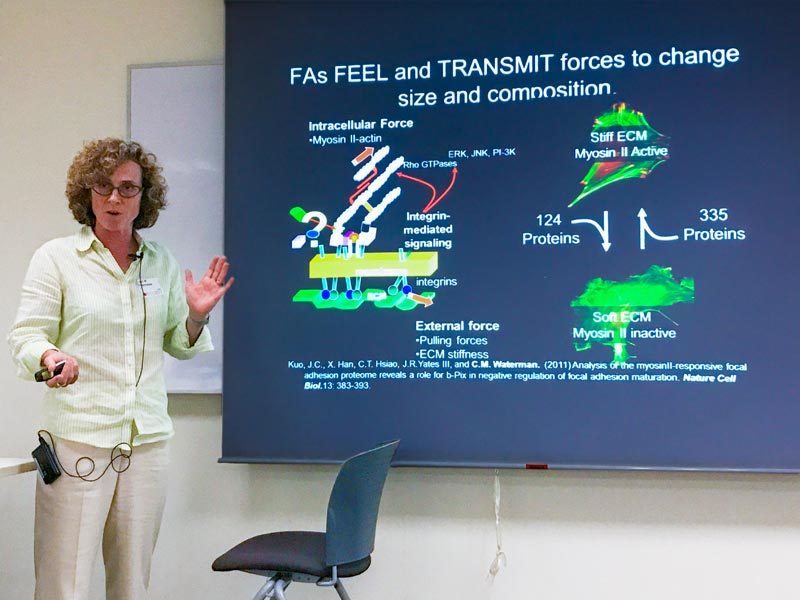
BIOS 2017: Post-event report
MBI NUS hosted BIOS2017 on 15th of September. BIOS, a MBI Women in Science initiative, is a unique national-level biology symposium that aims to bring together women researchers in Singapore from diverse realms of life sciences research.
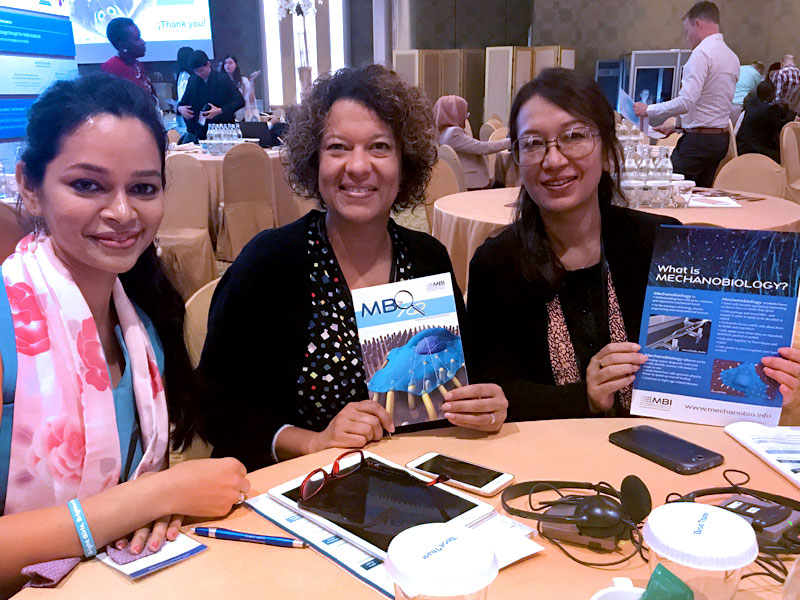
2017 UNESCO Symposium: Cracking the Code: Girls Education in STEM, a report
The symposium explored multi-pronged approaches to tackle gender gaps in STEM education at the individual, family & peers, schools/educational institutions, society and government levels.

Sree Vaishnavi Sundararajan
Alumni, Grenci Group
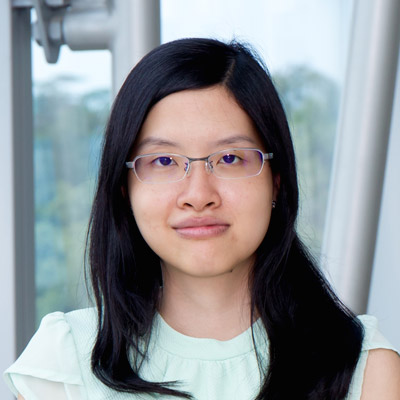
Mona Suryana
Research Associate, Grenci Group

Jegan Vishnuwardhana Shanmugarajah
Research Assistant, Grenci Group
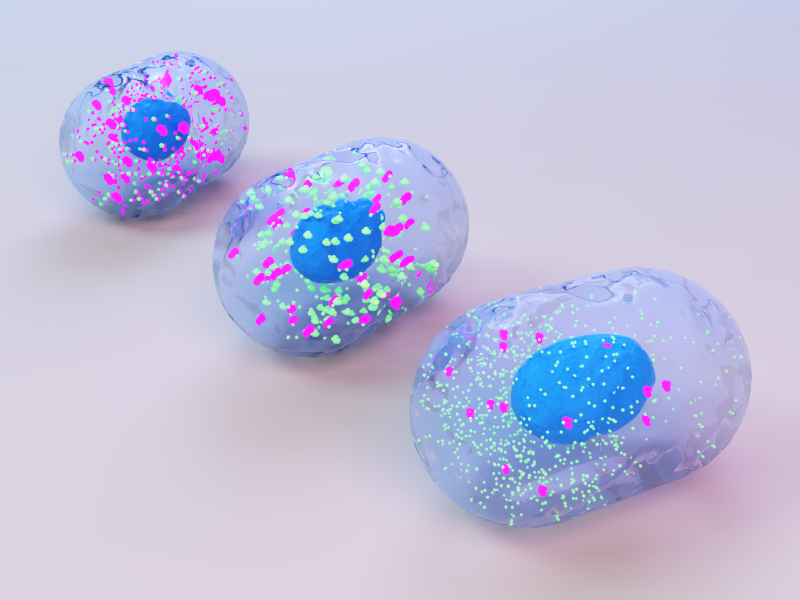
Breaking cell symmetry
A force driven mechanism for establishing cell polarity
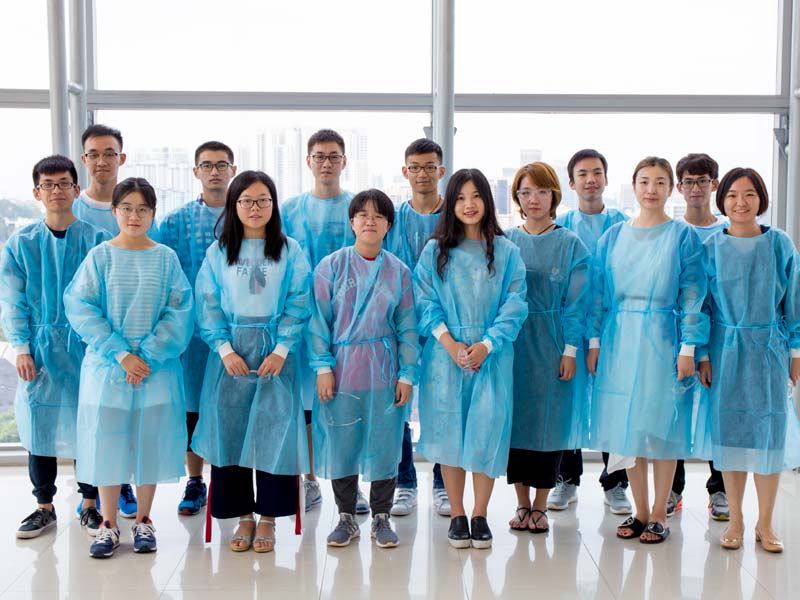
MBI welcomes students from Huazhong University of Science and Technology, China
On August 16th, a group of 13 students from the Huazhong University of Science and Technology (HUST), China visited the Mechanobiology Institute (MBI), National University of Singapore to learn more about scientific research in Singapore.
Yuan Luezhen
Alumni, Shivashankar Group

