

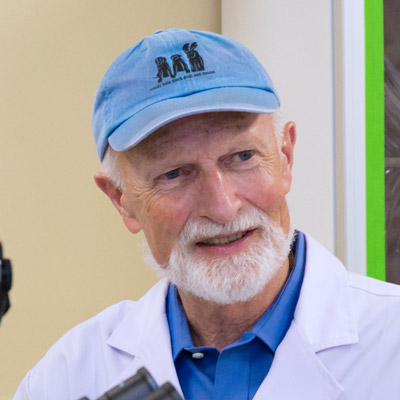
Michael SHEETZ
Founding Director and Collaborator, Mechanobiology Institute, National University of Singapore
Affiliations
Professor, Department of Biochemistry & Molecular Biology, UTMB Health
What is the Canonical Wnt Receptor Signaling Pathway?
What is the Canonical Wnt Receptor Signaling Pathway? The canonical Wnt receptor signaling pathway is a series of molecular events that are initiated by the binding of Wnt proteins to the frizzled family of [...]
How do neurotrophins, collapsin, and ephrins, serve as guidance cues?
How do neurotrophins, collapsin, and ephrins, serve as guidance cues? Neurotrophins Stimulating filopodia formation A secreted guidance cue which stimulates filopodia formation in growth cones. Two examples of secreted neurotrophins, brain-derived neurotrophic factor (BDNF) [...]
What are guidance cues?
What are guidance cues? During neural development, highly motile structures on the developing neurites, called growth cones, are guided by signals from the extracellular environment. Guidance cues come in many different forms, from diffusible [...]
What is integrin extension?
What is integrin extension? Integrin extension Upon alteration in the transmembrane and their proximal domains, the bent headpiece extends in less than 1 second [1] with intermediate affinity for ligands. Two models- “switchblade” and [...]
How is integrin activated?
How is integrin activated? Integrin activation is an important mechanism through which cells regulate integrin function by manipulating the ligand affinity of integrins spatially and temporally. Structural and functional studies suggest that integrins can [...]
Michael Sheetz
Collaborator
Research Areas
Cell migration, cell-cell and cell-substrate interaction
Research Interests
The morphology of cells, organs and whole organisms is determined by the generation of forces on the immediate environment, which is either extracellular matrix or adjacent cells. We are currently engaged in studies to understand the detailed molecular mechanisms involved in a variety of phenomena from cancer metastasis to brain function. Further, we are developing several new tools and protocols for measuring cell forces at the molecular level, which are revealing many new aspects of how cells can both generate and respond to external forces. We have an effort underway to define quantitatively the steps involved in cell adhesion to and spreading on a matrix-coated surface. Using a variety of cell lines that are missing proteins in various motility pathways, we are determining the quantitative changes in the spreading process. This will enable us to generate a detailed model of the process of spreading that will be a model for further studies of how cells differentiate, regenerate tissues or metastasize.
Biography
Hailing from Columbia University, Prof Michael Sheetz has more than 40 years’ experience in the biomedical field. Introduced to Singapore by Prof Hew Choy Leong of the National University of Singapore’s Department of Biological Sciences, Prof Sheetz was sought to lead an RCE project. This resulted in a two-year effort to organise and submit a proposal on Mechanobiology where Prof Sheetz set the theme and direction of the Mechanobiology Institute (MBI). As Founding Director of the MBI, he led the institute for 10 years and built it into a world-leading research centre in the field of mechanobiology.
Education
PhD California Institute of Technology
Recent Publications
Lab Members
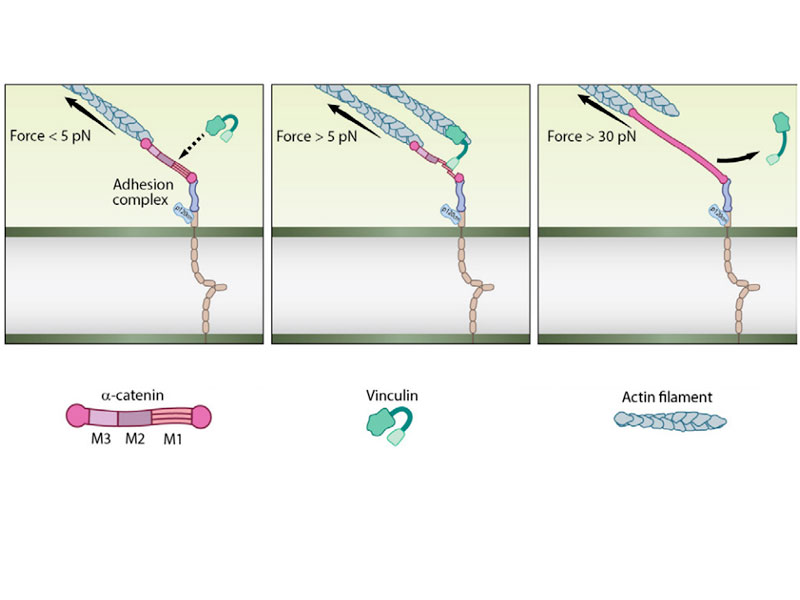
Unraveling a-catenin
α-catenin mediated mechanosensing of cell-cell junctions
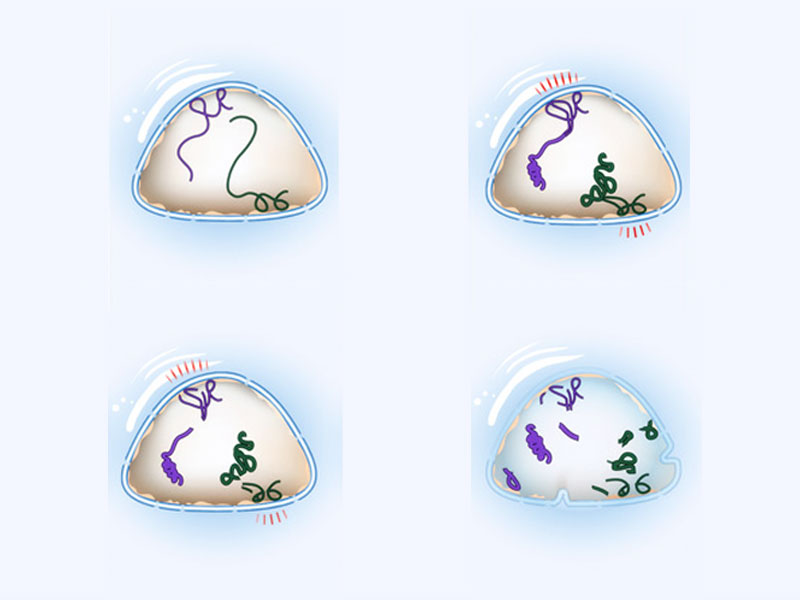
Protecting the Genome
ATR responds to mechanical stimuli to protect DNA
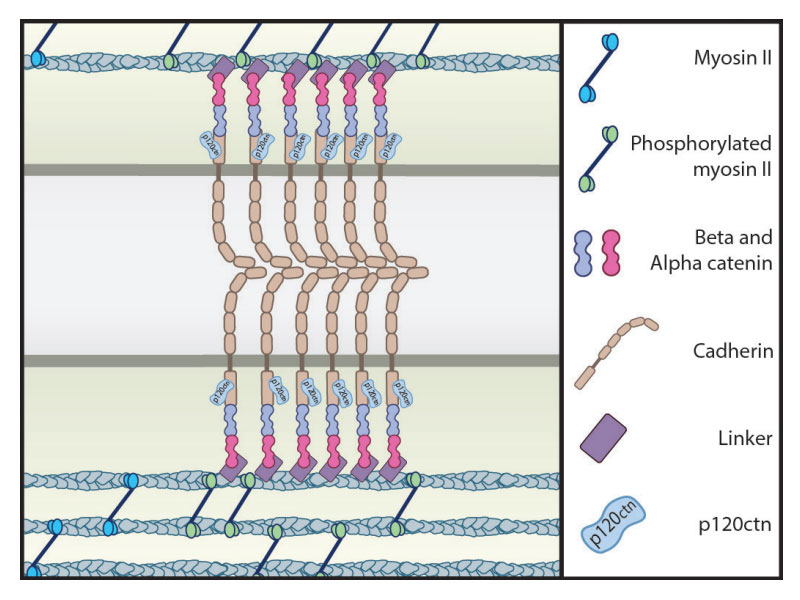
Capturing E-cadherin
Dynamics of cortical actin in the recruitment o cadherin at adhesion sites
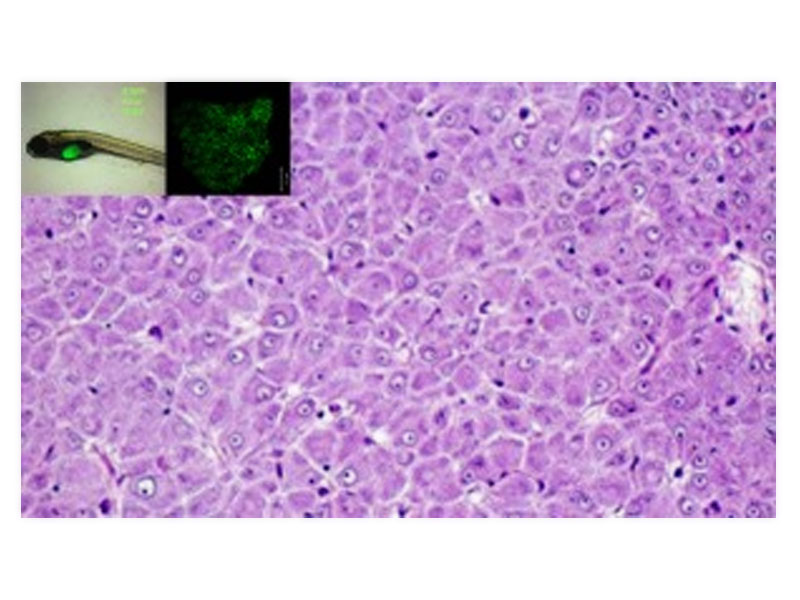
Rho Puts the Brakes on RAS-Driven Liver Cancer
Clues for targeting Ras-driven liver cancer through RhoA activation
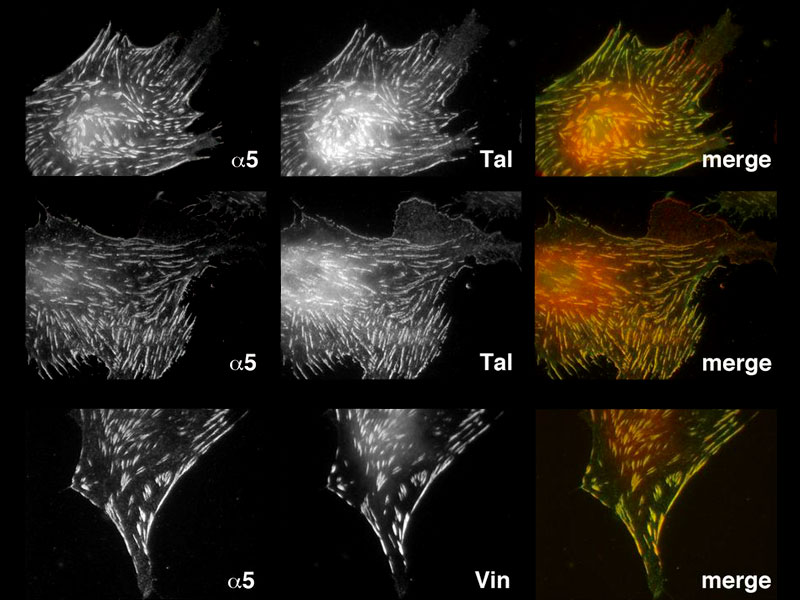
What Makes Cells Move?
Identifying key components of the cellular engine in living cells

Lim Jia Sheng Jason
Alumni, Zaidel-Bar Group
Ding Wei Yung
Alumni, Zaidel-Bar Group
Anup Padmanabhan
Alumni, Zaidel-Bar Group