


GV SHIVASHANKAR
Principal Investigator, Mechanobiology Institute, IFOM-NUS Chair Professor, National University of Singapore
shiva.gvs@gmail.com
+65 6516 2712 ext 62712
Level 10 T-Lab
National University of Singapore
5A Engineering Drive 1
Singapore 117411
Affiliations
Head, IFOM-NUS Joint Research Laboratory, National University of Singapore
Spark-In-Science Program
Spark-in-Science is a non-profit initiative aimed at igniting scientific temper in high school and pre-university students.
In the News
- Today Online: Study to detect cancer before symptoms develop shows promise
- Straits Times: NUS research: Squeezing mature cells to become stem cells
- Channel News Asia: Becoming Human, Episode 2: Unnatural Genius
The Shivashankar Lab is hiring multiple PhD and Postdoctoral positions starting in Jan 2020. Learn more.
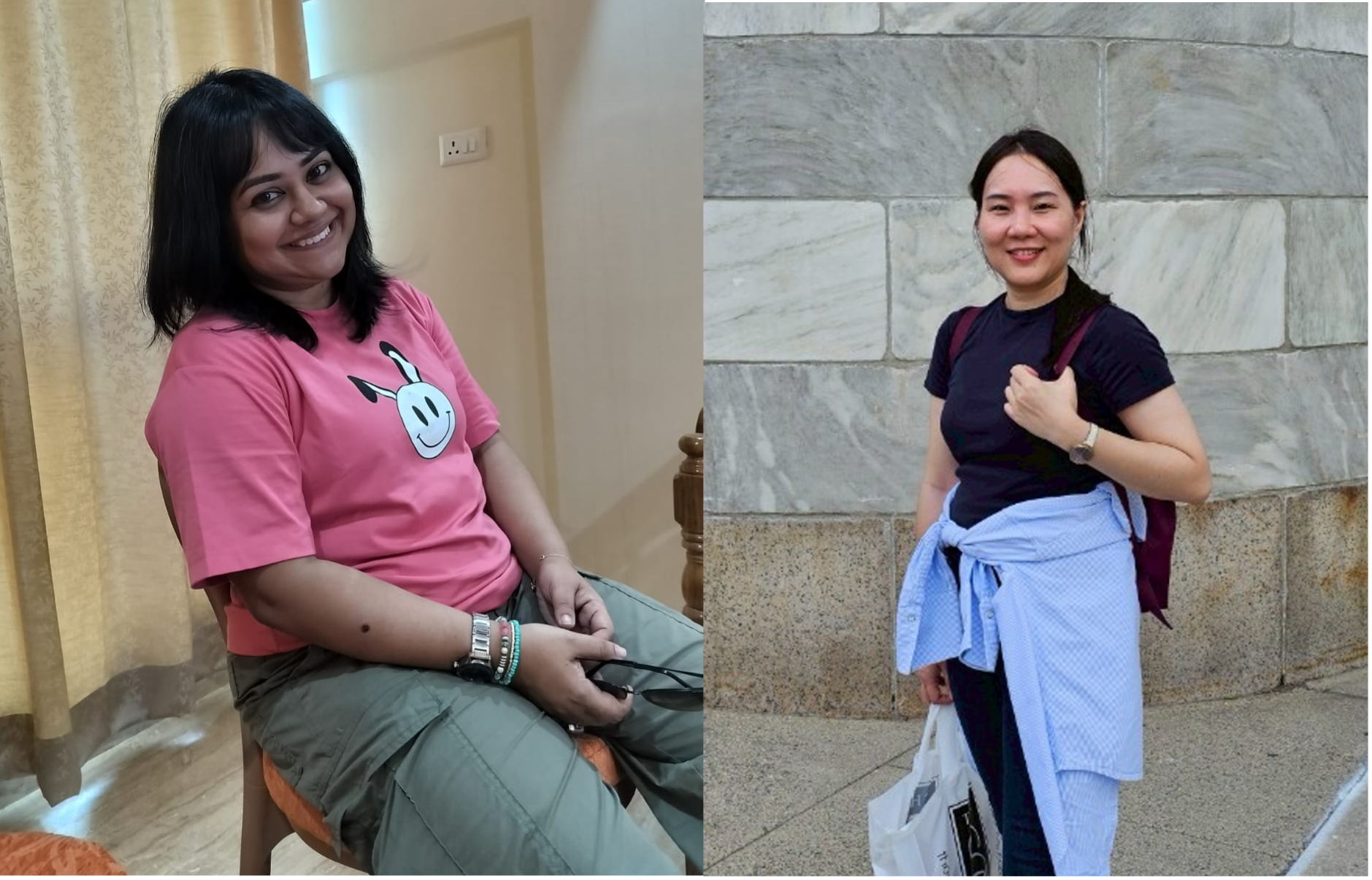
She is a Scientist: Confidence Formed by Curiosity Over Time
February 11th celebrates The International Day of Women and Girls in Science to promote full, equal access and participation in STEM fields. MBI talks to two of our posdoctoral research fellows about their career as a woman in science.

She is Becoming: Curiosity, Comparison and the Making of a Scientist
February 11th celebrates The International Day of Women and Girls in Science to promote full, equal access and participation in STEM fields. MBI talks to two of our PhD students about their journey in becoming a scientist as women.
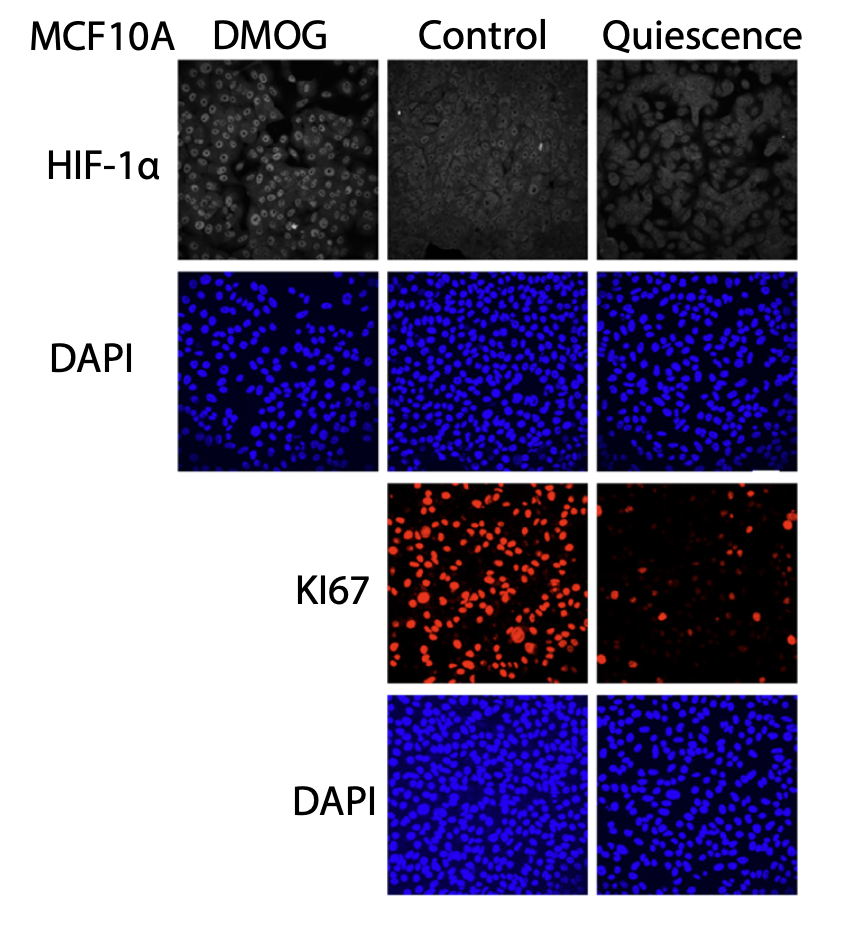
How Structural Imbalance Drives Inflammatory Signaling in Senescent Cells
In a study published in Molecular Biology of the Cell led by Celestine Ho at the Mechanobiology Institute, NUS, researchers discover that HIF-1α-activation in SASP is a defining feature of the SASP induced by diverse stressors, acting independently of micronuclei generation and cGAS/STING activation.
GV Shivashankar
Principal Investigator (2011-2019)
Research Areas
Nuclear mechanics, 3D chromosome organization, genome regulation, disease diagnostics
Nuclear Mechanogenomics & Cancer Diagnostics Laboratory
Shivashankar’s lab pursues research in understanding the role of cell mechanics on nuclear mechanotransduction and genome regulation.
Extra-cellular micro-environmental signals are transduced to the nucleus to regulate diverse biological processes including cellular differentiation, development and homeostasis; but the underlying mechanisms are still unclear. In this context, how such micro-environmental signals alter nuclear mechanical architecture and how it integrates with the 3D organization of chromosomes and transcription networks are rather unexplored. Using a multidisciplinary approach combining high resolution optical imaging, quantitative single-cell biology, machine learning and functional genomics, our laboratory investigates the principles underlying the coupling between nuclear mechanics and genome regulation. Our recent and ongoing work provides modular links between cellular geometry and nuclear mechanics and its impact on transcription dependent 3D organization of chromosomes and reprogramming. Such modular links define the normal state of cells and are altered during diseases. Hence our studies also have profound impact on developing single-cell nuclear biomechanical markers for early disease diagnosis and therapeutic intervention.
Biography
Shivashankar is a principal investigator at the Mechanobiology Institute, National University of Singapore. His laboratory is focused on understanding the role of cell mechanics on nuclear mechanotransduction and genome regulation in living cells using a multi-disciplinary approach. He carried out his PhD research at the Rockefeller University (1994-1999) and Postdoctoral research at NEC Research Institute, Princeton USA (1999-2000). He started his laboratory at the National Center for Biological Sciences, TIFR- Bangalore, India (2000-2009) before relocating to a tenured faculty position at the National University of Singapore in 2009. He was the Deputy Director of the Mechanobiology Institute (2011-2019). More recently he also heads a joint research laboratory with the FIRC Institute of Molecular Oncology (IFOM), Milan, Italy and was appointed as an IFOM-NUS Chair Professor in 2014. His scientific awards include the Birla Science Prize (2006), the Swarnajayanthi Fellowship (2007), and he was elected to the Indian Academy of Sciences (2010) and to the EMBO membership (2019). He will be relocating to a tenured Full Professorship at ETH Zurich jointly with the Paul Scherrer Institute, Switzerland, to start the Laboratory of Mechano-Genomics in January 2020.
Education
PhD The Rockefeller University, USA
Funding
Mechanobiology Institute, Ministry of Education Tier-3 Co-Investigator Grant & IFOM-MBI Joint Research Laboratory, Singapore.
Recent Publications
- Mitra A, Cutiongco MFA, Burla R, Zeng Y, Na Q, Kong M, Vinod B, Nai MH, Hübner B, Ludwig A, Lim CT, Shivashankar GV, Saggio I, and Zhao W. Acute chromatin decompaction stiffens the nucleus as revealed by nanopillar-induced nuclear deformation in cells. Proc Natl Acad Sci U S A 2025; 122(19):e2416659122. [PMID: 40343993]
- Das R, Sakaue T, Shivashankar GV, Prost J, and Hiraiwa T. Chromatin Remodeling Due to Transient-Link-and-Pass Activity Enhances Subnuclear Dynamics. Phys Rev Lett 2024; 132(5):058401. [PMID: 38364140]
- Jiang K, Lim SB, Xiao J, Jokhun DS, Shang M, Song X, Zhang P, Liang L, Low BC, Shivashankar GV, and Lim CT. Deleterious Mechanical Deformation Selects Mechanoresilient Cancer Cells with Enhanced Proliferation and Chemoresistance. Adv Sci (Weinh) 2023;:e2201663. [PMID: 37218524]
- Das R, Sakaue T, Shivashankar GV, Prost J, and Hiraiwa T. How enzymatic activity is involved in chromatin organization. Elife 2022; 11. [PMID: 36472500]
- Yuan L, Roy B, Ratna P, Uhler C, and Shivashankar GV. Lateral confined growth of cells activates Lef1 dependent pathways to regulate cell-state transitions. Sci Rep 2022; 12(1):17318. [PMID: 36243826]
- Venkatachalapathy S, Sreekumar D, Ratna P, and Shivashankar GV. Actomyosin contractility as a mechanical checkpoint for cell state transitions. Sci Rep 2022; 12(1):16063. [PMID: 36163393]
- Venkatachalapathy S, Jokhun DS, Andhari M, and Shivashankar GV. Single cell imaging-based chromatin biomarkers for tumor progression. Sci Rep 2021; 11(1):23041. [PMID: 34845273]
- Ghanbarzadeh Nodehi S, Shivashankar GV, Prost J, and Mohammad-Rafiee F. The characteristics of nuclear membrane fluctuations in stem cells. J R Soc Interface 2021; 18(176):20201010. [PMID: 33715401]
- Yang KD, Belyaeva A, Venkatachalapathy S, Damodaran K, Katcoff A, Radhakrishnan A, Shivashankar GV, and Uhler C. Multi-domain translation between single-cell imaging and sequencing data using autoencoders. Nat Commun 2021; 12(1):31. [PMID: 33397893]
- Lee Y, and Shivashankar GV. Analysis of transcriptional modules during human fibroblast ageing. Sci Rep 2020; 10(1):19086. [PMID: 33154459]
Lab Members
Less is More: Simplified 3D Nanoscopy via Vortex Interference Widens Access
Researchers from the Kanchanawong Lab at the Mechanobiology Institute, NUS makes cutting-edge 3D nanoscopy more accessible to researchers without elaborate optical engineering.
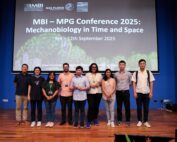
The Chan Lab at the MBI-MPG Conference 2025!
Congratulations to Kim Whye and Kosei for being selected for talks, and Boon Heng for winning the 'Best Poster' prize! Thanks to all who gave feedback on our work!
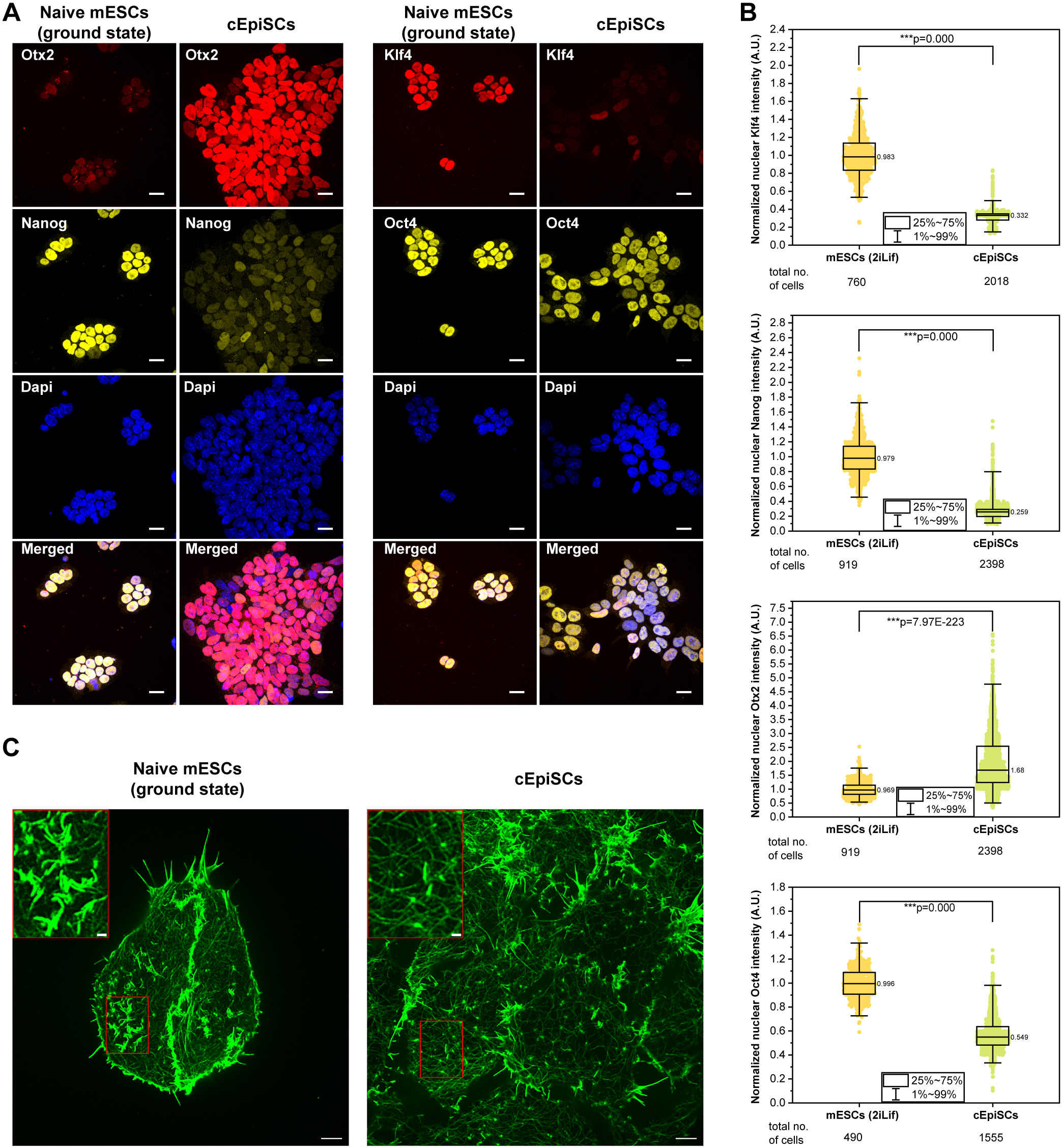
Rac-1 Regulated Cadherin Clusters Mark Naive Stem Cells
Researchers from the Kanchanawong Lab at the Mechanobiology Institute, NUS discover a marker of ground-state pluripotent stem cells and what governs it.
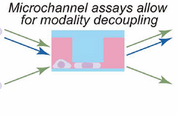
Confined Migration Shapes the Bony Fate of Stem Cells
Researchers from the Holle Lab at the Mechanobiology Institute, NUS discover that migration through confined spaces causes lasting nuclear changes in stem cells, biasing them toward bone formation.

P. Shakthi
Research Assistant, Dye & Michelot Groups

Lim Choon Kiat
Senior Research Fellow, Li Group
Nicholas Chan Zhen Woon
Research Fellow, Yan Jie Group
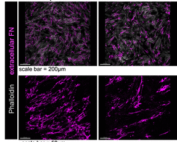
Disrupted Cell-Matrix Interactions Drives Aging and Reveals New Paths for Skin Regeneration
Researchers from the Li Lab discover how α5-integrin–FN interactions preserve dermal integrity, offering new insights for antiaging strategies targeting ECM organization and fibroblast function.
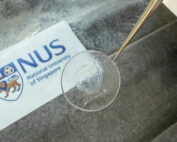
DECIPHERing the Role of Cell-Matrix Interactions in Ageing Heart Health
Researchers from the Soft Nano-Biomaterials Lab at MBI developed a material system to enable precise investigation into how individual ECM properties affect cultured heart cells.
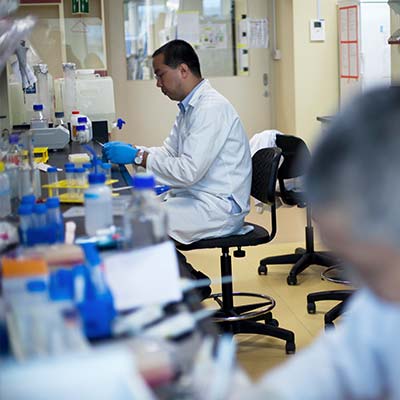
Seeking Postdoctoral Research Fellow in the research group of Dr. Tsuyoshi Hirashima at the Mechanobiology Institute, NUS
We are seeking to recruit a Postdoctoral Research Fellow in the research group of Dr. Tsuyoshi Hirashima at the Mechanobiology Institute, NUS.
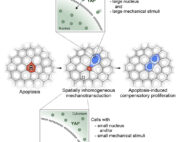
How Dying Cells Signal Growth: Mechanical Forces Drive Targeted Cell Proliferation after Apoptosis
Researchers from the Toyama Lab at MBI reveal how mechanical factors control apoptosis and cell replacement.
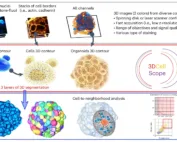
Scientists Develop AI-Driven Tool to Map 3D Cellular Landscapes
Researchers from the Beghin Lab at the Mechanobiology Institute, NUS combine DeepStar3D algorithm and 3DCellScope interface to develop an experimental tool for real-time interaction with cell data.