

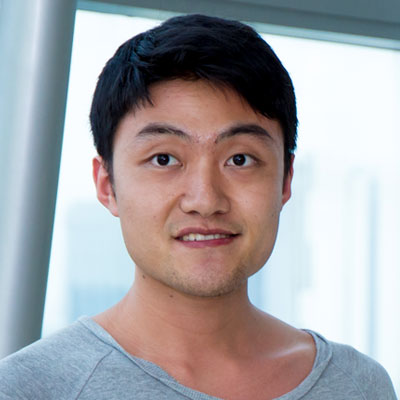

Ariell Smith
Research Fellow, Young Group
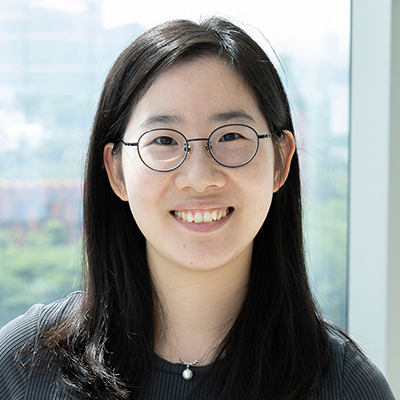
Kong Mengya
Research Fellow, Bershadsky Lab
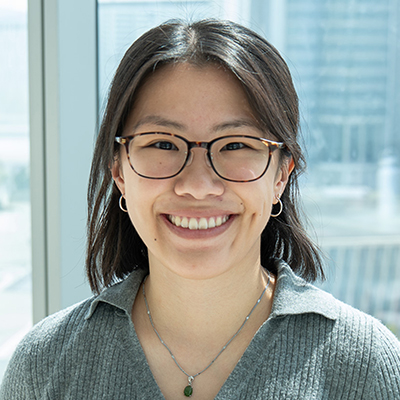
Emily Troying Chan
Research Fellow, Bershadsky Lab
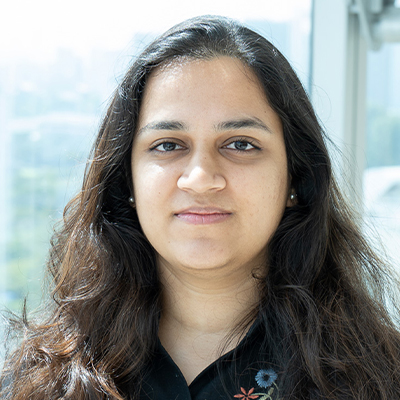
Mallica Pandya
Research Fellow, Young Group
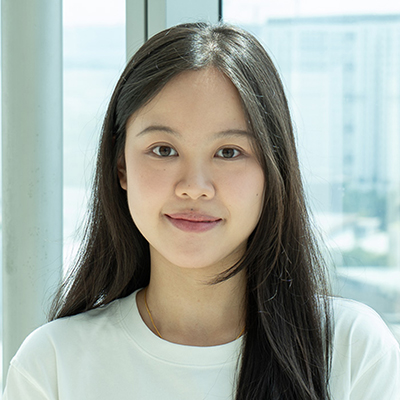
Tan Zi Swan
Research Assistant, Li Group
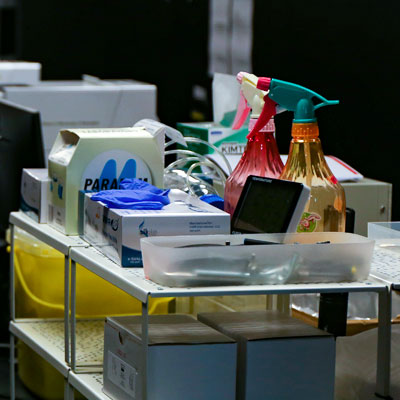
Seeking Laboratory Technologist (Wet Lab Core Facility) at the Mechanobiology Institute, NUS
The Mechanobiology Institute (MBI), National University of Singapore (NUS), is seeking to recruit a Laboratory Technologist (Wet Lab Core Facility).
Zhang Shaobo
Alumni
I joined the Saunders group on an internship as part of my Final Year Project during undergraduate study. The internship has been an amazing experience and helped me make up my mind to continue my journey in the mechanics of development – an exciting field which requires the integration of biology, physics, computer science and engineering.
My background during undergraduate study is in Bioinformatics (at Shanghai Jiao Tong University), and this has prepared me well for future exploration. I hope to use quantitative analysis techniques to study robust and precise cell matching processes. By applying embryonic Drosophila heart formation as a simplified matching system, I am looking forward to deciphering the deeper mechanisms of the cell targeting process about how cells find their partners in a complicated environment.