

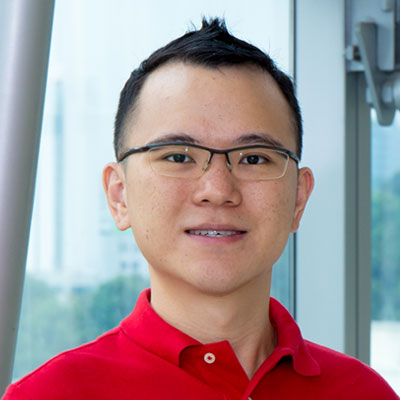
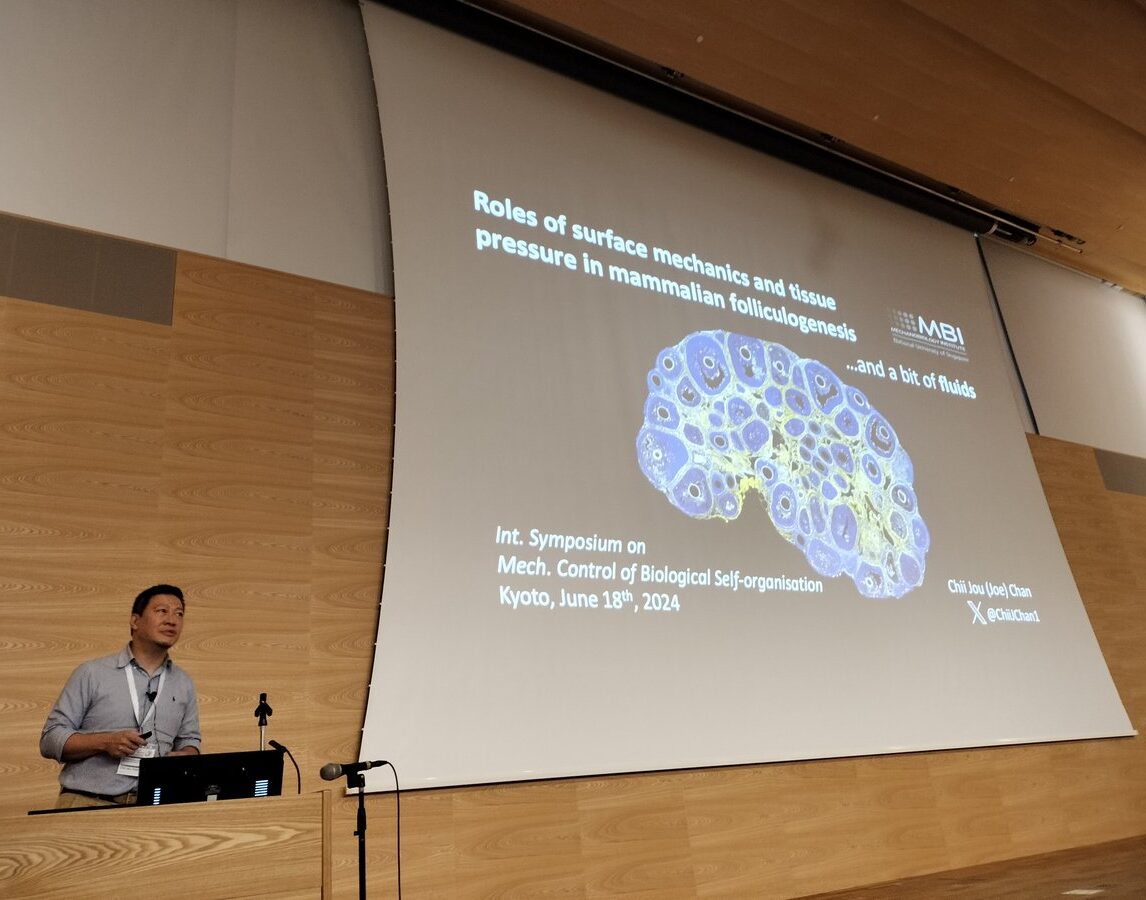
Joe invited to present at various conferences and research institutes in Japan
Joe was invited to present at the International Symposium on Mechanical control of biological self-organization and the IUPAB Congress 2024 in Kyoto, as well as at WPI-PRIMe in Osaka. It was also a great pleasure to meet up with Katsuhiko Hayashi, an inspiring figure in ovaroids studies!
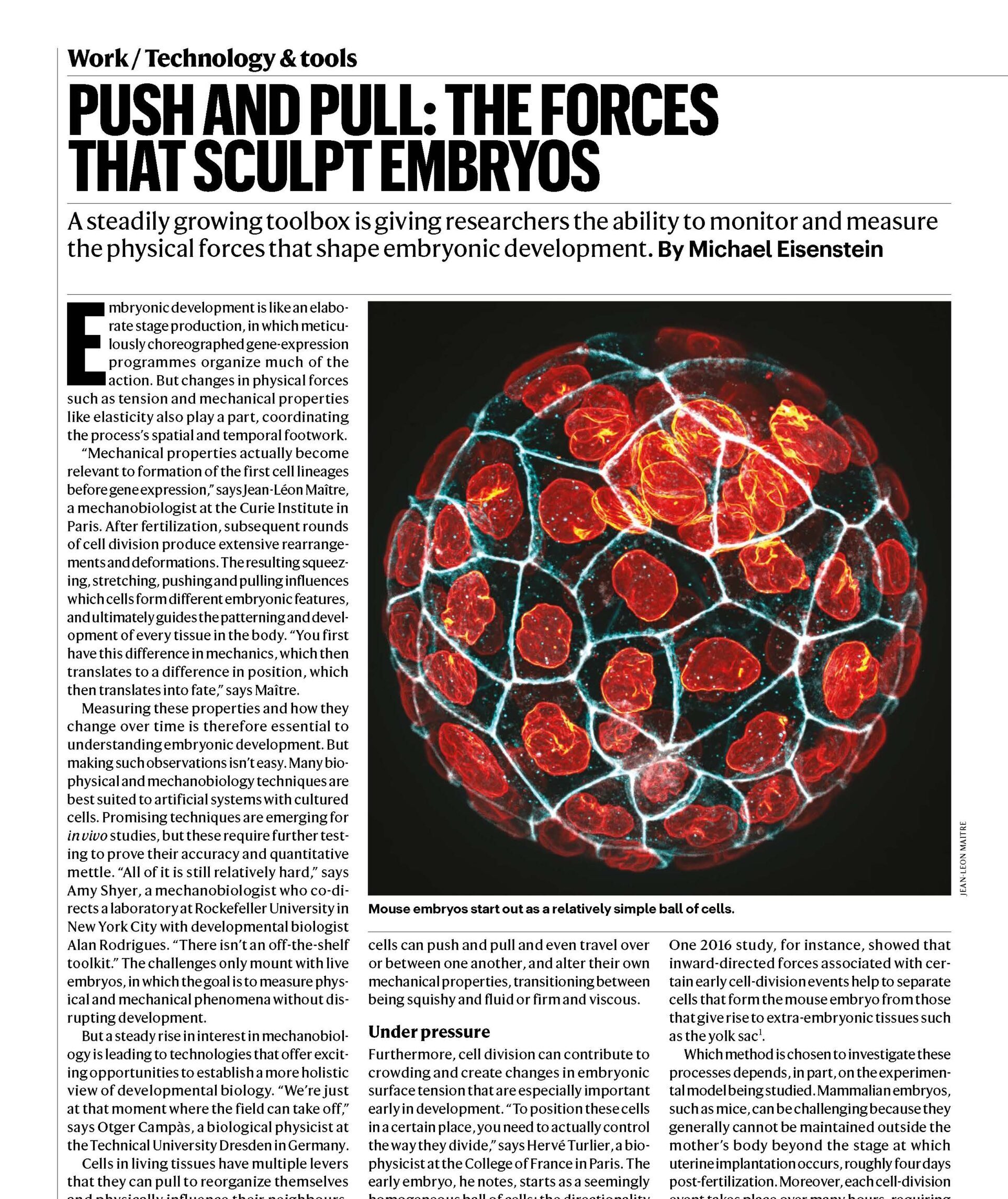
Push and pull: Joe shares his two cents on current approaches to measuring mechanics in Nature
Great to see developmental mechanics getting highlighted!
Shambhavi Dikshit
Research Fellow, Toyama Group
Nishanth Venugopal Menon
Senior Research Fellow, Lim Group
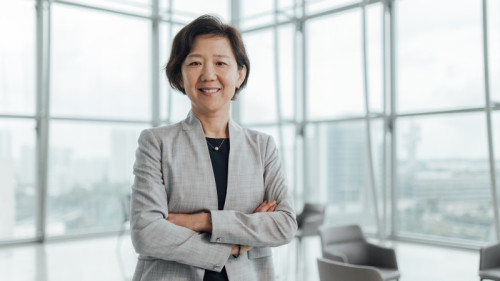
Prof Rong Li elected President of the American Society for Cell Biology for 2026
MBI Director Professor Rong Li, has been elected by members of the American Society for Cell Biology (ASCB) to serve as President of the Society in 2026. She will serve as President-Elect on the ASCB Executive Committee beginning 1 January 2025, before starting her term as President on 1 January 2026.
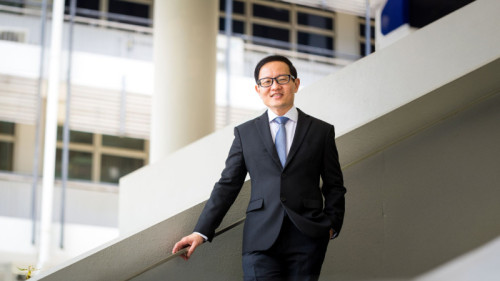
Prof Lim Chwee Teck elected Fellow of the Royal Society
MBI Principal Investigator Professor Lim Chwee Teck, Director of the Institute for Health Innovation & Technology at the National University of Singapore (NUS iHealthtech) and NUSS Professor, has been elected to the prestigious Fellowship of the Royal Society
Ding Wei Yung
Alumni
Principal Investigator
Research Interests
Cell-Matrix and Cell-Cell Mechanotransduction, Molecular Mechanisms of Mechanobiology
Wei Yung’s interest lies in understanding the sophistication of cells as robust machines. Using C. elegans, a 1mm nematode, as a model system, he investigates the cellular machinery underlying newly fertilized zygotes that drives critical force-dependent processes such as polarization and cytokinesis.
Biography
Wei Yung completed his Bachelor’s degree in Bioengineering (Second Class Upper) from the National University of Singapore in 2012. In his honors dissertation under the co-supervision of Professor James Goh and Professor Wong Hee Kit, he optimized the conditions required for the construction of interbody spinal fusion device using primary adipose stem cells seeded in a biodegradable polycaprolactone/tricalcium sulphate (PCL/TCP) scaffold. The work was presented in the Bioengineering Showcase 2012 and he was awarded the Best Poster Award. After he was enrolled in the Mechanobiology Graduate Program, he joined Dr. Zaidel-Bar’s Cell Adhesion and Morphogenesis Lab and is currently searching for novel genes involved in regulating C. elegans early embryogenesis.